Big twist in Andy Pycroft-PCB conflict!! Mohsin Naqvi forced to go underground
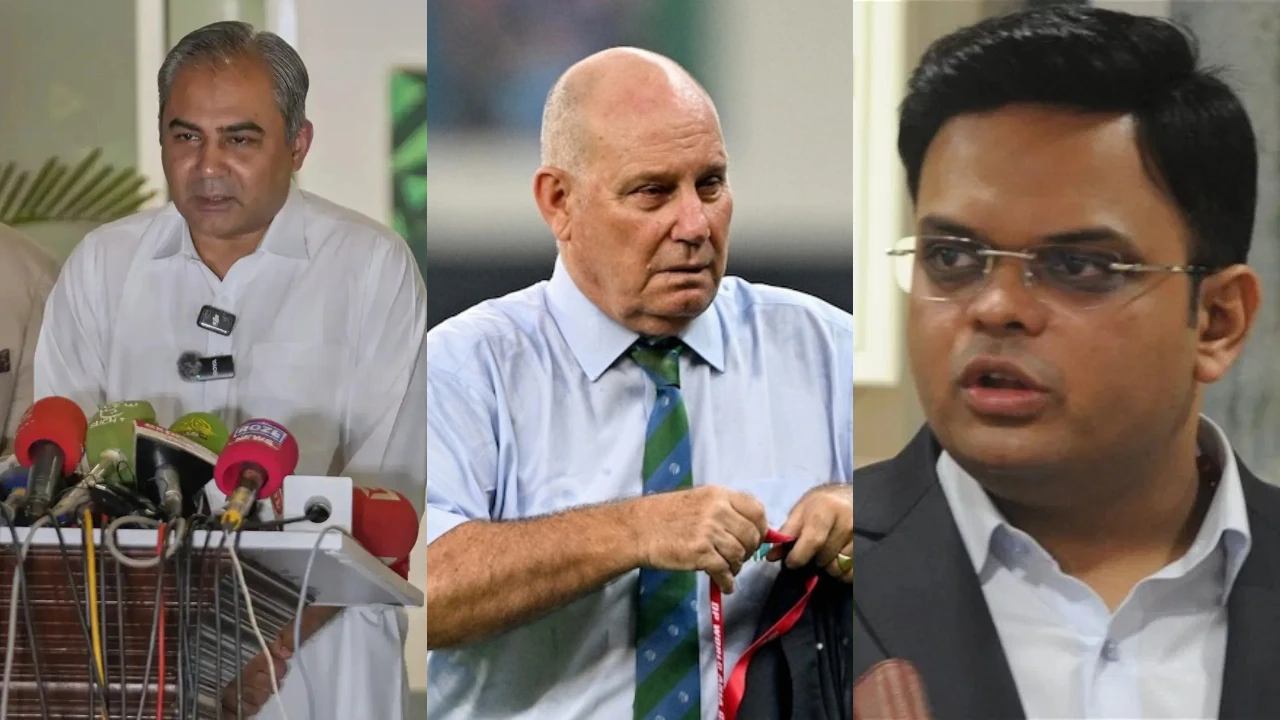
Pakistan Cricket Board Raises Controversy Over No-Handshake Incident During Asia Cup 2025
Pakistan Cricket Board’s Allegations Against ICC and Match Referee
The Asia Cup 2025 match between arch-rivals India and Pakistan may have ended on September 14, but the off-field drama surrounding the tournament continues to escalate. What initially seemed like a simple gesture during the toss, where Indian captain Suryakumar Yadav and Pakistani captain Salman Ali Agha did not shake hands, has now turned into a full-blown controversy with the Pakistan Cricket Board (PCB) at the forefront.
Following the match, the PCB raised concerns with the International Cricket Council (ICC) regarding the alleged violation of the Code of Conduct. They specifically targeted the match referee, Andy Pycroft, accusing him of instructing Salman Ali Agha not to shake hands with Suryakumar Yadav during the toss.
Upon receiving the PCB’s complaint, the ICC conducted an internal review and defended Pycroft’s actions, stating that he was following instructions from the Asian Cricket Council (ACC), which is headed by PCB president Mohsin Naqvi. The ICC further clarified that Pycroft ensured a smooth handling of the situation to avoid any awkward moments on live television.
ICC Stands Firm Against PCB’s Demands
Unsatisfied with the ICC’s response, the PCB escalated the matter by demanding Pycroft’s removal from officiating Pakistan’s matches in the Asia Cup. They even went as far as threatening to withdraw from the tournament if their demands were not met. However, the ICC remained steadfast in its decision, citing that Pycroft had not violated any rules and that officials cannot be changed based on one team’s dissatisfaction.
Despite the ICC’s stance, the PCB continued to press their allegations against Pycroft. They claimed that violations occurred not only during the toss but also during and after the match between India and Pakistan. The ICC, in response, requested the PCB to provide concrete evidence to support their claims, but the board has yet to provide any substantial proof.
ICC CEO Sanjog Gupta Upholds Integrity of Officiating Rules
Amidst the escalating tensions, just before Pakistan’s match against the UAE, the PCB made a last-minute decision to halt the team from boarding the bus to the stadium. This led to lengthy discussions between the PCB, ICC, and ACC, ultimately resulting in a delay of the match by nearly an hour.
During the discussions, ICC’s new CEO, Sanjog Gupta, reiterated the organization’s commitment to upholding the integrity of officiating rules. He made it clear that without proper evidence, there was no basis to remove Pycroft as the match referee. Despite the PCB’s efforts to sway the decision in their favor, the ICC stood its ground and ensured that the rules were not compromised under pressure.
In conclusion, the controversy surrounding the no-handshake incident during the Asia Cup 2025 continues to unfold, with the PCB and ICC locked in a battle of allegations and demands. The integrity of the game remains a top priority as the tournament progresses.
Impact on India-Pakistan Cricket Relations
The ongoing controversy between the PCB and the ICC not only affects the Asia Cup 2025 but also has wider implications on the bilateral cricketing relations between India and Pakistan. The historic rivalry between the two nations on the cricket field has often been marred by political tensions, and any off-field incidents only serve to intensify the animosity.
With the no-handshake incident gaining significant media attention and sparking debates across the cricketing world, the perception of sportsmanship and fair play in matches between India and Pakistan is under scrutiny. The controversy has reignited discussions about the need for diplomacy and respect on and off the field, especially in high-stakes encounters like the Asia Cup.
Future Predictions for Cricketing Events
As the Asia Cup 2025 drama unfolds, cricket fans and analysts are left wondering about the potential impact of such controversies on future cricketing events. It raises questions about the role of match officials, the enforcement of codes of conduct, and the responsibilities of cricket boards in maintaining the spirit of the game.
Will incidents like the no-handshake controversy influence how captains interact during tosses in future matches? How will governing bodies like the ICC adapt their protocols to prevent similar conflicts from escalating? These are essential considerations that may shape the landscape of international cricketing events in the years to come.
Transparency and Accountability in Cricket Governance
The PCB’s allegations against the ICC and match referee Pycroft highlight the importance of transparency and accountability in cricket governance. With stakeholders from multiple cricketing nations involved, the need for clear communication, evidence-based decisions, and adherence to established rules becomes paramount.
Moving forward, cricket boards, match officials, and governing bodies must prioritize open dialogue, fair investigations, and consistent enforcement of regulations to maintain the integrity of the sport. This incident serves as a reminder of the complexities involved in managing international cricket tournaments and the necessity for all parties to uphold ethical standards.
Lessons Learned from the Asia Cup 2025 Controversy
Amidst the turmoil surrounding the Asia Cup 2025, there are valuable lessons to be learned for all stakeholders in the world of cricket. The need for clear communication, respect for officials’ decisions, and evidence-based claims should be at the forefront of every cricketing event.
Cricket boards must prioritize sportsmanship and diplomacy to ensure that the spirit of the game is upheld, even in the face of intense rivalries. Match officials play a crucial role in maintaining order and fairness, and their decisions should be respected by all parties involved. By reflecting on the events of the Asia Cup 2025, the cricketing community can strive for a more harmonious and respectful environment in future tournaments.
Conclusion
In conclusion, the no-handshake controversy during the Asia Cup 2025 has sparked a contentious debate within the cricketing world, raising questions about sportsmanship, governance, and the future of international cricket events. As the PCB and ICC navigate through conflicting allegations and demands, the integrity of the game remains a focal point for all stakeholders involved.
By addressing the underlying issues, promoting transparency, and upholding ethical standards, the cricketing community can emerge from this controversy with valuable insights and a renewed commitment to fair play. As the Asia Cup progresses, the lessons learned from this incident can shape the future of cricketing events and pave the way for a more unified and respectful sports environment.
Latest News
“Only God can save them”: SRH’s bowling attack slammed as “fake” and “terrible” after RCB thrashing
“I find him quite bizarre”: Ravichandran Ashwin’s no-nonsense verdict on Virat Kohli
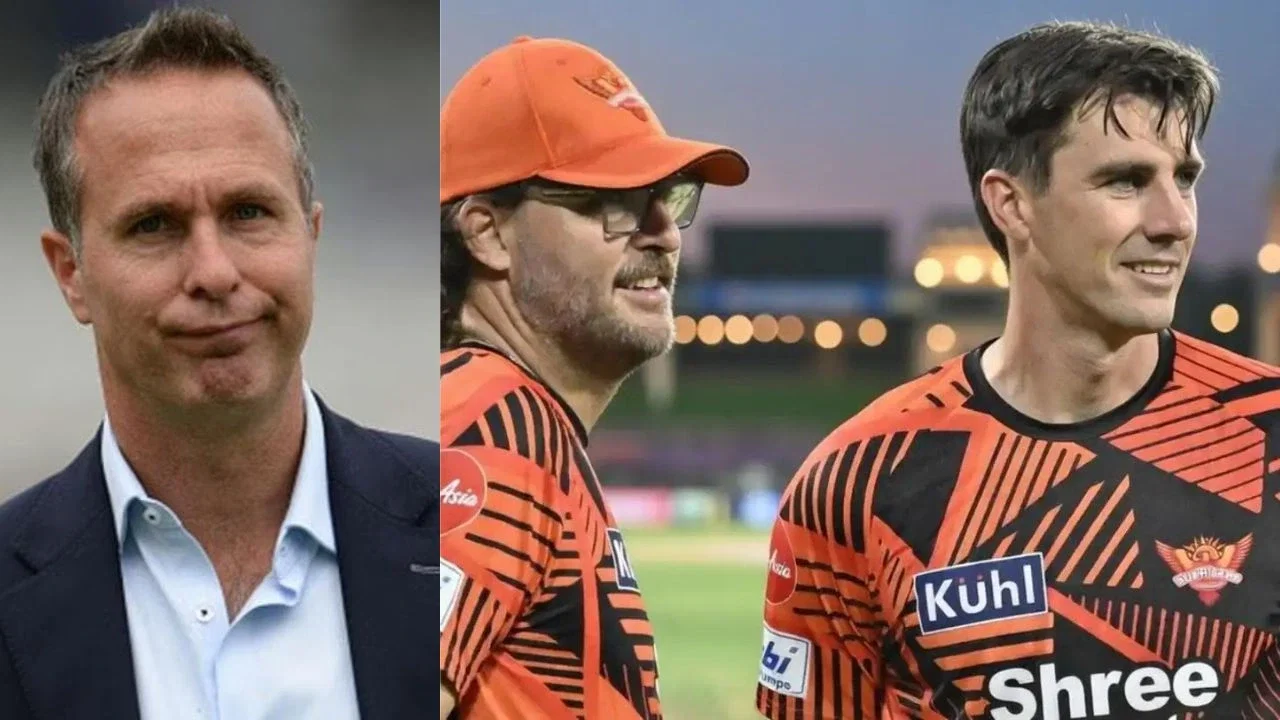
Michael Vaughan makes a bold declaration on IPL 2026, hands SRH no chance for the playoffs
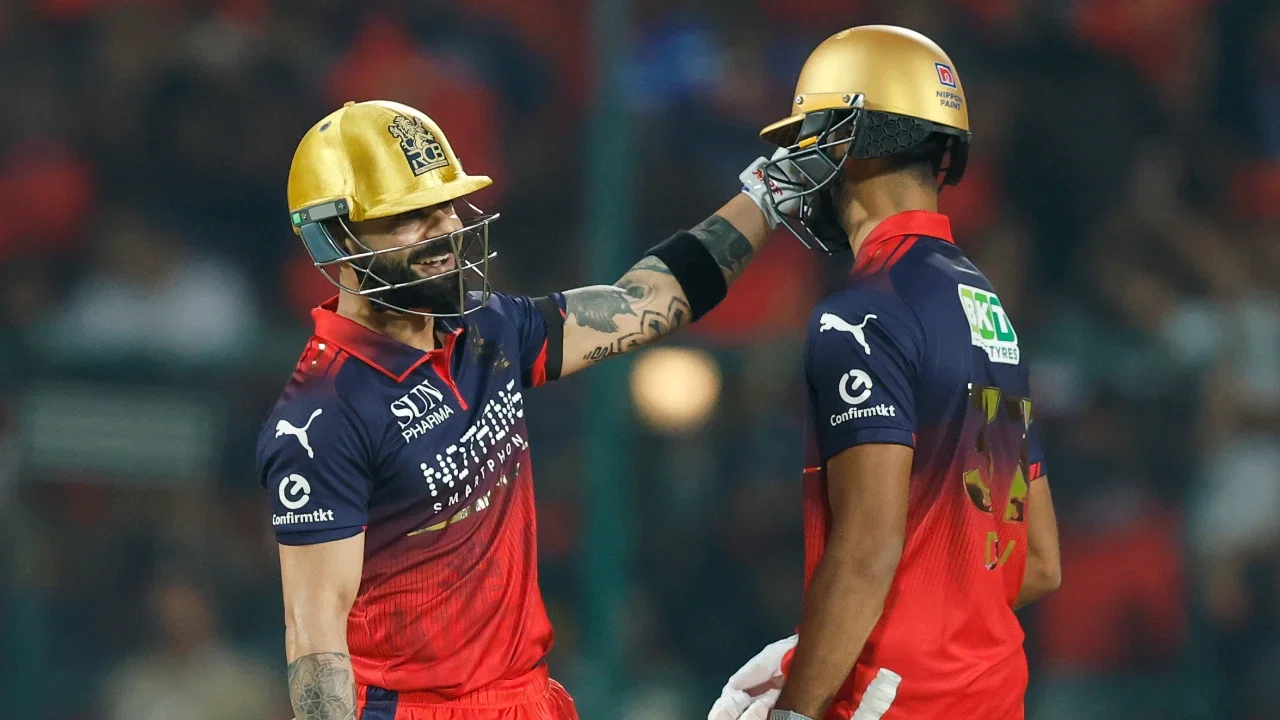
‘Virat Kohli made my job easier’: Devdutt Padikkal bows down to King after heroics vs SRH

“We dedicate this win to 11 fans”: RCB captain Rajat Patidar pays tribute to stampede victims
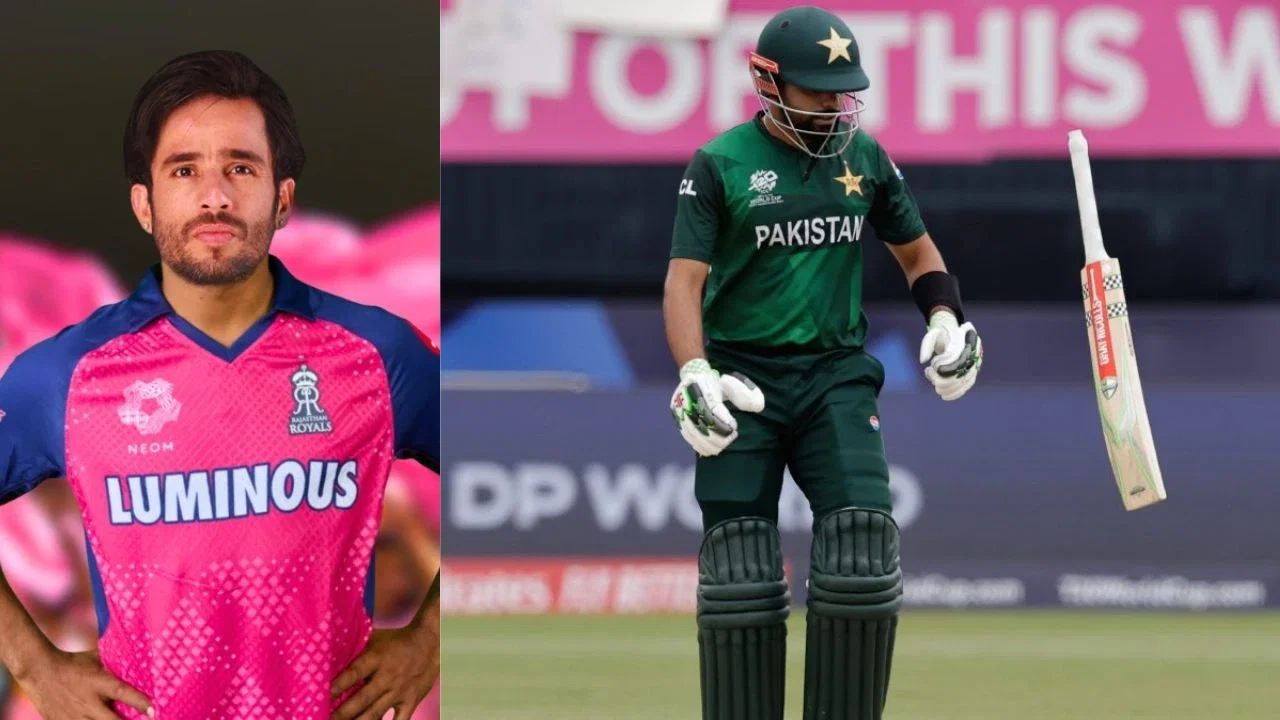
Ravi Bishnoi trolls Babar Azam from the Rajasthan Royals training camp
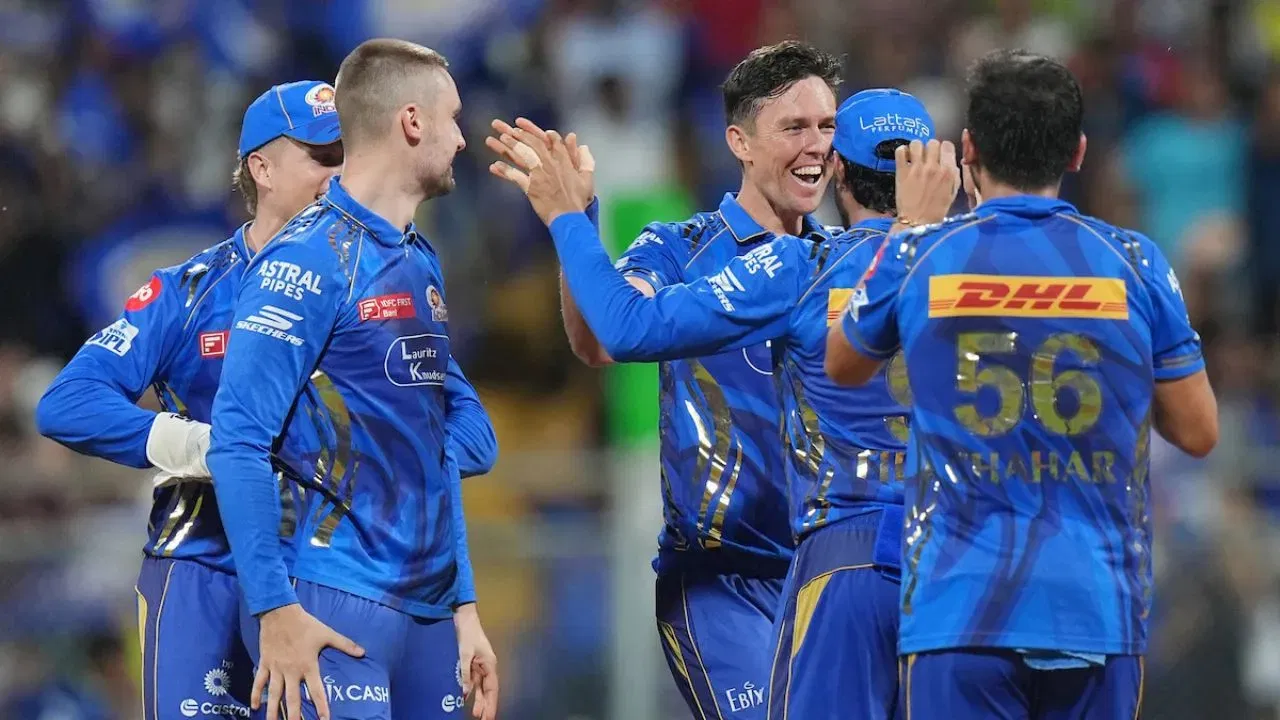
Mumbai Indians on the verge of history ahead of IPL 2026 clash against KKR
Jofra Archer imitates Ravindra Jadeja’s bowling action in nets amid IPL 2026 (Watch video)
‘Tommy, Ek ko papa chun le’: Harbhajan Singh delivers abusive responses to commentary critics
Huge blow for CSK! MS Dhoni likely out for six matches in IPL 2026
Rohit Sharma to wreak havoc at Wankhede! Ex-BCCI selector’s massive warning for KKR bowlers
‘Shreyas Iyer is one of the strongest captains in IPL’ – Australia star in awe of PBKS skipper
Shubman Gill out? Virat Kohli’s Test comeback as captain suggested by CSK legend
Jason Gillespie gives major update on Glenn Maxwell’s availability for PSL 2026