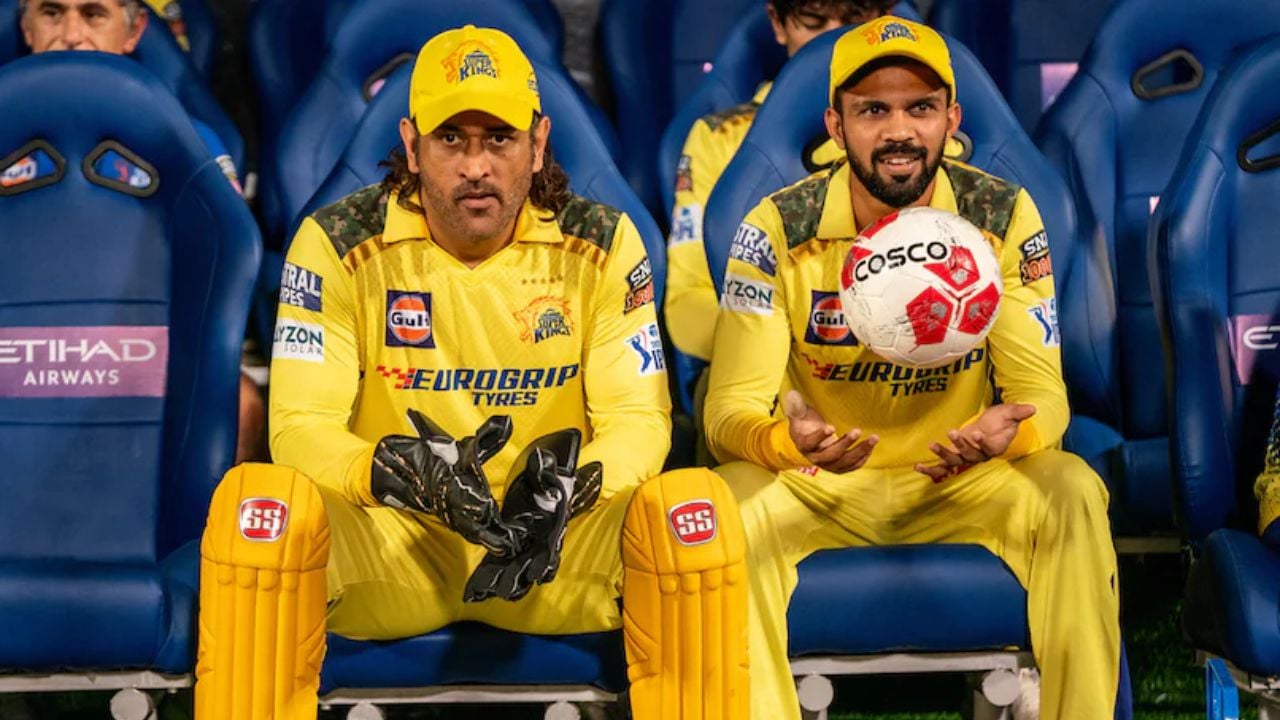
Breaking: Bangladesh officially boycott ICC T20 World Cup 2026 – Pakistan next?
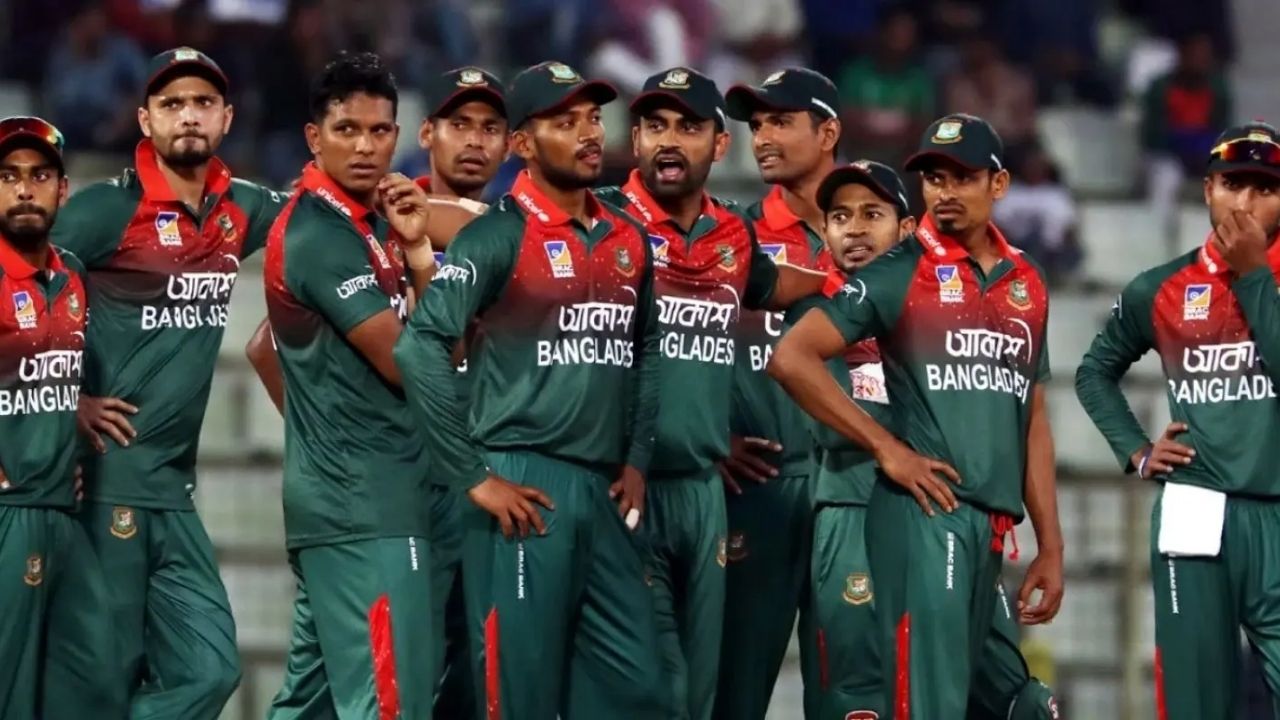
Bangladesh Officially Announces Boycott of ICC Men’s T20 World Cup 2026
Bangladesh Takes a Stand Against BCCI: The Beginning of a Feud
Bangladesh has made headlines by officially declaring that they will be boycotting the ICC Men’s T20 World Cup 2026, co-hosted by India and Sri Lanka. This decision comes on the heels of escalating tensions between the Bangladesh Cricket Board and the Board of Control for Cricket in India (BCCI). The feud began when Mustafizur Rahman was excluded from the IPL, sparking anti-Bangladesh sentiments in the country.
The BCB vs BCCI issue quickly snowballed as Bangladesh threatened to withdraw from the tournament unless their demands were met. Their primary demand was to avoid playing in India due to security concerns, despite the ICC’s reassurances. The ICC rejected Bangladesh’s request to change venues, leading to a standoff between the two parties.
Bangladesh Government Takes a Firm Stand
After discussions with the national team players and the BCB, the Bangladesh government has firmly announced their decision to boycott the T20 World Cup. Sports Advisor Asif Nazrul emphasized the importance of player security, stating, “We cannot compromise on our players’ safety.” The BCB President echoed this sentiment, expressing disappointment in the ICC’s handling of the situation.
He emphasized, “We want to participate in the World Cup, but not in India. We will continue to engage with the ICC to find a resolution, but our stance is clear.” The government’s official announcement has sent shockwaves through the cricketing world, with many waiting to see the repercussions of this bold move.
Pakistan’s Stance and the Potential Wildcard Entry
The Pakistan Cricket Board (PCB) has stood in solidarity with Bangladesh, threatening to boycott the T20 World Cup if their demands are not met. With Bangladesh officially withdrawing, all eyes are now on Pakistan to see how they will respond. The ICC’s refusal to accommodate the BCB’s requests has left both boards frustrated, prompting Bangladesh’s boycott announcement.
As discussions continue between the BCB and the ICC, the possibility of a wildcard entry for another team looms. Scotland, the highest-ranked unqualified team, could potentially replace Bangladesh in the tournament. However, the ICC has not made any formal approach to Scotland yet. The fate of the tournament remains uncertain as negotiations persist.
Overall, Bangladesh’s boycott of the ICC Men’s T20 World Cup 2026 marks a significant moment in cricket history. The repercussions of this decision and the potential involvement of other teams will shape the future of the tournament. Stay tuned for more updates as the situation unfolds.
The Impact of Bangladesh’s Boycott on International Cricket Relations
Bangladesh’s decision to boycott the ICC Men’s T20 World Cup 2026 has not only created ripples within the cricketing community but also raised concerns about the state of international cricket relations. The rift between the BCB and the BCCI sheds light on the power dynamics and tensions that exist between cricket boards of different countries.
By taking a stand against the BCCI, Bangladesh has set a precedent for other boards to prioritize player safety and security over financial considerations. This move underscores the importance of mutual respect and cooperation between cricketing nations, highlighting the need for transparent communication and understanding.
The Role of Player Welfare in International Cricket
Player welfare has emerged as a central theme in the controversy surrounding Bangladesh’s boycott. The BCB’s decision to prioritize the safety of their players reflects a growing awareness of the physical and mental well-being of athletes in high-pressure environments. As cricket continues to evolve, the focus on player welfare is likely to become a key factor in decision-making processes for cricket boards worldwide.
Furthermore, the solidarity shown by the PCB in supporting Bangladesh’s stance underscores the unity and camaraderie that exist among cricket-playing nations. This episode serves as a reminder of the bonds that connect teams and players across borders, transcending political and economic considerations.
The Future of the ICC Men’s T20 World Cup 2026
With Bangladesh’s official boycott and the uncertainty surrounding Pakistan’s stance, the landscape of the ICC Men’s T20 World Cup 2026 remains in flux. The potential wildcard entry for another team introduces an element of unpredictability to the tournament, opening up opportunities for underrepresented cricketing nations to showcase their talent on a global stage.
As negotiations between the BCB, PCB, and the ICC continue, the outcome of these discussions will not only shape the future of the T20 World Cup but also influence the broader trajectory of international cricket. The resolution of this conflict has the potential to set a new precedent for how cricket boards interact and collaborate in the face of challenges and disagreements.
The Global Impact of Bangladesh’s Stand
Bangladesh’s bold decision to boycott the T20 World Cup has reverberated beyond the realm of cricket, drawing attention to issues of sovereignty, security, and diplomacy in the world of sports. The country’s firm stance against playing in India underscores the complexities of hosting international sporting events in politically charged environments.
As the cricketing world watches closely to see how this situation unfolds, the implications of Bangladesh’s boycott extend far beyond the boundaries of the sport. The outcome of this conflict will not only shape the future of cricket tournaments but also influence how nations navigate sensitive political and security considerations in the realm of international sports.
In conclusion, Bangladesh’s boycott of the ICC Men’s T20 World Cup 2026 represents a pivotal moment in cricket history, highlighting the intersection of sports, politics, and diplomacy. The resolution of this conflict will have far-reaching consequences for the sport and set a precedent for how cricket boards address issues of player welfare, security, and international cooperation in the future.
Latest News
SRH fans to boycott IPL? Former India cricketer shares insights on social media drama around Abrar Ahmed
“Explore this opportunity”: Ruturaj Gaikwad shares inside story of convincing Sanju Samson to join CSK
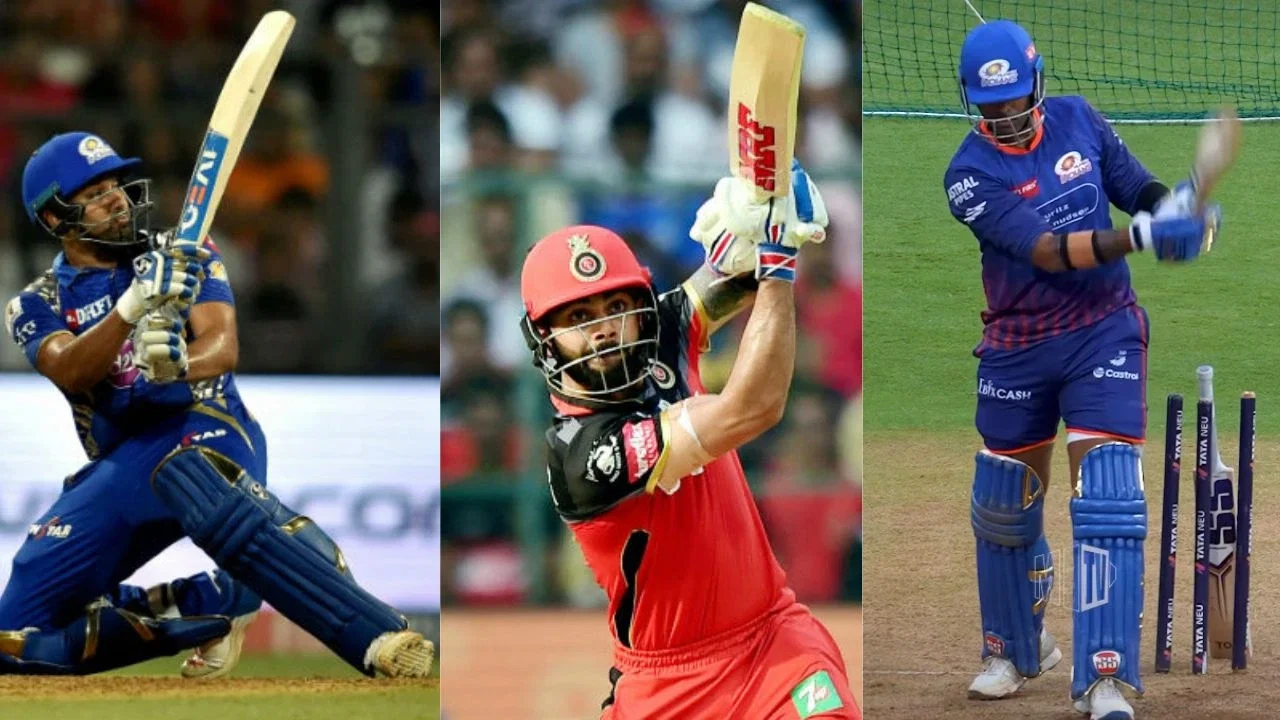
KKR pacer snubs Rohit Sharma, Virat Kohli, picks MI star as most difficult batter he’s bowled to
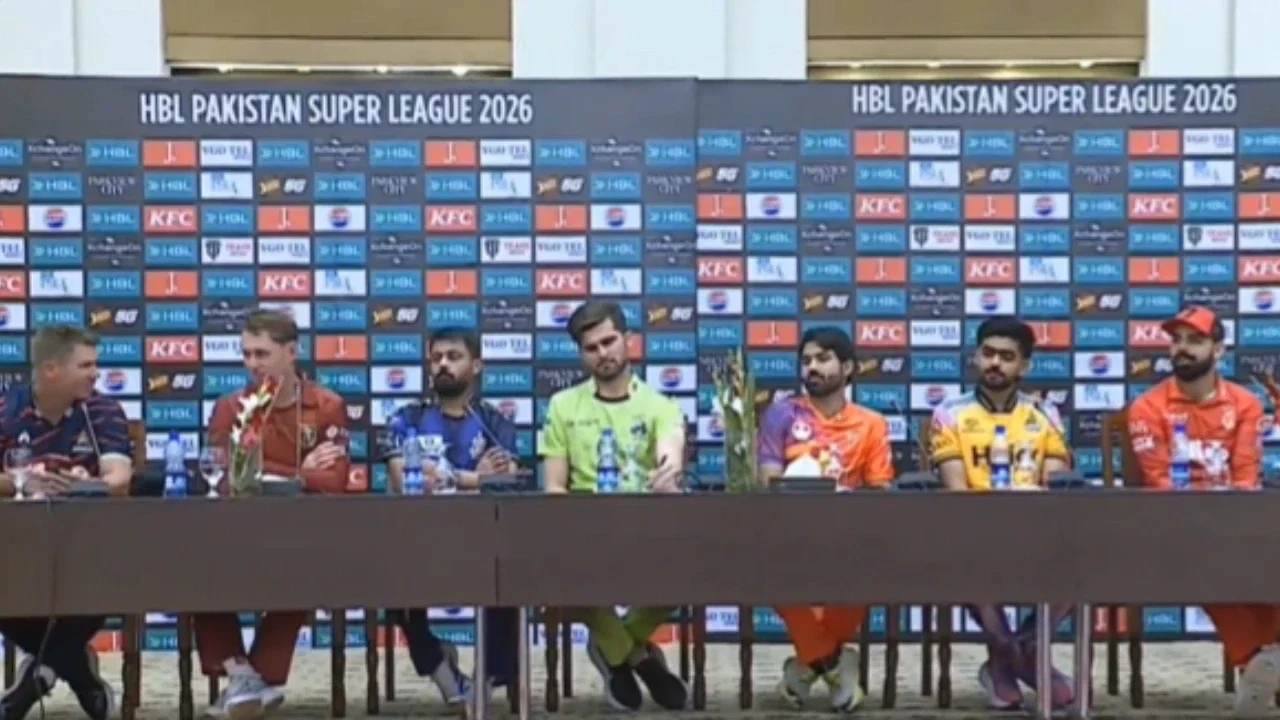
PSL drama erupts! Pakistan great blasted for “lack of manners” after embarrassing ex-England star
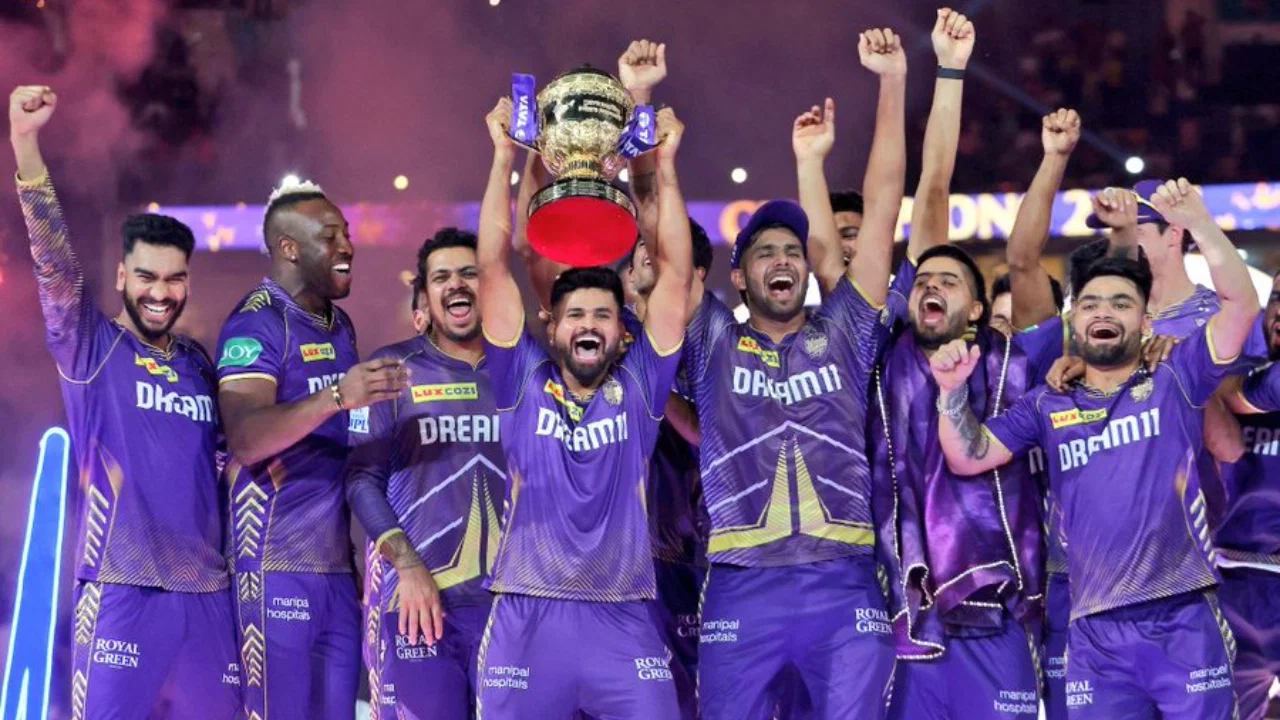
“2024 mein woh underrated the” – Vaibhav Arora on Shreyas Iyer not getting credit for KKR title win
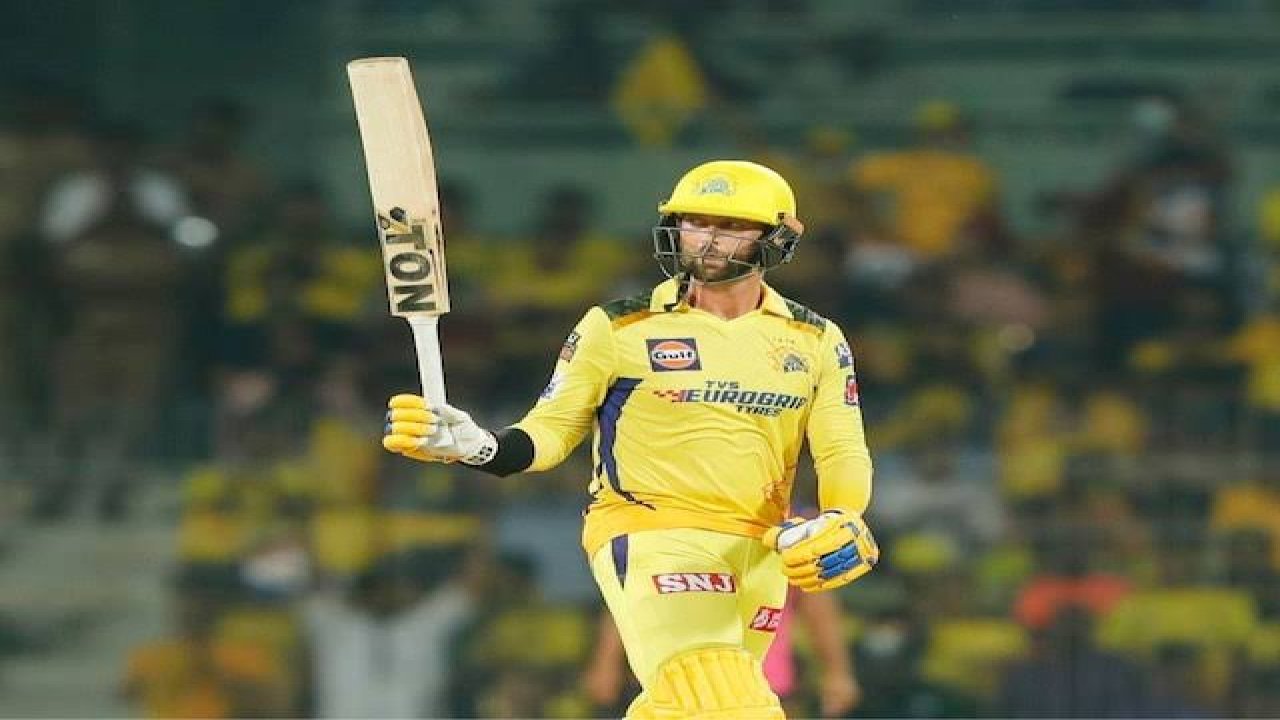
Devon Conway settles IPL vs PSL debate once and for all
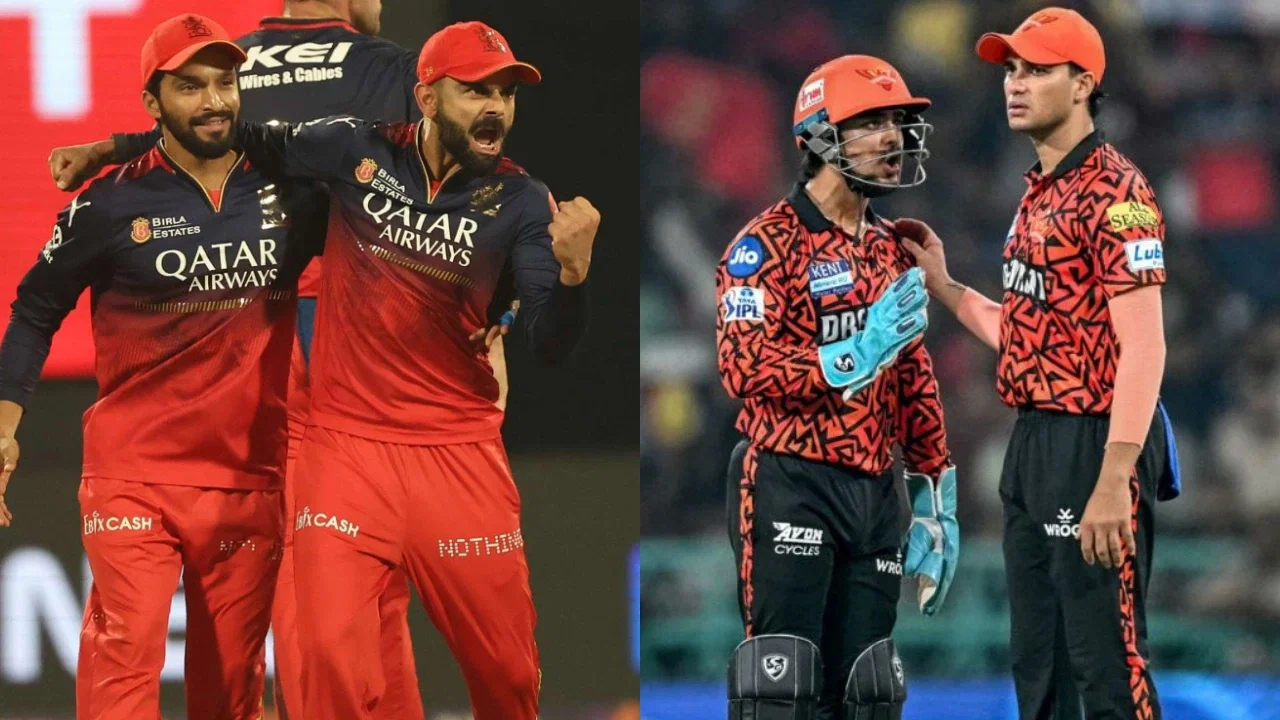
Ex-CSK star’s shocking claim on RCB vs SRH match ahead of IPL 2026
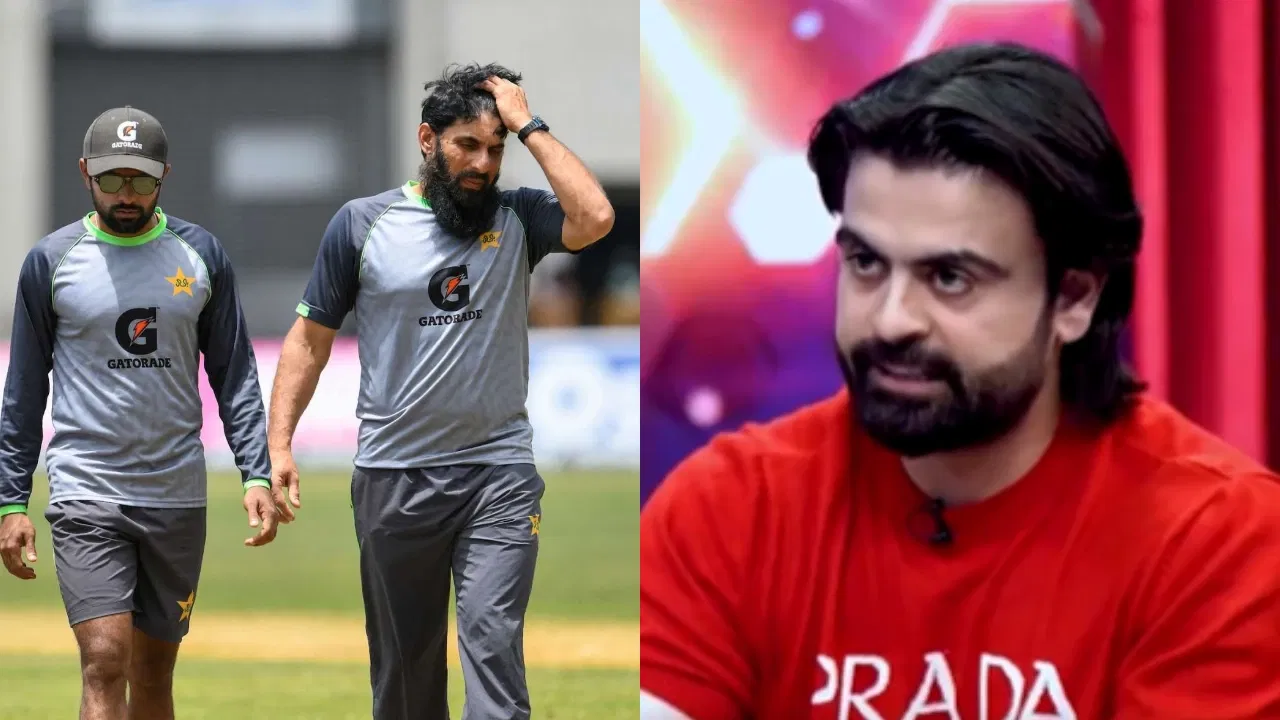
Misbah-ul-Haq takes legal action against Ahmed Shehzad over defamation claims
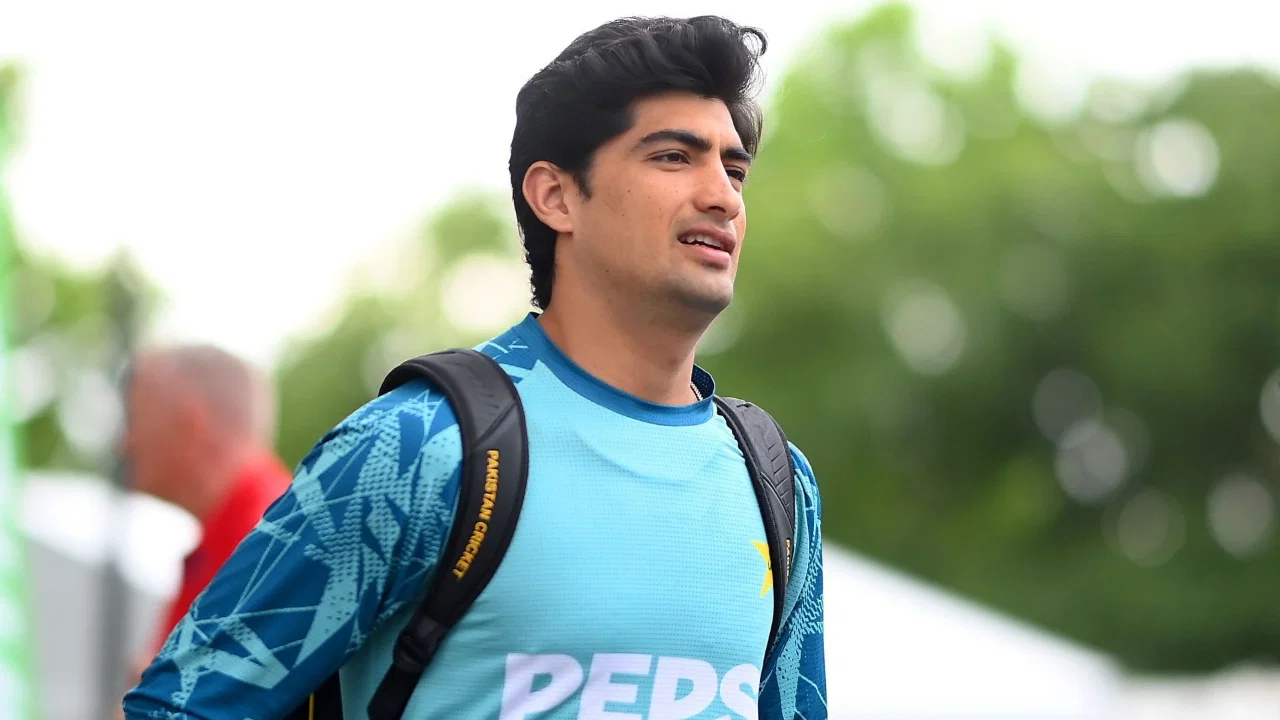
Naseem Shah charged with central contract violation during PSL 2026
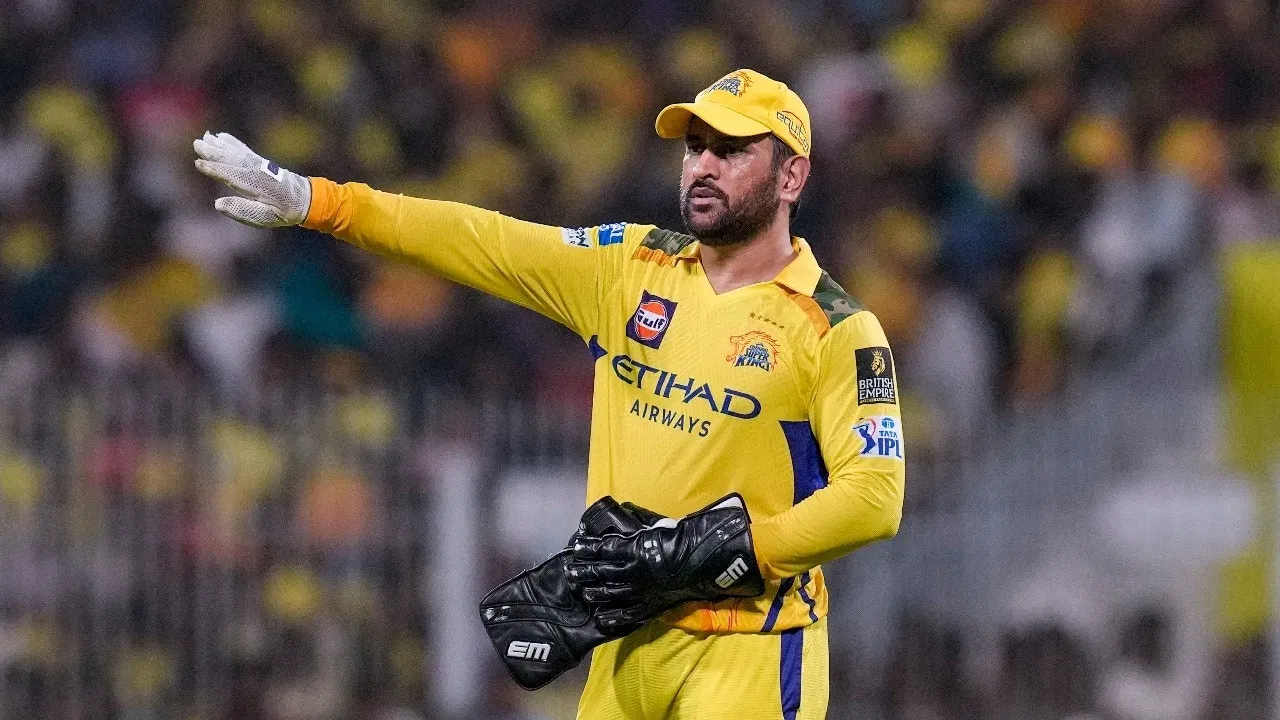
MS Dhoni out of IPL 2026, has not recovered from calf strain
Jasprit Bumrah set to lead MI attack in blockbuster IPL 2026 clash vs KKR
Mitchell Starc to miss IPL 2026, wife Alyssa Healy drops massive update on injury
Nick Knight rejects PSL to join IPL commentary panel
MS vs ISU Match Prediction, Pitch & Weather Report, Playing XIs, Head-to-Head, Free Live Streaming – PSL 2026 Match 4