Brendon McCullum, Ben Stokes’ sacking process initiated after Ashes 2025-26 defeat
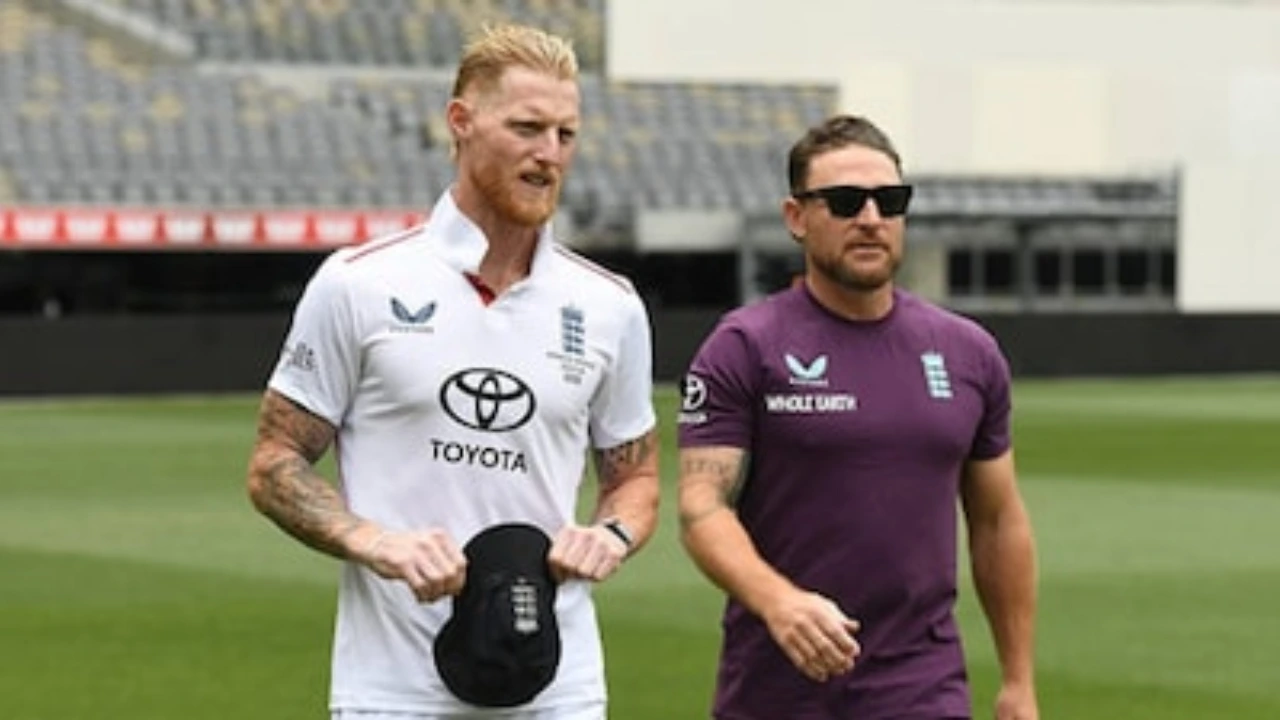
Geoffrey Boycott Criticizes England’s Leadership after Fifth Ashes Loss
After Australia secured their fifth consecutive Ashes urn victory on Sunday (December 21) in Adelaide, England cricket legend Geoffrey Boycott took aim at head coach Brendon McCullum and captain Ben Stokes for their team’s poor performance. Australia dominated England in the third Test at the Adelaide Oval, winning by 82 runs and taking a commanding 3-0 lead in the five-match series.
Debate over Bazball Style
Boycott criticized McCullum and Stokes for their introduction of the Bazball style, which emphasizes an ultra-aggressive approach to the game. The former England player believes that this mindset is partly to blame for England’s struggles in the ongoing Ashes series. Initially, Bazball was seen as a positive change for Test cricket, with England playing fearless cricket and achieving impressive results. However, the cracks in this approach have been exposed during the current Ashes series.
Boycott argued that England’s commitment to playing aggressively at all times has led to poor decision-making on the field. He believes that the team’s lack of adaptability and inability to read the game’s situation correctly have been detrimental to their performance in Australia.
Call for Change
In a column for The Telegraph, Boycott expressed the need for McCullum and Stokes to reconsider their approach to the game. He acknowledged the duo’s contributions to English cricket but emphasized that a change in strategy is necessary for the team to succeed in Test cricket. Boycott warned that continuing with the Bazball style could lead to further losses for England.
Boycott specifically questioned Ben Stokes’ suitability as captain, urging him to prioritize the team’s interests over his own attacking instincts. The former player emphasized the importance of accountability and suggested that a new captain may be necessary if Stokes and McCullum are unwilling to adapt their approach.
Looking Ahead
As England prepares for the remaining Ashes Tests in Melbourne and Sydney on December 26 and January 4, respectively, the team faces an uphill battle to salvage their pride Down Under. Boycott’s criticism serves as a wake-up call for the leadership group, urging them to reconsider their tactics and make necessary changes to avoid further disappointment.
Ultimately, Boycott’s words highlight the importance of adaptability and strategic thinking in cricket, emphasizing the need for England to reassess their approach in order to compete effectively against Australia and other top cricketing nations.
The Impact of Geoffrey Boycott’s Criticism
Geoffrey Boycott’s critique of England’s leadership following their fifth Ashes loss has sparked a heated debate within the cricketing community. His analysis of the team’s struggles under the Bazball style has raised important questions about the balance between aggression and strategic play in Test cricket.
Boycott’s comments have shed light on the challenges faced by modern-day captains and coaches in finding the right approach to succeed in the long format of the game. While the Bazball style initially brought success to England, its limitations have been brutally exposed by Australia’s dominant performance in the Ashes series.
One key takeaway from Boycott’s criticism is the importance of adaptability in cricket. While playing aggressive cricket can yield positive results, knowing when to dial back and assess the situation is equally crucial. The ability to read the game and make informed decisions based on the conditions is what separates great teams from the rest.
Lessons for Future Leaders
Boycott’s call for change serves as a valuable lesson for current and aspiring cricket leaders. It highlights the need for captains and coaches to constantly evaluate their strategies and make adjustments as needed. Stubbornly sticking to a particular style of play, even in the face of repeated failures, can be detrimental to a team’s success.
The criticism directed at Ben Stokes in particular underscores the weight of responsibility that comes with leading a cricket team. Stokes, known for his aggressive and fearless approach to the game, must strike a balance between his natural instincts and the demands of captaincy. Learning when to rein in his attacking instincts and when to unleash them is a skill that can define his leadership tenure.
Redefining Success
As England gears up for the remaining Ashes Tests, the team will undoubtedly be under immense pressure to salvage some pride in a series that has slipped away from their grasp. Boycott’s words serve as a reminder that success in cricket is not just about winning matches but also about playing the game in the right spirit and with a strategic mindset.
Regardless of the outcome of the Ashes series, the lessons learned from this experience can shape England’s approach to future contests. By heeding Boycott’s advice and embracing a more balanced and adaptable style of play, England can position themselves for greater success in the years to come.
In conclusion, Geoffrey Boycott’s criticism of England’s leadership in the Ashes series serves as a wake-up call for the team to reassess their tactics and approach to the game. By prioritizing adaptability, strategic thinking, and a balanced approach to cricket, England can strive for excellence on the international stage.
Latest News

Mumbai Indians suffer blow! Mitchell Santner, Will Jacks ruled out of IPL 2026 games
MI vs KKR Match Prediction – Who Will Win Match No.2? | IPL 2026
Mumbai Indians Playing XI vs Kolkata Knight Riders Playing XI- Match No. 2 | IPL 2026
MI vs KKR Match 2 Preview: Free Live Streaming, Pitch & Weather Report, Head-to-Head | IPL 2026
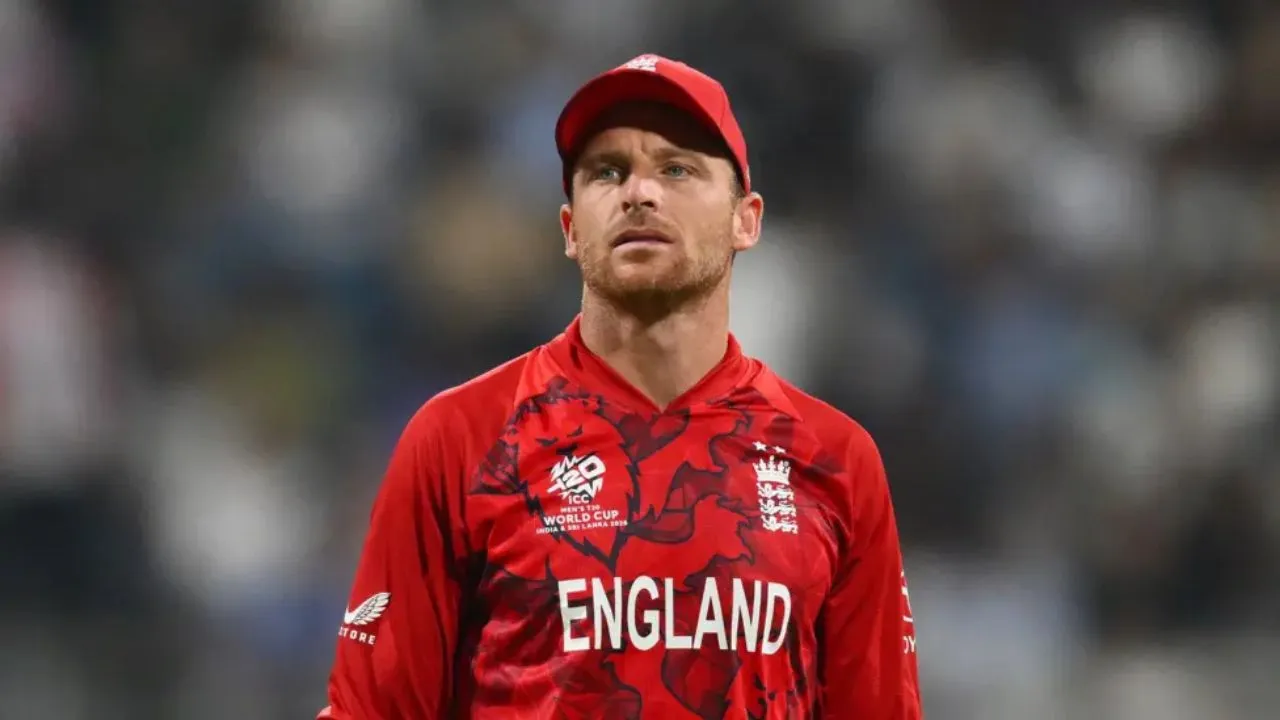
Not English cricket! Jos Buttler credits IPL for his success as a cricketer
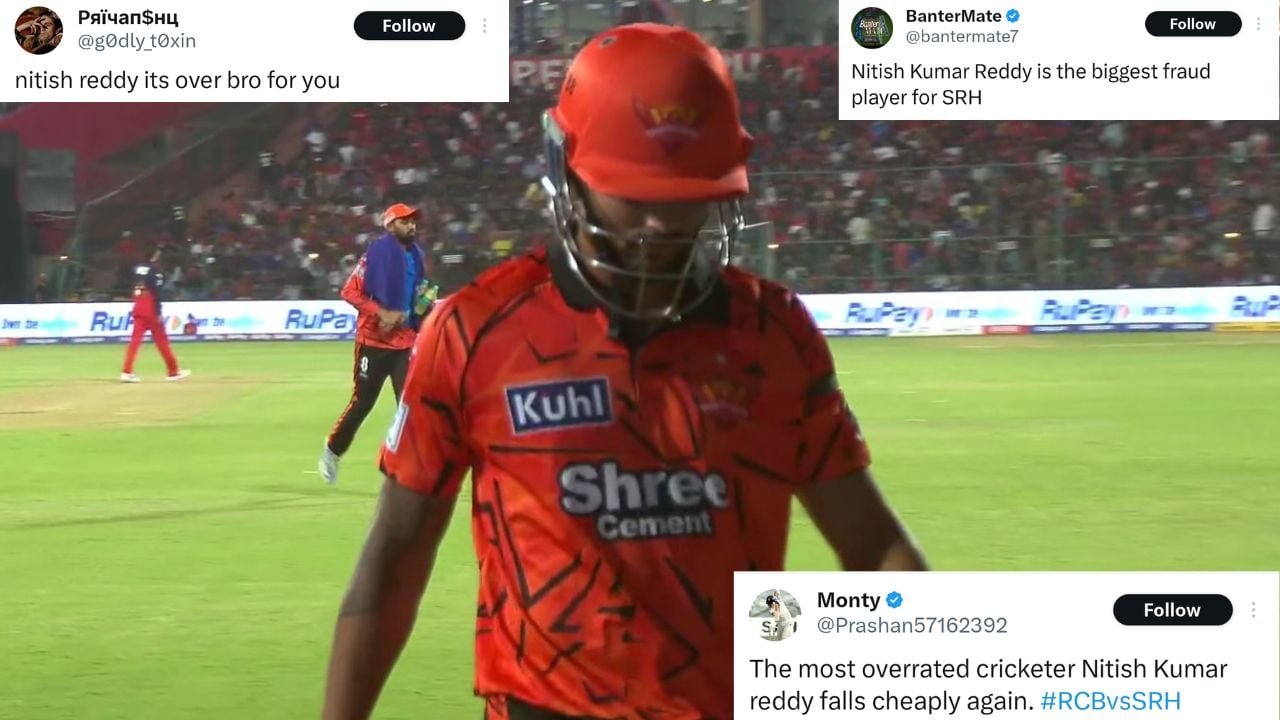
“Nitish Kumar Reddy is biggest fraud”: Fans fume as SRH star fails vs RCB in IPL 2026 opener
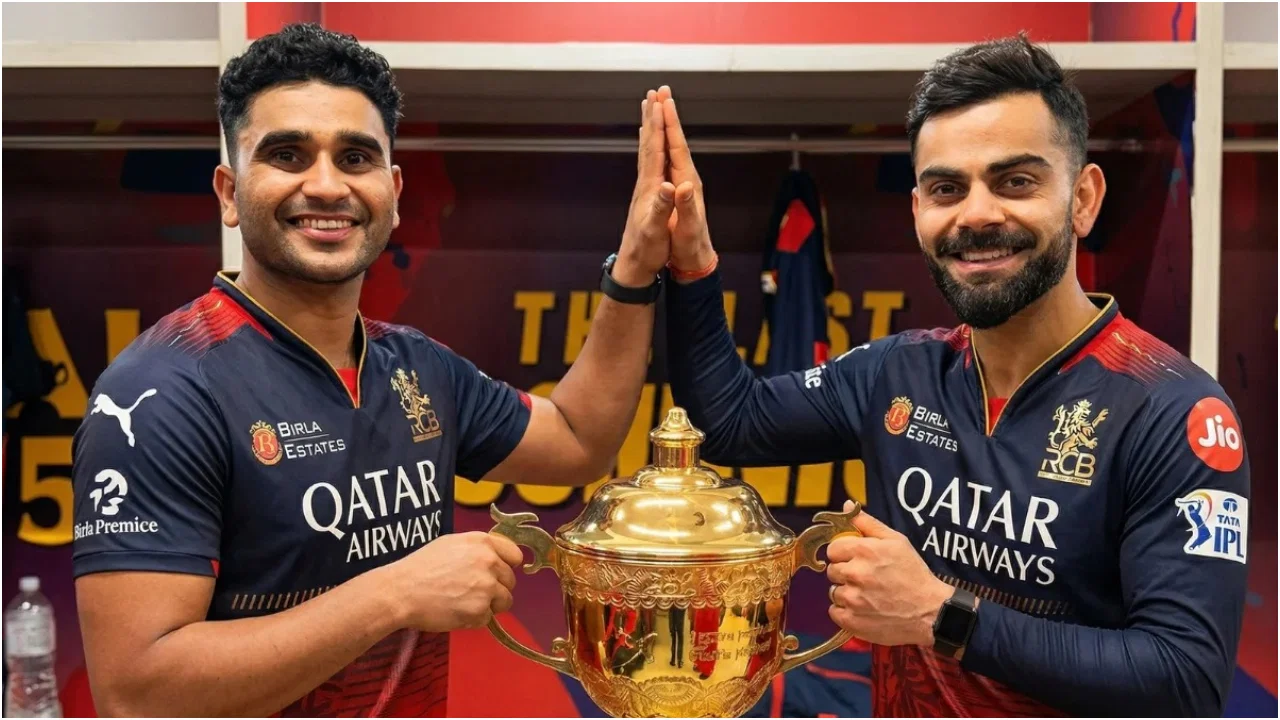
Who is Abhinandan Singh? The Virat Kohli troublemaker who made his IPL debut for RCB vs SRH
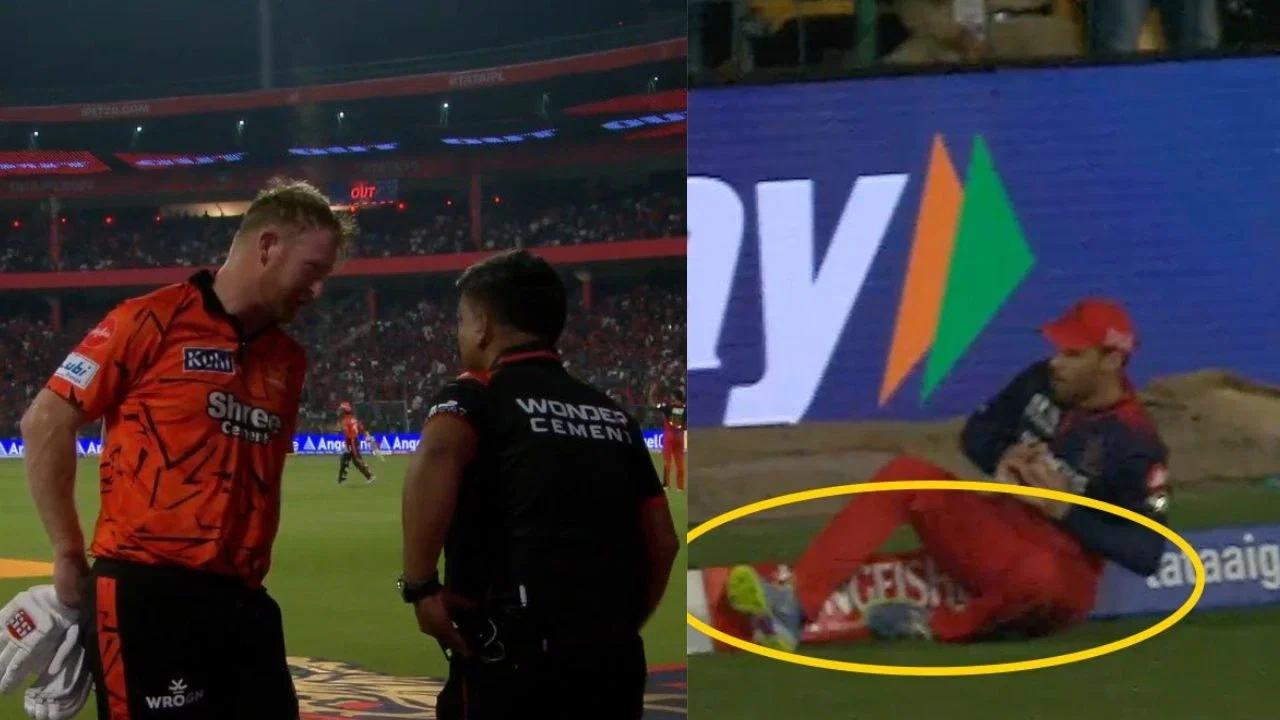
Heinrich Klaasen engages in heated chat with 4th umpire after Phil Salt’s controversial catch in IPL 2026
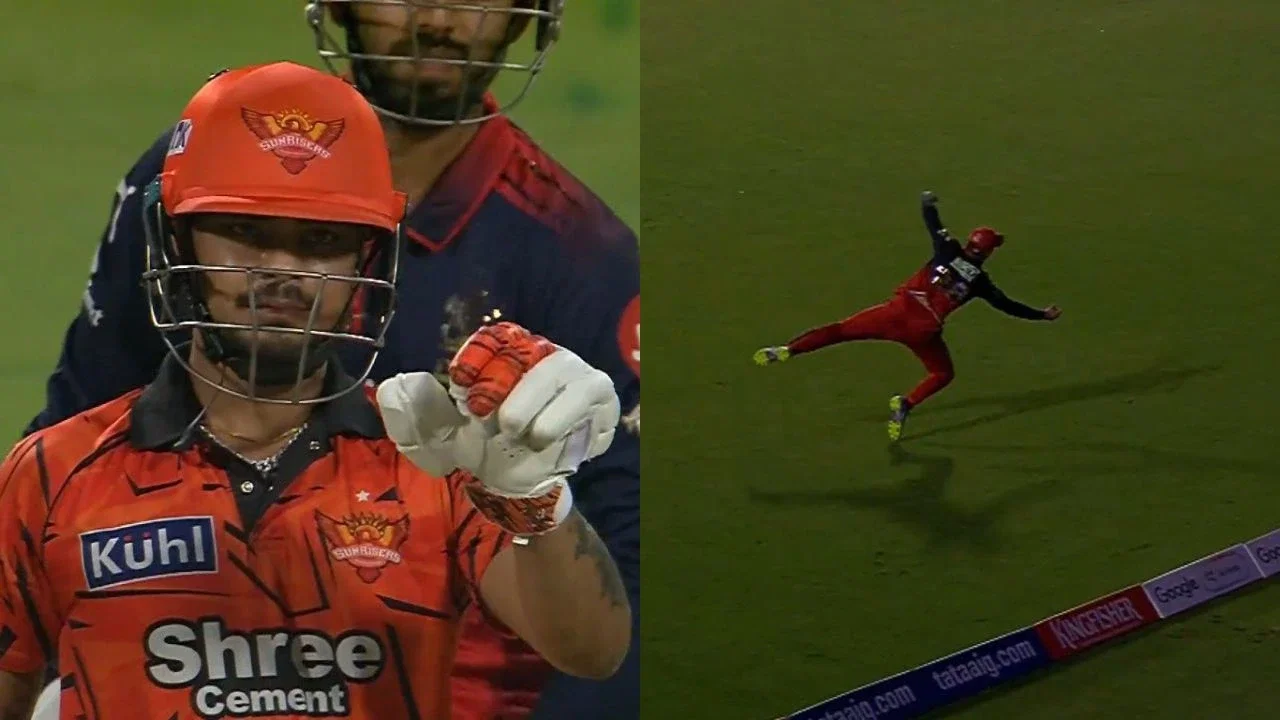
Phil Salt grabs one of the greatest catches in IPL history to dismiss Ishan Kishan
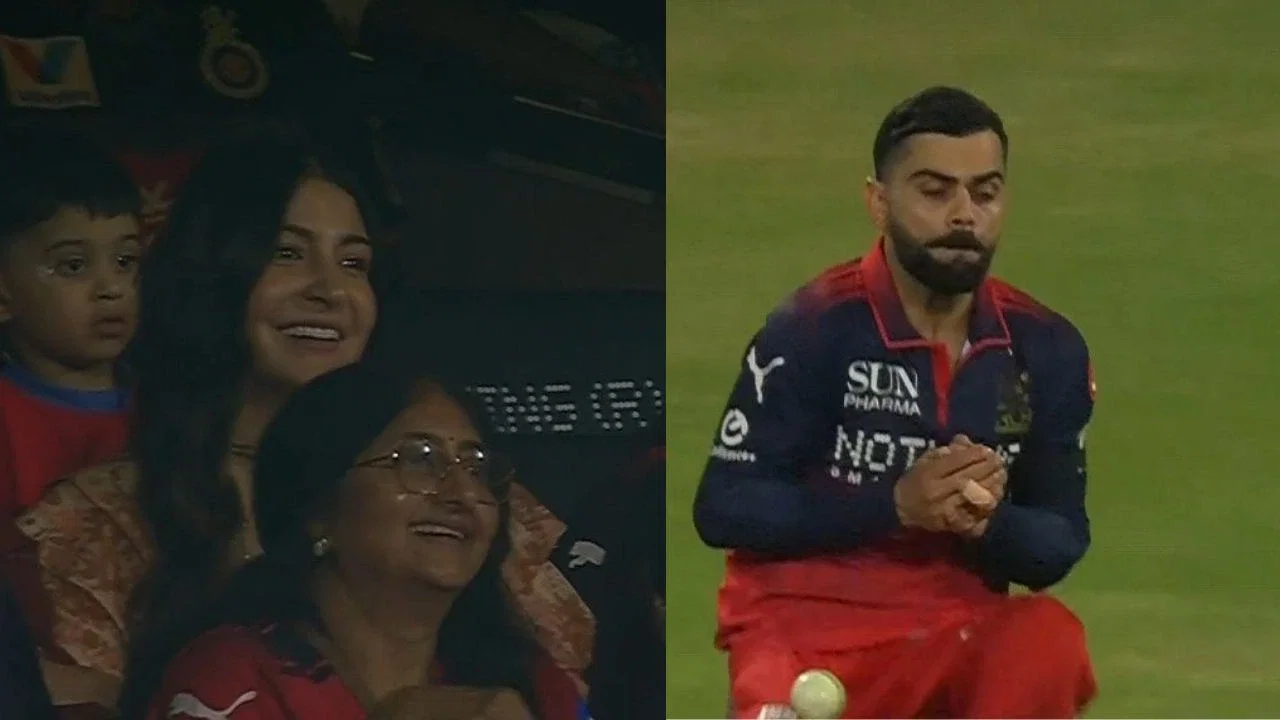
Anushka Sharma laughs as Virat Kohli drops a sitter in RCB vs SRH clash (Watch Video)
Anushka Sharma laughs as Virat Kohli drops a sitter in RCB vs SRH clash (Watch Video)
Anushka Sharma laughs as Virat Kohli drops a sitter in RCB vs SRH clash (Watch Video)
Anushka Sharma laughs as Virat Kohli drops a sitter in RCB vs SRH clash (Watch Video)
Anushka Sharma laughs as Virat Kohli drops a sitter in RCB vs SRH clash (Watch Video)