Charith Asalanka denies failing fitness test; Sri Lanka Cricket backs skipper
Sri Lanka Cricket Implements Strict Fitness Standards for Players
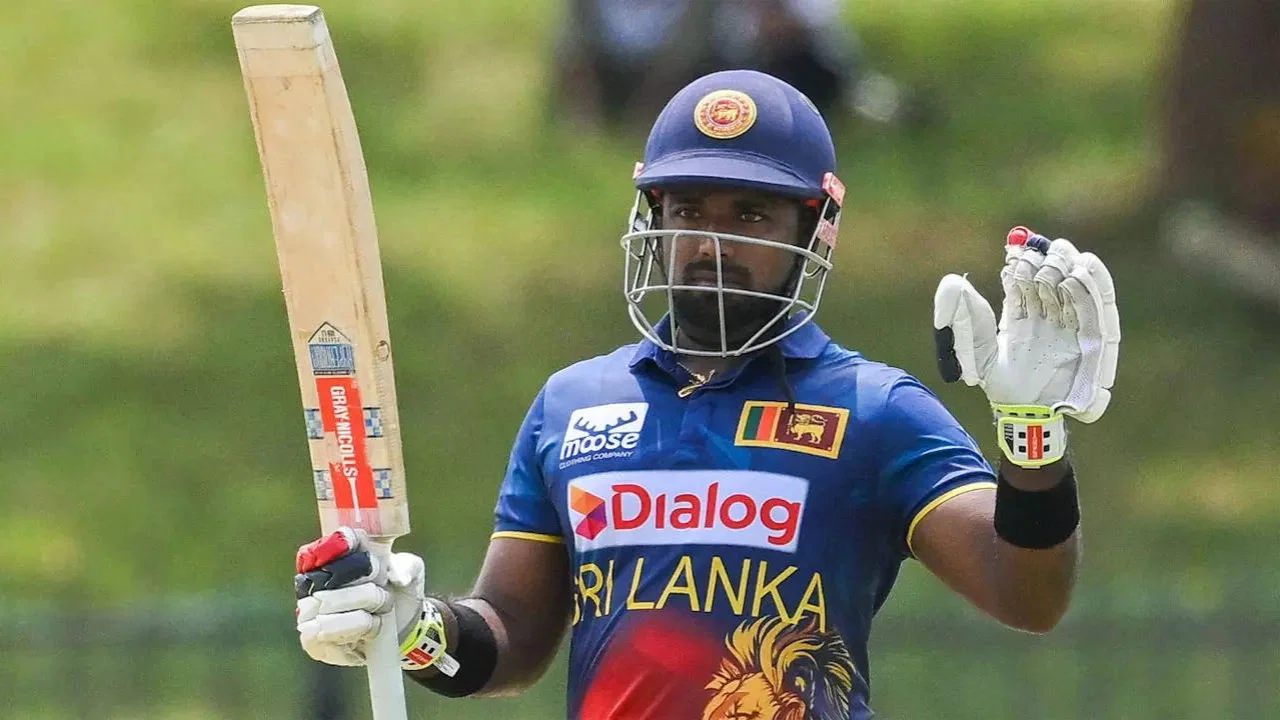
Sri Lanka ODI captain Charith Asalanka recently refuted reports circulating in local media that he had failed a physical fitness assessment. He emphasized the importance of responsible reporting and urged media organizations to verify information before publication.
Local television channels had published a list of players who allegedly did not meet the mandatory physical evaluation standards set by Sri Lanka Cricket. The cricket board recently introduced stringent physical performance criteria that all contracted players must meet to obtain No Objection Certificates for participation in foreign franchise leagues like the IPL and the PSL.
Physical Fitness Evaluations
According to newswire.lk, Charith Asalanka confirmed that he successfully passed all the required physical tests. Sri Lanka Cricket also announced that Asalanka had fulfilled all necessary fitness requirements and received his No Objection Certificate to participate in upcoming franchise leagues this year.
The physical evaluations introduced by Sri Lanka Cricket involve multiple stages to assess the players’ fitness levels. They include skinfold tests to measure body fat percentage, a two-kilometer run to evaluate endurance, a 20-meter sprint, agility drills, and a counter-movement jump to assess overall fitness.
Players’ Performance and Concerns
Previous reports indicated that out of 46 players assessed, only 27 achieved the minimum benchmark set by Sri Lanka Cricket in February. This raised concerns about player conditioning within the national setup and highlighted potential issues in the fitness and conditioning programs managed by the board.
Fast bowler Nuwan Thushara was among the players who did not meet the required standards, while Charith Asalanka and others managed to achieve the necessary fitness points. Maheesh Theekshana notably improved his fitness by losing weight before joining the Pakistan Super League this season.
Impact of T20 World Cup on Fitness Standards
Sri Lanka Cricket’s decision to tighten physical requirements came after injury concerns arose during the T20 World Cup in 2026, which Sri Lanka co-hosted with India. Multiple frontline bowlers suffered injuries during the tournament, leading to the enforcement of higher professional standards by the cricket board.
Players like Dushmantha Chameera, Dasun Shanaka, Pathum Nissanka, and Kamindu Mendis successfully passed their fitness assessments and received No Objection Certificates to participate in the Indian Premier League. However, players like Wanindu Hasaranga and Matheesha Pathirana are still undergoing rehabilitation for injuries and will need to meet the fitness standards before being approved for international franchise opportunities.
Sri Lanka Cricket believes that enforcing strict fitness rules will ensure that players are physically prepared and can perform at their best on the field.
Importance of Physical Fitness in Cricket
Physical fitness is a crucial aspect of cricket as it directly impacts a player’s performance on the field. Being in top physical condition not only enhances a player’s endurance and agility but also reduces the risk of injuries during matches. In a fast-paced game like cricket, where split-second decisions can determine the outcome, having a high level of fitness can make a significant difference.
Players need to possess a combination of strength, speed, flexibility, and cardiovascular endurance to excel in all facets of the game, whether batting, bowling, or fielding. Improving physical fitness can also enhance mental resilience, focus, and overall well-being, contributing to a player’s longevity and success in the sport.
Evolution of Fitness Standards in Cricket
Over the years, cricket has seen a significant shift towards prioritizing physical fitness and conditioning as essential components of player development. Many cricket boards around the world have implemented strict fitness standards to ensure that their players are at the peak of their physical abilities. This trend reflects the increasing professionalization of the sport and the recognition that elite athletes must maintain high fitness levels to compete at the international level.
By setting rigorous physical performance criteria, cricket boards aim to not only improve individual player performance but also elevate the overall standard of the game. Ensuring that players meet specific fitness benchmarks helps create a culture of accountability, discipline, and excellence within the cricketing community.
Future Outlook for Sri Lankan Cricket
As Sri Lanka Cricket continues to enforce stringent fitness standards for its players, the national team is poised to benefit from a fitter and more resilient squad. By emphasizing the importance of physical fitness, the board is sending a clear message that players must prioritize their health and well-being to excel in the sport.
Moving forward, Sri Lankan cricketers will likely undergo regular fitness assessments to monitor their progress and make necessary improvements. This proactive approach to player fitness could translate into improved on-field performance, reduced injury rates, and a more competitive national team in international competitions.
With a renewed focus on physical fitness, Sri Lanka Cricket aims to cultivate a culture of excellence and professionalism that will propel the country’s cricketing endeavors to new heights. By investing in the health and fitness of its players, Sri Lanka is laying the groundwork for sustained success and growth in the sport.
In conclusion, the implementation of strict fitness standards by Sri Lanka Cricket reflects a broader global trend towards prioritizing physical fitness in cricket. By setting high performance expectations and holding players accountable for their fitness levels, cricket boards are elevating the standards of the game and fostering a culture of excellence within the sport.
Latest News
‘Jasprit Bumrah bowling at 130 kmph, he’s not at his best’: Ambati Rayudu’s ruthless verdict
MS Dhoni to become CSK head coach? Zaheer Khan claims Stephen Fleming is ‘really worried’
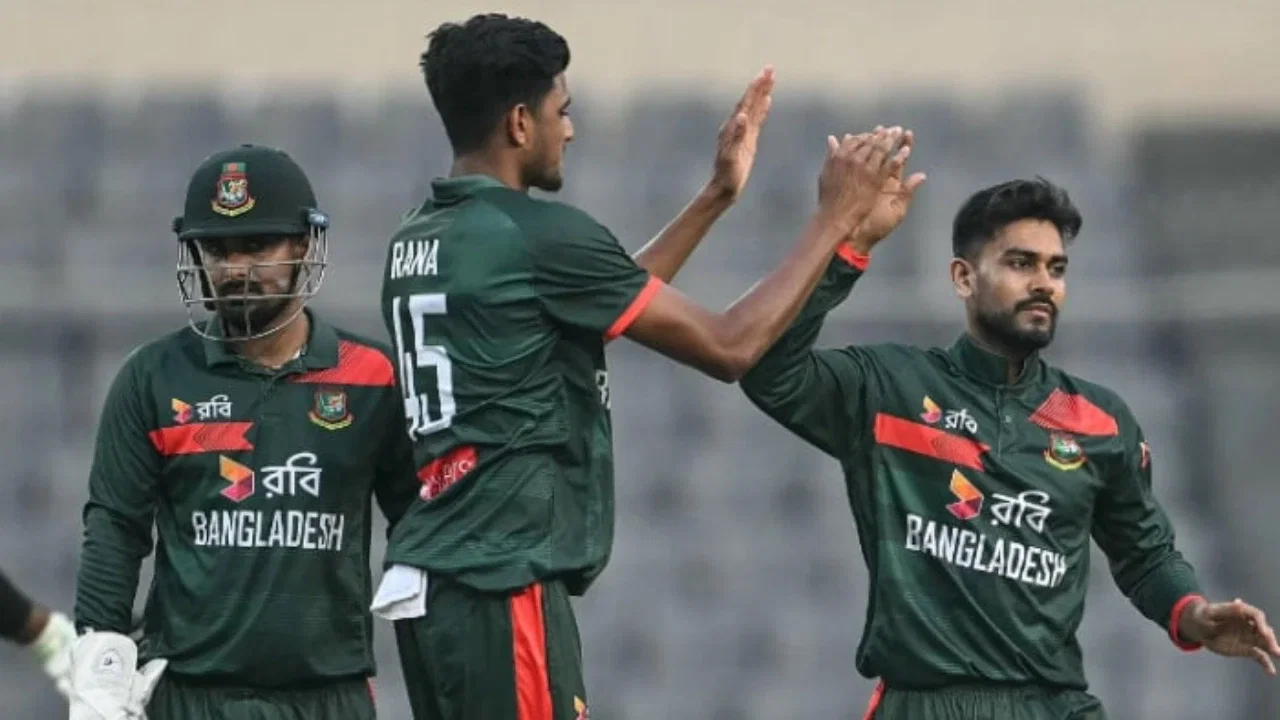
BCB officially announces Bangladesh captains for next ODI and T20 World Cups
Aminul Islam refuses to step aside as 6 BCB Directors submitted resignation
Ali Khan Tareen raises concerns over the PSL model; cites sponsorship decline and unpaid dues
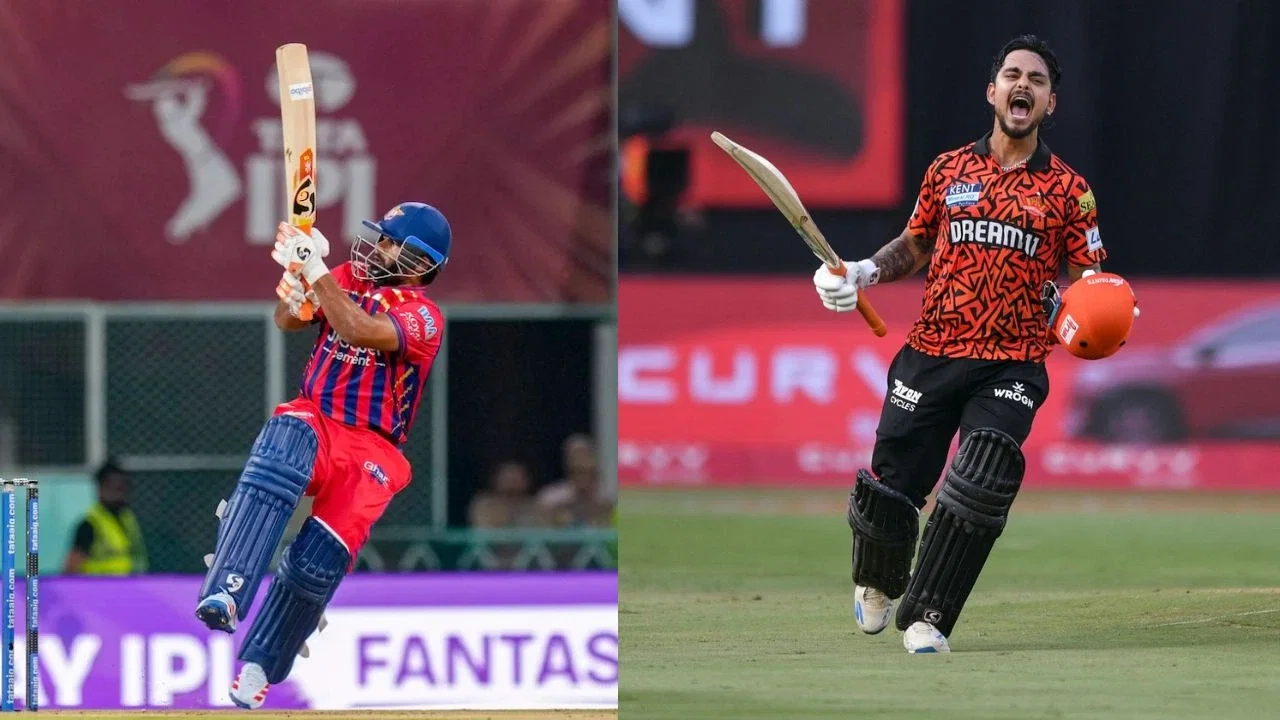
SRH vs LSG Impact Players Today: Toss Report, Playing XIs, Latest Updates IPL 2026 Match 10
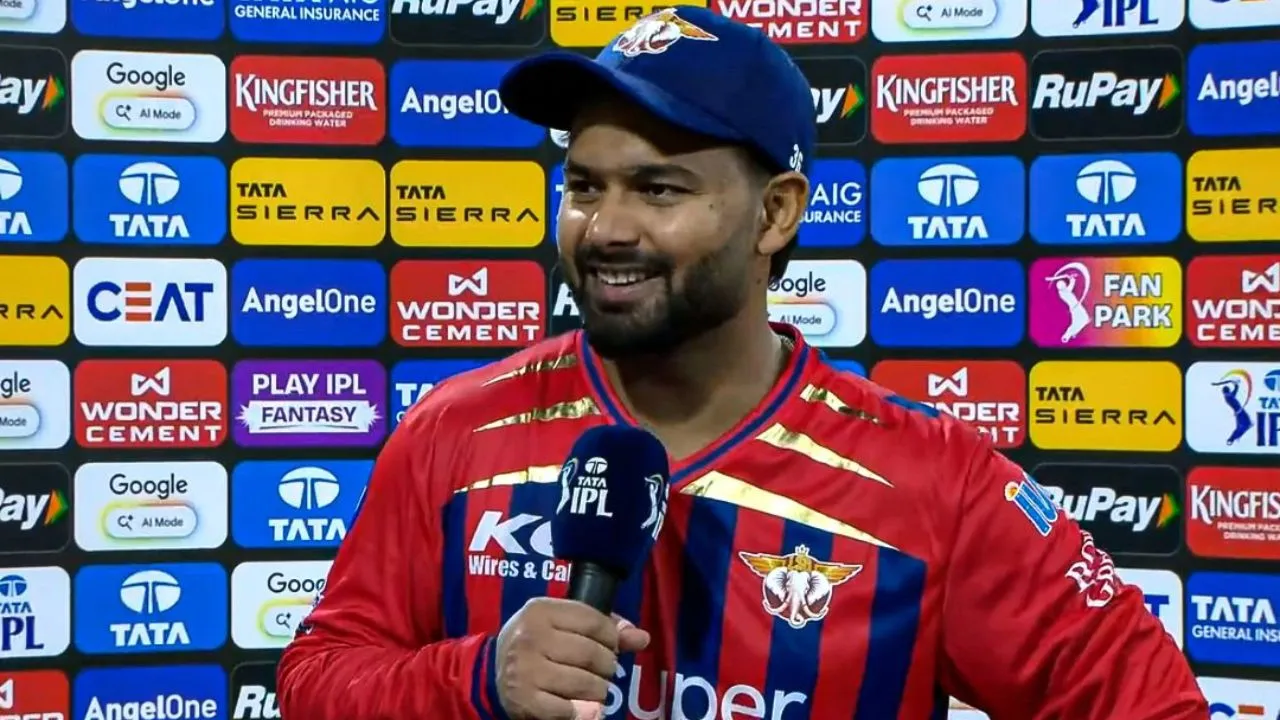
Rishabh Pant unsure about his role for LSG in IPL 2026 clash vs SRH
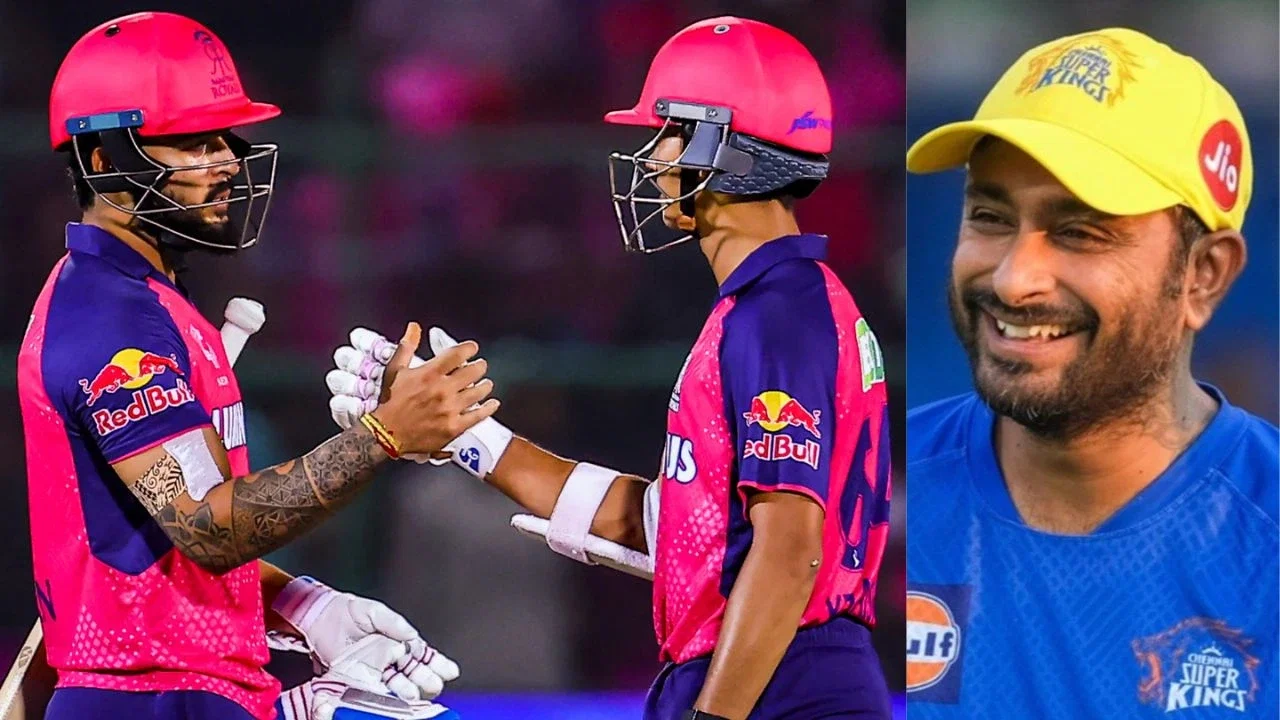
Not Yashasvi Jaiswal! CSK legend highlights growing respect for Riyan Parag at Rajasthan Royals
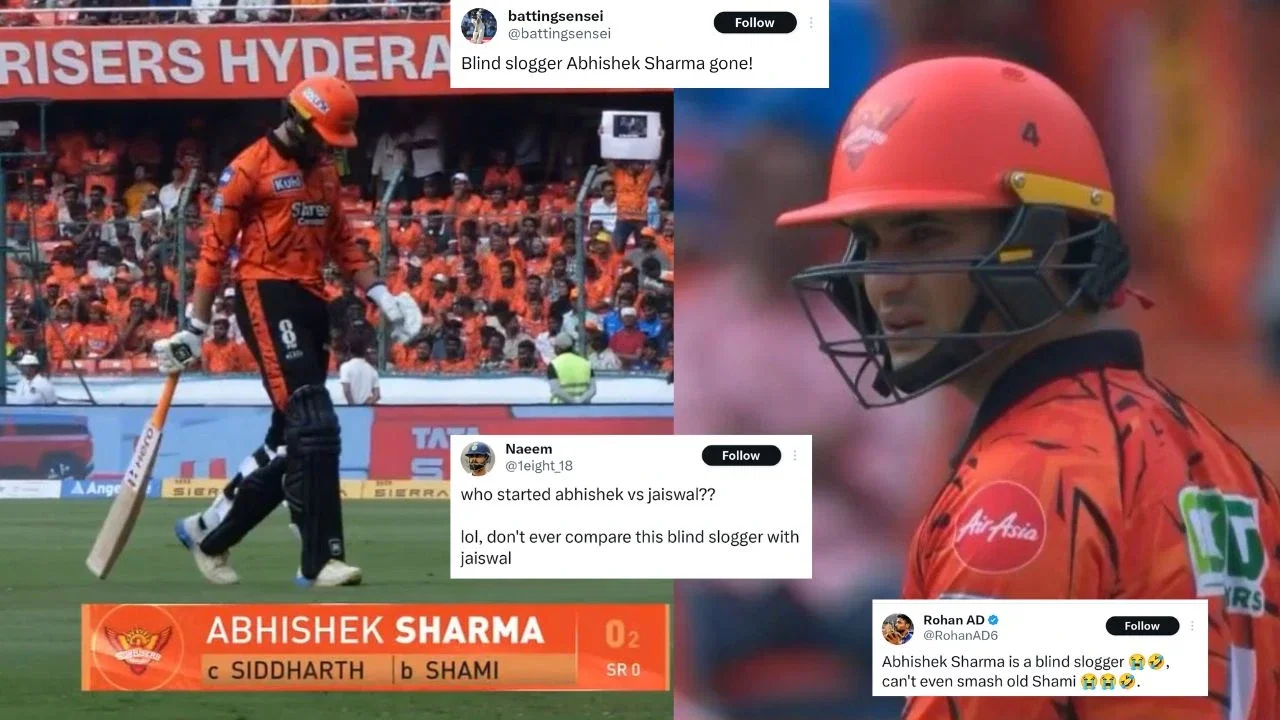
“Mohammad Amir was right”: Abhishek Sharma slammed and labelled ‘blind slogger’ after duck vs LSG in IPL 2026
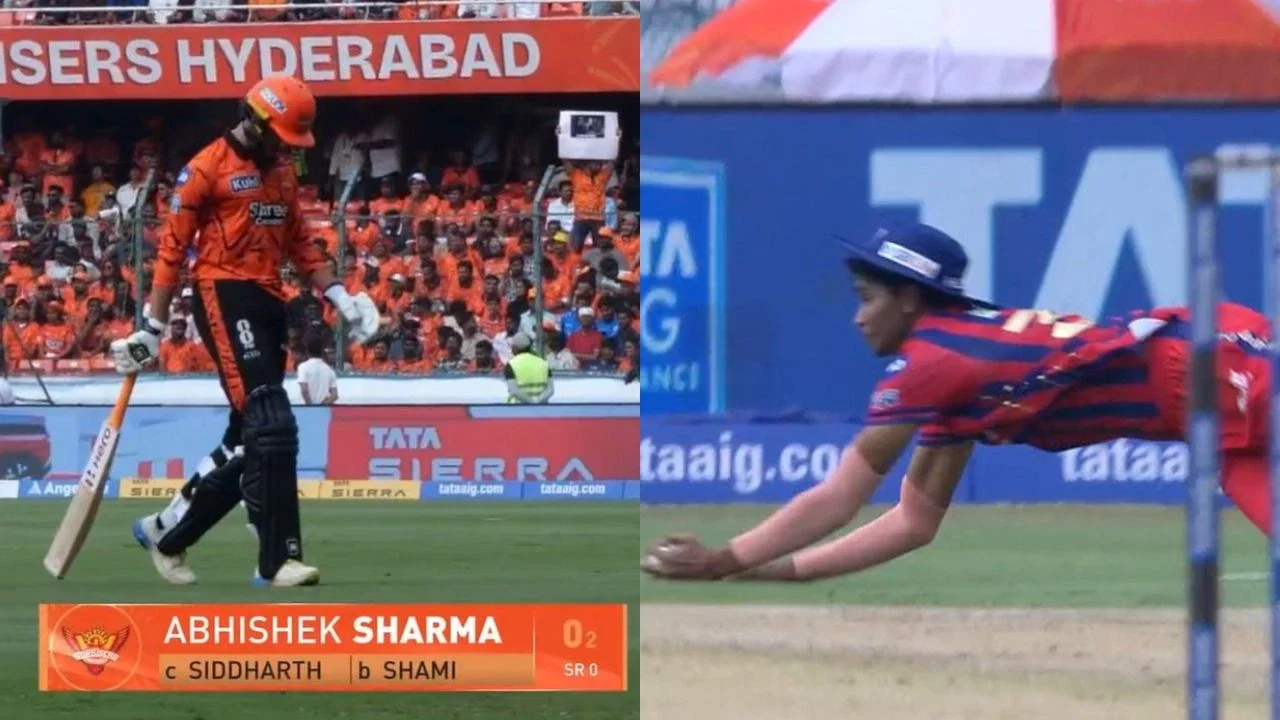
Manimaran Siddharth shocks Abhishek Sharma with a stunning catch as Mohammed Shami dismisses him for duck
Dewald Brevis injury update: CSK star to miss RCB clash, set to return vs…
Hardik Pandya fitness update: Mumbai Indians captain set to return in IPL 2026 clash vs….
Shubman Gill injury update: Gujarat Titans captain doubtful for IPL 2026?
Charith Asalanka denies failing fitness test; Sri Lanka Cricket backs skipper