Cheteshwar Pujara rejects Shubman Gill as India’s new No.4 post-Virat Kohli’s Test exit
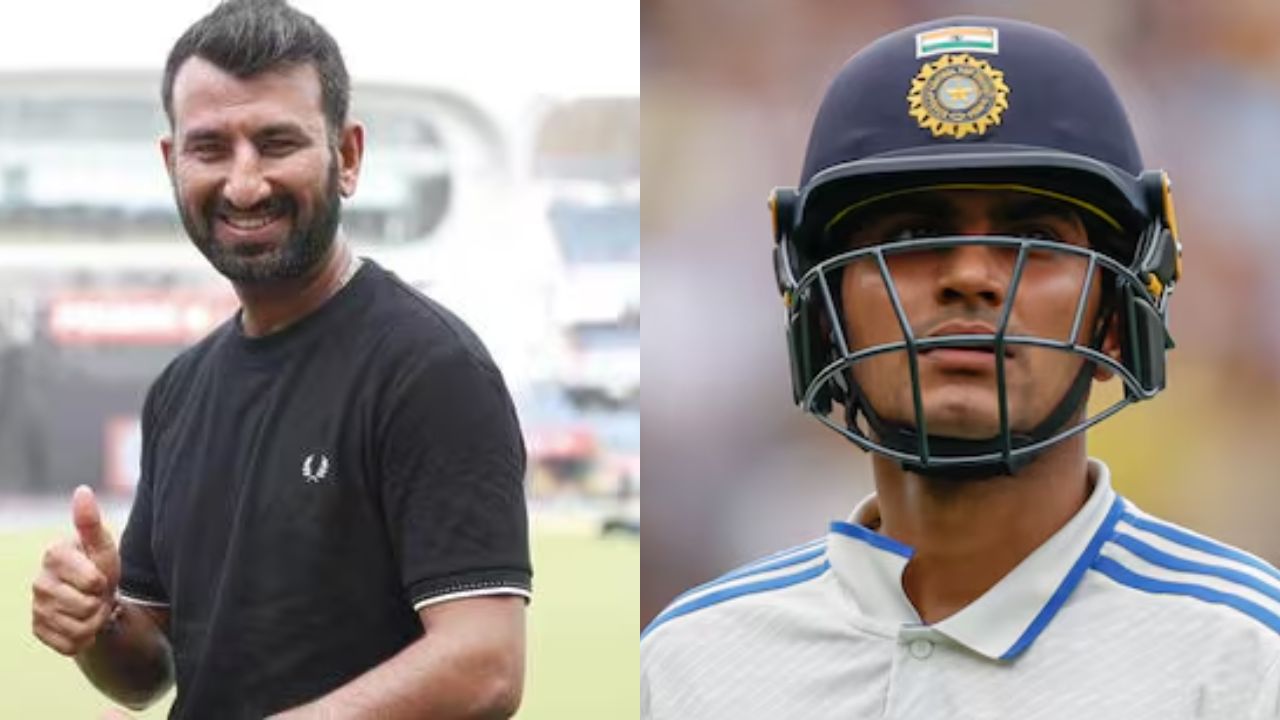
Cheteshwar Pujara’s Opinion on No.4 Position in Indian Test Team
The Search for a New No.4 Batter
As the Indian Test team faces the challenge of finding a new No.4 batter following Virat Kohli’s retirement, veteran batsman Cheteshwar Pujara has weighed in on the discussion. Pujara believes that the young talent Shubman Gill should not be shifted to the No.4 position and should continue to bat in the top three for the team.
Pujara emphasized the importance of having a player who is capable of facing the new ball at the No.4 spot, and he feels that Gill’s skills are better suited for the top three positions. With the departure of Kohli, who solidified the No.4 position for many years, the Indian team management now faces the challenge of identifying a player who can serve in that role for the long term.
Pujara’s Insights and Suggestions
Speaking on ESPNCricinfo, Pujara suggested that the selectors and coaches should take their time in evaluating players who can potentially fill the No.4 position. He emphasized the need for observing players over a couple of series before making a final decision.
Pujara stated, “We will need a couple of series to figure out who is well suited to bat at No. 4, because it’s an important position. You need your best batter to bat at No. 4. It’s still early days to make a call, but it will be important to see who performs well in England because someone who can perform well in England can have that No. 4 spot.”
Shubman Gill’s Role and Potential
When asked about Shubman Gill potentially moving to the No.4 position, Pujara acknowledged that Gill is an option but highlighted his effectiveness with the new ball. Pujara mentioned that Gill has excelled while opening the innings and prefers facing the new ball, indicating that he may be better suited for the top three positions.
However, Pujara also noted that if Gill performs well at the No.4 spot during the upcoming England Tests, he could become a permanent fixture in that position. Pujara remarked, “If he bats at No. 4 in England and if he can be successful at that position, then, yes, he can be a No. 4 for the Indian team.”
Conclusion
As the Indian team navigates the process of finding a new No.4 batter, the insights provided by Cheteshwar Pujara shed light on the complexities involved in making this decision. With the upcoming series in England set to play a crucial role in determining the right candidate for the position, the selectors and team management will closely monitor the performances of potential players to ensure the continued success of the Indian Test team.
Factors to Consider in Selecting a No.4 Batter
When evaluating potential candidates for the No.4 position in the Indian Test team, several factors come into play. Apart from the ability to face the new ball and stabilize the middle order, the selectors and coaches must also consider the player’s temperament, adaptability, and experience in challenging conditions.
One key aspect that Cheteshwar Pujara emphasized is the importance of having a technically sound batter at No.4. Given the unpredictable nature of Test cricket, especially in overseas conditions, a solid technique becomes crucial in weathering tough periods and building substantial partnerships. Pujara’s own success in difficult situations stands as a testament to the value of a technically proficient batter in the middle order.
Impact of No.4 Batter on Team Dynamics
Aside from the on-field performance, the No.4 batter also plays a significant role in shaping the team dynamics and setting the tone for the innings. This position often requires a player with leadership qualities, the ability to absorb pressure, and guide the lower middle order. The individual chosen for this role must possess the resilience to counter adversities and the composure to anchor the innings when the top order fails.
Considering these factors, the decision regarding the No.4 position goes beyond mere batting prowess and delves into the intangible qualities that make a player a valuable asset to the team. The selectors will need to assess not only the technical skills but also the mental fortitude and adaptability of the contenders vying for this critical spot in the lineup.
Shubman Gill’s Versatility and Future Prospects
While Shubman Gill’s prowess as an opening batter is well-established, his potential to transition to the No.4 position showcases his versatility and adaptability as a cricketer. Gill’s ability to thrive against the new ball while also possessing the temperament to excel in the middle order underscores his value to the team across various batting positions.
If Gill manages to succeed in the upcoming England Tests at the No.4 spot, it could not only solidify his place in the team but also open up tactical opportunities for the management. A player of Gill’s caliber, capable of seamlessly transitioning between roles based on team requirements, provides a strategic advantage and adds depth to the batting lineup.
The Evolution of the Indian Test Team’s Batting Order
As the Indian Test team undergoes a transitional phase with the departure of stalwarts like Virat Kohli, the batting order is poised for a reshuffle to accommodate new talent and redefine roles. This period of flux presents an opportunity for emerging players to step up and leave their mark on the team’s legacy, contributing to the evolution and rejuvenation of the side.
With the onus now on identifying a successor for the crucial No.4 position, the selectors find themselves at a crossroads, balancing the immediate requirements of the team with a long-term vision for sustained success. The journey towards solidifying the middle order and finding the right combination of players involves a blend of astute decision-making, strategic planning, and foresight to nurture and groom the next generation of batters.
In conclusion, the quest for a new No.4 batter in the Indian Test team symbolizes not just a search for a replacement but a quest for continuity, resilience, and excellence in the face of change. The insights provided by Cheteshwar Pujara offer a glimpse into the nuanced considerations and complexities involved in shaping the team’s future and ensuring its competitiveness on the global stage.
Latest News
Shubman Gill out? Virat Kohli’s Test comeback as captain suggested by CSK legend
Jason Gillespie gives major update on Glenn Maxwell’s availability for PSL 2026

‘I’m a big fan but…’: Ravichandran Ashwin criticises Abhishek Sharma after failure vs RCB.

LHQ vs KRK Match Prediction, Pitch & Weather Report, Playing XIs, Head-to-Head, Free Live Streaming – PSL 2026 Match 6
IPL teams on alert!: Sri Lanka fitness crisis sees almost 50% players fail tests

Ben Duckett in trouble? Sunil Gavaskar pushes BCCI for tougher punishment
MS Dhoni faking injury? Michael Vaughan suspects ‘strategic manoeuvre’ in CSK camp for IPL 2026

KKR coach criticises Impact Player rule, provides huge Matheesha Pathirana update

Sam Curran reveals private chat with Brendon McCullum after England axing
Ravichandran Ashwin brutally teased by Virender Sehwag on IPL 2026 debut
Virat Kohli’s ego under spotlight! Ex-KKR star makes bold claim after heroics vs SRH

Jay Shah rises to No. 22 among most powerful people in India in 2026; Virat Kohli, Gautam Gambhir included

SRH suffer huge blow! Daniel Vettori confirms another overseas pacer injured amid crisis

IPL Points Table 2026: Updated Standings, Orange Cap, Purple Cap After RCB vs SRH Match 1