County Cricket faces ball shortage as Middle East conflict disrupts Dukes supply

The United Kingdom Faces Cricket Ball Shortage Ahead of County Championship
The United Kingdom is currently grappling with a shortage of professional cricket balls as the County Championship approaches. The ongoing conflict in West Asia has disrupted key supply chains, impacting the manufacturing and transportation of Dukes balls, essential for the upcoming English summer cricket season.
Logistical Challenges Ahead of County Championship
The County Championship, featuring 18 teams, is scheduled to kick off on April 3. However, officials are facing a significant logistical challenge due to the shortage of cricket balls required for four-day matches. Regular replacements are crucial for ensuring fair gameplay, but the current lack of supply is raising concerns among cricket clubs.
Dilip Jajodia, the owner of British Cricket Balls Ltd, highlighted the manufacturing crisis, explaining that the leather for the balls is prepared in Chesterfield while the stitching is done in the subcontinent. The balls are then shipped back via Middle Eastern routes. However, with the ongoing conflict in the region disrupting international airspace and freight movement, shipments have been accumulating overseas, causing major delays and increased transportation costs for the manufacturer.
Financial Impact on Dukes Manufacturer
The financial impact of the supply disruptions has been severe for the Dukes manufacturer. Jajodia revealed that the cost of transporting a box of 120 cricket balls has nearly tripled due to the conflict, with airlines charging heavy premiums or avoiding conflict zones altogether. Limited cargo flights and disrupted routes have further exacerbated the situation, leading to increased expenses and delivery delays.
To address the challenges, the company is currently absorbing the extra transport costs and exploring alternative shipping routes from the subcontinent. Options include sending consignments via Sri Lanka and utilizing private courier flights to mitigate delays and ensure a steady supply of cricket balls for the upcoming season.
Addressing Quality Concerns
In response to criticism about the Dukes balls during a recent Test series against India, Jajodia acknowledged concerns raised by players about the balls losing shape quickly. He admitted that core issues in earlier batches have been addressed, with the company strengthening the internal structure to enhance durability and shape retention, even under heavy impact.
Following these improvements, the frequency of ball changes reduced significantly towards the latter half of the Lord’s Test and the remainder of the series. Additionally, the England and Wales Cricket Board (ECB) has introduced a centralized system to ensure that every venue has a sufficient supply of well-prepared replacement balls moving forward.
As the cricketing community eagerly anticipates the start of the County Championship, efforts are being made to overcome the challenges posed by the cricket ball shortage. With proactive measures in place and a focus on quality and reliability, stakeholders are working towards ensuring a successful and competitive cricket season in the United Kingdom.
Impact of Prediction on Cricket Ball Shortage
One aspect that has exacerbated the cricket ball shortage situation is the unpredictability of global events. The conflict in West Asia, which was unforeseen, has highlighted the importance of prediction in supply chain management. Companies like Dukes, which heavily rely on international manufacturing and transportation, need to enhance their predictive analytics capabilities to anticipate and mitigate potential disruptions in the future.
By utilizing predictive modeling and data analysis, manufacturers can identify vulnerabilities in their supply chains, assess risk factors, and develop contingency plans to address potential challenges. This proactive approach can help companies like British Cricket Balls Ltd better prepare for unforeseen events and ensure a steady supply of cricket balls for major cricketing events like the County Championship.
Exploring Sustainable Solutions for Cricket Ball Manufacturing
Another key consideration in addressing the cricket ball shortage is the sustainability of manufacturing processes. With the current crisis shedding light on the vulnerabilities of global supply chains, there is an opportunity to explore more sustainable and localized manufacturing options for cricket balls. By reducing reliance on international shipping and sourcing materials closer to home, manufacturers can minimize the impact of geopolitical conflicts on their operations.
Investing in eco-friendly materials and production methods can also contribute to a more sustainable cricket ball manufacturing industry. By prioritizing sustainability, manufacturers can not only mitigate supply chain risks but also align with growing consumer demand for environmentally friendly products. This shift towards sustainability can help create a more resilient and responsible cricket ball industry in the long run.
Collaboration and Innovation in Overcoming Supply Chain Disruptions
Amidst the challenges posed by the cricket ball shortage, collaboration and innovation play a crucial role in finding solutions. Manufacturers, cricket clubs, and governing bodies like the ECB need to work together to address the logistical hurdles and ensure a successful County Championship. By fostering partnerships and sharing best practices, stakeholders can collectively navigate the supply chain disruptions and secure a stable inventory of cricket balls for the upcoming season.
Furthermore, embracing technological advancements and innovation in manufacturing processes can streamline production, enhance efficiency, and reduce dependency on volatile international routes. Whether through automation, digitalization, or sustainable practices, the cricket ball industry can adapt to changing circumstances and build resilience against future disruptions.
Looking Ahead to a Resilient Cricket Season
Despite the current challenges surrounding the cricket ball shortage, the cricketing community remains optimistic about the upcoming County Championship. With concerted efforts to address supply chain disruptions, improve quality standards, and explore sustainable manufacturing practices, stakeholders are committed to ensuring a successful and competitive cricket season in the United Kingdom.
As the industry adapts to evolving global dynamics and embraces innovation, the cricket ball shortage serves as a catalyst for transformative change in the way cricket balls are manufactured, distributed, and utilized. By fostering resilience, sustainability, and collaboration, the cricket industry is poised to overcome challenges and deliver an exciting season of cricket for fans and players alike.
Latest News
County Cricket faces ball shortage as Middle East conflict disrupts Dukes supply

Fakhar Zaman fooled Mohsin Naqvi’s PCB to avoid Bangladesh? Batter breaks silence
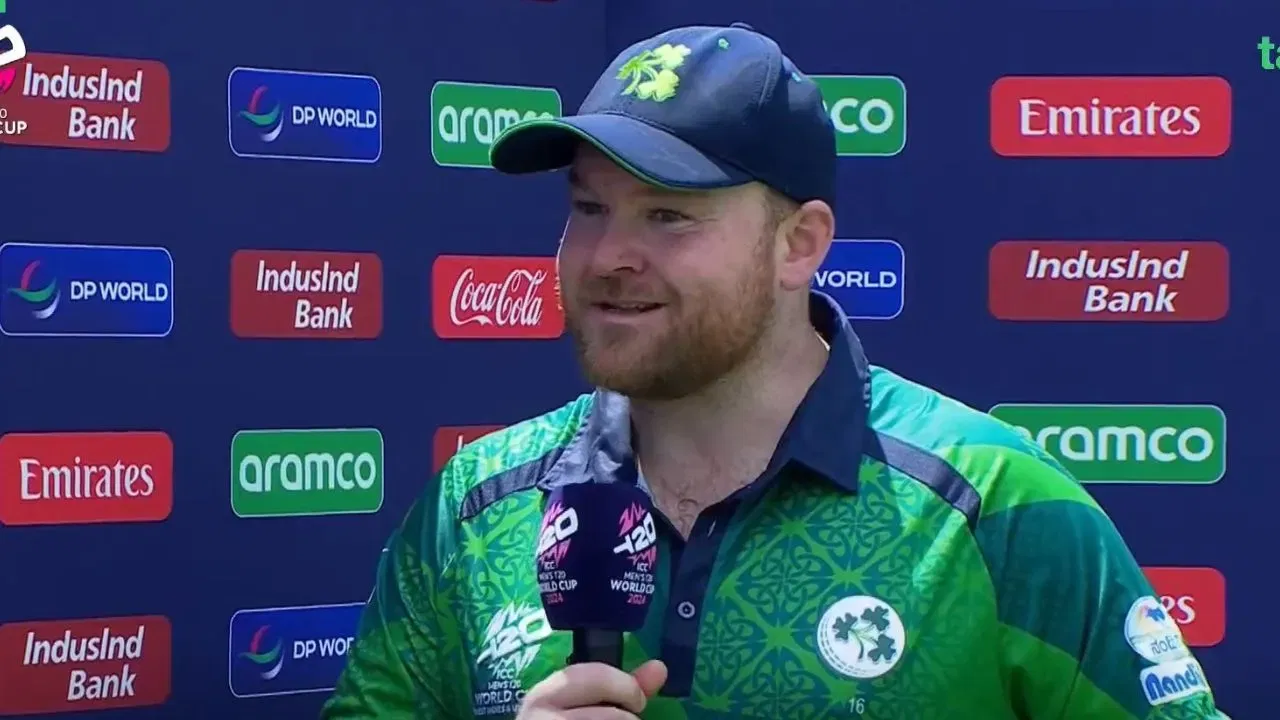
Paul Stirling officially quits Ireland captaincy

RCB sweating over Josh Hazlewood as Kris Srikkanth warns of huge damage ahead of IPL 2026
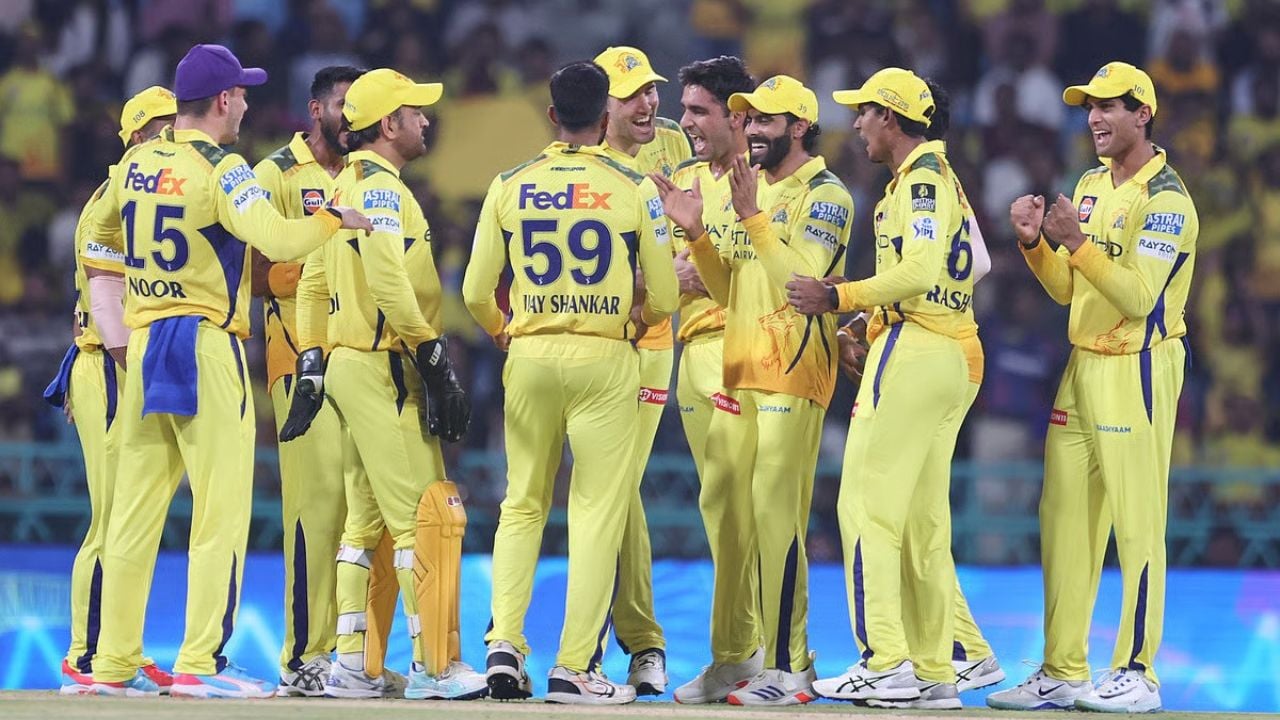
Not Sanju Samson! These 3 players could power CSK to IPL 2026 glory
Not Sanju Samson! These 3 players could power CSK to IPL 2026 glory
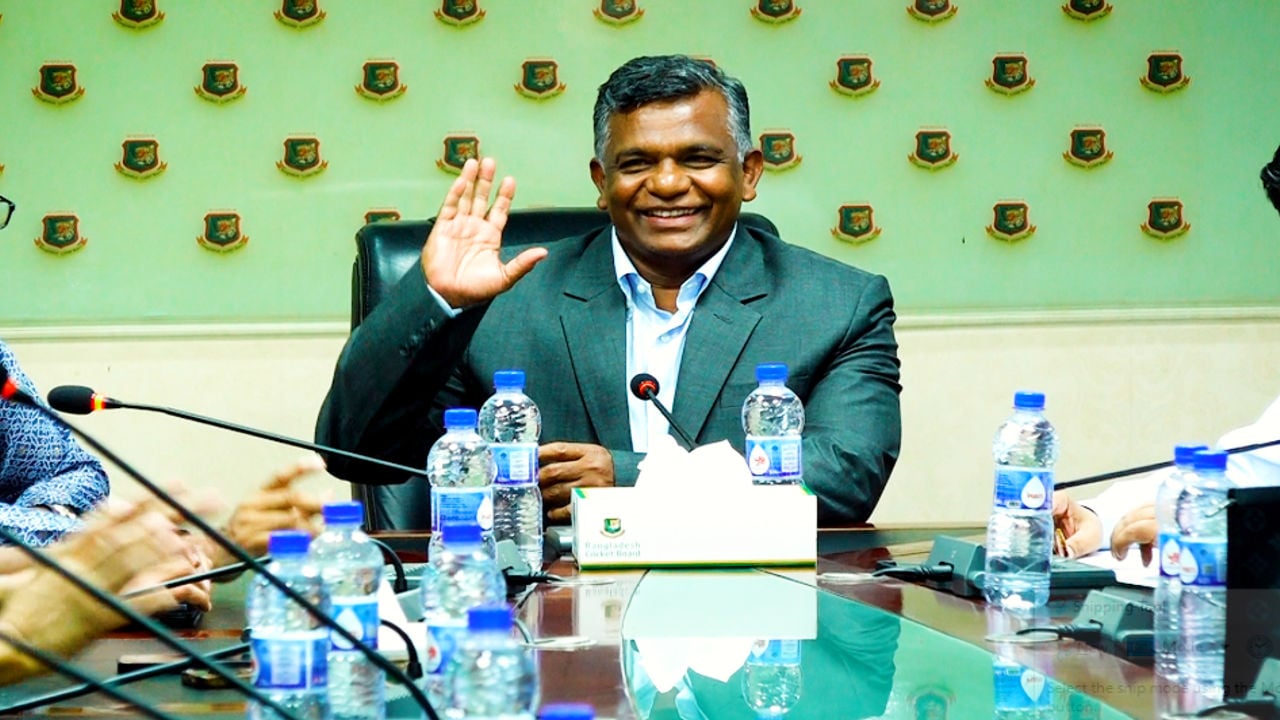
Fresh trouble for BCB as Aminul Islam’s letter to Sports Minister stuns Directors
Massive blow for CSK as Nathan Ellis ruled out of IPL 2026
Abhishek Sharma advised to follow Virat Kohli’s style by RCB legend ahead of IPL 2026

Arjun Tendulkar stuns Rishabh Pant with Sachin-style heavy bat secret ahead of IPL 2026

Ravindra Jadeja vs Vaibhav Sooryavanshi clash goes viral as Rajasthan Royals drop intense battle clip

Who is John Mooney? Delhi Capitals’ new fielding coach for IPL 2026
Gautam Gambhir storms Delhi High Court over shocking reason ahead of IPL 2026
Virat Kohli beaten! Bhuvneshwar Kumar delivers unstoppable yorker in RCB training ahead of IPL 2026