Cricket West Indies openly challenges Jay Shah-led ICC amidst Olympics qualification
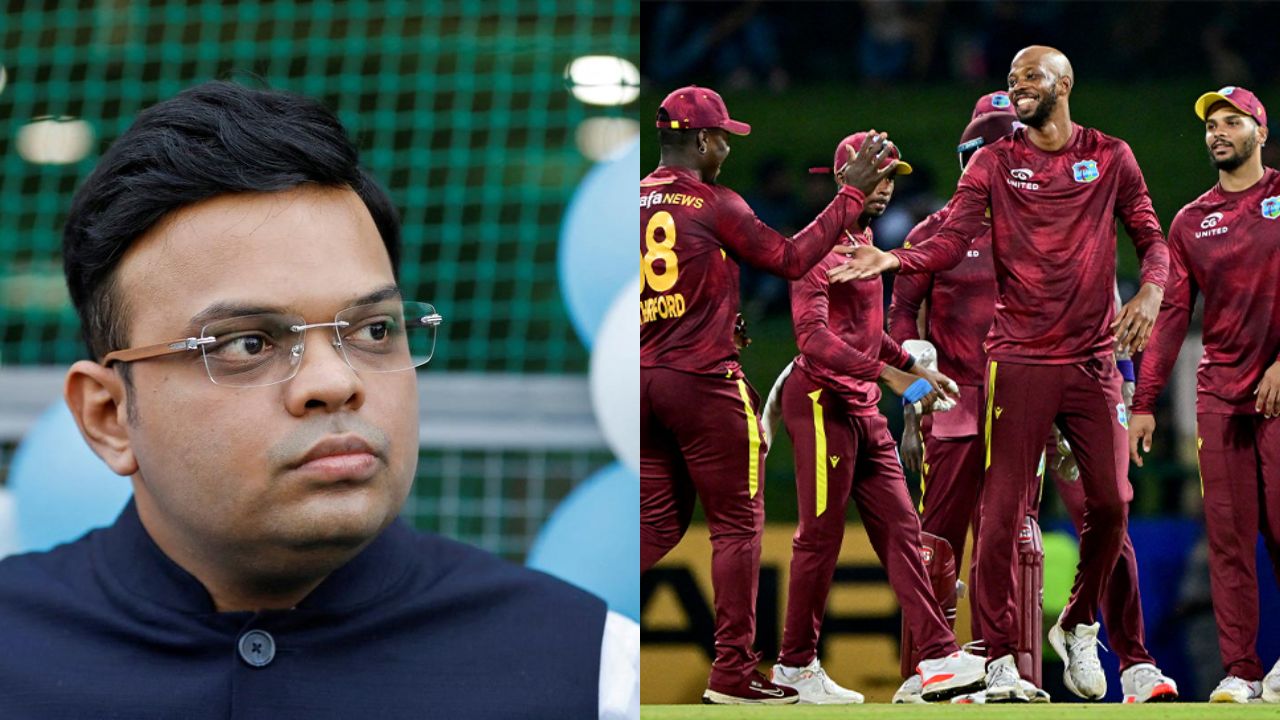
Cricket West Indies Seeks Control Over Olympic Representation
Cricket West Indies (CWI) has made a significant request to the International Cricket Council (ICC) regarding the representation of the Caribbean at the 2028 Los Angeles Olympics. CWI is seeking the authority to choose which individual Caribbean nation will represent the region at the Olympics, should the West Indies cricket team qualify for the prestigious event.
Qualification Process Uncertainty
The qualification process for cricket at the 2028 Los Angeles Olympics is still undecided, as confirmed by the International Olympic Committee (IOC) and organizers. Both the men’s and women’s events are expected to feature six teams each, but it is unclear whether qualification will be based on team rankings.
CWI CEO Chris Dehring emphasized the importance of having the right to select the representing nation if rankings are used as the criteria for qualification. This move aims to ensure that the Caribbean is not excluded simply because of the unified “West Indies” team.
Committed to Constructive Dialogue
CWI has expressed its commitment to engaging in constructive dialogue with the ICC to shape a qualification process that aligns with the Olympic ethos while considering the unique structure of cricket in the Caribbean. The board is eager to collaborate with the ICC to find a solution that respects both the principles of the Olympics and the diverse cricket landscape in the region.
Diverse Representation from 15 Caribbean Nations
The West Indies cricket team comprises players from 15 different Caribbean nations and territories, showcasing the rich diversity of talent in the region. For multi-sport events like the Commonwealth Games, representatives are selected based on intra-Caribbean competition results, as seen with Barbados competing independently in the 2022 Games.
Similar challenges in representation exist for other regions like the United Kingdom, with separate entities like England, Scotland, Wales, and Northern Ireland complicating Olympic participation under current rules.
Inclusion of Young Cricketers
CWI President Dr. Kishore Shallow emphasized the importance of providing a clear and fair path for West Indies cricket to compete at the 2028 Olympics. He highlighted the need to ensure that young cricketers from the Caribbean have the opportunity to pursue their Olympic dreams, aligning with the principles of fairness, transparency, and universality outlined in the Olympic Charter.
With the Windies men’s team ranked fifth and the women’s team ranked sixth in the ICC T20I rankings, both are well-positioned to secure spots in the tournament if qualification is determined by rankings.
As discussions continue between CWI and the ICC, the cricketing world eagerly awaits a resolution that will allow the Caribbean nations to take the field at the 2028 Los Angeles Olympics, representing their unique heritage and talent on a global stage.
Enhancing Representation in Global Sports
Cricket West Indies’ push for control over Olympic representation sheds light on broader issues of representation and inclusivity in global sports. The demand for the ability to choose a specific Caribbean nation to represent the region at the Olympics reflects a deeper desire to celebrate the unique identities and talents of each constituent nation within the West Indies.
By advocating for a more nuanced approach to Olympic qualification that takes into account the diverse cricketing landscape of the Caribbean, CWI is championing the importance of recognizing and honoring the cultural richness and sporting achievements of each nation. This move aligns with a growing global trend towards promoting diversity, equity, and inclusion in all aspects of society, including sports.
Empowering Young Athletes
At the heart of CWI’s request lies a commitment to providing opportunities for young cricketers to showcase their skills on the world stage. By ensuring that the pathway to the Olympics is clear and fair, CWI is empowering the next generation of Caribbean athletes to pursue their dreams and aspirations in cricket.
The inclusion of young cricketers in international competitions like the Olympics not only fosters their growth and development as athletes but also inspires future generations to take up the sport and strive for excellence. It underscores the transformative power of sports in shaping lives, building character, and fostering unity across diverse communities.
Building Bridges Through Sports Diplomacy
The quest for greater control over Olympic representation by CWI also highlights the potential of sports diplomacy in bridging divides and fostering solidarity among nations. By advocating for a more nuanced approach to Olympic qualification that respects the unique identities of Caribbean nations, CWI is promoting a spirit of cooperation and mutual respect in the realm of sports.
Sports have long been recognized as a powerful tool for promoting understanding, dialogue, and cooperation among nations. Through initiatives like the Olympic Games, countries can come together in the spirit of friendly competition, transcending political, cultural, and social differences to celebrate the universal values of excellence, sportsmanship, and fair play.
Looking Towards a Bright Future
As CWI continues its dialogue with the ICC to shape a qualification process that reflects the unique cricketing landscape of the Caribbean, the cricketing world eagerly anticipates a resolution that will pave the way for Caribbean nations to compete at the 2028 Los Angeles Olympics. This historic moment has the potential to showcase the best of Caribbean cricketing talent on a global stage, inspiring audiences around the world and reaffirming the region’s rich sporting heritage.
By advocating for greater control over Olympic representation, CWI is not only championing the interests of Caribbean cricket but also advancing the principles of inclusivity, diversity, and fairness in the world of sports. As the discussions unfold and decisions are made, the global sporting community stands poised to witness a significant step towards a more inclusive and equitable future for all athletes and nations.
Latest News
Ben Duckett opts out from IPL 2026, set to face ban
“Players will prevail”: Sourav Ganguly’s drops big verdict on ‘Impact Player’ rule ahead of IPL 2026
“Players will prevail”: Sourav Ganguly’s drops big verdict on ‘Impact Player’ rule ahead of IPL 2026
3 LSG players who could struggle in IPL 2026 – ft Rishabh Pant
Rinku Singh gets major role for KKR ahead of IPL 2026
RCB gets new buyer ahead of IPL 2026, sold to…..
KKR take massive step to honour Andre Russell forever
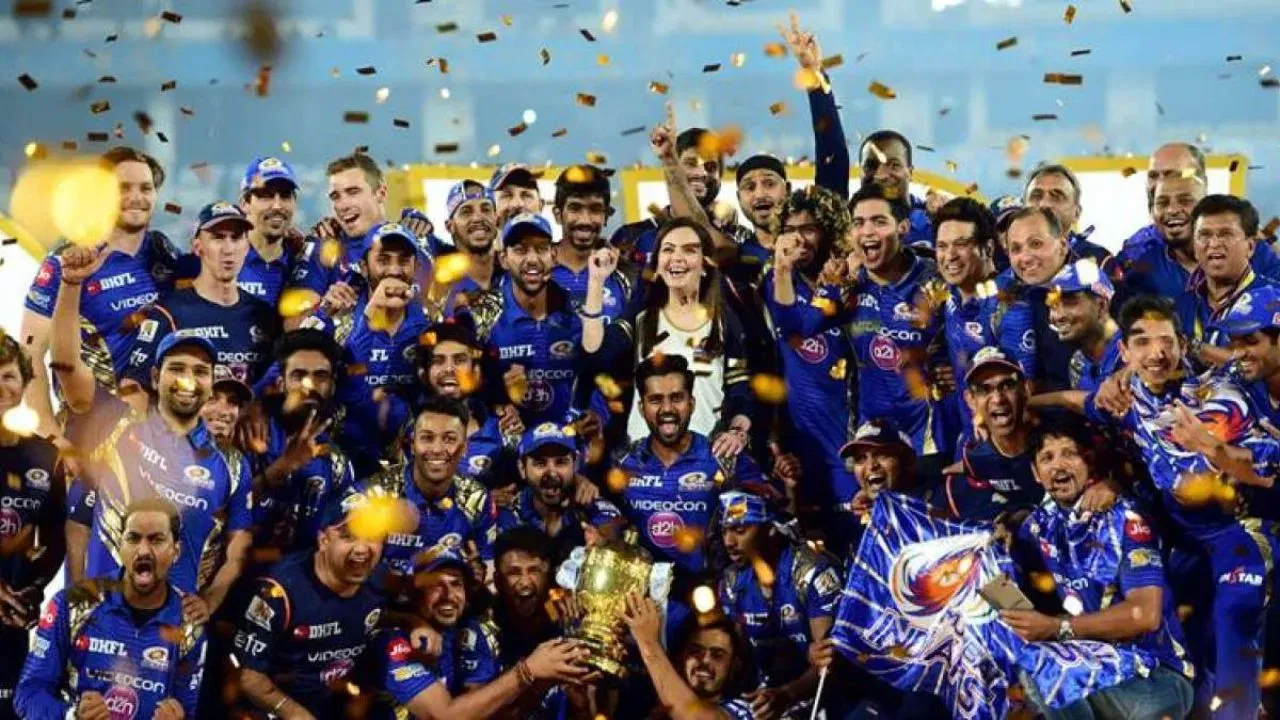
“Mumbai Indians are winning it” – Ex-England captain makes bold prediction for IPL 2026
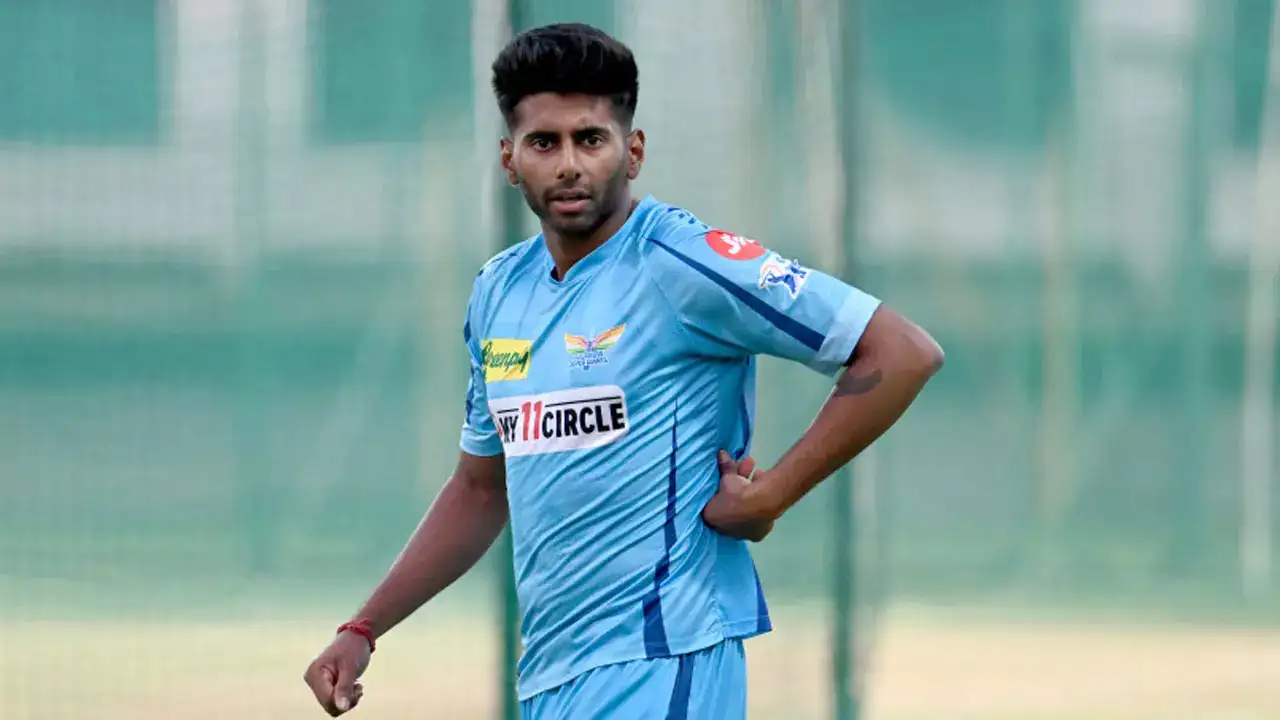
Mayank Yadav reveals real story behind his recovery and Sanjiv Goenka’s support
IPL 2026 ball change rule explained
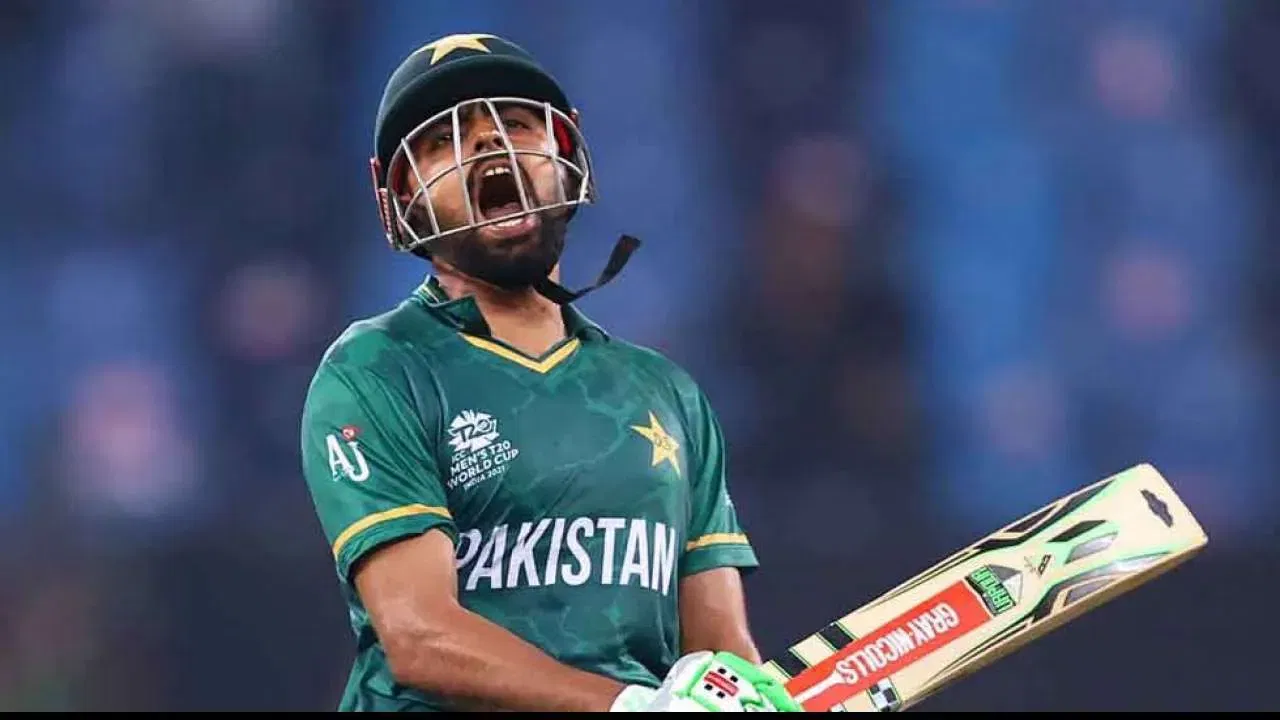
Ottis Gibson reveals plan to revive Babar Azam’s confidence ahead of PSL 2026
Liam Livingstone survives as Rob Key confirms England spot after shocking interview claims
Kevin Pietersen credits RCB and IPL for career revival
Ottneil Baartman set to join CSK in IPL 2026 as replacement of….