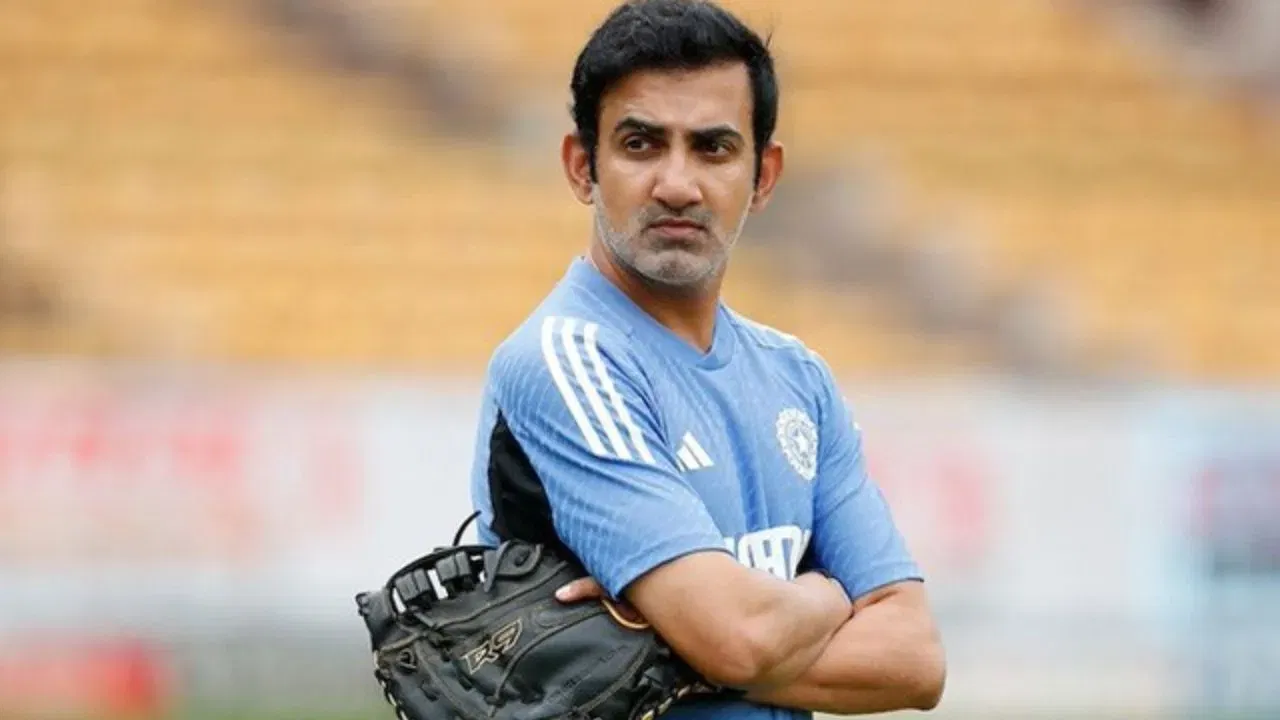
Dale Steyn brings Cristiano Ronaldo metaphor to portray Gautam Gambhir’s stupidity for Jasprit Bumrah
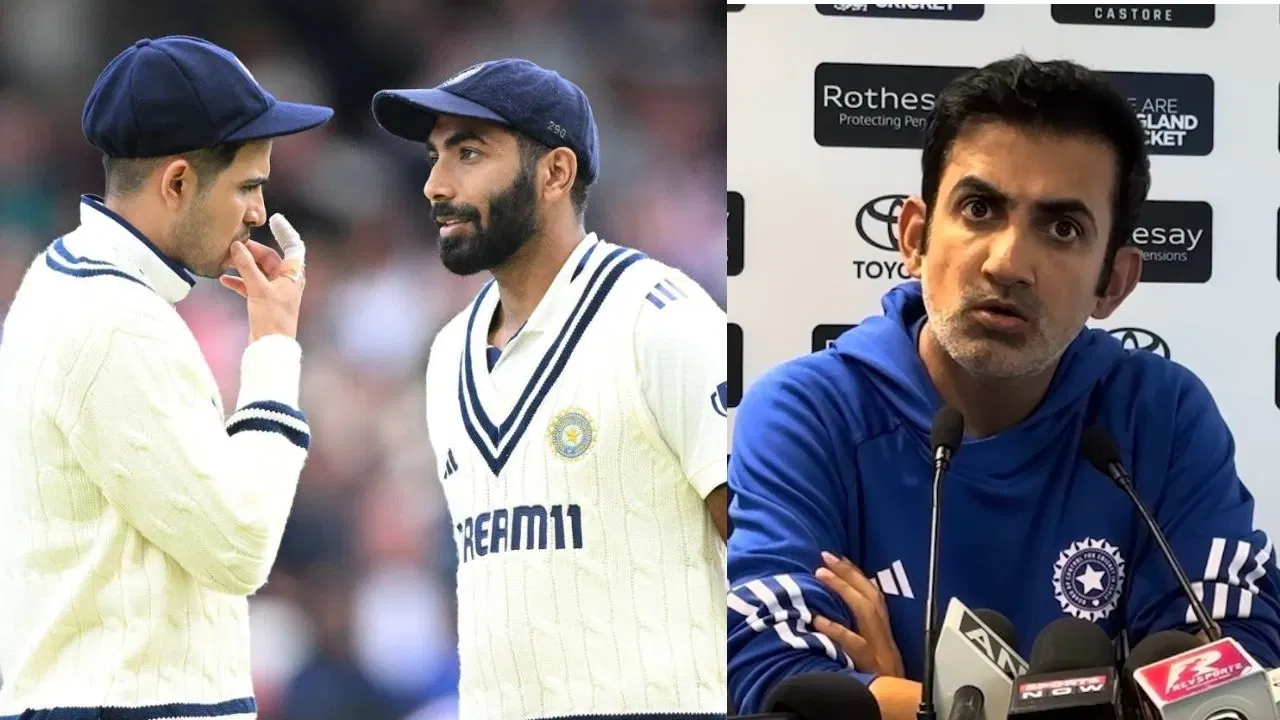
Dale Steyn Criticizes Team India’s Decision to Rest Jasprit Bumrah
Former South African fast bowler Dale Steyn recently took a dig at Team India captain Shubman Gill and head coach Gautam Gambhir for their controversial decision to leave out Jasprit Bumrah from the second Test against England.
Steyn compared the choice to rest Bumrah to benching a global football icon like Cristiano Ronaldo, expressing disbelief that India would exclude their premier fast bowler in a must-win Test. The decision to rest Bumrah has sparked heavy criticism from fans and former cricketers alike, with many questioning the team management’s strategy.
India’s playing XI for the second Test at Edgbaston has been a hot topic of debate, especially following their defeat in the first Test of the ongoing five-match series against England. Despite being 0-1 down in the series, skipper Shubman Gill confirmed at the toss that Bumrah would be rested for the third Test at Lord’s, a move that Steyn described as “madness.”
Jasprit Bumrah, who was the standout performer with the ball in the opening Test against England, took a five-wicket haul but went wicketless in the fourth innings as England successfully chased down 371 runs. The right-arm pacer became the first Asian fast bowler to take 150 wickets in SENA countries, showcasing his importance to the Indian bowling attack.
Before the series began, Bumrah had revealed that he would only play three of the five Tests as part of a workload management plan. The 31-year-old had suffered a back spasm during the Sydney Test, which sidelined him for three months, including the ICC Champions Trophy 2025.
Shubman Gill’s Masterclass Anchors India to Strong Finish on Day 1
Despite the absence of Jasprit Bumrah, Team India made three changes to their XI for the second Test match. Yashasvi Jaiswal, Akash Deep, and Washington Sundar replaced Sai Sudharsan, Bumrah, and Shardul Thakur in the playing XI.
England skipper Ben Stokes elected to bowl first after winning the toss at Edgbaston in Birmingham on Wednesday. While opener KL Rahul was dismissed early, Yashasvi Jaiswal and Karun Nair steadied the innings. Jaiswal showcased his talent by scoring 87 off 107 balls, narrowly missing out on another century.
Shubman Gill, who has been in fine form throughout the series, smashed his second century and remained unbeaten on 114 at stumps. Ravindra Jadeja provided crucial support with an unbeaten 41, helping India recover from a shaky position of 211 for 5 in the final session.
India ended the opening day of the Test match with a solid total of 310 for 5, setting themselves up for a strong position heading into Day 2.
While the decision to rest Jasprit Bumrah continues to draw criticism, Shubman Gill’s masterful innings has given Team India a positive start in the crucial second Test against England. Fans and cricket enthusiasts will be eagerly watching to see how the match unfolds in the coming days.
The Importance of Workload Management in Cricket
Workload management has become a crucial aspect of modern cricket, especially for fast bowlers like Jasprit Bumrah who are prone to injuries due to the physical demands of their role. With the rise of high-intensity cricket tournaments and leagues, players are constantly under pressure to perform at their peak while also avoiding burnout and injuries.
Teams must carefully balance a player’s workload to ensure their long-term health and performance. By strategically resting key players like Bumrah, teams can mitigate the risk of injuries and help them sustain their form over an extended period. This approach is essential in maximizing a player’s longevity in the sport and ensuring they remain fit for critical matches and series.
The Role of Rotation Policy in Team Strategy
The decision to rest Jasprit Bumrah also highlights the importance of rotation policies in team strategy. By rotating players and providing opportunities to bench strength, teams can maintain a competitive edge while also nurturing emerging talent. This approach allows players to stay fresh and motivated while also offering valuable match experience to the entire squad.
Rotation policies not only benefit individual players by managing their workload but also contribute to the overall depth and resilience of the team. With a strong bench and a well-thought-out rotation plan, teams can adapt to different conditions and opponents while maintaining a high level of performance throughout a grueling season.
The Impact of Shubman Gill’s Leadership
Shubman Gill’s decision to rest Jasprit Bumrah and lead from the front with a commanding century in the second Test against England showcases his leadership qualities and strategic mindset. As a young captain, Gill’s ability to make bold decisions and back his players demonstrates his maturity and vision for the team’s success.
Gill’s leadership on the field, coupled with his consistent performances with the bat, sets a positive example for the rest of the team and instills confidence in his players. His masterclass innings in the second Test not only anchored India to a strong position but also silenced critics of the decision to rest Bumrah, showcasing his ability to lead by example and inspire his teammates.
Looking Ahead: The Future of Team India
As Team India navigates through a challenging series against England, the decision to rest Jasprit Bumrah and the stellar performances of players like Shubman Gill highlight the depth and resilience of the squad. With a mix of experienced stalwarts and promising young talent, India’s cricketing future looks bright as they continue to strive for excellence on the global stage.
As the second Test unfolds and the series progresses, fans will witness the evolution of Team India under the leadership of Shubman Gill and the guidance of head coach Gautam Gambhir. The blend of experience, talent, and strategic planning will be key in shaping India’s success in the international cricket arena.
By focusing on workload management, rotation policies, leadership qualities, and the future prospects of Team India, the expanded content provides a comprehensive analysis of the factors influencing the team’s decision-making and performance on the field.
Latest News
Prithvi Shaw declares his mission to return to team India begins from IPL 2026
Irfan Pathan questions Arshdeep Singh’s bowling ahead of IPL 2026
“Mind is somewhere else”: Yuvraj’s Father exposes Abhishek Sharma’s indiscipline lifestyle

EX-RCB pacer joins KKR as replacement of Harshit Rana ahead of IPL 2026

“Win our first trophy”: Sanjiv Goenka crowns LSG as champions ahead of IPL 2026
New catching rule? Captains warned over ‘Incomplete’ catches ahead of IPL 2026

Pat Cummins in awe of Ishan Kishan’s captaincy
Ex-India star accuses teammates of ‘Racism’, blames it for early international exit
“I love watching Shreyas Iyer bat” – PBKS all-rounder Cooper Connolly ahead of IPL 2026
Yograj Singh gives Ravichandran Ashwin belt treatment because of Arjun Tendulkar remarks
CSK legend advises Shubman Gill the best way to bounce back in T20I team
Jasprit Bumrah Injury Scare, reason behind visit to CoE revealed
“Didn’t invite me”: R Ashwin puts Kuldeep Yadav in spotlight over wedding snub
Ireland Cricket announced the full list of central contracts for the 2026-27 season