Dale Steyn to officially hand ‘chokers’ tag to New Zealand after T20 World Cup final

Dale Steyn Warns New Zealand of “Chokers” Tag Ahead of T20 World Cup Final
Former South African fast bowler, Dale Steyn, has made headlines with his bold prediction regarding the upcoming T20 World Cup final between New Zealand and India. The much-anticipated match is set to take place on Sunday, March 8, at the Narendra Modi Stadium in Ahmedabad.
The History of the “Chokers” Tag
Steyn’s comments have stirred up discussions about the infamous “chokers” tag that has long haunted the South African National Cricket Team. This label stems from their tendency to falter in crucial knockout matches despite strong performances throughout ICC events. While South Africa managed to overcome this reputation by clinching the ICC World Test Championship title in 2025, their struggles in white-ball tournaments have reignited the debate.
In the 2026 T20 World Cup, South Africa’s campaign came to an abrupt end after a devastating nine-wicket loss to New Zealand in the semifinals. This defeat was reminiscent of past heartbreaks, including their loss to India in the 2024 T20 World Cup final.
New Zealand’s Own Knockout Challenges
On the other hand, New Zealand has also faced similar challenges in knockout matches, often reaching major finals but falling short of victory. Despite winning the 2000 Champions Trophy and the 2021 World Test Championship, the Black Caps have stumbled in key moments, such as the ODI World Cup finals in 2015 and 2019.
As they gear up for the T20 World Cup final against India, Steyn has issued a warning to New Zealand, stating that if they fail to secure the title once again, the “chokers” tag should be passed on to them. He emphasized that the Black Caps have been in multiple finals without lifting the trophy, potentially shifting the narrative from South Africa to New Zealand.
Dale Steyn’s Message
During a discussion on the YouTube channel of former South African captain AB de Villiers, Steyn highlighted the significance of New Zealand’s performance in the upcoming final. He expressed his belief that if India emerges victorious, the Black Caps would inherit the burden of the “chokers” label.
Steyn said, “Everyone likes to call South Africa chokers. NZ haven’t won many World Cups themselves, and they have been in more finals than we have. Please go on to win (2026). Otherwise, I am formally handing over the chokers card to you; it’s yours.”
With tensions high and the stakes even higher, all eyes are on the clash between New Zealand and India in what promises to be a thrilling finale to the T20 World Cup 2026.
The Legacy of Choking in Cricket
The concept of choking in sports, particularly in cricket, has been a topic of discussion for years. It refers to a team’s inability to perform under pressure in crucial moments, leading to defeat despite favorable circumstances. This phenomenon is not unique to South Africa or New Zealand; many teams across various sports have grappled with the pressure of high-stakes matches.
Choking can be attributed to various factors, including psychological pressure, fear of failure, lack of composure, and past experiences of defeat. In cricket, where split-second decisions can determine the outcome of a match, mental fortitude and resilience play a crucial role in overcoming the choking phenomenon.
The Psychology of Choking
Research in sports psychology has delved into the intricacies of choking under pressure. The concept of “paralysis by analysis” suggests that overthinking and focusing too much on the outcome can hinder an athlete’s performance. In cricket, where quick decision-making is essential, players who succumb to pressure may experience a decline in their skills and decision-making abilities.
Awareness of the choking phenomenon can sometimes exacerbate the problem, as players may become more anxious about living up to expectations or avoiding past failures. Overcoming choking requires mental resilience, positive self-talk, and the ability to stay focused on the present moment rather than getting lost in the pressure of the situation.
The Impact of Labels and Expectations
Labels like “chokers” can have a significant impact on a team’s psyche and performance. When a team is repeatedly associated with failure in high-pressure situations, it can create a self-fulfilling prophecy where players start to doubt their abilities and make mistakes due to heightened anxiety.
Breaking free from such labels requires a shift in mindset, a focus on process rather than outcome, and a collective effort to overcome past disappointments. While external expectations and media narratives can influence how a team is perceived, ultimately, it is up to the players to rewrite their own story and redefine their legacy.
Looking Ahead to the T20 World Cup Final
As New Zealand and India prepare to face off in the T20 World Cup final, the specter of choking looms large for both teams. While Dale Steyn’s warning may add extra pressure to the Black Caps, it also serves as a reminder of the mental aspect of sports and the importance of overcoming past demons.
Regardless of the outcome of the final, the narrative of choking in cricket will continue to evolve, shaped by each team’s ability to perform under pressure, maintain composure, and rise above the weight of expectations. The T20 World Cup final will not only be a test of skill and strategy but also a test of mental strength and resilience in the face of adversity.
Ultimately, whether a team is labeled as “chokers” or champions depends on their ability to harness the power of the mind, stay focused on the present moment, and deliver when it matters most. As the cricketing world awaits the showdown between New Zealand and India, the stage is set for a battle not just of cricketing prowess but of mental fortitude and the ability to rewrite history.
Latest News
Narendra Modi Stadium curse scares Gautam Gambhir, BCCI makes explosive move before IND-NZ final
Huge blow for CSK! Australia star suffers fracture days before IPL 2026

Mohammad Amir confirms spot-fixing in PSL involving Babar Azam, but….

Brendon McCullum gets Gautam Gambhir treatment, remains England head coach despite horror show
Mohammad Rizwan blames journalists for Mohsin Naqvi’s punishment on Babar Azam & Co.
“Clutch is Hardik Pandya”: India star flexes insane confidence, makes big statement about girlfriend, son
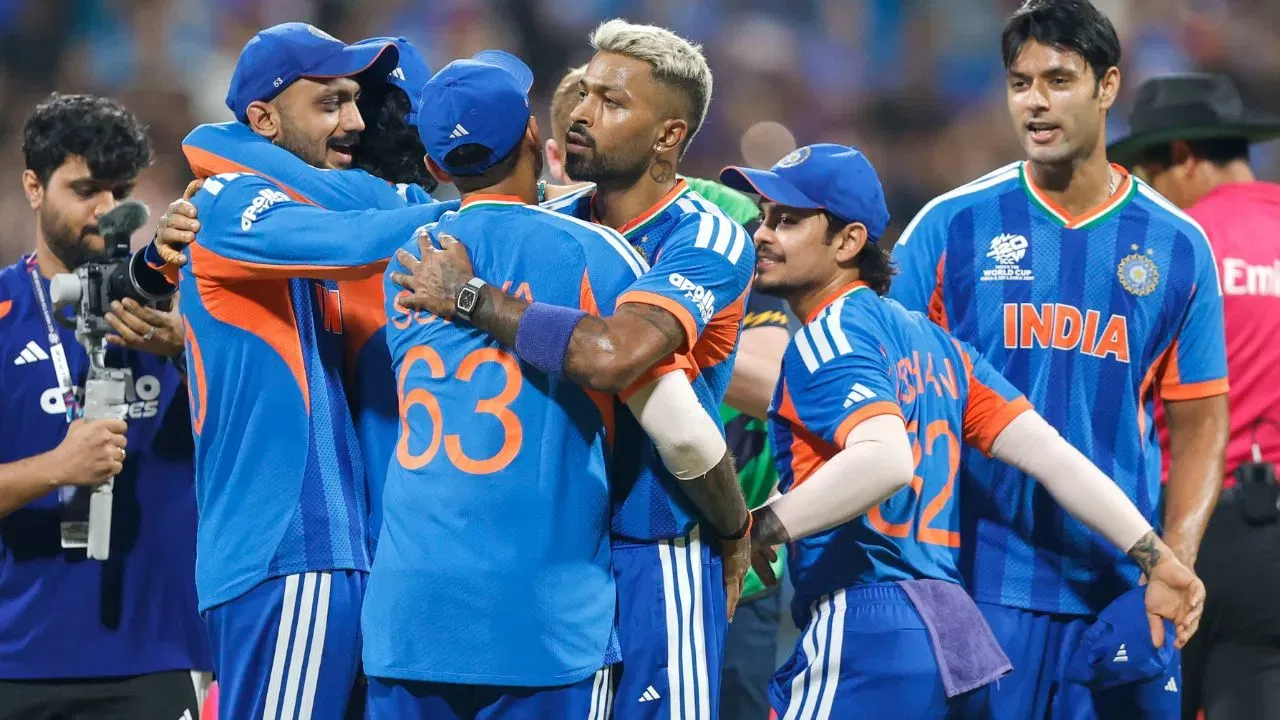
India stars clash in team bus before T20 World Cup 2026 final

Hardik Pandya makes girlfriend meet Gautam Gambhir by breaking BCCI rule (Watch video)
Dale Steyn to officially hand ‘chokers’ tag to New Zealand after T20 World Cup final

India vs New Zealand pitch details leaked; Sanju Samson to fail in T20 World Cup final?

Brendon McCullum OUT! Michael Vaughan names next England coach after T20 WC exit
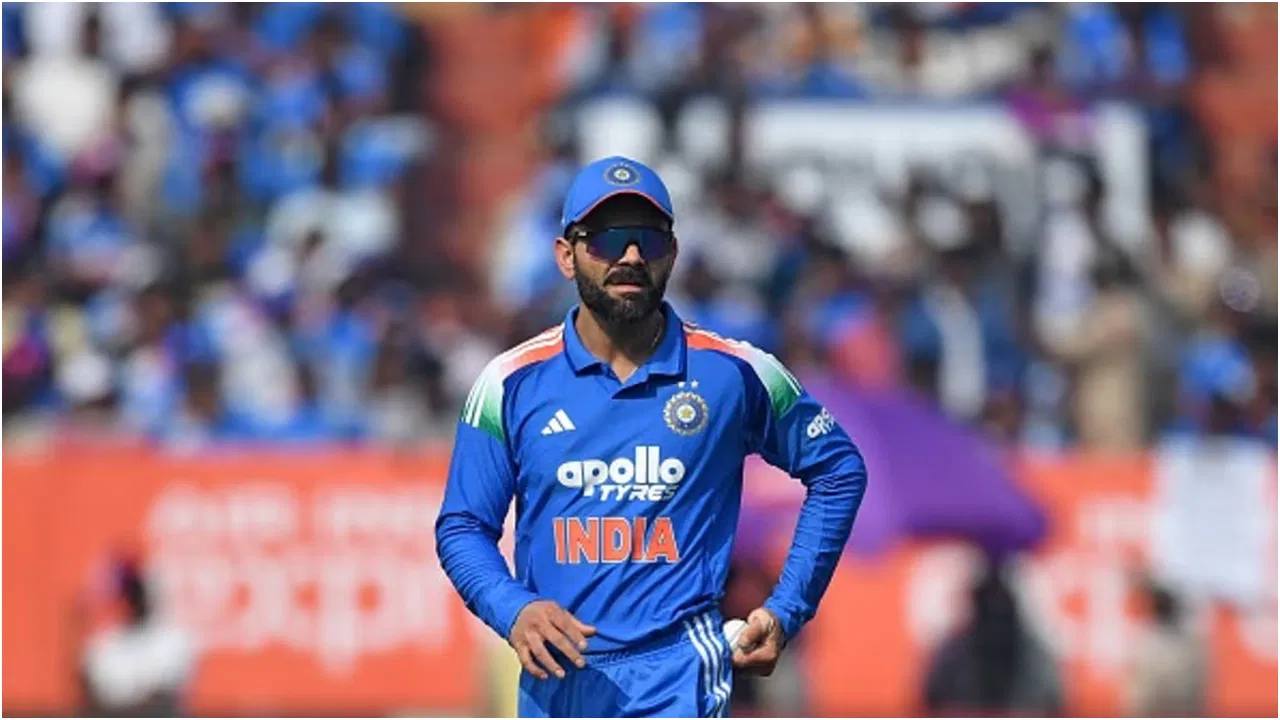
Not Jasprit Bumrah! Michael Clarke credits Virat Kohli for India’s win over England
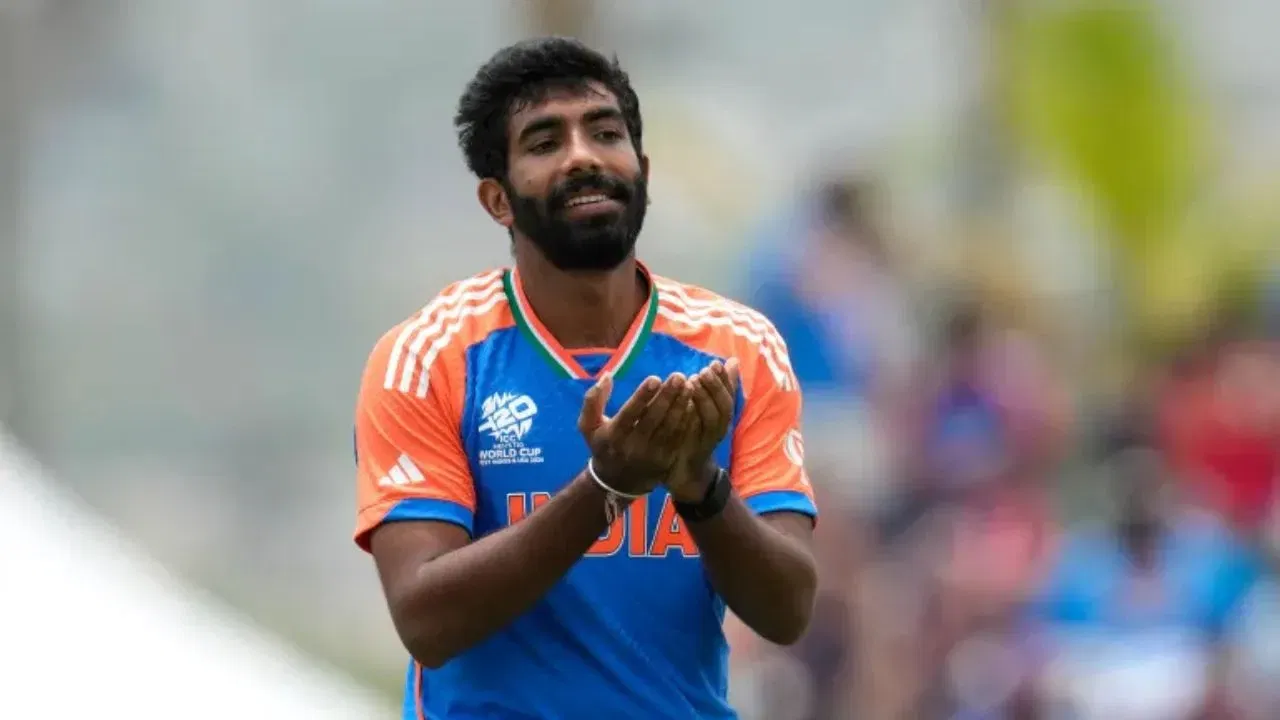
Jasprit Bumrah enters the elite list ahead of India vs New Zealand T20 World Cup 2026 Final

Varun Chakravarthy OUT, Kuldeep Yadav IN! Ex-India captain drops massive suggestion for Gautam Gambhir