

Daylight robbery with team India as umpire Kumar Dharmasena openly cheats with England
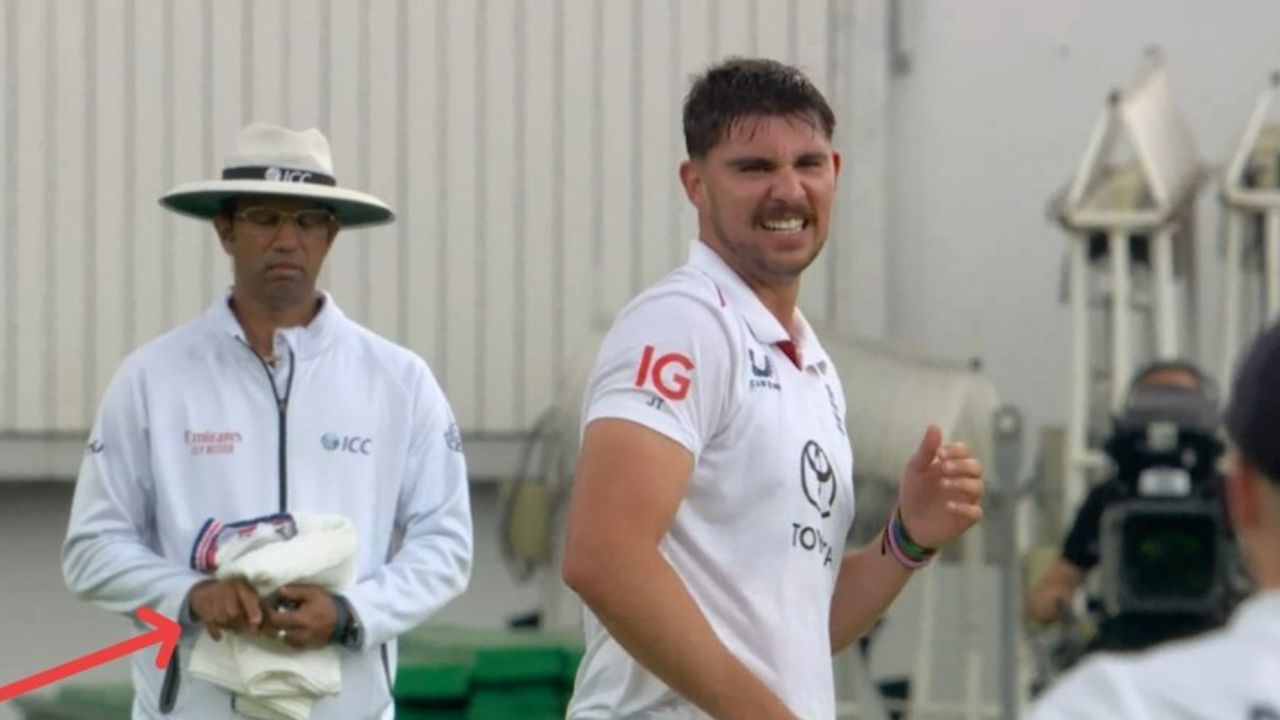
Former Cricketer Aakash Chopra Calls Out Umpire Kumar Dharmasena’s Controversial Gesture
Umpire’s Blunder during India-England Test Match at The Oval
Former cricketer Aakash Chopra has recently stirred up controversy by criticizing umpire Kumar Dharmasena for a questionable gesture made during Day 1 of the fifth Test match between India and England at The Oval. The incident occurred on Thursday, July 31, when Dharmasena indicated an inside edge during a crucial moment in India’s first innings.
During the 13th over, bowler Josh Tongue delivered an inswinging yorker to Sai Sudharsan, causing the left-handed batter to lose balance and fall while trying to defend the ball. Despite a loud LBW appeal from the English side, the on-field umpire initially turned it down. However, Dharmasena’s actions during this appeal have sparked controversy.
Instead of remaining neutral, Dharmasena signaled an inside edge by shaking his head and gesturing with his finger to indicate that the ball had hit the bat. This led to the fielding side refraining from taking a review, assuming that the decision was correct. Subsequent replays confirmed that the ball had indeed touched Sudharsan’s bat. It’s worth noting that such gestures are prohibited under Decision Review System (DRS) protocols, as umpires are not allowed to reveal their reasoning before a team decides to review.
Aakash Chopra Criticizes Dharmasena’s Influence on Play
In a video shared on Instagram, Aakash Chopra expressed his disapproval of Dharmasena’s actions, stating that the umpire’s signal may have influenced the bowling team’s decision not to review the call. Chopra emphasized that such gestures should not be made, as they can sway the outcome of the game.
Chopra highlighted the fact that in modern cricket, umpires refrain from making any gestures or comments during close calls to maintain neutrality and allow teams to use their reviews effectively. He underscored the importance of leaving the decision-making to the players and not providing any hints or clues that could impact the game’s outcome.
Karun Nair Shines as India Ends Day 1 at The Oval
Meanwhile, on the field, Indian batsman Karun Nair played a crucial role in anchoring India’s innings on the green pitch at The Oval. Nair scored an unbeaten 52 runs, marking his first fifty since his triple-century in 2016. His contribution helped India reach a total of 204 for 6 in 64 overs at the end of Day 1 of the fifth Test match against England.
As controversy surrounding umpiring decisions continues to be a topic of discussion in the cricketing world, it remains essential for officials to uphold the integrity of the game by maintaining impartiality and refraining from actions that may influence the outcome of matches.
The Impact of Umpiring Decisions on Cricket Matches
Umpiring decisions in cricket have always been a topic of debate and discussion among players, fans, and experts alike. The role of umpires in ensuring fair play and upholding the rules of the game is crucial, as their decisions can have a significant impact on the outcome of matches. In the era of technology and instant replays, the pressure on umpires to make correct decisions has increased, as the game’s stakeholders expect high levels of accuracy.
With the introduction of technologies like the Decision Review System (DRS), which allows teams to challenge on-field decisions, the scrutiny on umpires has intensified. Umpires are expected to make split-second judgments on LBW appeals, catches, and other crucial moments in the game, often under immense pressure from players, coaches, and the audience. Any deviation from neutrality or adherence to protocols can lead to controversies like the one involving Kumar Dharmasena and Aakash Chopra’s criticism.
The Evolution of Umpiring Standards in Cricket
Over the years, cricket has seen a shift in umpiring standards, with a greater emphasis on professionalism, consistency, and accuracy. Umpires undergo rigorous training and certification processes to ensure they are well-equipped to handle the challenges of modern cricket. Additionally, advancements in technology have been embraced to assist umpires in making correct decisions, reducing the margin of error and minimizing controversies.
Despite these advancements, human error remains a part of the game, and umpires are not immune to making mistakes. The key lies in how umpires handle these errors, maintain composure under pressure, and continue to uphold the spirit of the game. Umpires like Kumar Dharmasena serve as a reminder of the challenges faced by officials in high-stakes matches and the importance of maintaining professionalism and impartiality at all times.
The Role of Players and Officials in Upholding the Integrity of Cricket
While umpires play a crucial role in officiating matches, the responsibility of upholding the integrity of cricket extends to players, coaches, and other officials as well. Players are expected to respect the decisions made by umpires, even if they disagree with them, and conduct themselves in a manner that upholds the spirit of the game.
Coaches and team management also play a significant role in promoting fair play and sportsmanship among their players, emphasizing the importance of respecting the officials and the opposition. By fostering a culture of respect and integrity, cricket teams can contribute to a positive environment where controversies are minimized, and the focus remains on the skills and performance of the players.
Looking Ahead: The Future of Umpiring in Cricket
As cricket continues to evolve and embrace technological advancements, the role of umpires is likely to undergo further changes. The incorporation of artificial intelligence, augmented reality, and other innovations may redefine how decisions are made on the field, enhancing the accuracy and efficiency of officiating in cricket matches.
However, amidst these technological developments, the human element of umpiring must not be overlooked. The experience, judgment, and integrity of umpires remain invaluable in maintaining the spirit of cricket and ensuring fair play. As the game progresses into the future, striking a balance between technology and tradition will be essential in preserving the essence of cricket as a sport rooted in history, skill, and sportsmanship.
Latest News
Punjab Kings penalised! Shreyas Iyer punished after win vs Gujarat Titans in IPL 2026
Shreyas Iyer injury update: Punjab Kings captain ruled out of IPL 2026?
LSG vs DC Match No. 5 Preview: Free Live Streaming, Pitch & Weather Report, Head-to-Head | IPL 2026

LSG vs DC Match Prediction – Who Will Win Match No.5? | IPL 2026
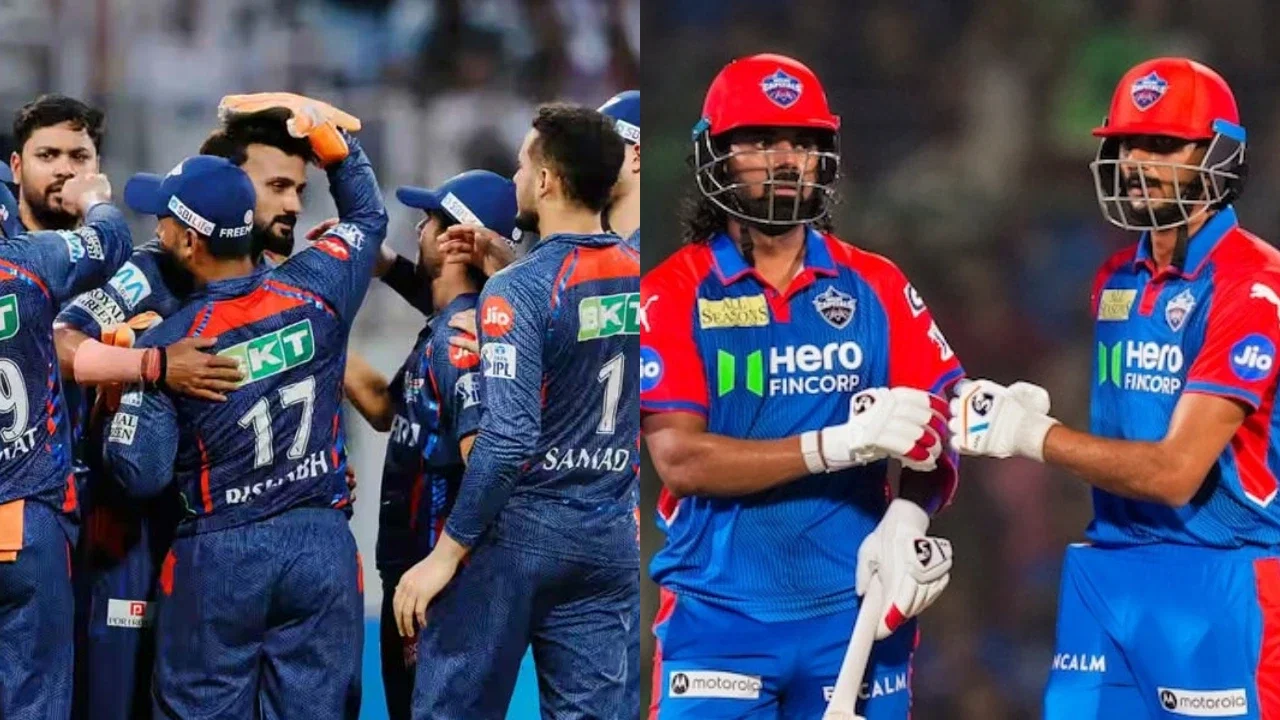
LSG Playing XI vs DC Playing XI – Match No. 5 | IPL 2026
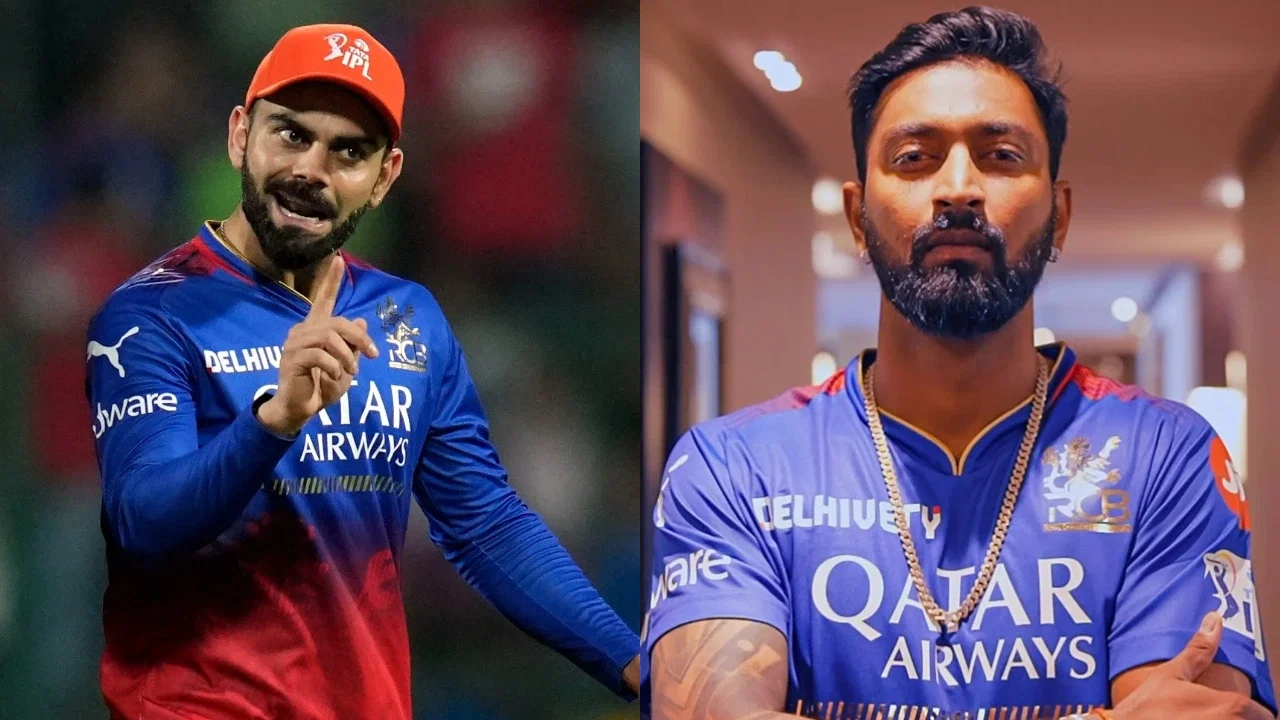
Krunal Pandya breaks silence on India snub, opens up on Virat Kohli
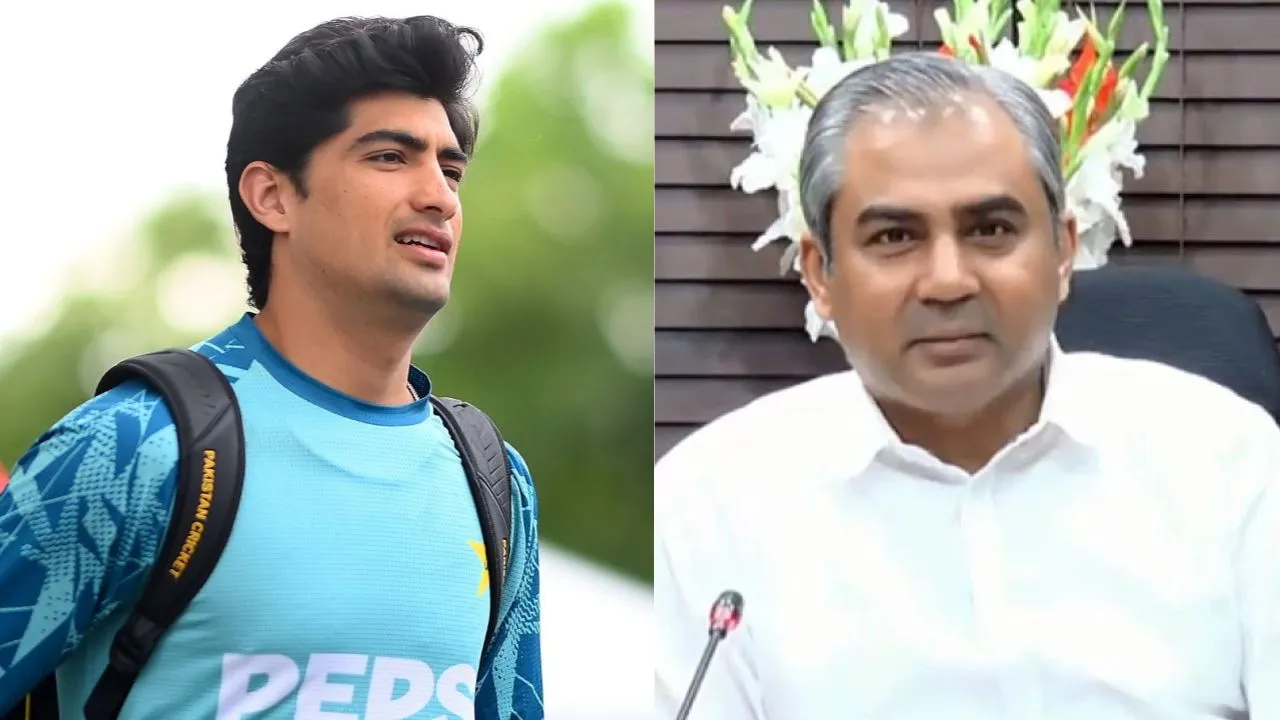
Mohsin Naqvi enforces new social media rules for Pakistan players following Naseem Shah incident
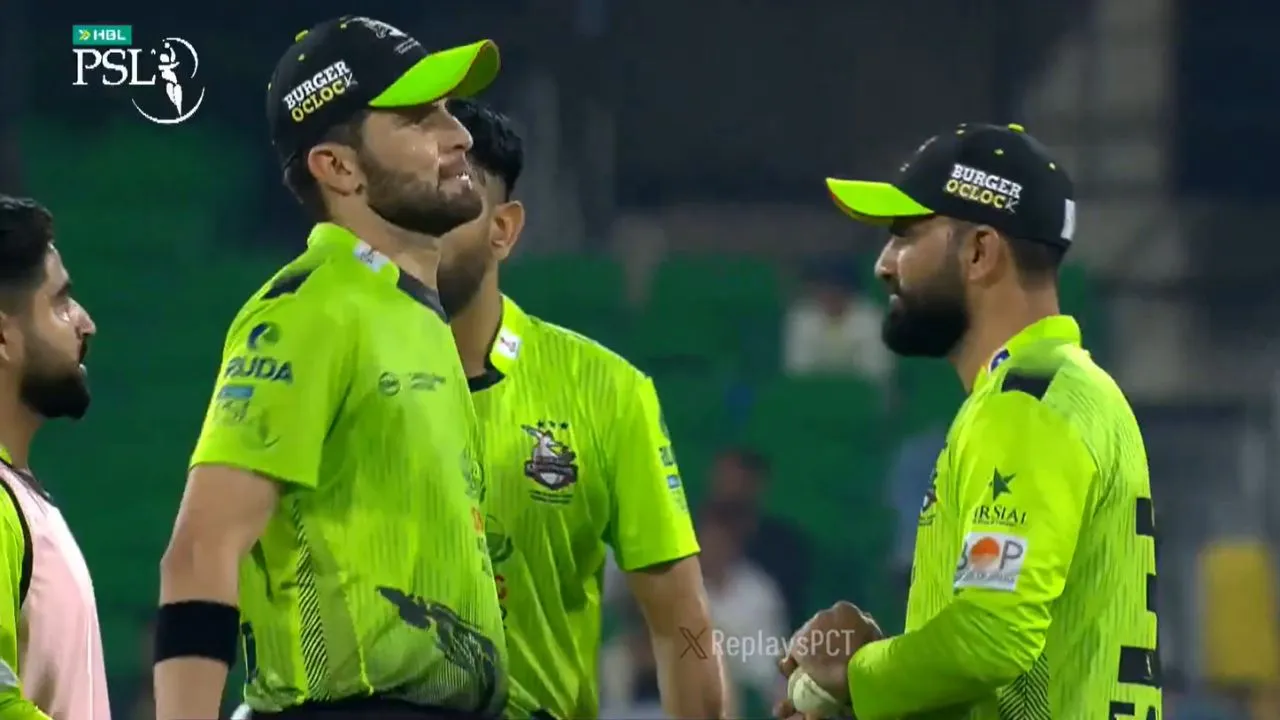
Fakhar Zaman officially handed cricket ban after PSL 2026 ball-tampering controversy
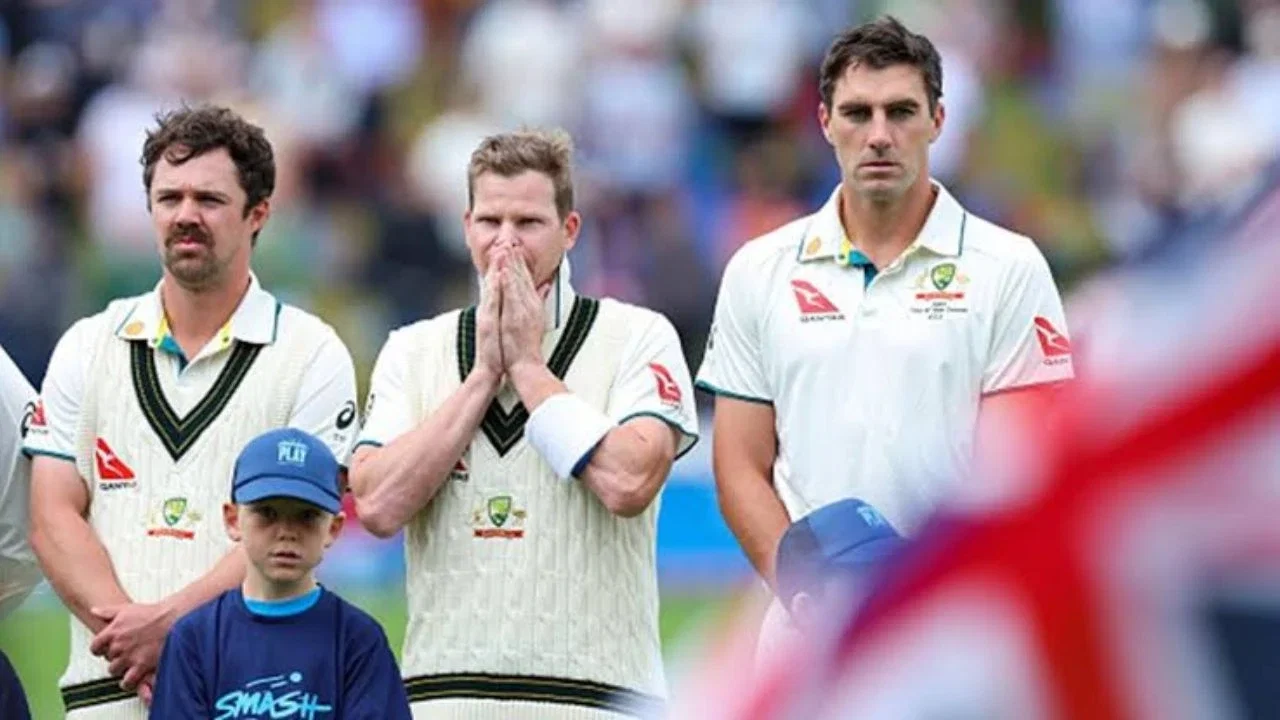
Pat Cummins forces Cricket Australia to slash central contracts list to secure premium deal
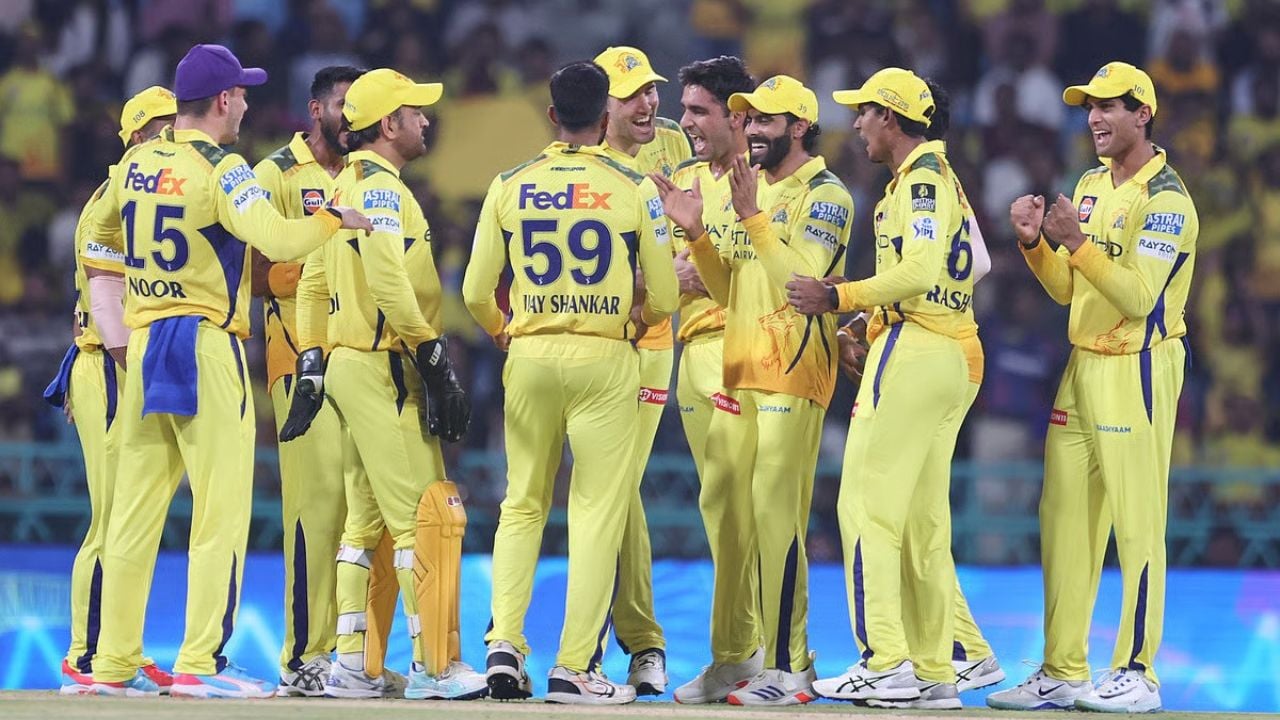
CSK’s big promise to players revealed amid IPL 2026: “Whatever BCCI offers, we’ll double it”
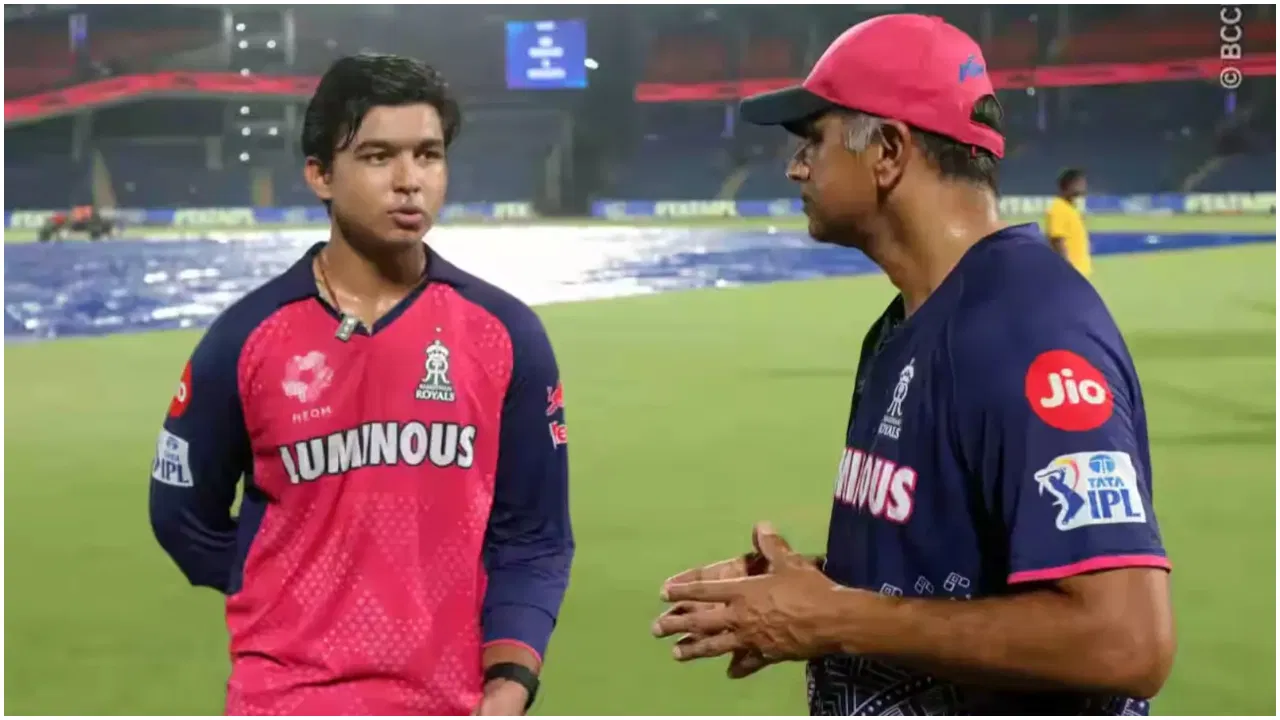
Ravichandran Ashwin rules out Vaibhav Sooryavanshi’s India call-up
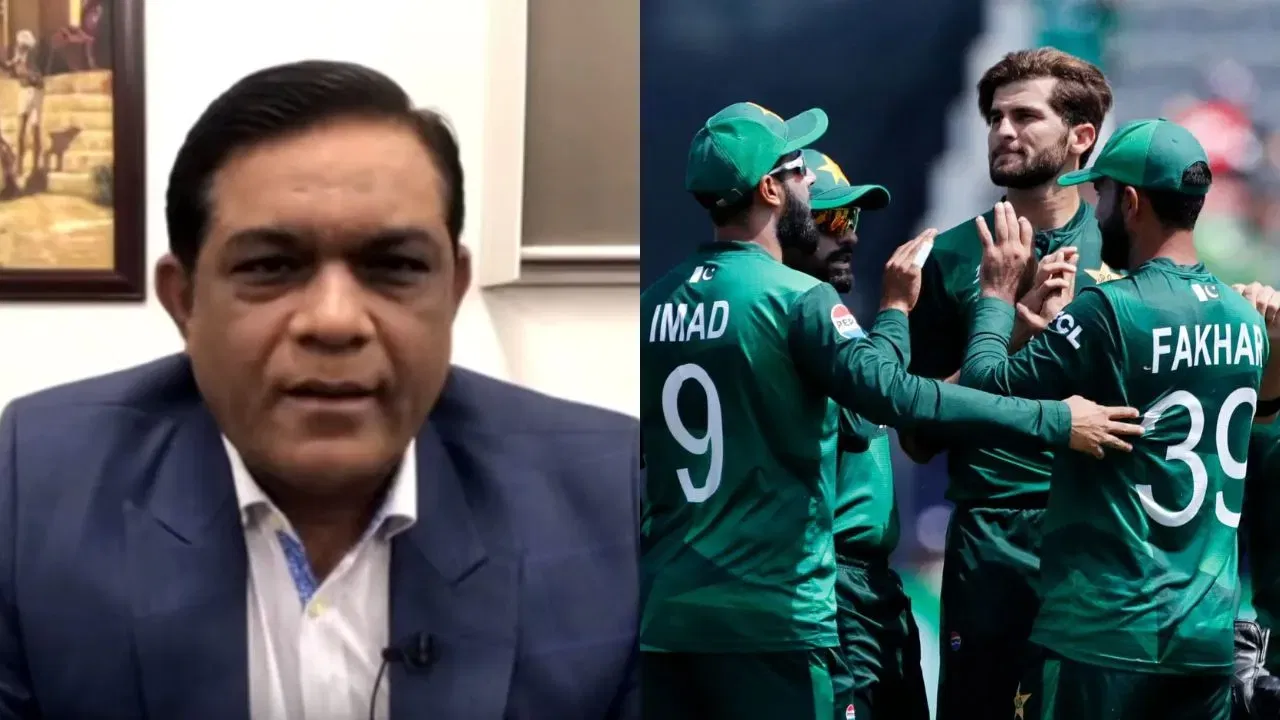
Rashid Latif claims PSL ball-tampering row was deliberately created for attention amid IPL rivalry
Mohammed Shami breaks silence on retirement buzz after India snub; has special message for LSG
Mohammed Shami reveals IPL 2026 Top 4, leaves out five-time champions

