Delhi Capitals coach reveals desire to buy Pakistan players
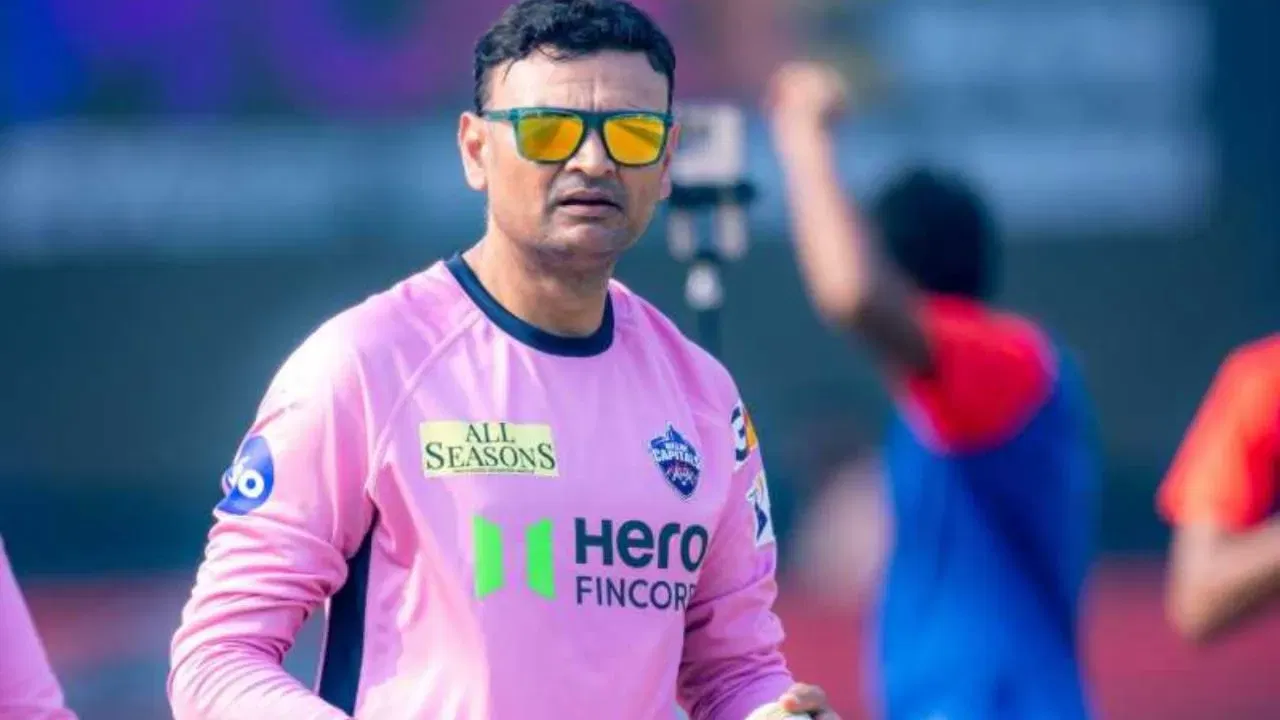
Delhi Capitals Coach Hemang Badani’s Insight into The Hundred Auction
Delhi Capitals coach, Hemang Badani, recently shed light on his experience as the head coach of Southern Brave in The Hundred, revealing his intentions to include Pakistani players in the auction. However, due to unforeseen circumstances, the franchise did not end up signing any Pakistani players.
Amid the ongoing debate surrounding the inclusion of Pakistani players in cricket leagues, the recent fiasco involving Indian and Pakistani players once again surfaced during The Hundred. With Indian owners taking over various franchises in the ECB-controlled league, speculations arose that coaches were restricted from bidding on players of Pakistani origin.
One such franchise affected by this ownership change was Southern Brave, which saw its stakes acquired by Delhi Capitals owners. Consequently, Delhi Capitals appointed Hemang Badani as the head coach of the franchise in The Hundred.
During the auction, Badani expressed his initial intentions to bid for Pakistani players, having identified a few names of interest. However, the team ultimately focused on building a squad that aligned with their strategic goals, opting for players like South African batter Tristan Stubbs, Australian all-rounder Marcus Stoinis, and lead spinner Adil Rashid.
Badani emphasized the importance of discipline and patience in navigating the fast-paced auction process. He highlighted the need to remain adaptable and composed, even when faced with unexpected outcomes. While acknowledging that not all planned targets may be achieved in an auction, he stressed the significance of securing around 70-75% of desired players to consider the auction successful.
Aside from acquiring established players, Southern Brave also made strategic investments in familiar faces like Chris Jordan and promising talents like English U-19 cricketer Thomas Rew. Badani revealed that Jordan’s experience and familiarity with the conditions made him a valuable addition to the team, while Rew’s impressive performance in the U-19 World Cup caught the attention of the Delhi Capitals coach.
Overall, Hemang Badani’s insights into The Hundred auction provide a glimpse into the thought process and strategies employed by franchises when navigating the competitive player acquisition landscape. While the debate over the inclusion of Pakistani players continues, teams like Southern Brave are focused on building a well-rounded squad that can compete at the highest level.
Strategic Considerations in The Hundred Auction
When participating in auctions for cricket leagues like The Hundred, strategic considerations play a crucial role in determining a team’s success. Hemang Badani’s experience as a coach sheds light on the intricate decision-making process involved in selecting players and building a competitive squad. Beyond just identifying talented individuals, franchises must also assess how each player fits into their overall team strategy and complements the existing roster.
One key aspect that Badani highlighted was the need for adaptability during the auction process. With limited time and intense competition for top players, teams must be prepared to pivot their strategies based on real-time developments. This flexibility allows them to capitalize on opportunities and make calculated decisions under pressure, ultimately shaping the composition of their squad.
The Significance of Player Chemistry
Building a successful team in a tournament like The Hundred goes beyond individual talent; it also hinges on the synergy and chemistry among players. Hemang Badani’s emphasis on selecting a mix of experienced players like Chris Jordan and promising talents like Thomas Rew underscores the importance of balancing skillsets and personalities within the team. Creating a cohesive unit where players complement each other’s strengths and work towards a common goal is essential for on-field success.
Furthermore, the inclusion of players from diverse backgrounds and playing styles adds depth and versatility to the squad, allowing for strategic flexibility during matches. By carefully curating a team with a blend of established veterans and emerging stars, franchises can create a dynamic and resilient lineup capable of facing any challenge on the cricket field.
Striving for Success in a Competitive Environment
Competing in tournaments like The Hundred demands a relentless pursuit of excellence and a commitment to continuous improvement. Hemang Badani’s approach to the auction process reflects the intense competition and high stakes involved in assembling a winning team. While not every target may be attainable, securing a majority of desired players is a crucial measure of success in a competitive auction environment.
Beyond just acquiring talent, teams must also focus on nurturing and developing their players to maximize their potential and performance on the field. The investment in up-and-coming talents like Thomas Rew highlights the importance of grooming future stars and cultivating a pipeline of talent for sustained success in the long term.
Looking Ahead: The Evolution of The Hundred
As cricket leagues like The Hundred continue to evolve and attract global interest, the landscape of player acquisitions and team compositions will also undergo changes. The inclusion of players from different cricketing nations, including Pakistan, will likely remain a topic of discussion as franchises seek to assemble competitive rosters while navigating geopolitical sensitivities.
Hemang Badani’s insights into The Hundred auction offer a glimpse into the complexities and nuances of team building in a fast-paced and dynamic environment. By leveraging strategic foresight, player chemistry, and a relentless pursuit of success, franchises can position themselves for sustained competitiveness and achievement in the ever-evolving world of professional cricket.
Overall, Hemang Badani’s experience as a coach in The Hundred sheds light on the multifaceted considerations and strategic maneuvers essential for thriving in modern cricket leagues, where talent, teamwork, and adaptability are key ingredients for success.
Latest News

Blessing Muzarabani ditches PSL team, joins KKR for IPL 2026
Delhi Capitals coach reveals desire to buy Pakistan players
Ex-CSK star drops retirement hint of MS Dhoni ahead of IPL 2026
Mehidy Hasan Miraz BREAKS spirit of cricket rule to dismiss Salman Ali Agha
‘Stephen Fleming will tell MS Dhoni that we’re dropping you?’ – CSK face massive dilemma before IPL 2026
Gudakesh Motie rejects Shaheen Afridi’s team, pulls out of PSL over shocking reason
IPL 2026 to be SHUTDOWN due to……

Mohammad Amir attacks Gautam Gambhir for targeting Virat Kohli over personal milestones

Dinesh Karthik insults Virat Kohli while naming all-time RCB XI

SRH IPL contract termination loading? BCCI breaks silence on Abrar Ahmed controversy
Venkatesh Iyer ignored from RCB XI, told to warm bench in IPL 2026
“I am convinced…” – Sanju Samson’s ODI comeback guaranteed by ex-India head coach
‘Abhishek Sharma is a rascal’ – Ex-KKR star drops shocking remark before IPL 2026
“He is very soft-spoken” – Nitish Rana reveals Mitchell Starc’s real personality