

Delhi High Court directs Google, Meta, X to act on Sunil Gavaskar identity misuse case
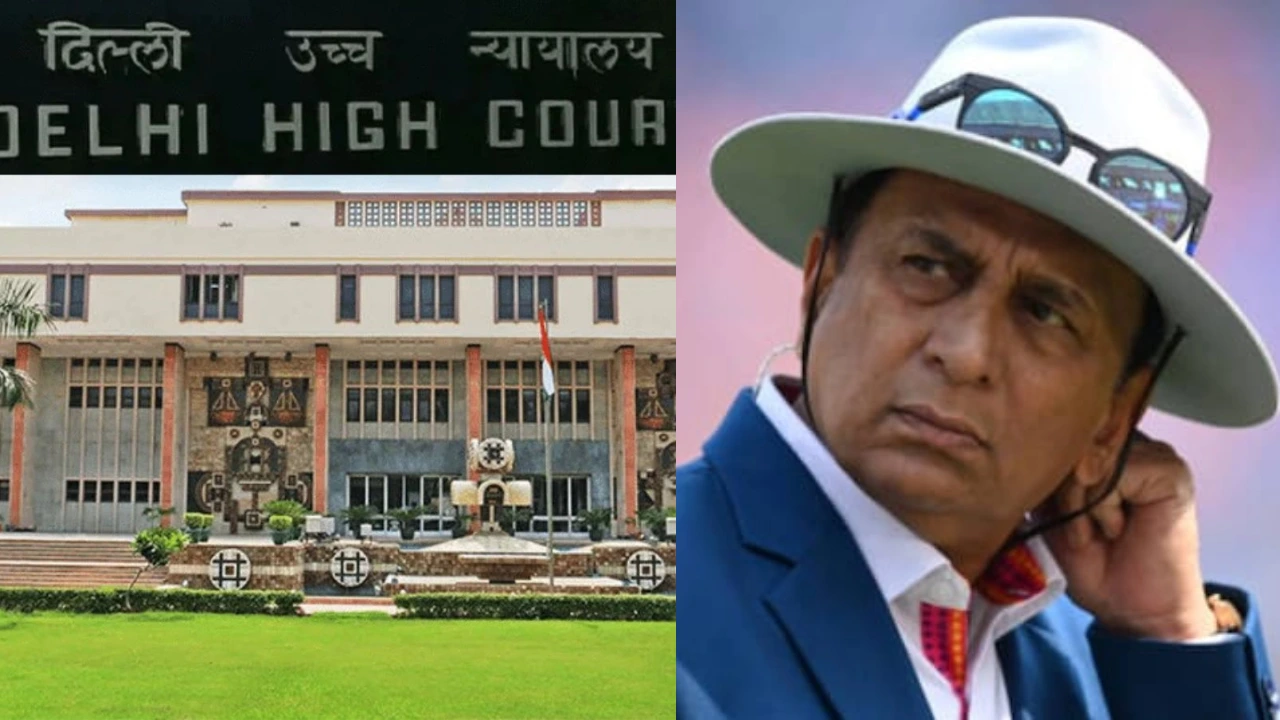
Delhi High Court Protects Sunil Gavaskar’s Rights Against Unauthorized Use
The Delhi High Court has taken a significant step to safeguard the rights of iconic Indian cricketer and commentator, Sunil Gavaskar. In response to a plea filed by Gavaskar seeking protection of his personality and publicity rights, the court has directed social media platforms and intermediaries to take action within seven days.
Sunil Gavaskar’s Plea
Sunil Gavaskar, a former Indian cricket captain, approached the Delhi High Court after discovering that his name, images, likeness, and persona were being used without authorization on various social media platforms and e-commerce websites. His primary concern was to ensure that his personality rights are respected and any unauthorized use of his identity is halted.
Court’s Directive
The Delhi High Court has instructed the intermediaries to provide Basic Subscriber Information (BSI) and IP details of the alleged infringers. Defendants 7, 10, and 11 have been mandated to treat Gavaskar’s complaint as a formal one and take action against any content that violates his rights within a week. Justice Manmeet Pritam Singh Arora emphasized the importance of approaching intermediaries before resorting to legal action.
The case is set to be heard next on December 22, with Gavaskar required to submit specific URLs of the infringing content he wants removed within 24 hours through his legal counsel. Platforms such as Google, Meta, and X must then act promptly within seven days.
Concerns Over Misuse of Technology
Senior Advocate Gopal Jain, representing Sunil Gavaskar, highlighted that the cricketer sought court intervention to protect his personality and publicity rights. Gavaskar’s name and identity have been exploited through fake content online, including fabricated statements misattributed to him.
The court also addressed the misuse of technology, including AI deepfakes, voice cloning, fake visuals, and the unauthorized sale of digital items using individuals’ identities. Such actions not only violate publicity rights but also infringe on dignity and privacy.
Emphasis on Genuine Content
While warning against the misuse of technology and unauthorized use of identities, the Delhi High Court has clarified that genuine satire, creative works, news reporting, and commentary should not be restricted. The court aims to strike a balance between protecting individuals’ rights and preserving freedom of expression.
In conclusion, the Delhi High Court’s actions underscore the importance of safeguarding public figures’ rights in an increasingly digital world where unauthorized use of identities poses a significant threat. By holding intermediaries accountable and emphasizing the need for prompt action, the court sends a clear message against identity misuse and deepfake technology.
Impact of the Ruling on Celebrities and Public Figures
The Delhi High Court’s ruling in Sunil Gavaskar’s case sets a crucial precedent for celebrities and public figures in India and beyond. With the proliferation of social media and digital platforms, the misuse of personalities for commercial gain or spreading misinformation has become a prevalent issue. By upholding Gavaskar’s rights and directing swift action against infringers, the court sends a clear message that individuals’ identities are not up for unauthorized exploitation.
This ruling is likely to empower other celebrities and public figures to assert their personality and publicity rights, knowing that legal recourse is available to protect them against unauthorized use. It also highlights the increasing need for platforms to implement robust mechanisms to prevent the unauthorized dissemination of individuals’ identities.
Challenges Posed by Deepfake Technology
One of the key concerns raised in Sunil Gavaskar’s case is the misuse of technology, particularly deepfakes. Deepfake technology allows for the creation of highly believable fake videos or audio recordings that manipulate individuals’ appearances or voice. In the context of public figures like Gavaskar, deepfakes can be used to spread misinformation, defame their character, or misrepresent their views.
The court’s recognition of the dangers posed by deepfake technology underscores the need for robust regulations and enforcement mechanisms to combat its misuse. As technology continues to advance, the potential for deepfakes to cause harm increases, making it essential for legal frameworks to adapt and stay ahead of such threats.
The Balancing Act of Protecting Rights and Preserving Expression
While the Delhi High Court’s ruling in Sunil Gavaskar’s case aims to protect individuals’ rights, it also emphasizes the importance of preserving freedom of expression. The court’s directive to differentiate between genuine content and unauthorized use of identities reflects a nuanced approach to tackling the issue.
By striking a balance between safeguarding individuals’ rights and upholding the principles of free speech, the court sets a standard for addressing similar cases in the future. This approach not only protects public figures from exploitation but also ensures that legitimate forms of expression, such as satire and commentary, are not unduly restricted.
Looking Ahead: Evolving Legal Landscape in the Digital Age
The Delhi High Court’s proactive stance in Sunil Gavaskar’s case signals a growing recognition of the challenges posed by digital technologies and the need for robust legal frameworks to address them. As the digital landscape continues to evolve, courts and legislators worldwide will face increasing pressure to adapt and respond to emerging threats such as deepfakes, unauthorized use of identities, and online misinformation.
By taking a decisive stand to protect Sunil Gavaskar’s rights, the court not only safeguards his reputation and privacy but also sets a broader precedent for the protection of individuals’ identities in an interconnected and digital world. This ruling underscores the ongoing importance of legal mechanisms in ensuring accountability, upholding rights, and promoting a safe and ethical online environment for all.
Latest News
Punjab Kings penalised! Shreyas Iyer punished after win vs Gujarat Titans in IPL 2026
Shreyas Iyer injury update: Punjab Kings captain ruled out of IPL 2026?
LSG vs DC Match No. 5 Preview: Free Live Streaming, Pitch & Weather Report, Head-to-Head | IPL 2026
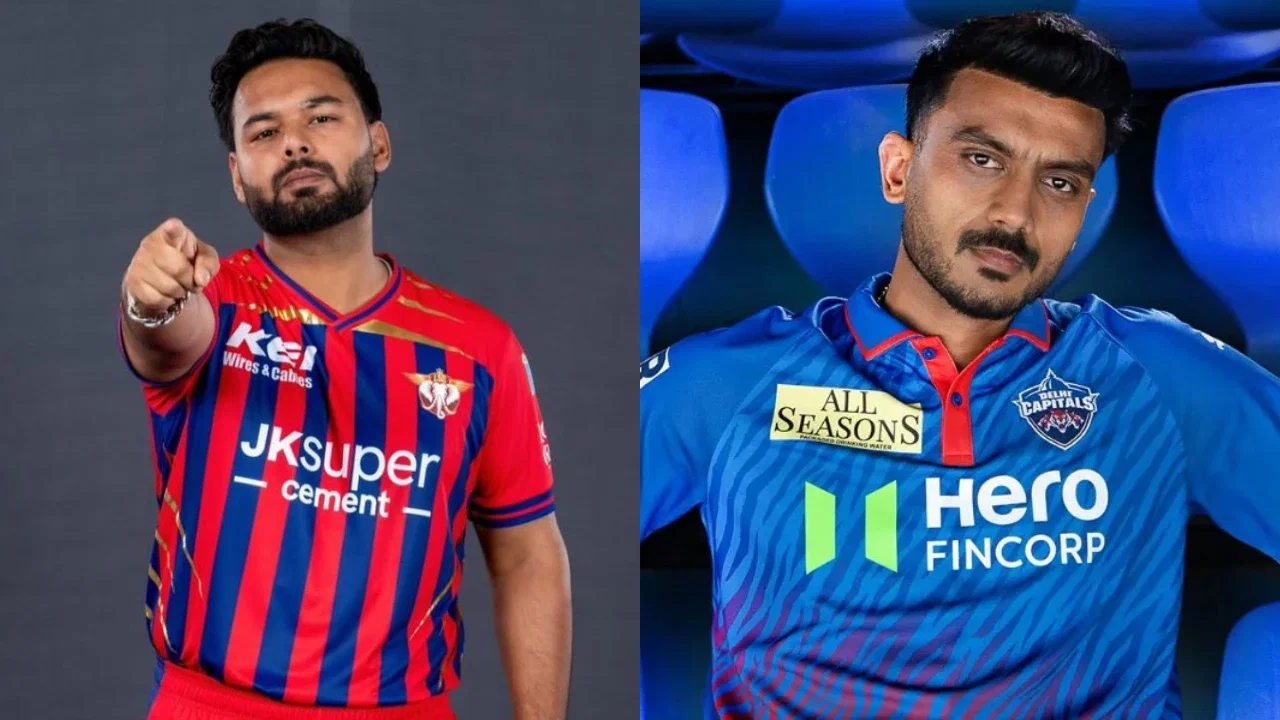
LSG vs DC Match Prediction – Who Will Win Match No.5? | IPL 2026
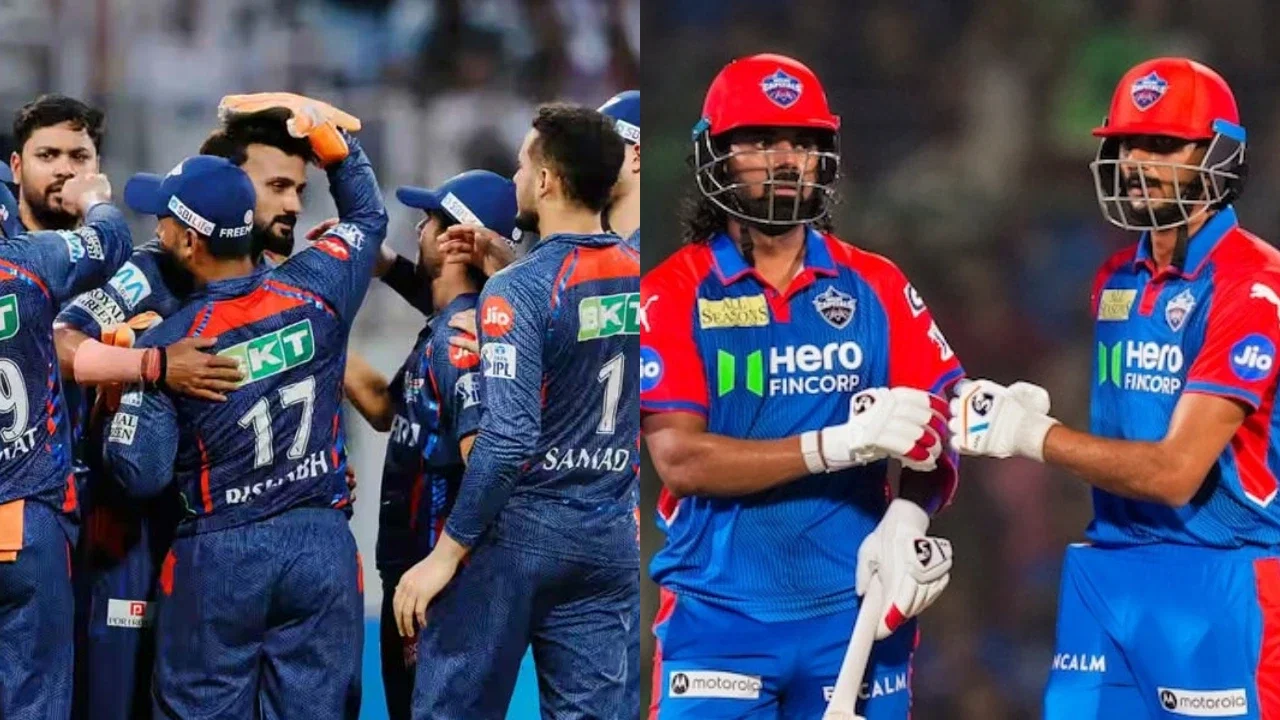
LSG Playing XI vs DC Playing XI – Match No. 5 | IPL 2026
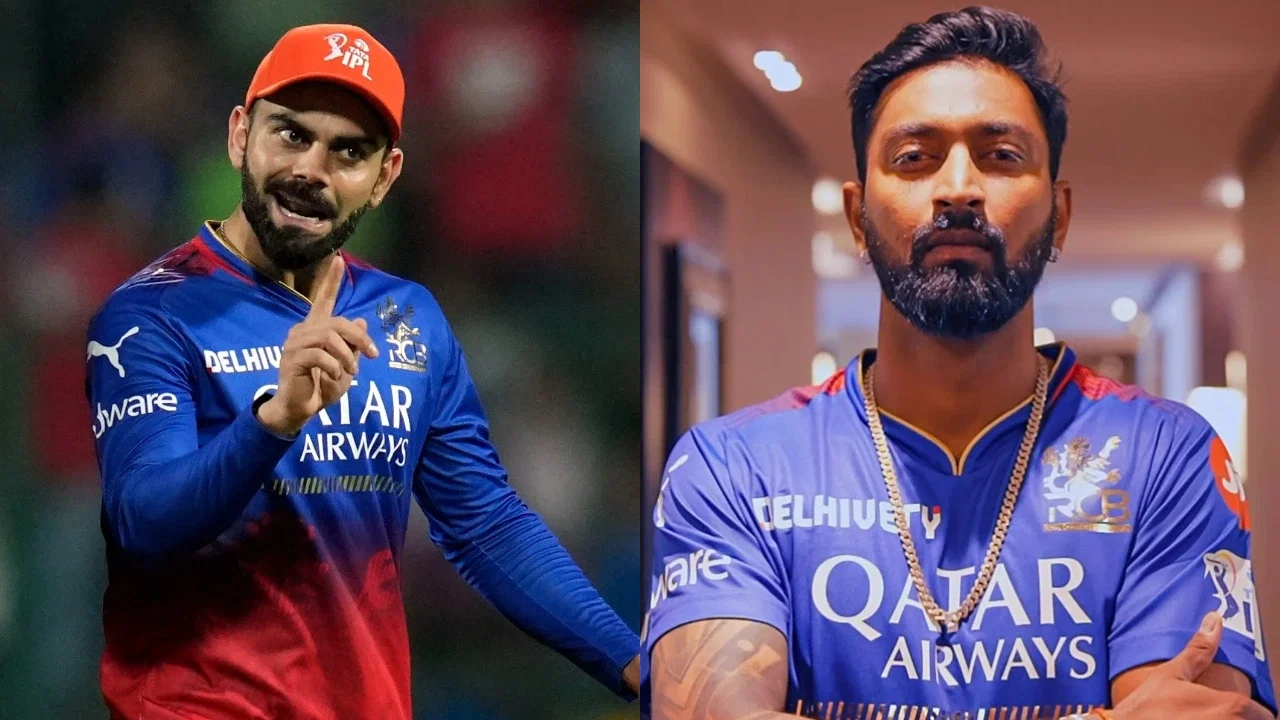
Krunal Pandya breaks silence on India snub, opens up on Virat Kohli
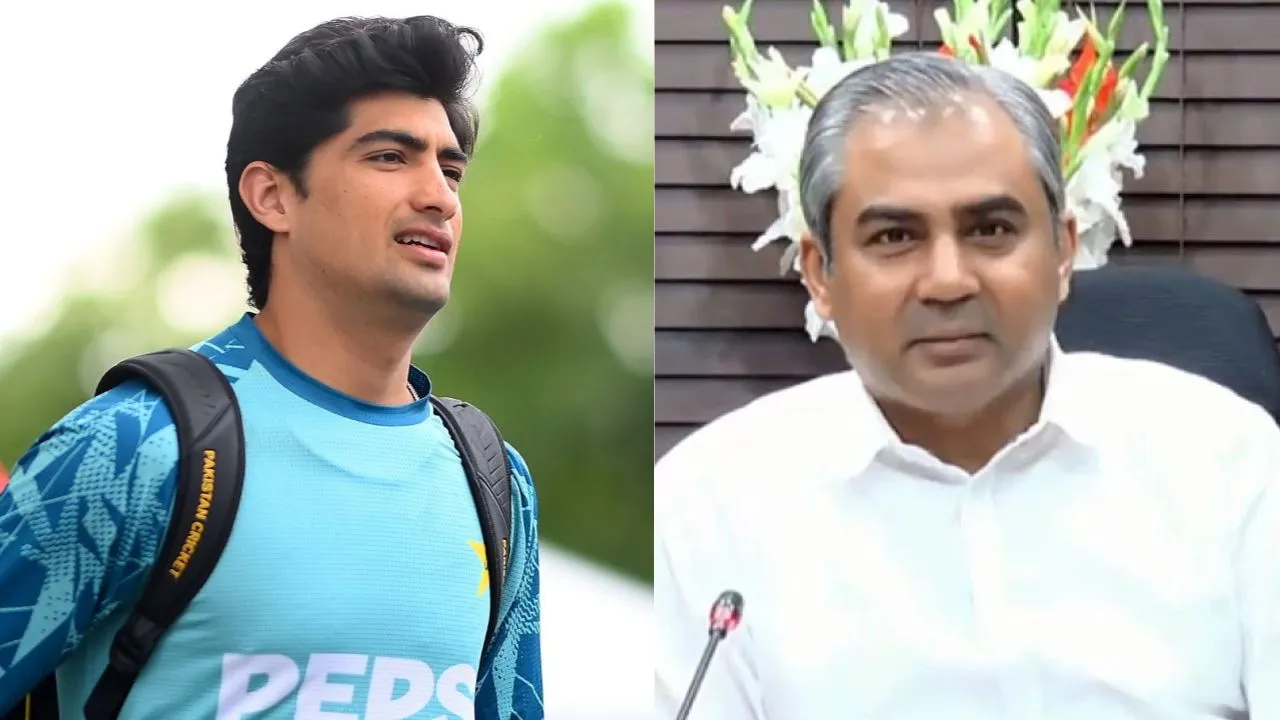
Mohsin Naqvi enforces new social media rules for Pakistan players following Naseem Shah incident
Fakhar Zaman officially handed cricket ban after PSL 2026 ball-tampering controversy
Pat Cummins forces Cricket Australia to slash central contracts list to secure premium deal
CSK’s big promise to players revealed amid IPL 2026: “Whatever BCCI offers, we’ll double it”
Ravichandran Ashwin rules out Vaibhav Sooryavanshi’s India call-up
Rashid Latif claims PSL ball-tampering row was deliberately created for attention amid IPL rivalry
Mohammed Shami breaks silence on retirement buzz after India snub; has special message for LSG
Mohammed Shami reveals IPL 2026 Top 4, leaves out five-time champions

