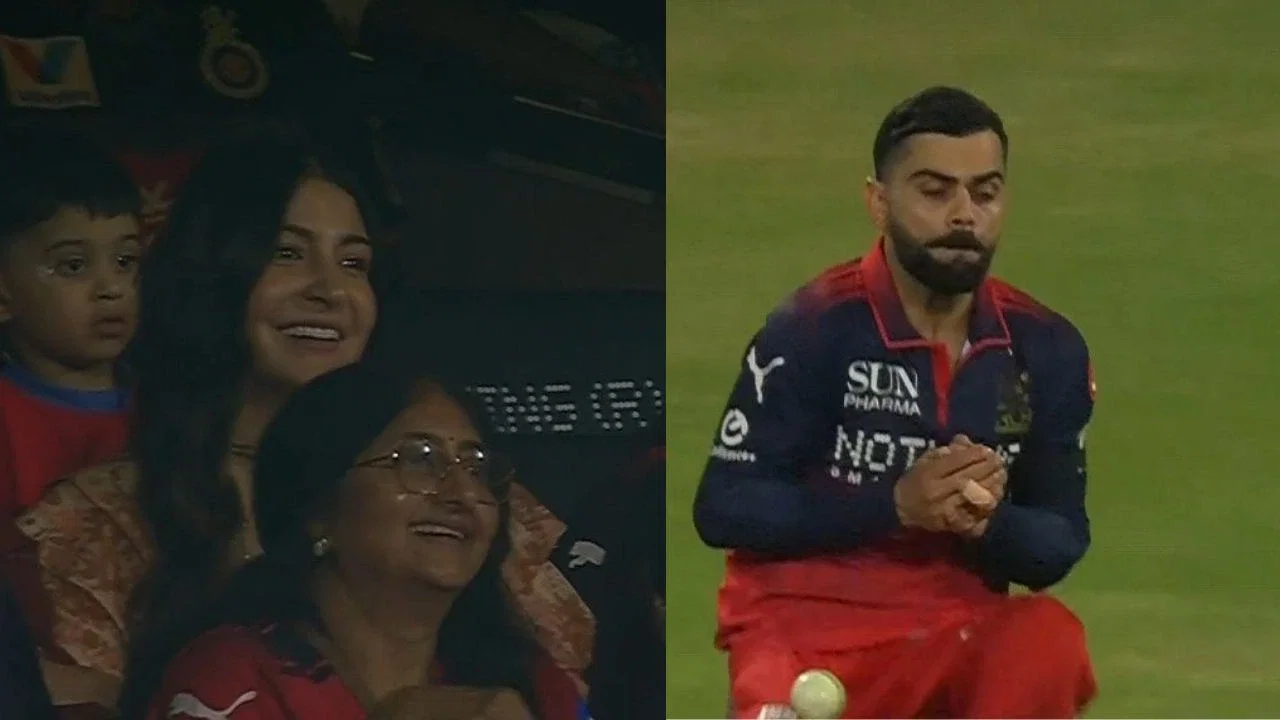
‘Disrespectful…stay humble’: Anil Kumble, Cheteshwar Pujara, Parthiv Patel destroy Shukri Conrad over ‘grovel’ remark
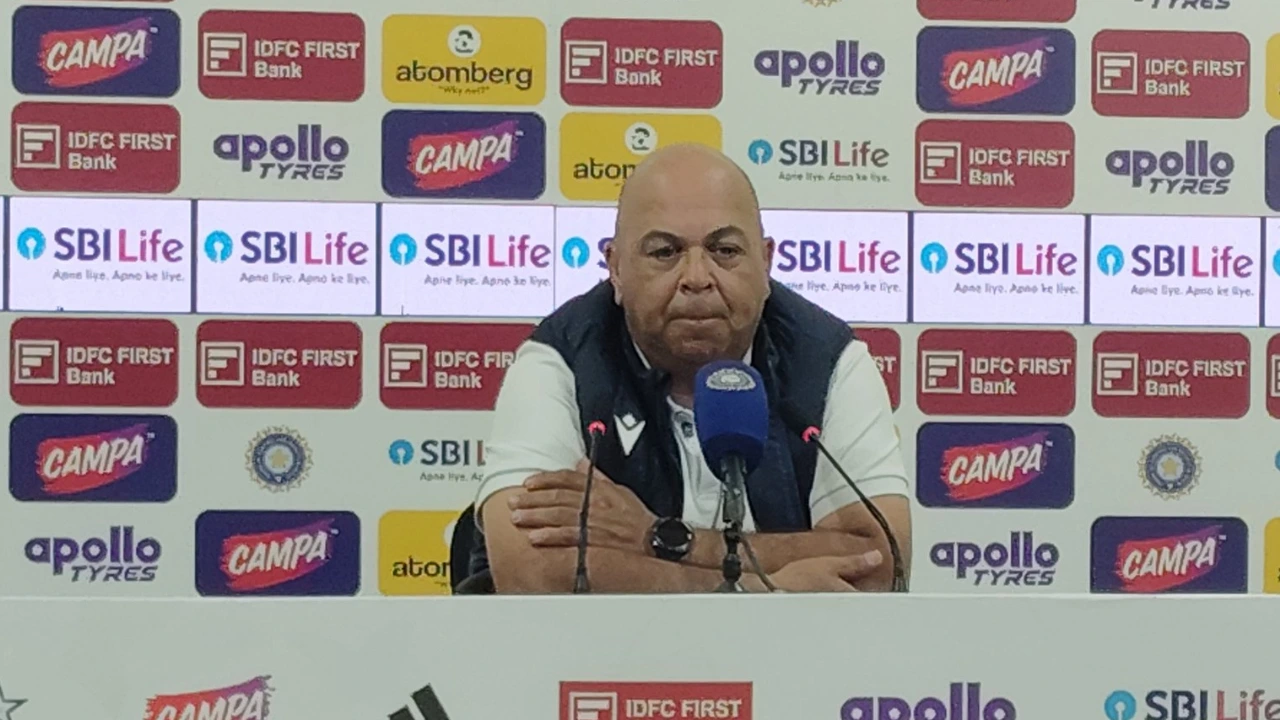
Controversy Erupts as South Africa Coach Aims to Make India “Grovel” in Second Test
South Africa’s head coach, Shukri Conrad, stirred up a major controversy during the second Test in Guwahati by stating his intention to make India “grovel.” The remark, made on Day 4 of the match, did not sit well with former Indian cricketers, including Anil Kumble, Cheteshwar Pujara, Parthiv Patel, and Aakash Chopra, who criticized the coach’s choice of words.
South Africa’s Bold Decision Raises Eyebrows
On the fateful day, South Africa decided to continue batting after lunch, even though the pitch in Guwahati had shown little signs of deterioration. With a massive lead of 508 runs at the lunch break, the visitors opted to bat further until Ravindra Jadeja dismissed Tristan Stubbs, who had scored 94 runs, leading to Conrad’s controversial statement.
Conrad defended the decision by stating that South Africa deliberately wanted to bat long in the second innings to make India spend extended hours on the field, both physically and mentally. However, his choice of words in wanting to make India “grovel” caught everyone’s attention.
Outrage from Indian Cricketing Legends
Parthiv Patel, speaking on Star Sports, expressed his disappointment with Conrad’s remark, highlighting the weight and history associated with the term “grovel.” Patel deemed the statement disrespectful and predicted that an apology might be in order from Conrad on the final day of the Test.
Similarly, Anil Kumble criticized Conrad’s language, emphasizing the importance of humility when a team is in control. Kumble referenced a similar incident in cricket history when an England captain’s use of the term “grovel” against the West Indies backfired. He stressed the need for humility and respect, especially during moments of victory.
Indian Players Respond with Resilience
Cheteshwar Pujara acknowledged that Conrad’s statement would fuel the Indian team but also acknowledged that it would sting. Pujara encouraged the players to channel their emotions into their cricketing performance, focusing on discipline, partnerships, and resilience to respond to the controversy on the field.
In conclusion, while the controversy surrounding Shukri Conrad’s remark continues to make headlines, the focus shifts to the players’ response on the field. As the second Test in Guwahati progresses, all eyes are on how India will counter South Africa’s dominance and whether the players will let their cricket do the talking in response to the coach’s provocative statement.
Understanding the Impact of Psychological Warfare in Cricket
Shukri Conrad’s controversial statement aimed at making India “grovel” sheds light on the psychological warfare that often takes place in the world of cricket. In a sport where mental toughness plays a significant role in performance, such tactics are not uncommon. By attempting to unsettle the opposition with provocative remarks, coaches and players seek to gain a psychological edge over their rivals.
Psychological warfare in cricket can manifest in various forms, ranging from verbal sledging on the field to mind games through the media. These tactics are aimed at destabilizing the opposing team’s mental state, disrupting their focus, and potentially affecting their performance on the field. While some may view it as part of the game, others argue that it crosses ethical boundaries and detracts from the spirit of sportsmanship.
The Evolution of Cricketing Rivalries
Historically, cricket has been a sport that has witnessed intense rivalries between nations, teams, and players. These rivalries often stem from a combination of factors, including historical tensions, competitive spirit, and the desire for supremacy on the cricketing stage. The rivalry between India and South Africa is no exception, with each match between the two teams carrying a significant weight of expectations and emotions.
In the context of the ongoing second Test in Guwahati, the controversy sparked by Shukri Conrad’s statement adds another layer of intensity to an already fiercely contested series. As the teams battle it out on the field, the underlying tension between them serves to elevate the stakes and create a charged atmosphere that captivates fans and pundits alike.
Resilience and Determination: Key Traits of Successful Teams
While the controversy surrounding Conrad’s remark has captured headlines, it is ultimately the response of the players on the field that will determine the outcome of the match. In times of adversity and provocation, successful teams exhibit resilience, determination, and a laser focus on their performance. The ability to block out distractions, stay composed under pressure, and deliver their best cricket is what sets champions apart from the rest.
As India prepares to counter South Africa’s dominance in the second Test, the spotlight is on how the players will channel their emotions and energy into their game. The team’s response to the controversy will not only shape the narrative of the match but also reveal their character, unity, and ability to rise above external provocations.
Conclusion: The Intriguing Dynamics of Cricketing Controversies
Cricket, with its rich history, passionate fans, and competitive spirit, is a sport that thrives on drama, rivalries, and controversies. The incident involving Shukri Conrad’s statement is just one example of the multifaceted nature of cricket, where on-field battles are often accompanied by off-field tensions and mind games.
As the second Test between India and South Africa reaches its conclusion, the lasting impact of Conrad’s remark remains to be seen. However, what is certain is that the controversy has added an extra layer of intrigue and intensity to the series, making every moment on the field a potential turning point in the narrative of the match.
Latest News

SRH suffer huge blow! Daniel Vettori confirms another overseas pacer injured amid crisis

IPL Points Table 2026: Updated Standings, Orange Cap, Purple Cap After RCB vs SRH Match 1
Virat Kohli, Anushka Sharma share adorable flying kiss moment after RCB vs SRH clash
“Absolutely world-class”: Virat Kohli backs Devdutt Padikkal for permanent Team India spot
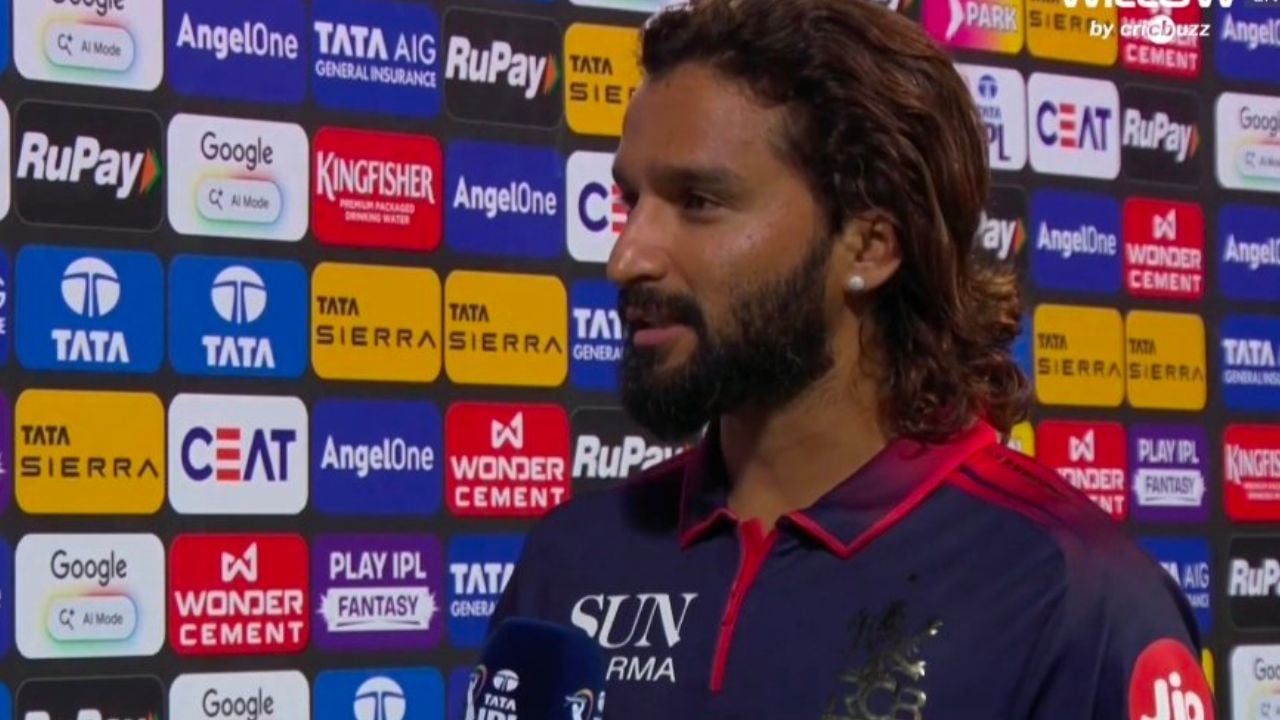
Rajat Patidar refuses to comment on Virat Kohli; Ishan Kishan admits enjoying after SRH’s loss to RCB

Mumbai Indians suffer blow! Mitchell Santner, Will Jacks ruled out of IPL 2026 games
MI vs KKR Match Prediction – Who Will Win Match No.2? | IPL 2026
Mumbai Indians Playing XI vs Kolkata Knight Riders Playing XI- Match No. 2 | IPL 2026
MI vs KKR Match 2 Preview: Free Live Streaming, Pitch & Weather Report, Head-to-Head | IPL 2026
Not English cricket! Jos Buttler credits IPL for his success as a cricketer
“Nitish Kumar Reddy is biggest fraud”: Fans fume as SRH star fails vs RCB in IPL 2026 opener
Who is Abhinandan Singh? The Virat Kohli troublemaker who made his IPL debut for RCB vs SRH
Heinrich Klaasen engages in heated chat with 4th umpire after Phil Salt’s controversial catch in IPL 2026
Phil Salt grabs one of the greatest catches in IPL history to dismiss Ishan Kishan