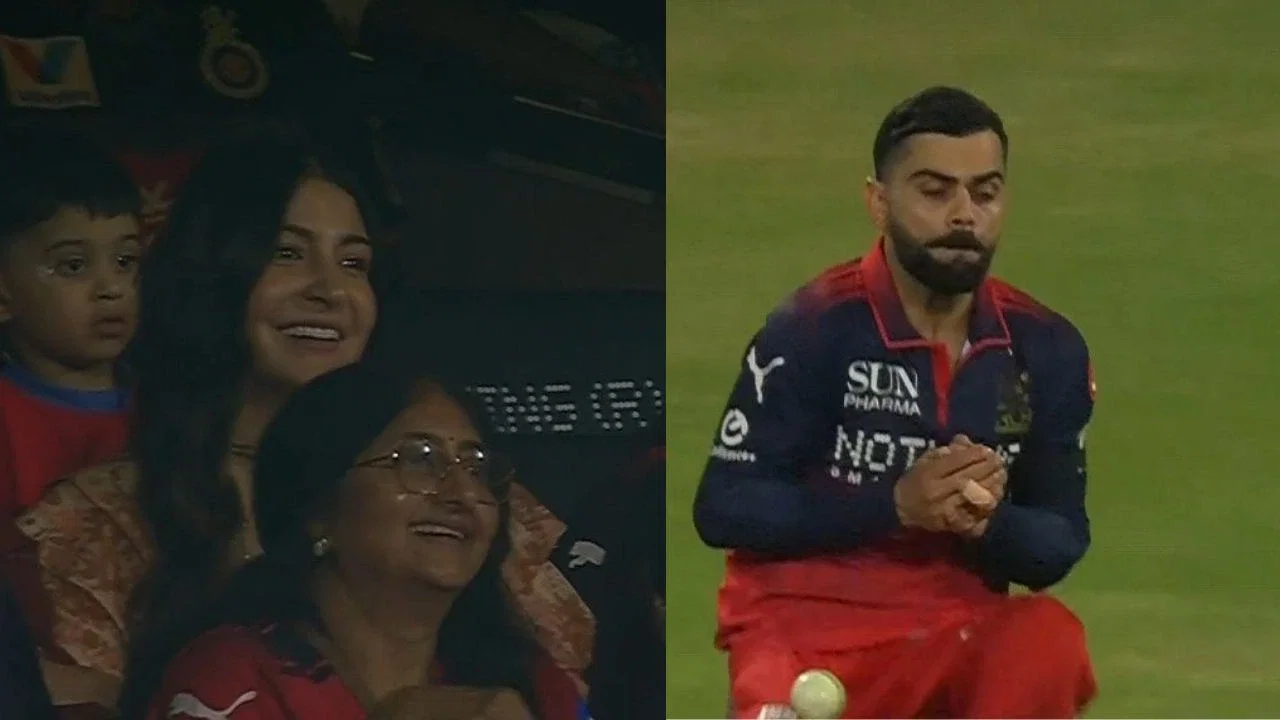
“Don’t Kill Virat Kohli”- World Cup winner sends BCCI threatening note
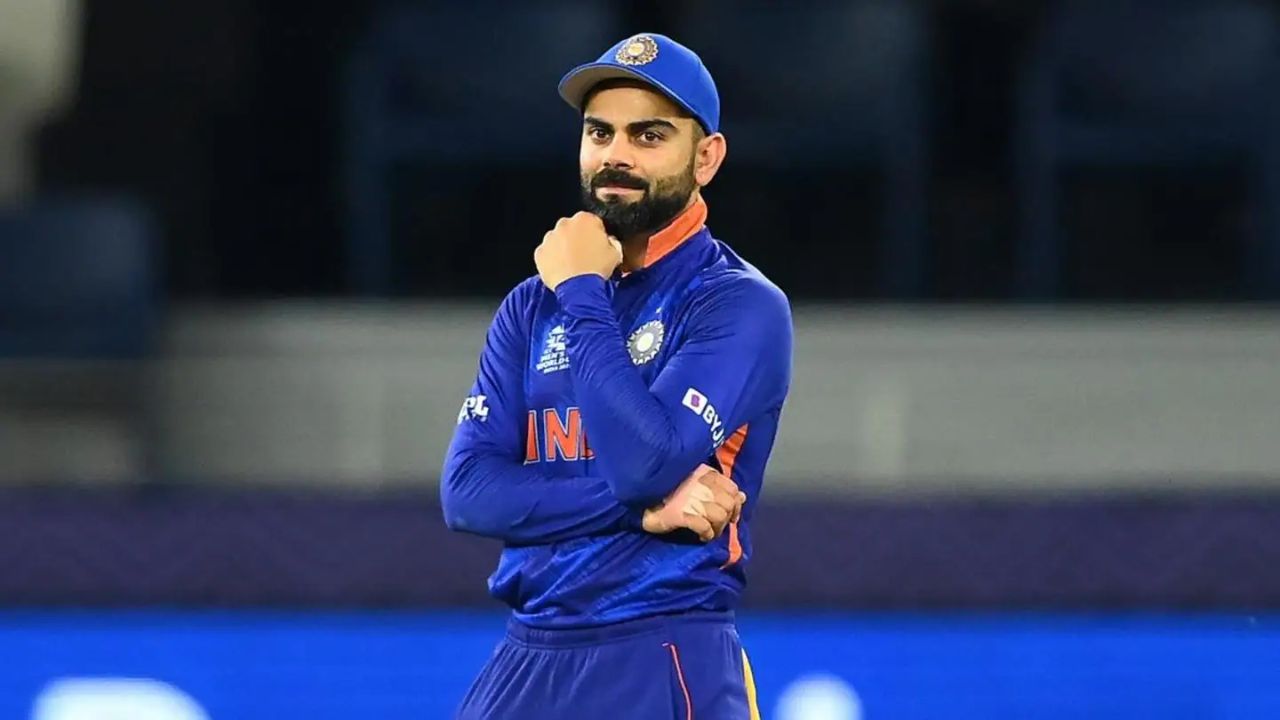
Former World Cup Winner Urges BCCI to Protect Key Players From Injuries
Prediction and Prevention: Balvinder Singh Sandhu’s Concerns
Former 1983 World Cup winner Balvinder Singh Sandhu has raised concerns about the physical toll that international cricket takes on senior players like Virat Kohli, Rohit Sharma, and Jasprit Bumrah. Sandhu has recommended the use of “specialist fielders” to reduce injury risks and fatigue for these key players who are crucial to India’s success in major tournaments.
According to Sandhu, the selectors are currently scouting for the next generation of all-format stars as Sharma and Kohli have retired from T20Is and Tests, while Bumrah remains injury-prone. Sandhu emphasized the importance of protecting these star players to ensure India’s competitiveness in international cricket.
Protecting the Stars: A Necessary Strategy
Sandhu highlighted the need for the Board of Control for Cricket in India (BCCI) to consider introducing specialist fielders in domestic cricket and the Indian Premier League (IPL) to shield top players from the risk of injuries. He argued that fans come to witness batting brilliance, not fielding dives that could potentially harm key players.
Sandhu’s suggestion is aimed at prolonging the careers of players like Sharma, Kohli, and Bumrah by reducing their workload on the field. He emphasized that while diving catches may look impressive, they can also result in players requiring surgery, which ultimately hampers their ability to perform at their best.
Uncertainty Surrounds Sharma and Kohli’s ODI World Cup Participation
As India A prepares to face Australia A in a three-match ODI series starting September 30, the absence of Rohit Sharma and Virat Kohli from the squads has raised questions about their participation in the 2027 ODI World Cup. Both players are currently focusing on individual preparations for the upcoming tour of Australia, with the first ODI scheduled for October 19 in Perth.
Sharma and Kohli last competed during the 2025 IPL season and announced their retirements from Test cricket in May 2025. Their absence from the 2025 Anderson-Tendulkar Trophy in England was notable, although they did contribute to India’s victory in the 2025 Champions Trophy against New Zealand.
While Sharma serves as the ODI captain and Kohli remains a standout performer in the format, their involvement in the 2027 ODI World Cup remains uncertain, potentially signaling a transitional phase for Indian cricket.
As the cricketing world eagerly anticipates the return of these iconic players to the international stage, Sandhu’s recommendations for injury prevention and strategic player management may play a crucial role in shaping the future of Indian cricket.
The Importance of Sports Science in Injury Prevention
One key aspect that could further support Balvinder Singh Sandhu’s recommendations for protecting key players from injuries is the integration of sports science into cricket management. Sports scientists play a crucial role in monitoring player workload, fatigue levels, and injury risks through advanced technology and data analysis. By utilizing tools like GPS tracking, biomechanical assessments, and performance analytics, teams can proactively identify potential issues and tailor training programs to mitigate injury risks.
Incorporating sports science principles into the BCCI’s player management strategies could provide valuable insights into the physical demands of the game, helping to optimize performance and reduce the likelihood of injuries. By implementing evidence-based practices and individualized training plans, teams can better support their star players and ensure their long-term sustainability in international cricket.
The Evolution of Fielding in Modern Cricket
The role of fielding in cricket has evolved significantly over the years, with teams placing greater emphasis on athleticism, agility, and precision in the field. Specialist fielders have become an integral part of modern cricket, with players dedicated to specific fielding positions to enhance team performance and minimize errors. By deploying specialist fielders strategically, teams can create a more dynamic and effective fielding unit, reducing the burden on key players and improving overall team balance.
Moreover, the introduction of formats like T20 cricket has raised the bar for fielding standards, with players expected to excel in all aspects of the game, including catching, throwing, and ground fielding. Prioritizing fielding proficiency not only enhances a team’s defensive capabilities but also contributes to a more cohesive and competitive unit overall.
The Future of Indian Cricket: Building a Sustainable Pipeline of Talent
As senior players like Rohit Sharma, Virat Kohli, and Jasprit Bumrah approach the latter stages of their careers, the BCCI faces the challenge of nurturing the next generation of talent to sustain India’s success in international cricket. Developing a robust pipeline of young players through domestic competitions, age-group cricket, and talent identification programs is essential for ensuring continuity and competitiveness at the highest level.
Investing in talent development, coaching infrastructure, and grassroots initiatives can help unearth new stars who can carry the torch for Indian cricket in the years to come. By fostering a culture of excellence, resilience, and adaptability, the BCCI can cultivate a sustainable ecosystem that nurtures talent, promotes diversity, and fosters a spirit of innovation within the sport.
Conclusion
In conclusion, the concerns raised by Balvinder Singh Sandhu regarding the protection of key players from injuries in international cricket underscore the need for proactive measures and strategic planning to safeguard the future of Indian cricket. By embracing sports science, leveraging specialist fielders, and investing in talent development, the BCCI can enhance player welfare, optimize performance, and build a sustainable pipeline of talent for the years ahead. As Indian cricket navigates a period of transition and uncertainty, prioritizing injury prevention, strategic player management, and long-term sustainability will be critical in shaping the future of the sport.
Latest News
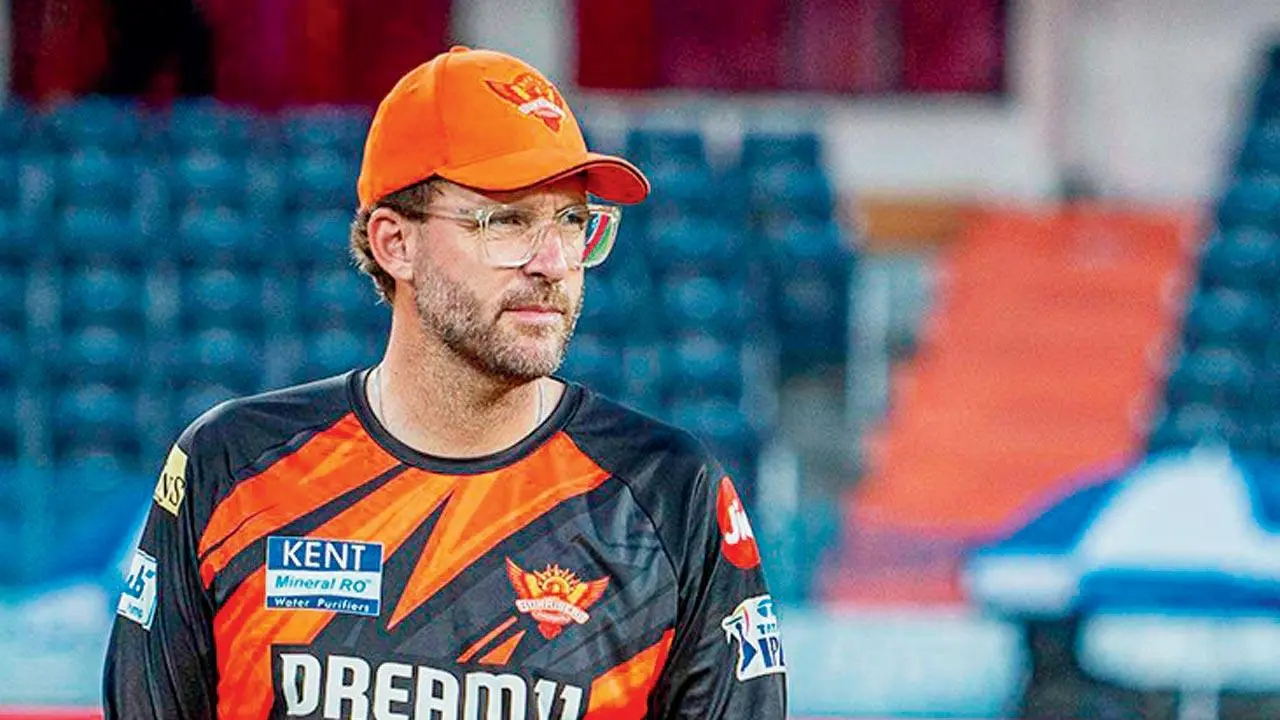
SRH suffer huge blow! Daniel Vettori confirms another overseas pacer injured amid crisis
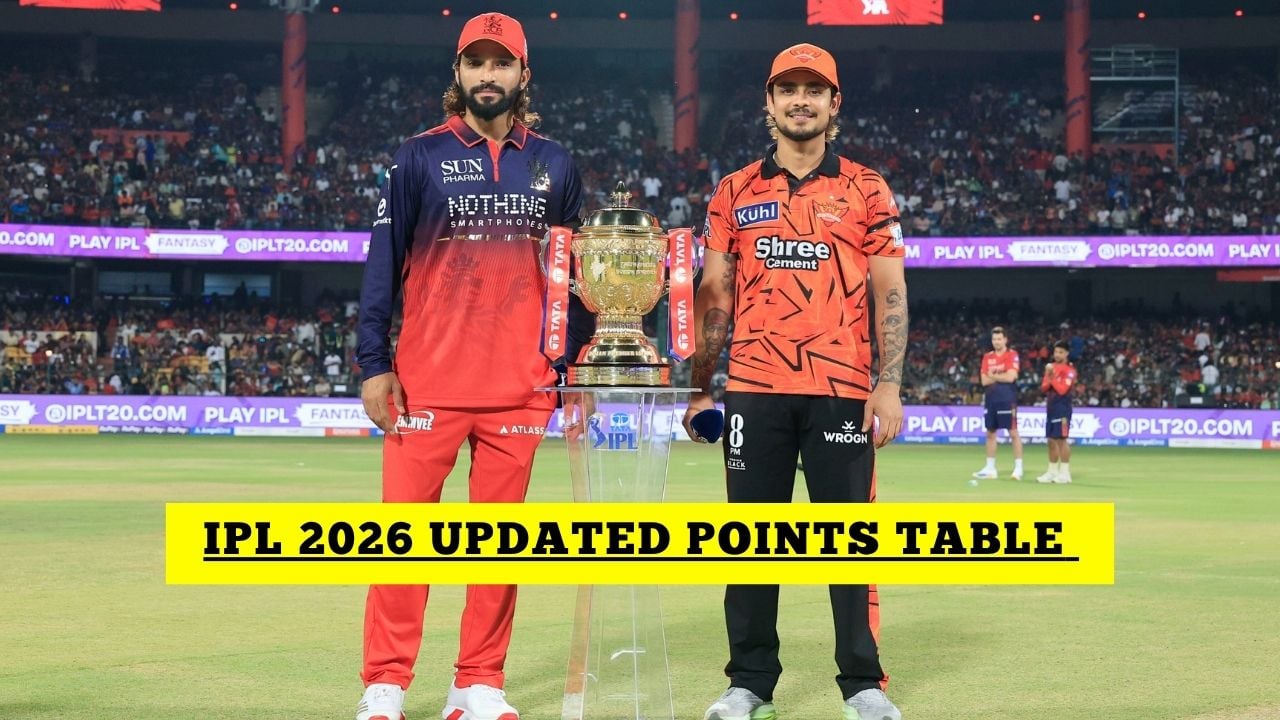
IPL Points Table 2026: Updated Standings, Orange Cap, Purple Cap After RCB vs SRH Match 1
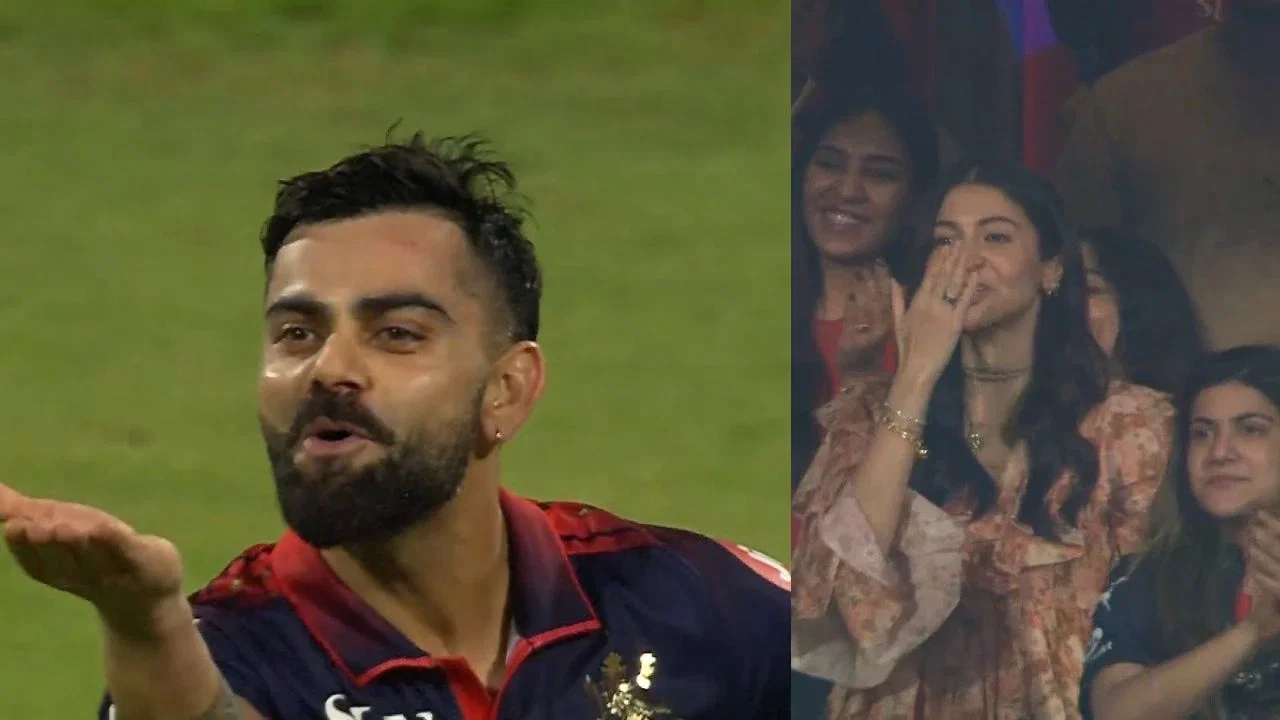
Virat Kohli, Anushka Sharma share adorable flying kiss moment after RCB vs SRH clash
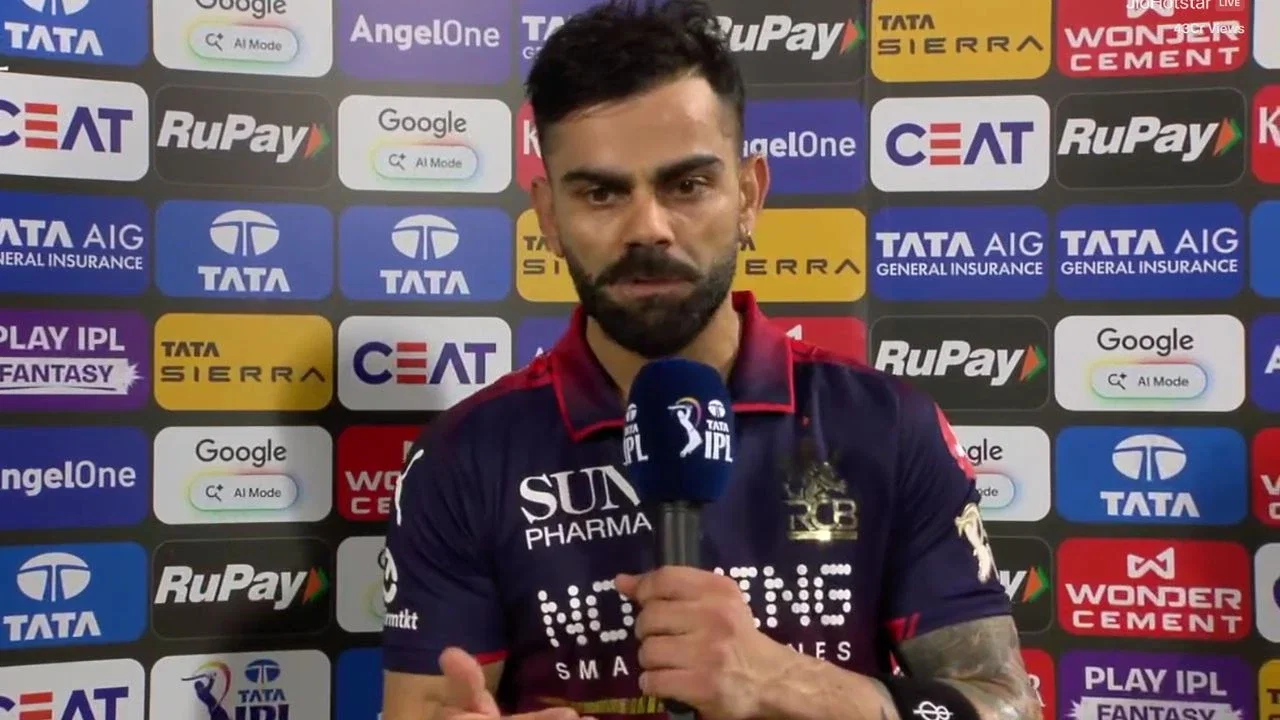
“Absolutely world-class”: Virat Kohli backs Devdutt Padikkal for permanent Team India spot
Rajat Patidar refuses to comment on Virat Kohli; Ishan Kishan admits enjoying after SRH’s loss to RCB

Mumbai Indians suffer blow! Mitchell Santner, Will Jacks ruled out of IPL 2026 games
MI vs KKR Match Prediction – Who Will Win Match No.2? | IPL 2026
Mumbai Indians Playing XI vs Kolkata Knight Riders Playing XI- Match No. 2 | IPL 2026
MI vs KKR Match 2 Preview: Free Live Streaming, Pitch & Weather Report, Head-to-Head | IPL 2026
Not English cricket! Jos Buttler credits IPL for his success as a cricketer
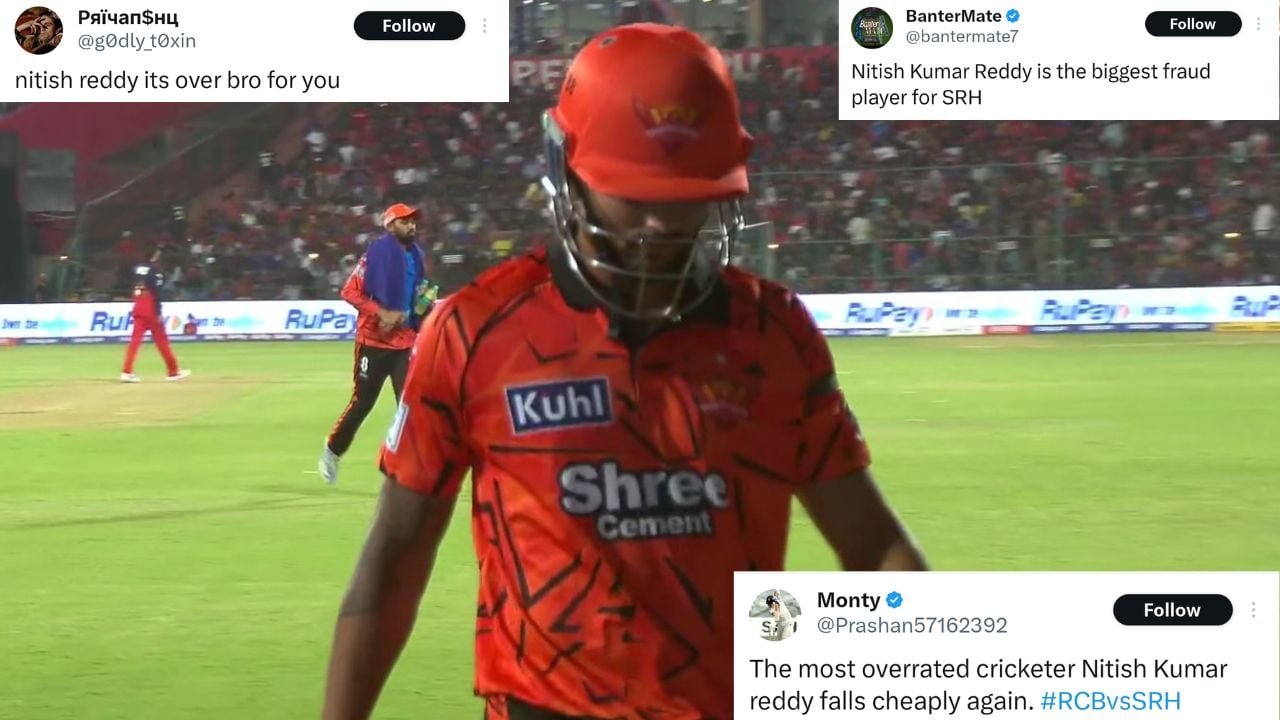
“Nitish Kumar Reddy is biggest fraud”: Fans fume as SRH star fails vs RCB in IPL 2026 opener
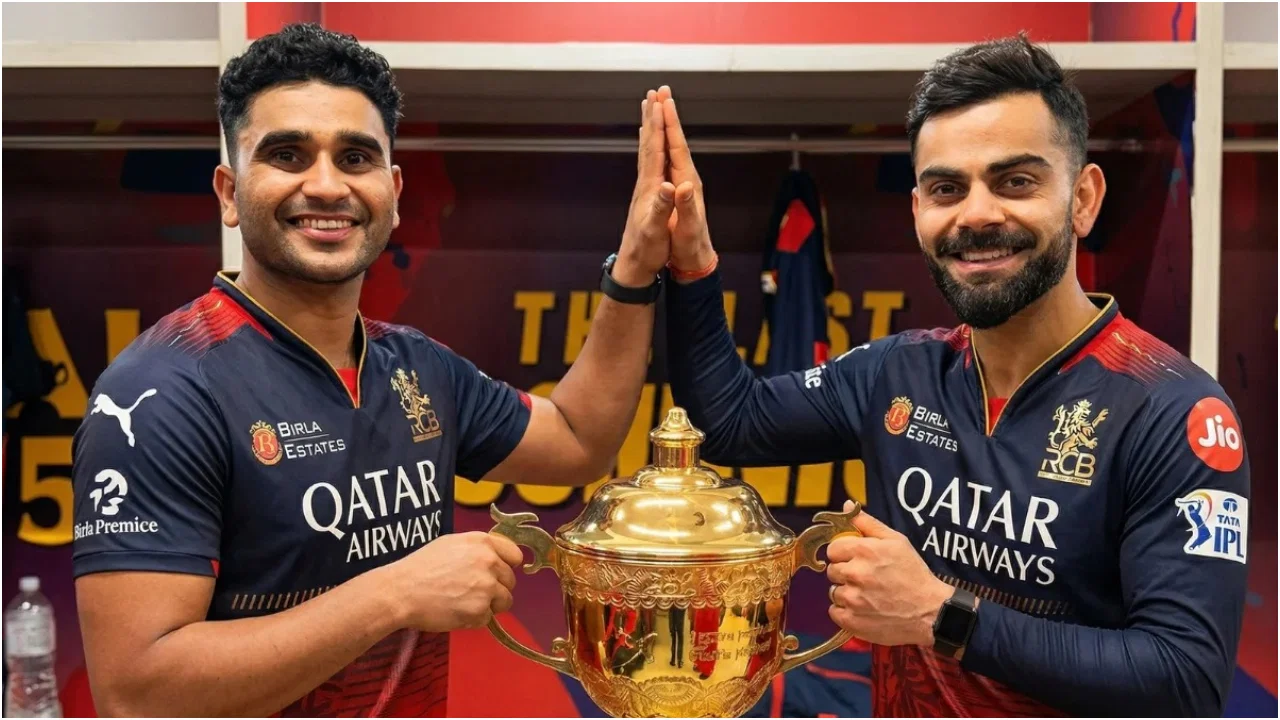
Who is Abhinandan Singh? The Virat Kohli troublemaker who made his IPL debut for RCB vs SRH
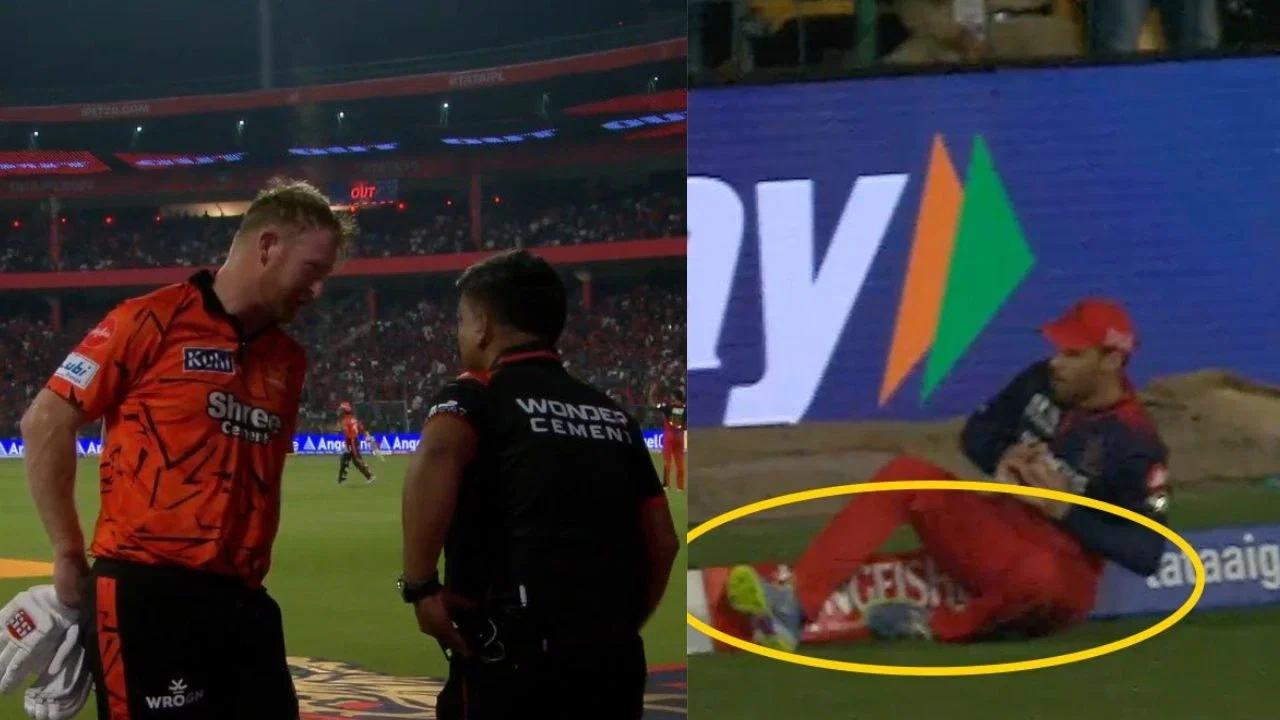
Heinrich Klaasen engages in heated chat with 4th umpire after Phil Salt’s controversial catch in IPL 2026
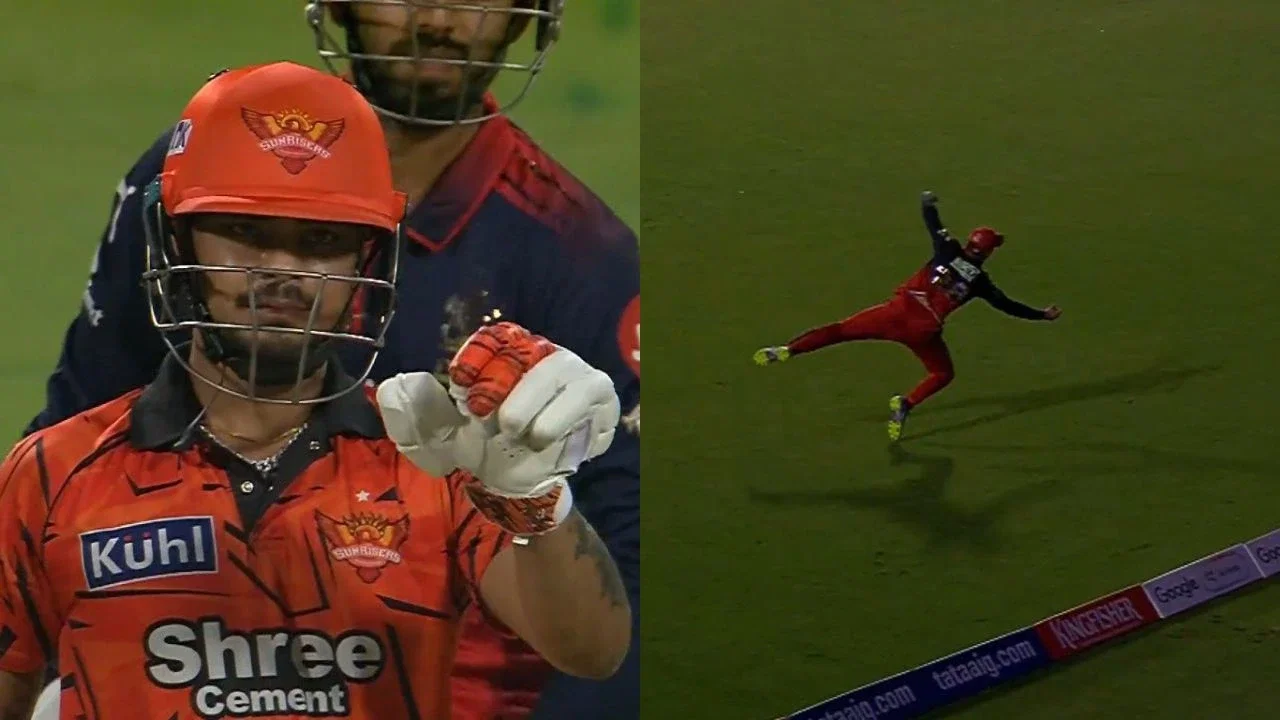
Phil Salt grabs one of the greatest catches in IPL history to dismiss Ishan Kishan