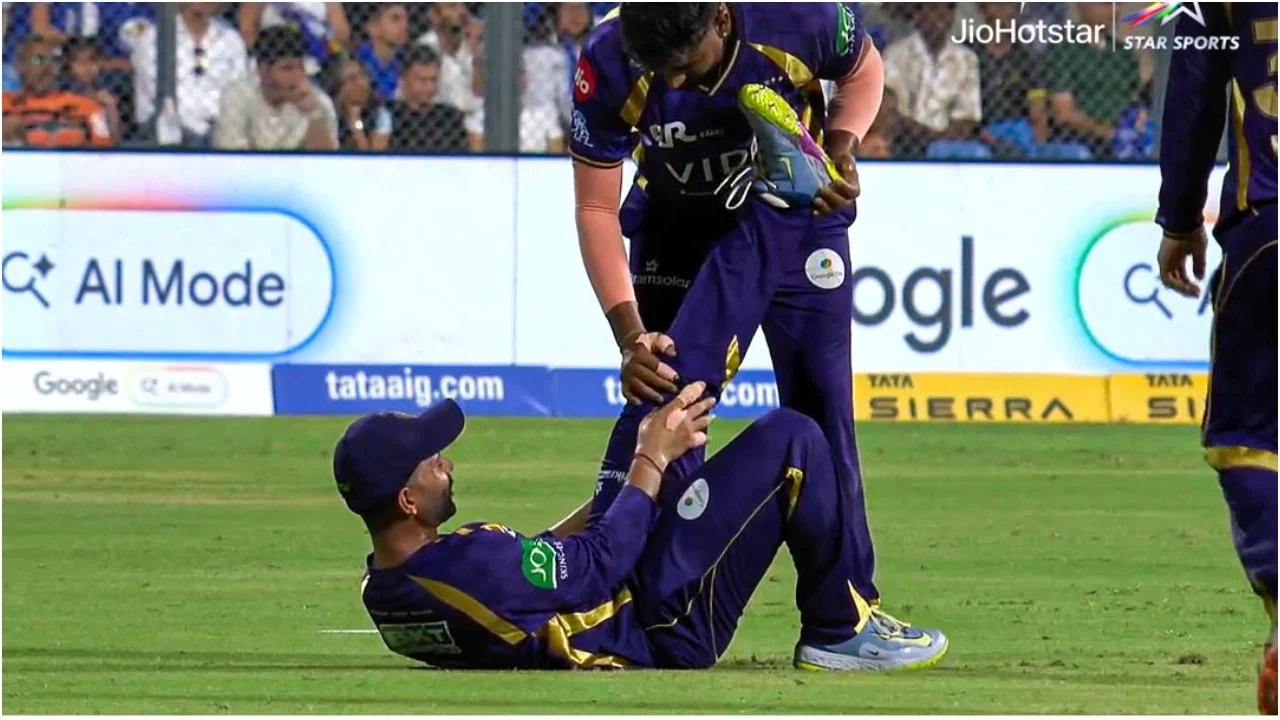
DRS drama alert as BCCI announces tougher rules for IPL 2026 teams
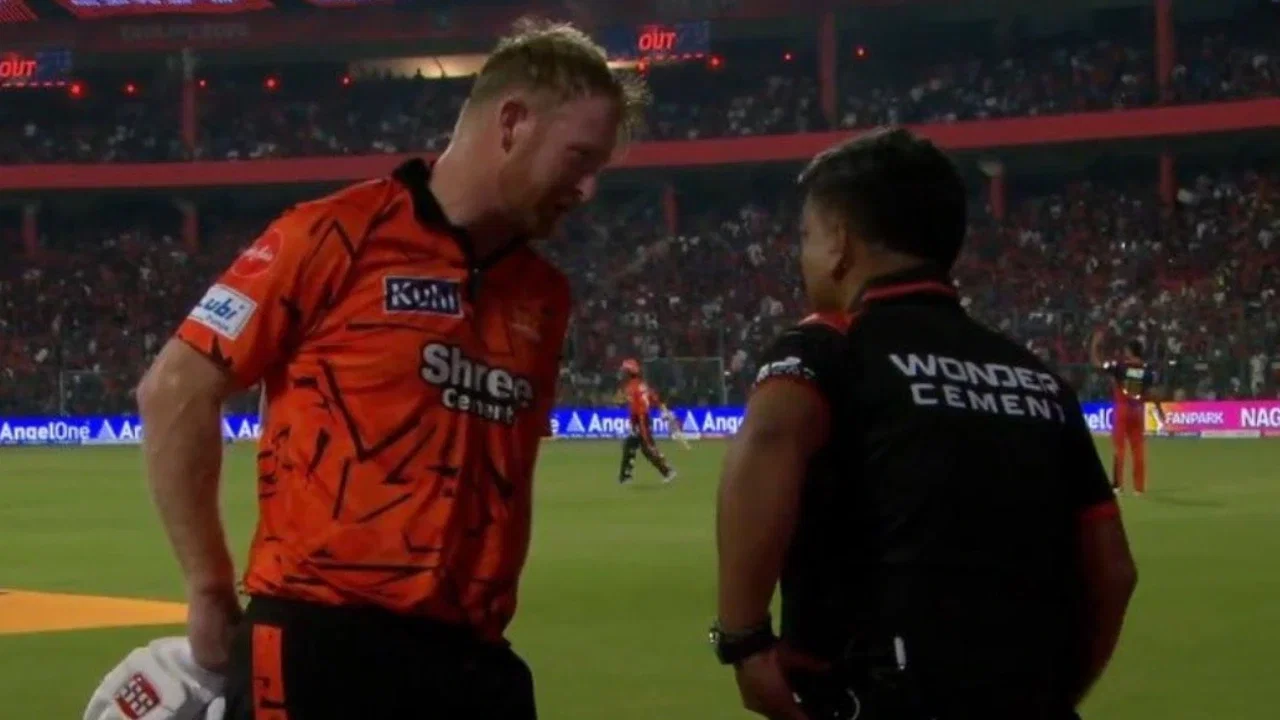
## BCCI Introduces New Rules to Enhance IPL 2026 Experience
The Board of Control for Cricket in India (BCCI) has recently unveiled a fresh set of regulations for the ongoing Indian Premier League 2026 (IPL 2026), aimed at enhancing the overall experience for players, franchises, and fans alike. This season of IPL has already seen thrilling matches, with notable victories by RCB and the Mumbai Indians over SRH and KKR, respectively.
### Changes in DRS Referral System
One of the key changes implemented by the BCCI is the revision of the Decision Review System (DRS) rules. According to a report by Cricbuzz, the BCCI has declared that there will be no automatic double checks during DRS referrals in the current season. Moving forward, reviews will solely focus on the original point of appeal. Additional checks, such as wide or height balls, will only be examined if requested by the opposing team within the designated time frame.
This alteration aims to expedite the game and ensure fair DRS decisions for all teams participating in the prestigious T20 league. The Indian cricket board has conducted extensive demonstrations for teams, showcasing how various appeals, including catches and wide balls, will be managed under the new guidelines.
### Stricter DRS Protocol
For instance, in the scenario where the bowling side appeals for a caught-behind and opts for a review, the umpires will specifically assess whether the ball made contact with the bat. If the ball clearly misses, supplementary checks like height or width will be disregarded unless the batting side requests a review within the stipulated 15-second window for this season. Batsmen will not be granted extra time beyond the 15-second limit to request a review, emphasizing the importance of quick decision-making.
### Additional Playing Condition Updates
Apart from the modifications in the DRS rules, the BCCI has introduced several other amendments to the playing conditions for IPL 2026. Notable changes include the introduction of a new innings timer and a 60-second clock displayed on scoreboards and big screens at stadiums. Teams will receive warnings if the bowler fails to deliver within the allotted time, with repeated delays resulting in a 5-run penalty to the batting side.
Furthermore, the concussion rules have been updated to allow for like-for-like replacements in the event of a player suffering a concussion. Wicketkeepers can be substituted from the available squad, and Indian substitutes can replace overseas players if the team has already fielded four foreign players.
### Enhanced Monitoring of Team Sheets
To ensure adherence to regulations, team sheets will now be handled more rigorously in the league. Post-toss, captains will carry one sheet each for the batting and bowling sides, which will be handed over to the match referee. Additionally, team managers will exchange sheets, and the remaining copies will be given to the assistant venue manager to oversee compliance before matches.
In a bid to improve fielding standards, the BCCI recently organized a comprehensive fielding coaches workshop at its Centre of Excellence in Bengaluru. Coaches in attendance received training on modern fielding techniques and strategic approaches to enhance player performance in the field.
By implementing these updated rules and regulations, the BCCI aims to elevate the overall quality of the IPL 2026 season, ensuring a fair and competitive environment for all stakeholders involved.
### Player Auction Process
In addition to the rule changes within the matches themselves, the BCCI has also revamped the player auction process for IPL 2026. With a focus on transparency and fairness, the board has introduced a new bidding system that allows franchises to submit sealed bids for players they wish to acquire. This method aims to prevent last-minute bidding wars and ensure that each team has an equal opportunity to secure top talent.
Moreover, the BCCI has implemented a salary cap for players, limiting the amount each team can spend on their roster. This cap is intended to create a level playing field and prevent wealthier franchises from dominating the auction. Teams are required to strategize and allocate their budget wisely to build a well-rounded squad within the financial constraints.
### Fan Engagement Initiatives
Recognizing the importance of fan engagement in the success of the IPL, the BCCI has launched several initiatives to enhance the spectator experience for IPL 2026. Virtual reality (VR) technology has been integrated into select stadiums, allowing fans to enjoy an immersive viewing experience from the comfort of their homes. This innovation enables viewers to feel as though they are sitting in the stands, cheering for their favorite teams in real-time.
Furthermore, the board has collaborated with social media platforms to create interactive fan zones where supporters can participate in polls, quizzes, and contests related to the IPL. These digital engagement efforts aim to connect fans from around the world and foster a sense of community among cricket enthusiasts.
### Sustainability and Green Initiatives
In line with global trends towards sustainability and environmental consciousness, the BCCI has introduced green initiatives for IPL 2026 to reduce the league’s carbon footprint. Stadiums are now equipped with solar panels to generate renewable energy, reducing reliance on non-renewable resources. Waste management programs have been implemented to promote recycling and minimize environmental impact during matches and events.
Additionally, the BCCI has partnered with eco-friendly vendors to provide biodegradable packaging and sustainable food options at stadiums. These eco-conscious practices align with the board’s commitment to promoting sustainability and environmental stewardship in the sporting industry.
### International Collaboration and Talent Exchange
To foster international cooperation and talent exchange, the BCCI has established partnerships with cricket boards from other countries to promote cross-cultural engagement and skill development. Players from overseas leagues are invited to participate in training camps and exhibition matches with IPL teams, allowing for valuable knowledge sharing and diversity in playing styles.
Furthermore, the board has facilitated coaching exchanges between Indian and foreign coaches to exchange best practices and enhance coaching methodologies. This collaboration not only benefits players and coaches but also enriches the overall cricketing landscape by fostering a spirit of camaraderie and mutual learning.
In conclusion, the BCCI’s introduction of new rules and initiatives for IPL 2026 reflects a commitment to innovation, fairness, sustainability, and global collaboration within the cricketing community. By prioritizing player welfare, fan engagement, and environmental responsibility, the board is setting new standards for excellence in the IPL and shaping the future of the sport.
Latest News
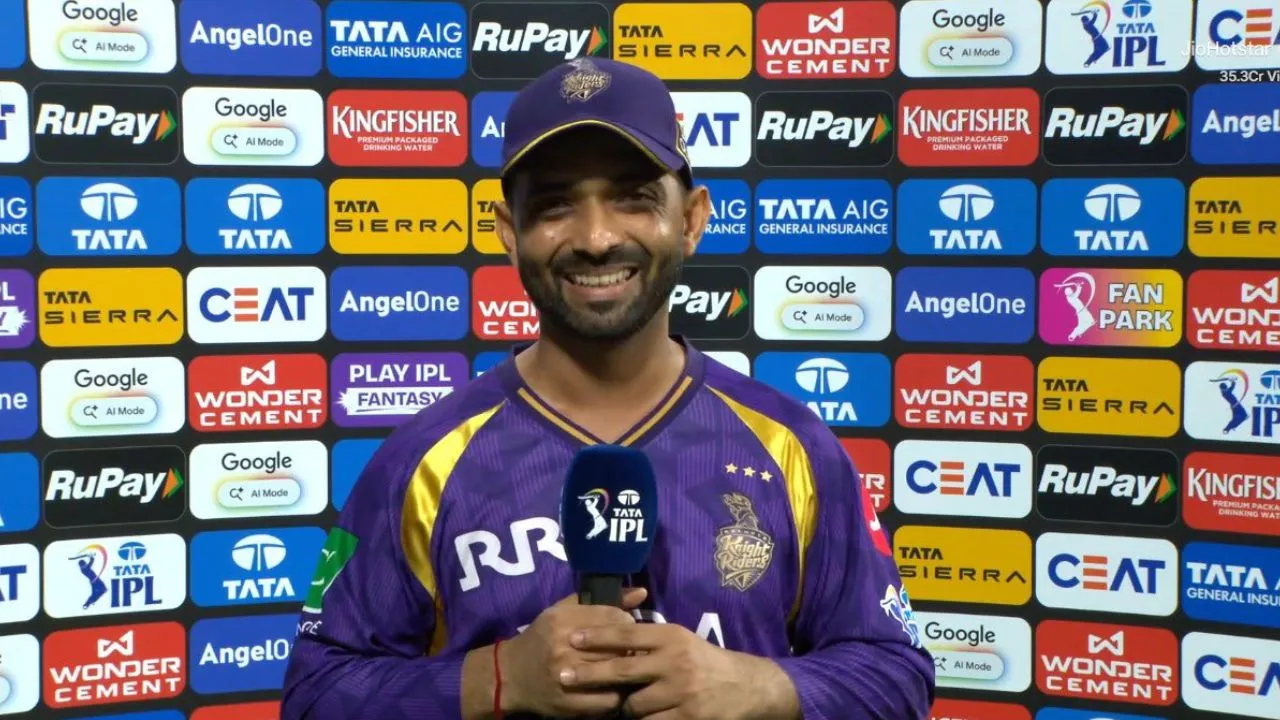
‘People have been talking about me for 20 years’: Ajinkya Rahane fires back at critics after KKR’s loss to MI
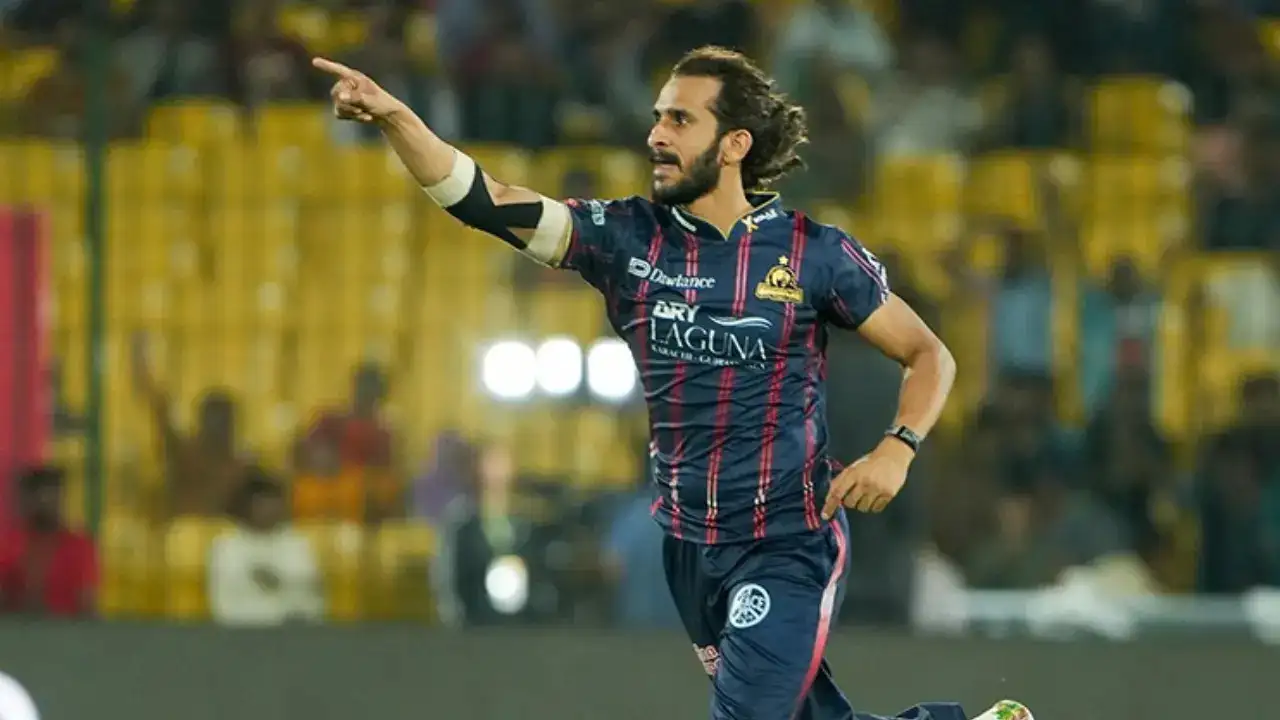
Mohsin Naqvi’s PCB punishes Hasan Ali over shocking act in PSL 2026
Ambati Rayudu betrays CSK and reveals why they won’t qualify for IPL 2026 playoffs
MS Dhoni’s absence is good news for Sanju Samson, CSK in IPL 2026 opener vs RR
Varun Chakravarthy’s career declared finished by ex-BCCI selector: “There is no mystery with him anymore”
Ruturaj Gaikwad blocked from opening with Sanju Samson as ex-India opener picks CSK playing XI
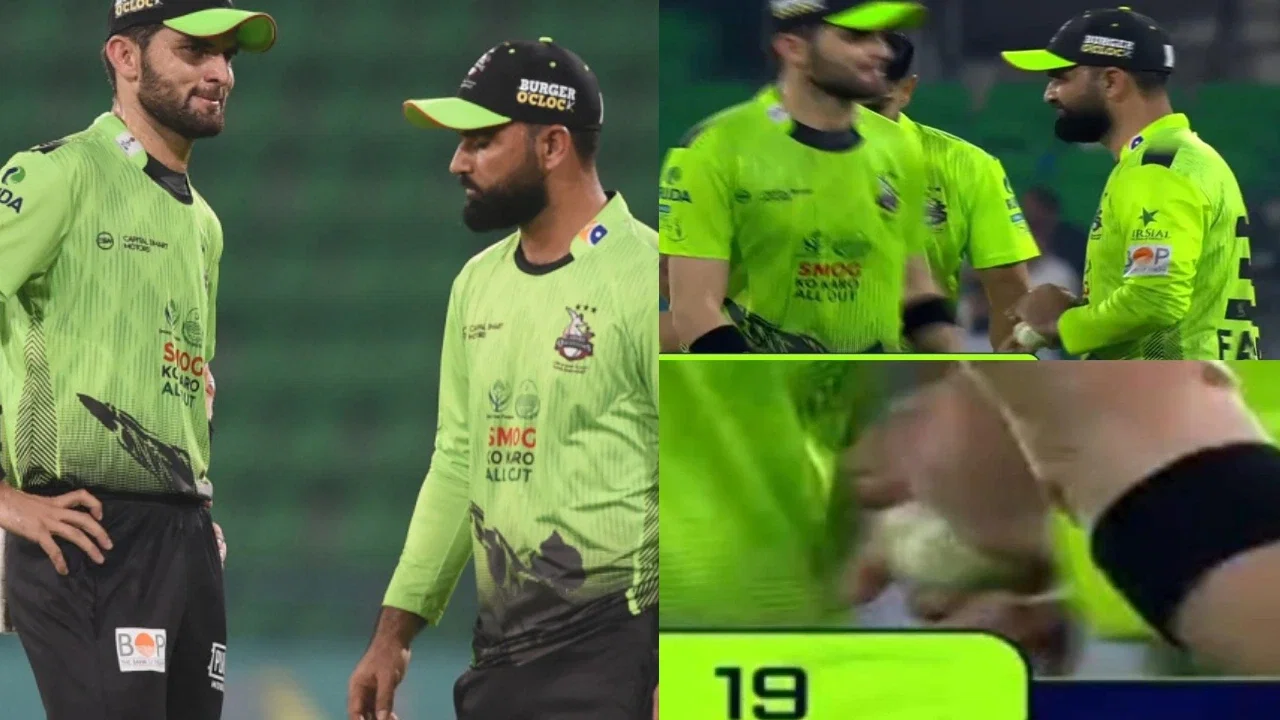
Shaheen Afridi, Fakhar Zaman to be banned after ball-tampering row! Ex-Pakistan cricketers make big claim
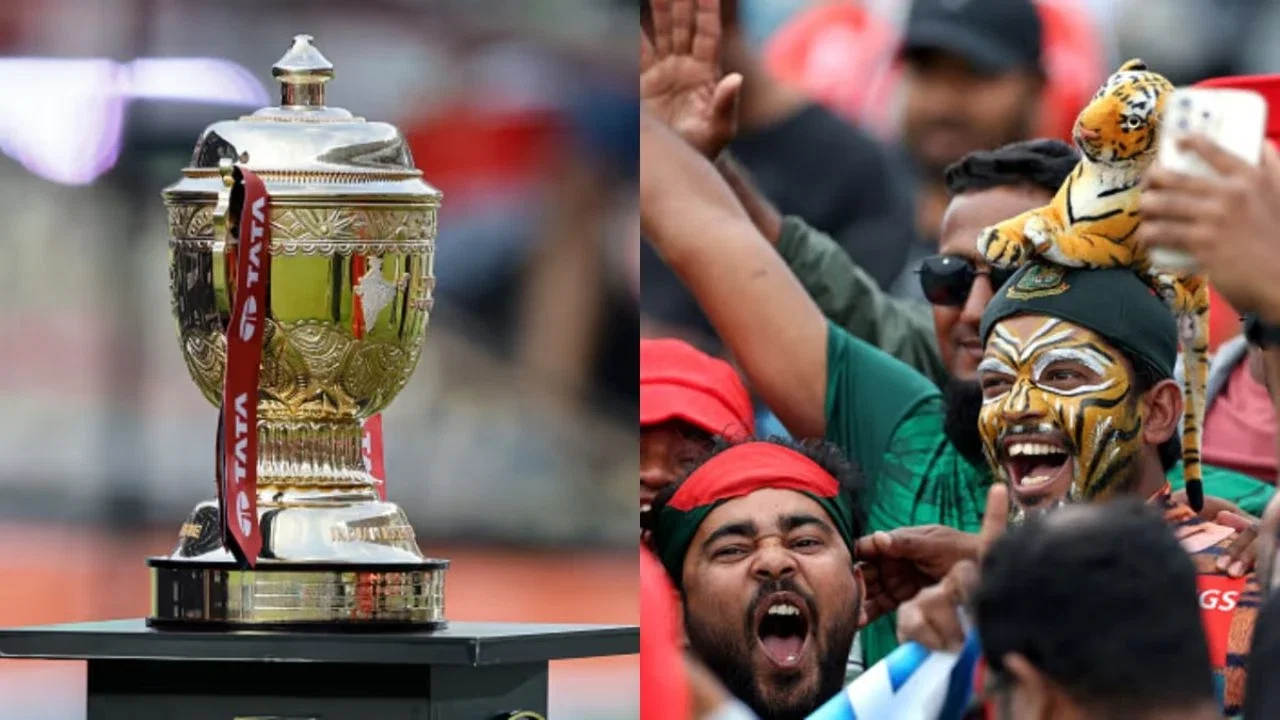
No IPL telecast in Bangladesh! JioStar ends deal over payment default issues
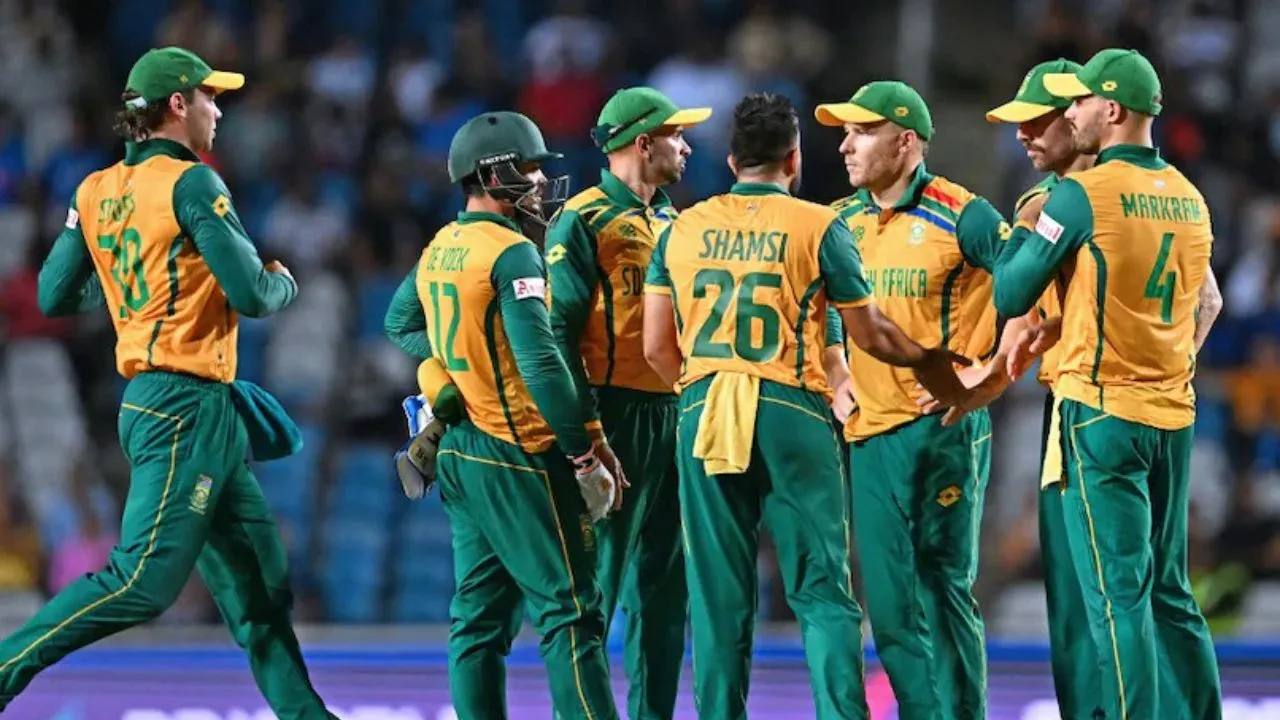
Shocking! South Africa cricketer leaves final mid-match, flies to England as probe looms
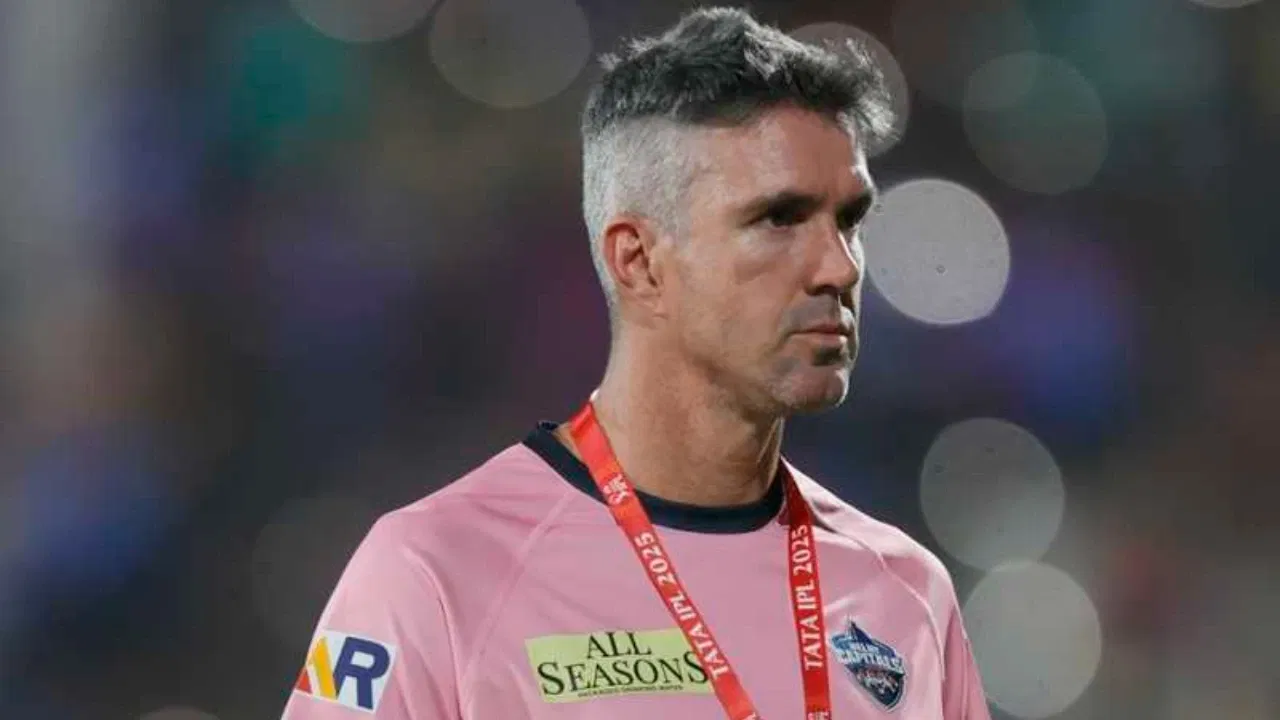
“That’s not OK”: Kevin Pietersen drops bold verdict on Cameron Green not bowling for KKR
MS Dhoni IPL retirement update issued by CSK CEO amid injury concerns
‘This nonsense can’t happen in a professional setting’: Cameron Green, CA blasted over KKR bowling issues
Shaheen Afridi breaks silence on Fakhar Zaman ball-tampering row after Ramiz Raja’s attack
Why Suryakumar Yadav was used as Impact Sub? MI head coach reveals injury concern