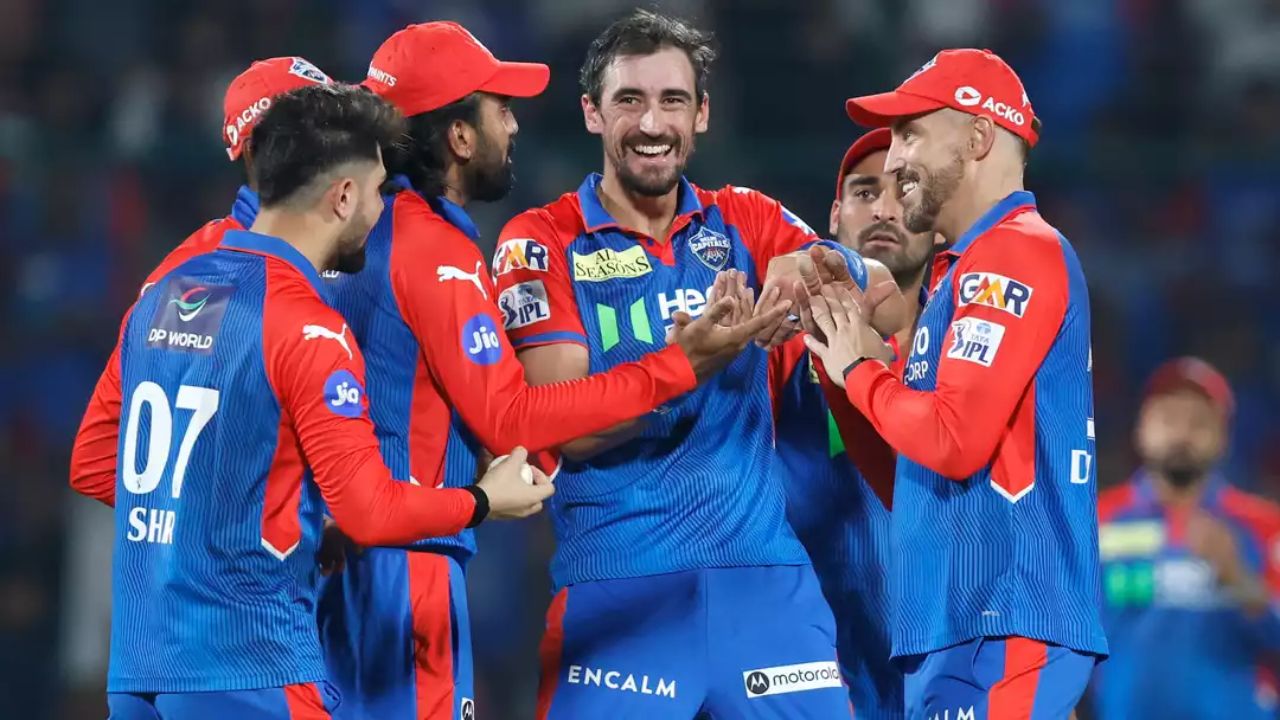
ECB issues warning to Kavya Maran & Indian owners over Pakistan players’ snub in The Hundred
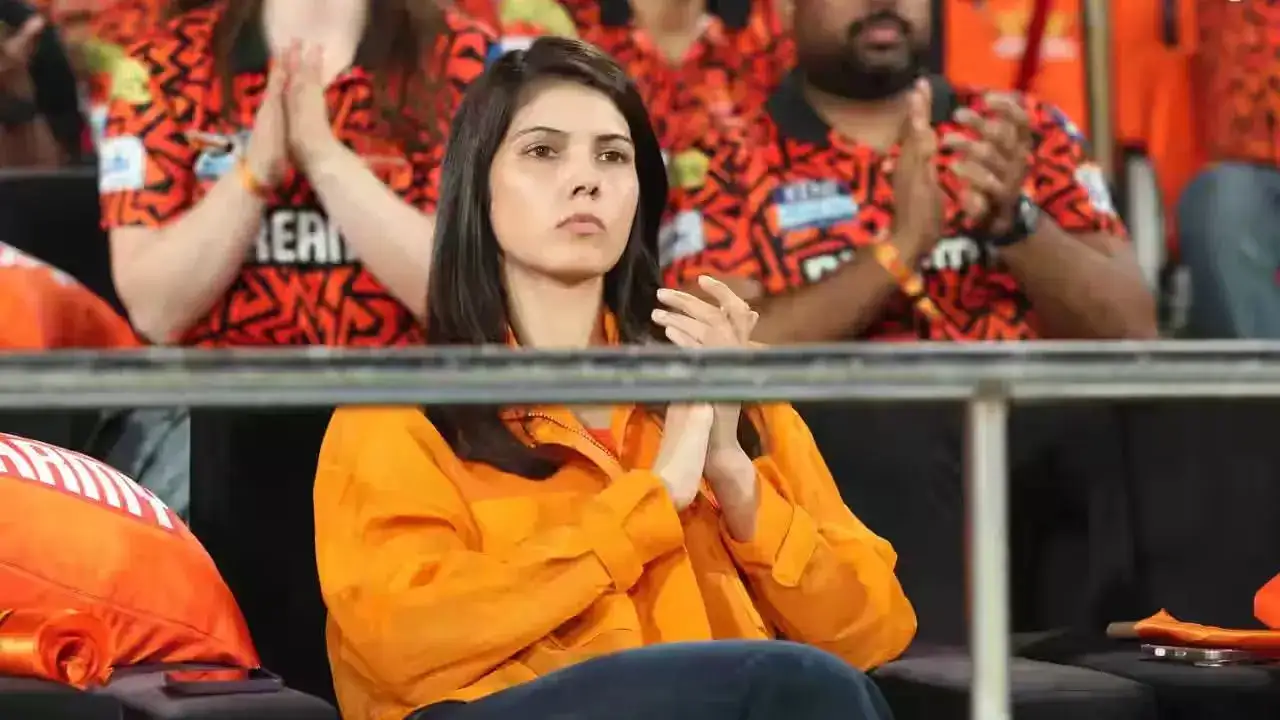
The England and Wales Cricket Board (ECB) has taken a firm stand to ensure that Pakistan players are not discriminated against in the upcoming season of The Hundred. Speculations arose that Pakistani cricketers might be overlooked by the teams in the tournament, particularly those owned by Indian investors. However, the ECB has sent a clear message to all eight franchises, emphasizing the importance of fair treatment for players from all countries.
According to reports, over 60 Pakistani players have registered for the player auction of the next edition of The Hundred. Concerns were raised that teams affiliated with Indian owners might not select Pakistani players, sparking controversy and anxiety among fans and players alike. In response, the ECB swiftly reminded franchises about the anti-discrimination policies that must be adhered to in the tournament.
Last year, ECB CEO Richard Gould had stated his expectation of players from all nations being selected for all teams in The Hundred, underscoring the organization’s commitment to promoting diversity and inclusivity in the sport. The issue gained significance due to the historical tensions between India and Pakistan, particularly in the context of cricket.
Since the 2008 Mumbai attacks, Pakistani players have faced restrictions in participating in the Indian Premier League (IPL) and other Indian-owned leagues. This background heightened concerns that similar discrimination could occur in English cricket, especially with the influence of IPL owners in The Hundred. Despite the ECB’s control over the tournament, individual teams have autonomy in player selection, but any evidence of discrimination could lead to serious consequences.
Former England captain Michael Vaughan amplified the calls for fair opportunities for Pakistan players, urging the ECB to take decisive action to ensure equal chances for all cricketers. The pressure mounted as high-profile Pakistani players, such as Shaheen Afridi and Haris Rauf, are expected to be sought after in the upcoming player auction for The Hundred.
Interestingly, four of the eight teams in The Hundred are now affiliated with IPL owners, with significant stakes held by prominent figures from Indian cricket. This development has added another layer of complexity to the situation, raising questions about the potential impact on player selection and team dynamics in the tournament.
In conclusion, the ECB’s proactive stance on preventing discrimination against Pakistan players in The Hundred reflects a commitment to upholding the principles of fairness and inclusivity in cricket. As the upcoming season approaches, all eyes will be on how teams navigate the player selection process to ensure a level playing field for cricketers from diverse backgrounds.
Emphasis on Diversity and Inclusion in Cricket
The issue of fairness and inclusivity in cricket has gained significant traction in recent years, with organizations like the ECB making concerted efforts to address concerns around discrimination. The push for diversity in sports, particularly in team selection, has become a focal point for many governing bodies as they seek to create a level playing field for players from all backgrounds.
Historical Context and Political Dynamics in Cricket
The historical tensions between India and Pakistan have often spilled over into the realm of cricket, with players from both countries bearing the brunt of political hostilities. The longstanding rivalries between the two nations have unfortunately seeped into the sporting arena, leading to instances of bias and discrimination against players based on their nationality.
It is essential to recognize the impact of such geopolitical tensions on the cricketing landscape, as they can influence decision-making processes within leagues and tournaments. The delicate balance between sports and politics underscores the challenges faced by players and organizations in navigating these complex dynamics.
Global Influence on Cricket Leagues
The presence of IPL owners and investors in cricket leagues around the world has significantly altered the dynamics of player recruitment and team composition. The growing influence of Indian cricket stakeholders on international tournaments has raised questions about the extent to which national affiliations can impact player selection and team dynamics.
As cricket continues to evolve as a global sport, the interplay between various stakeholders, including team owners, players, and governing bodies, will shape the future of the game. Balancing commercial interests with the principles of fairness and inclusivity remains a constant challenge for cricket administrators as they strive to uphold the integrity of the sport.
Looking Ahead: The Future of Diversity in Cricket
As cricket leagues and tournaments strive to promote diversity and inclusivity, the onus is on all stakeholders to uphold these values and ensure equal opportunities for players from diverse backgrounds. The importance of creating a welcoming and inclusive environment for all cricketers cannot be overstated, as it not only fosters talent but also promotes unity and camaraderie within the cricketing community.
By actively addressing concerns around discrimination and bias, cricket organizations can set a positive example for other sports and reinforce the values of fairness, respect, and sportsmanship. As the sport continues to attract a global audience, embracing diversity and inclusivity will be crucial in shaping the future of cricket and fostering a more equitable playing field for all players.
Latest News
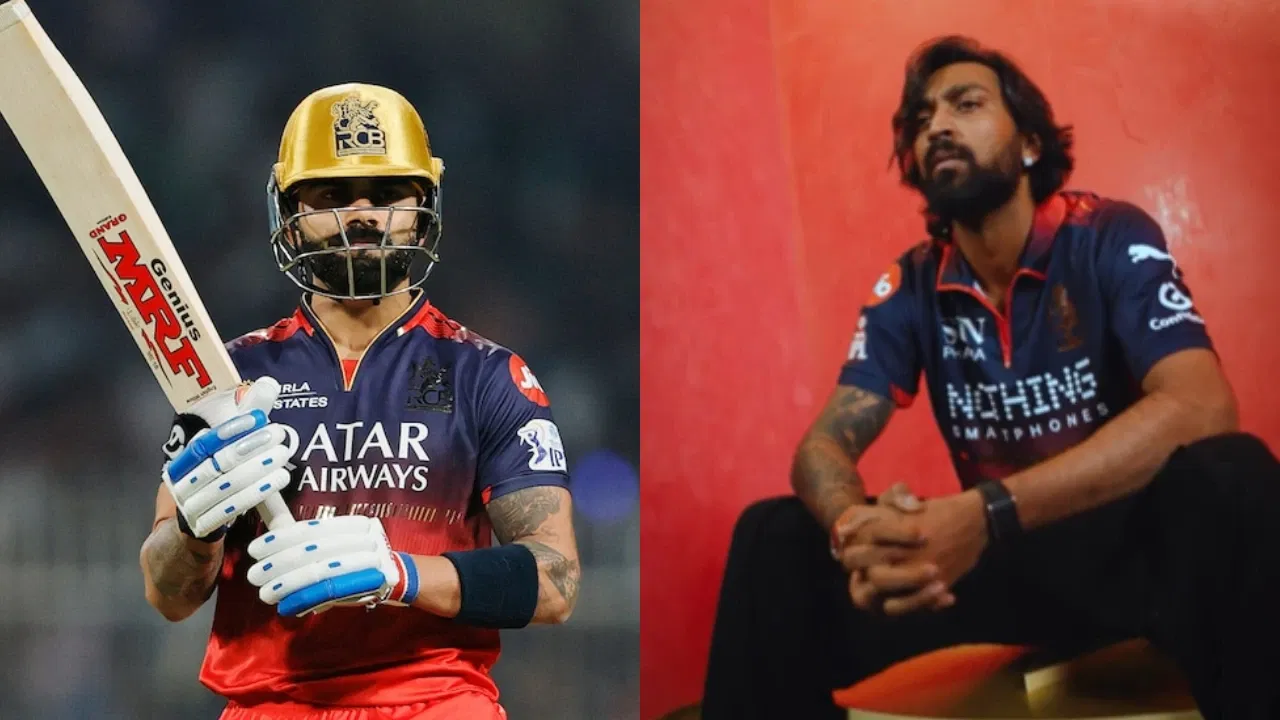
Yograj Singh makes blunt remark at Virat Kohli and Rohit Sharma over early retirement calls
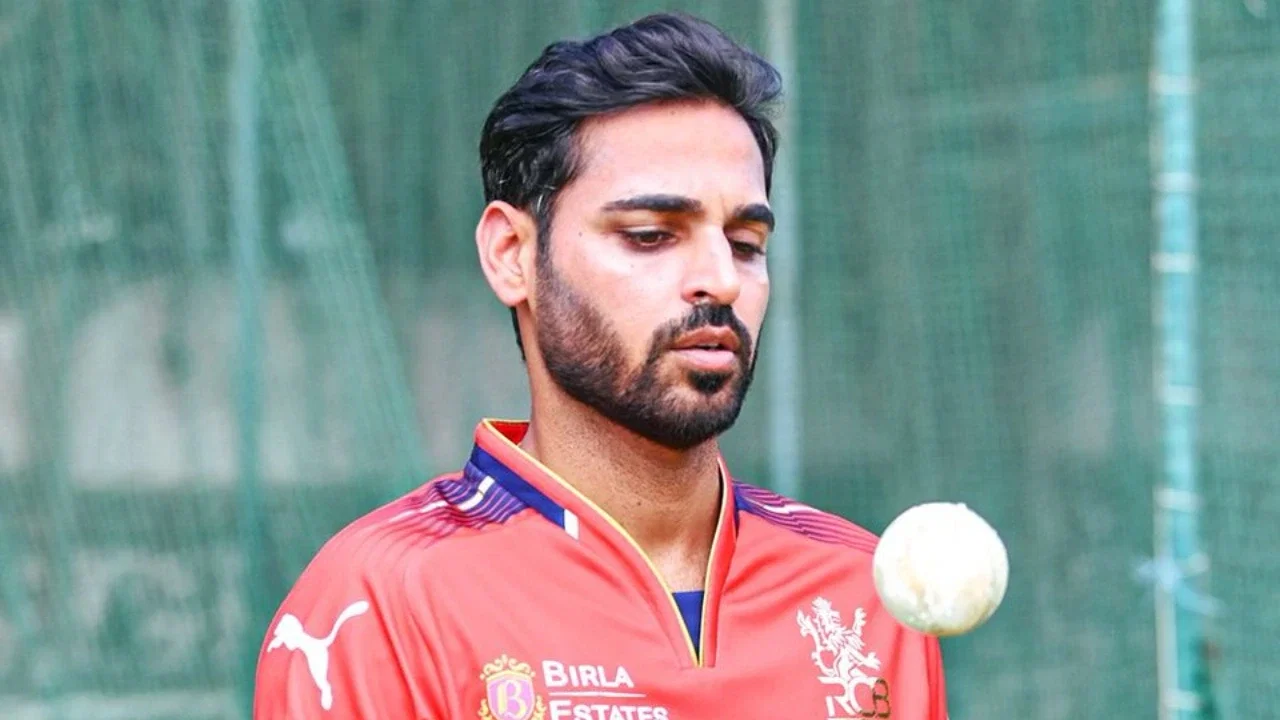
Bhuvneshwar Kumar on brink of IPL history, needs two wickets for massive milestone
IPL to be broadcasted? Bangladesh government drops massive update on IPL broadcast ban
SRH fans to boycott IPL? Former India cricketer shares insights on social media drama around Abrar Ahmed
“Explore this opportunity”: Ruturaj Gaikwad shares inside story of convincing Sanju Samson to join CSK
KKR pacer snubs Rohit Sharma, Virat Kohli, picks MI star as most difficult batter he’s bowled to
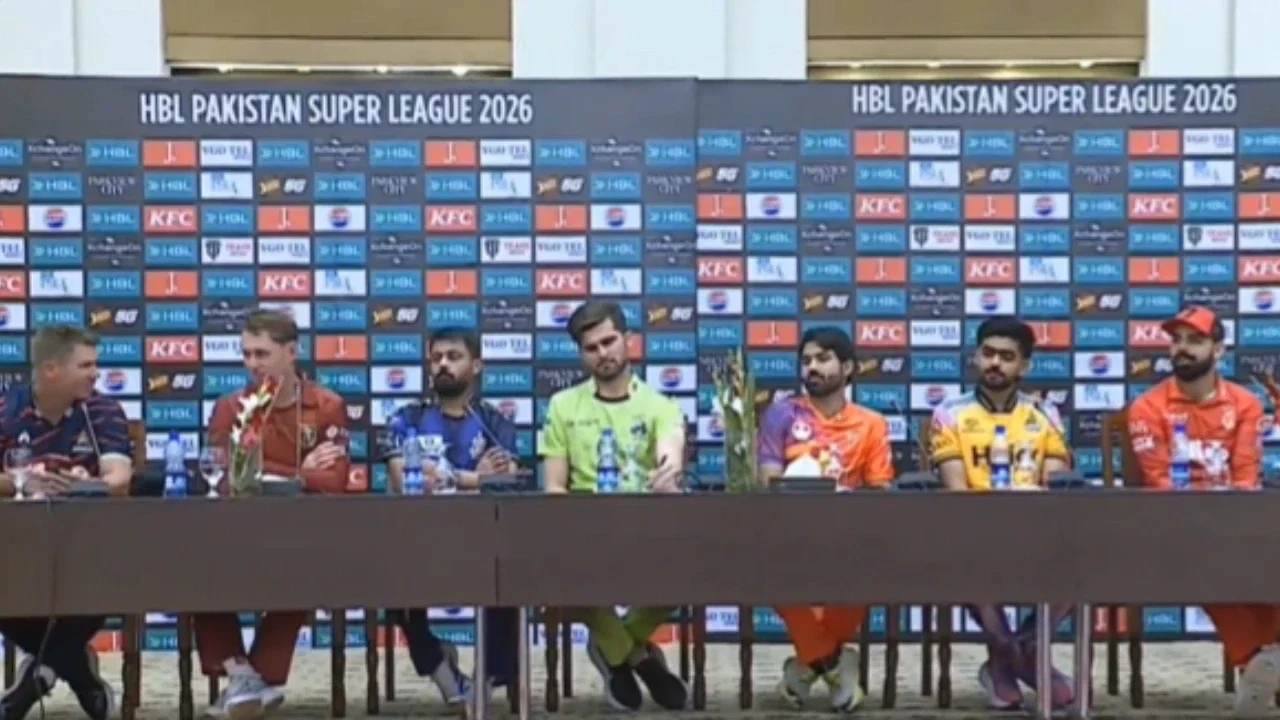
PSL drama erupts! Pakistan great blasted for “lack of manners” after embarrassing ex-England star
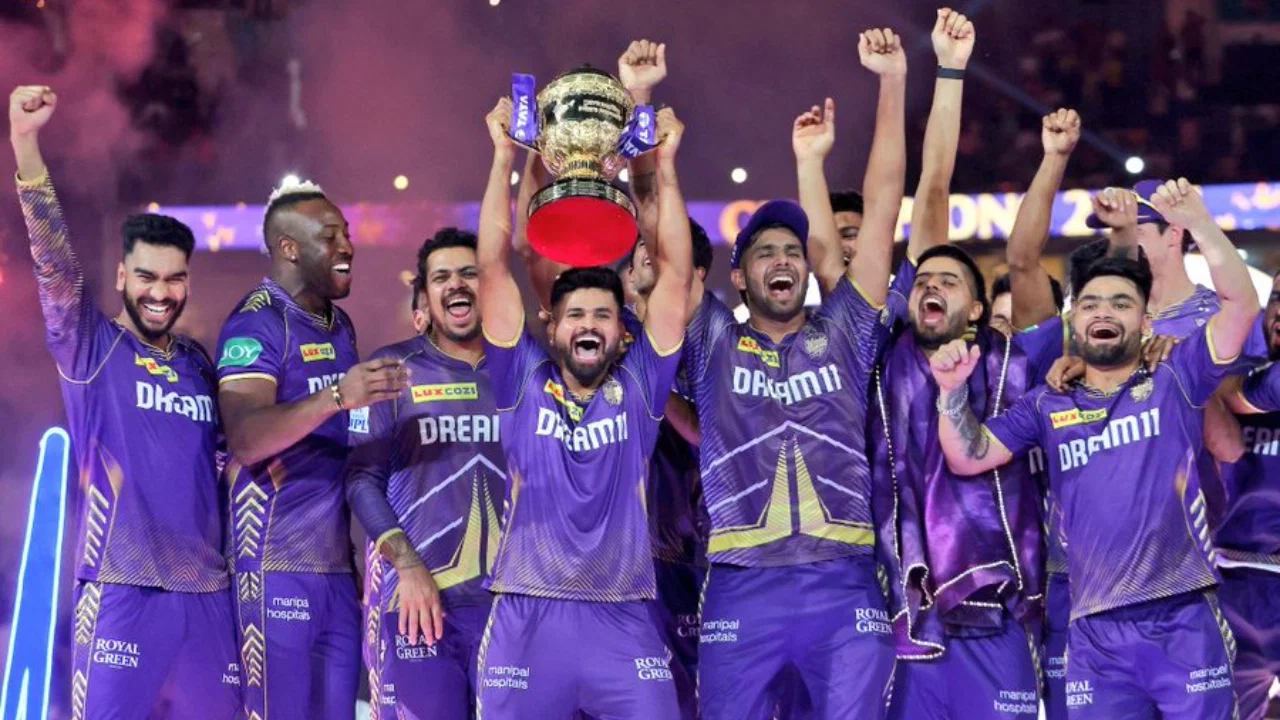
“2024 mein woh underrated the” – Vaibhav Arora on Shreyas Iyer not getting credit for KKR title win
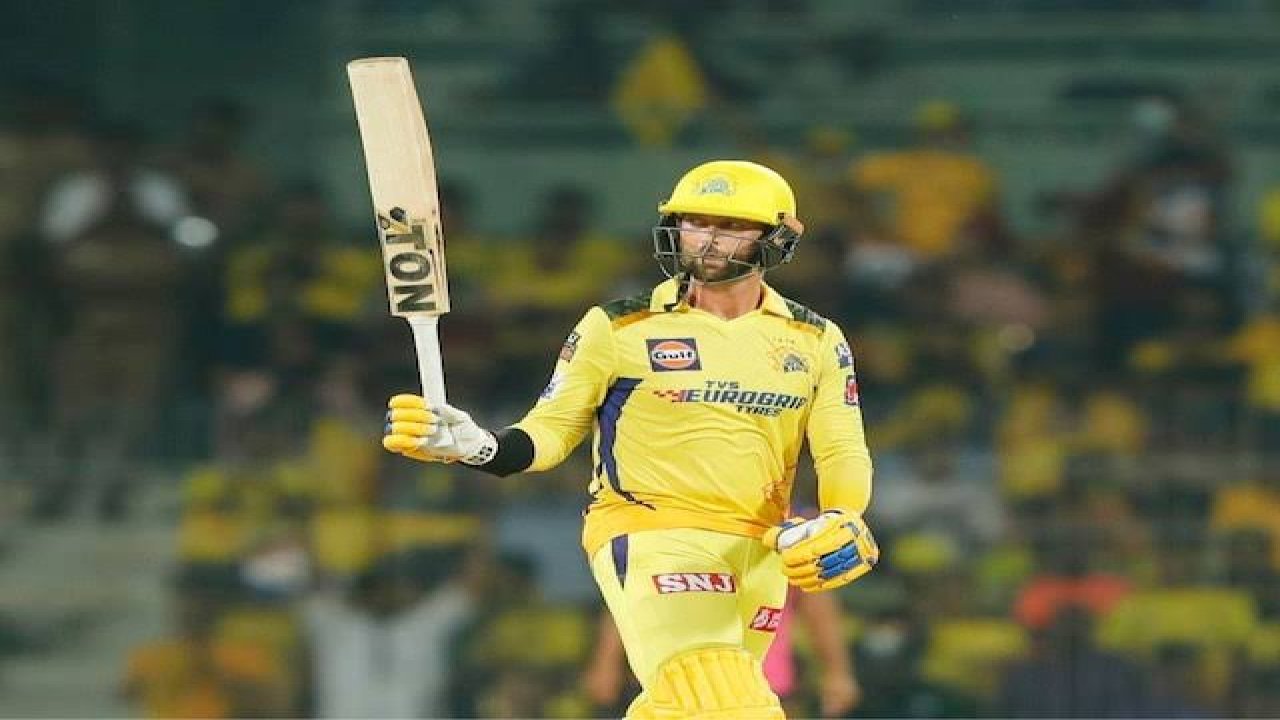
Devon Conway settles IPL vs PSL debate once and for all
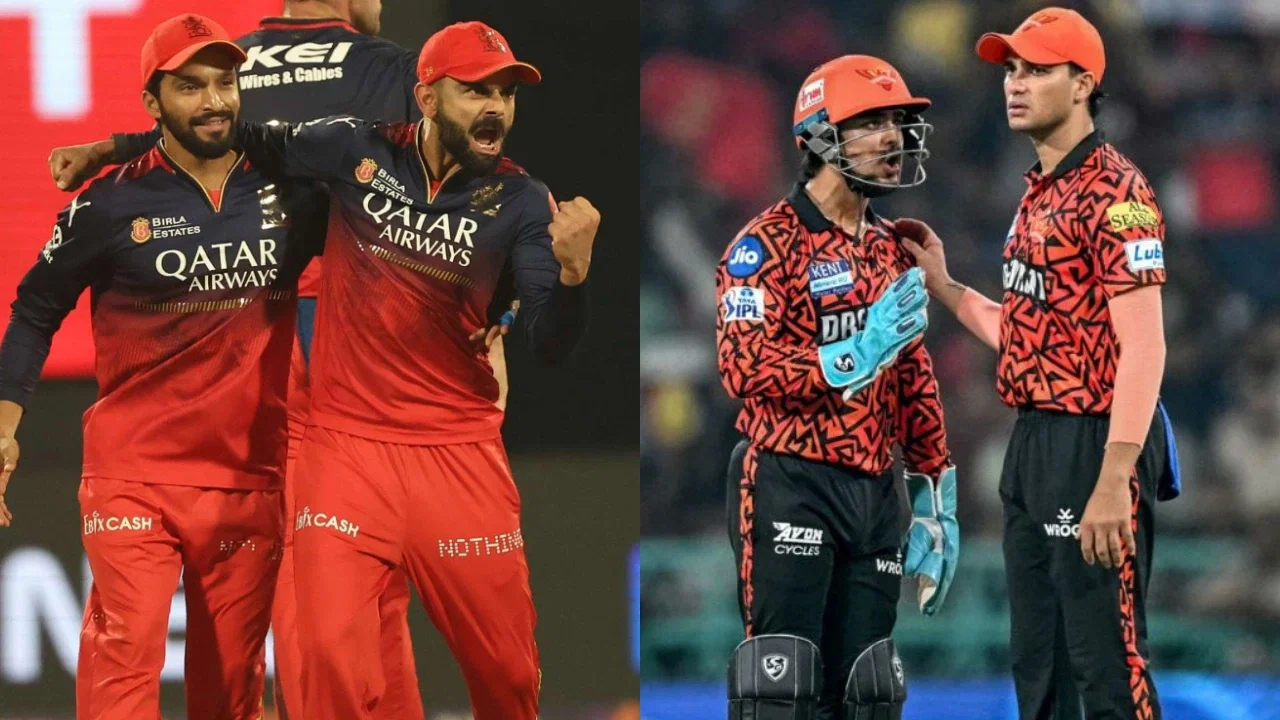
Ex-CSK star’s shocking claim on RCB vs SRH match ahead of IPL 2026
Misbah-ul-Haq takes legal action against Ahmed Shehzad over defamation claims
Naseem Shah charged with central contract violation during PSL 2026
MS Dhoni out of IPL 2026, has not recovered from calf strain
Jasprit Bumrah set to lead MI attack in blockbuster IPL 2026 clash vs KKR