ECB plans DIRTY County Cricket BAN on Australia stars to stop Ashes domination in England
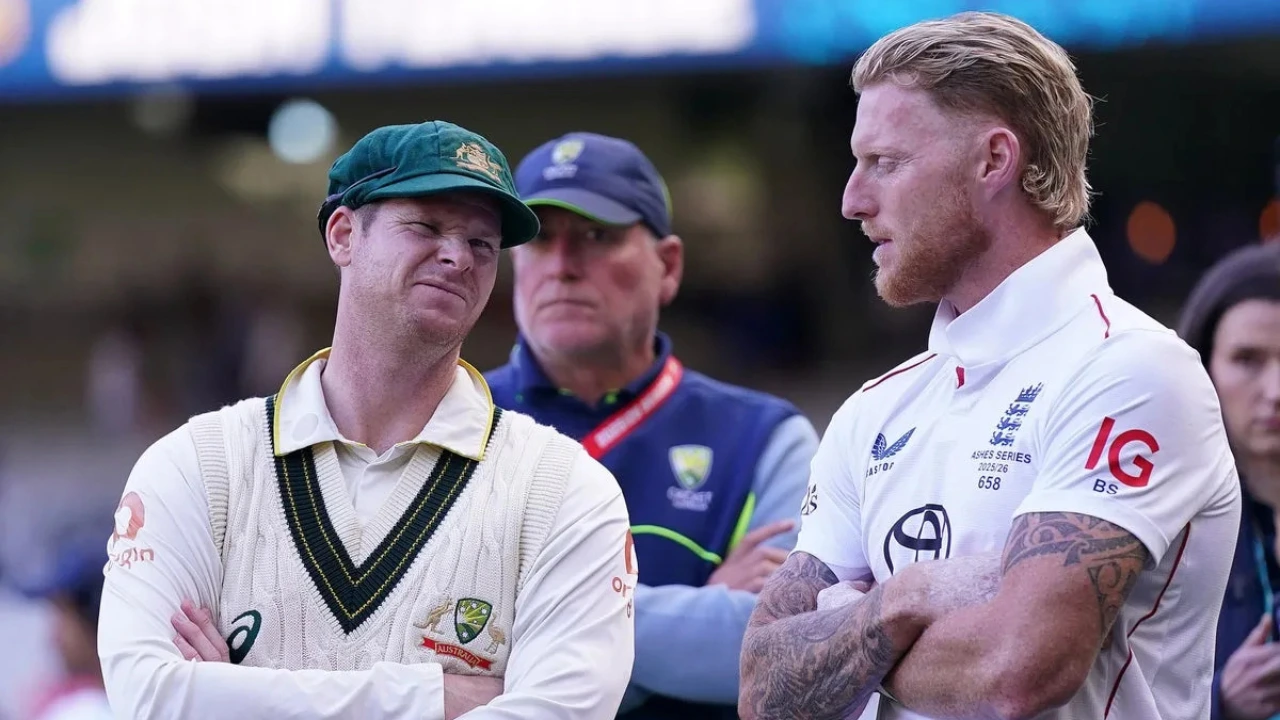
The ECB Contemplates Controversial Move to Halt Australian Players in County Cricket
As the ongoing Ashes 2025-26 series in Australia unfolds, the England and Wales Cricket Board (ECB) is reportedly contemplating a bold and contentious step that has sparked discussions in the cricketing world. The recent defeat of England in the Ashes has prompted the ECB to consider banning Australian Test players from participating in the County Championship immediately before an England tour.
Ashes Advantage
England’s last Ashes victory dates back to 2015 when they triumphed over Australia 3-2. Since then, Australia has maintained a stronghold on the coveted urn. The ECB’s proposal to prevent Australian players from utilizing county cricket as a warm-up before the Ashes series stems from the frustration surrounding Australia’s consistent dominance in the competition.
The Rationale
Australian Test players often arrive in England early to acclimatize to the English conditions by playing in the County Championship. This preparation gives them an advantage that England players rarely receive when touring Australia. The ECB’s move aims to level the playing field and break Australia’s preparation edge.
Notable Australian cricketers like Steve Smith and Marnus Labuschagne have extensively utilized the County Championship to familiarize themselves with English pitches and weather, ultimately enhancing their performance during the Ashes series. By restricting Australian players from partaking in county cricket, the ECB hopes to diminish the unfair advantage they believe Australia currently possesses.
<h3"The "Dirty Ban" Quandary
The ECB’s concern lies in Australia’s strategic planning, with players like Cameron Green and Todd Murphy, potential participants in the 2027 Ashes, having already gained experience in county cricket. This foresight has compelled the ECB to consider implementing restrictions on Australian players solely during the Ashes summer to mitigate their advantage without completely impeding county cricket operations year-round.
While the proposal to ban Australian players during the Ashes season may seem drastic, England’s management has previously prevented their players from participating in county cricket when it aligns with workload management or strategic planning. This precedent has made the notion of restricting Australian players more acceptable within English cricket circles.
Challenges and Considerations
Implementing a ban on Australian players in county cricket poses significant challenges, as counties heavily rely on overseas talent to bolster their squads. High-profile Australian players like Smith not only contribute on the field with their skills but also attract crowds, which is beneficial for county cricket finances.
One potential solution being discussed is limiting Australian players’ participation only during the Ashes summer, safeguarding county cricket in other seasons while addressing England’s concerns about unfair advantages during the Ashes series. The ECB is deliberating on various options, with a final decision expected to be made soon.
As the cricketing world awaits the ECB’s verdict, the potential restriction on Australian players in county cricket has sparked debates and discussions among fans, players, and officials alike. The move, if implemented, could reshape the dynamics of future Ashes series and potentially level the playing field between England and Australia.
Impact on County Cricket
The proposed ban on Australian players in county cricket during the Ashes season has raised concerns within the domestic circuit. County teams rely on overseas players, including Australians, to bring international experience, talent, and star power to their squads. These players often play a crucial role in mentoring young local talent and boosting the overall competitiveness of county cricket.
If the ECB goes ahead with the ban, counties may struggle to find suitable replacements for Australian players, especially those of the caliber of Smith and Labuschagne. This could potentially weaken the quality of competition in county cricket and impact the development of young English cricketers who benefit from playing alongside and against top international stars.
Player Reactions
The possibility of being barred from participating in county cricket before the Ashes has elicited mixed reactions from Australian players. While some view it as a challenge that could test their adaptability and resilience, others see it as a disadvantage that might affect their preparation for the prestigious series.
Players like Smith and Labuschagne, who have thrived in English conditions after stints in county cricket, may need to explore alternative avenues to familiarize themselves with the unique challenges posed by playing in England. This could include organizing bespoke training camps or seeking match practice in other domestic leagues around the world.
International Ramifications
The ECB’s decision regarding the ban on Australian players in county cricket could have broader implications for international cricket diplomacy. Australia and England share a historic rivalry that is fueled by the Ashes contests. Any move perceived as disrupting the traditional buildup to the series may strain relations between the two cricketing nations.
Furthermore, other cricket boards might closely monitor the ECB’s actions and consider similar measures to safeguard their own interests in future bilateral series. The precedent set by England could prompt countries to reevaluate the role of domestic competitions in shaping international encounters, potentially leading to shifts in how players prepare for major tournaments.
Future Strategies
Regardless of the outcome of the ECB’s deliberations, the discussions surrounding the ban on Australian players in county cricket highlight the evolving nature of cricket tactics and strategies. Teams are constantly seeking ways to gain a competitive edge, whether through innovative training methods, data analysis, or strategic planning.
Australia, known for its resilience and adaptability, may respond to the potential ban by exploring new avenues for player development and preparation. This could spur innovations in how teams approach overseas tours and major tournaments, leading to a reevaluation of traditional methods of acclimatization and readiness.
Final Thoughts
As the cricketing community awaits the ECB’s final decision on the controversial move to halt Australian players in county cricket, the implications of such a decision reverberate across the sport. The balance between maintaining the integrity of competitions, nurturing domestic talent, and ensuring a level playing field for all teams remains a complex and ongoing challenge for cricket administrators worldwide.
Whatever the outcome, the potential ban underscores the competitive nature of cricket and the relentless pursuit of success that drives players, teams, and governing bodies to explore new avenues, challenge conventions, and adapt to changing circumstances in the ever-evolving landscape of the sport.
Latest News

Ben Stokes return date revealed after injury layoff, set to miss start of season

Mitchell Starc issues official statement on his IPL 2026 availability

Matheesha Pathirana IPL return date revealed, set to miss two matches

Living Like Prince: Shubman Gill Buys a Massive ₹20.7 Cr Luxury Home in Juhu.
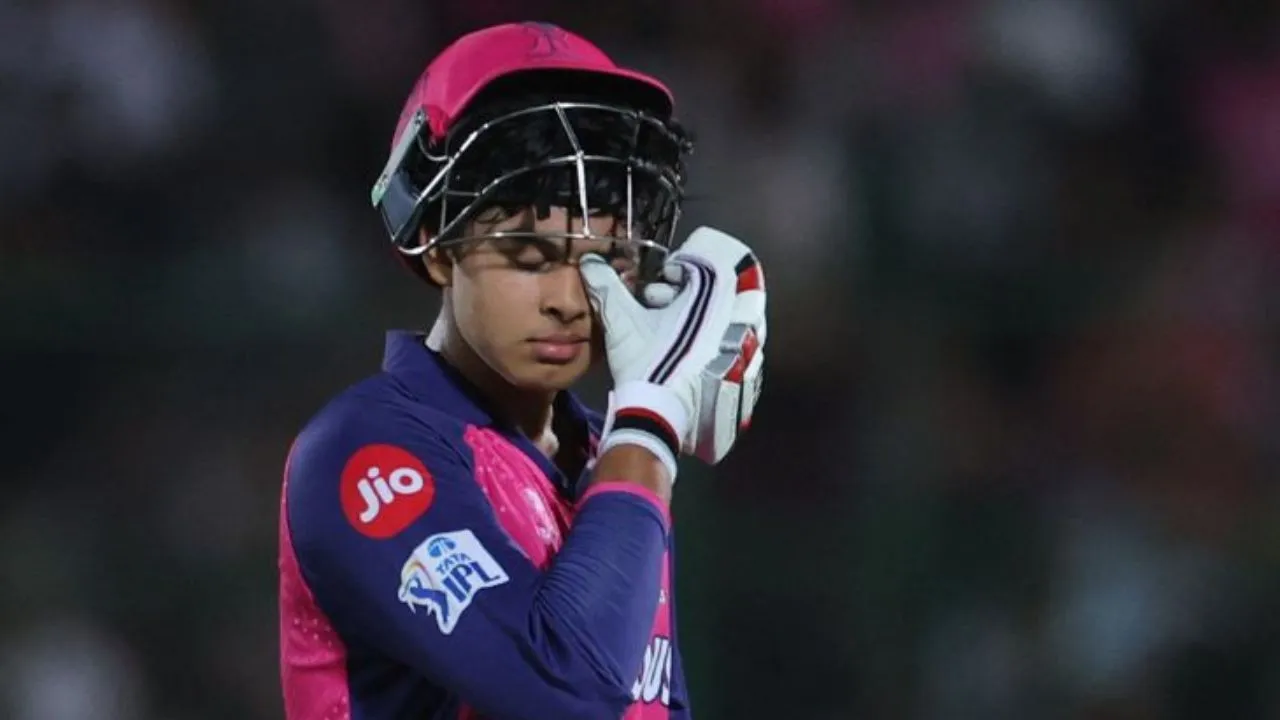
Not Vaibhav Sooryavanshi! Shashank Singh points out the most exciting young batter in IPL 2026

Rohit Sharma will perform better than Virat Kohli in IPL 2026, claims South Africa GOAT

Ravichandran Ashwin set to team up with Haris Rauf for San Francisco Unicorns in MLC

Jasprit Bumrah, Matheesha Pathirana injury updates: MI, KKR coaches issue official medical bulletin
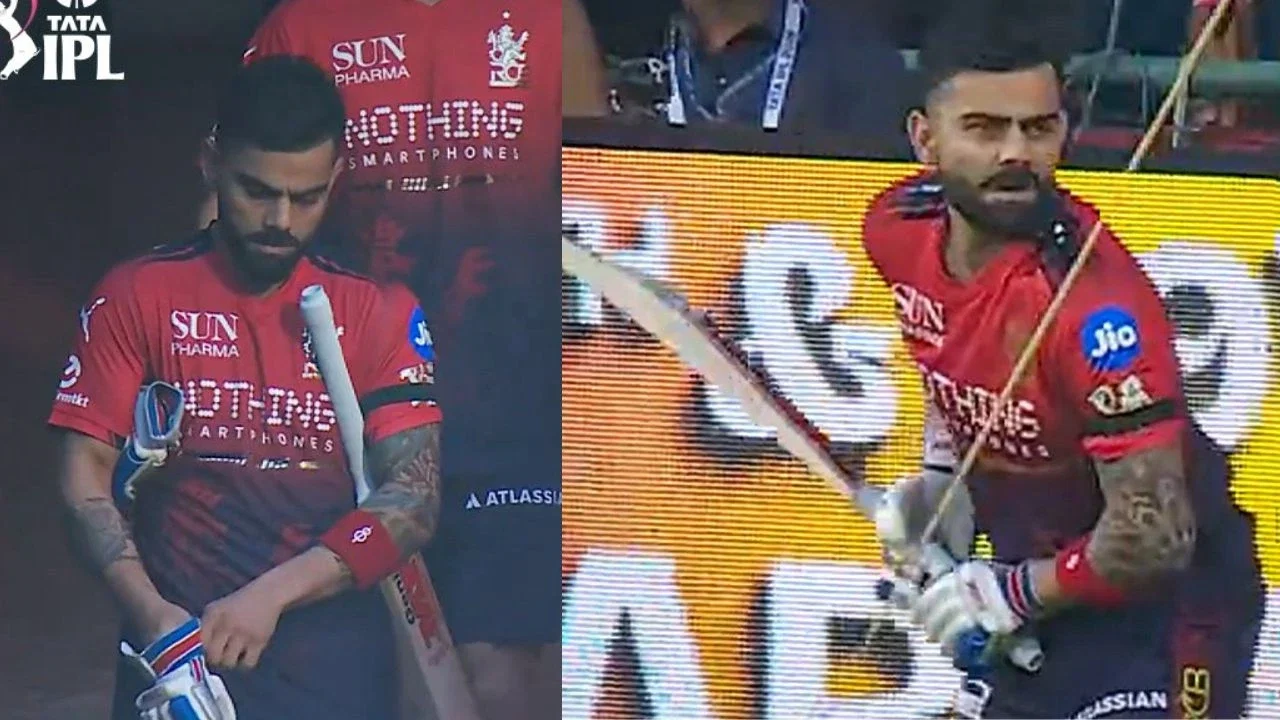
Why are RCB players wearing black armbands today vs SRH in IPL 2026 Match 1?

RCB vs SRH Impact Players Today: Toss Report, Playing XIs, Latest Updates IPL 2026 Match 1

Yograj Singh makes blunt remark at Virat Kohli and Rohit Sharma over early retirement calls

Bhuvneshwar Kumar on brink of IPL history, needs two wickets for massive milestone

IPL to be broadcasted? Bangladesh government drops massive update on IPL broadcast ban

SRH fans to boycott IPL? Former India cricketer shares insights on social media drama around Abrar Ahmed