ECB rules out England’s participation in Euro Nations Cup, cites busy schedule

The Dream of Euro Nations Cup Faces Hurdles as England Declines Participation
The cricketing world was abuzz with excitement over the prospect of a European version of the Asia Cup, dubbed the Euro Nations Cup. With countries like England, Ireland, Scotland, the Netherlands, and Italy potentially participating, the tournament promised to be a groundbreaking event. However, hopes were dashed when the England and Wales Cricket Board (ECB) announced that England would not be part of the proposed competition.
England’s Decision Sparks Disappointment
The announcement came as a blow to Cricket Ireland chairman Brian MacNeice, who had been a staunch advocate for the Euro Nations Cup. MacNeice envisioned a continental extravaganza featuring both men’s and women’s teams competing in the T20 format, similar to the popular Asia Cup. Despite his passion for the idea, the ECB CEO Richard Gould made it clear that England’s international schedule was too packed to accommodate another tournament.
Gould acknowledged the appeal of the Euro Nations Cup but cited England’s already overcrowded calendar as the primary reason for declining participation. With a jam-packed 2026 home season that includes series against New Zealand, Pakistan, India, Ireland, and Sri Lanka, as well as hosting the ICC Women’s T20 World Cup, adding another event would strain the team’s resources and affect player workload and performance.
Cricket Ireland’s Persistence Amid Challenges
Despite England’s withdrawal, Cricket Ireland remains committed to the vision of the Euro Nations Cup. The proposed tournament is seen as a pivotal step in strengthening Ireland’s international cricket structure and increasing visibility for both their men’s and women’s teams in the European cricketing landscape. Discussions around the Euro Nations Cup have been ongoing for some time, with MacNeice expressing confidence in the idea’s viability.
However, the absence of England from the competition poses a significant challenge as broadcasters may show less interest without a prominent team like England in the mix. Ireland and England have a history of playing against each other, with plans for a three-match T20I series in 2029. Cricket Ireland is hopeful that the new stadium at Abbotstown in Dublin will be ready to host these high-profile matches against England.
ECB Addresses Criticism and Maintains Team Morale
Amidst the discussions surrounding England’s non-participation in the Euro Nations Cup, the ECB CEO also addressed criticisms about the team environment. Following reports of a negative atmosphere within the England men’s team after some players were dropped, Richard Gould dismissed these claims, emphasizing the excitement and positivity that comes with the start of a new season.
Gould refuted allegations of discontent among players, stating that the competitive nature of elite cricket often leads to emotional reactions when individuals are left out of the national squad. He highlighted the resilience of the team and expressed confidence in overcoming any challenges that may arise, maintaining a focus on delivering top performances on the field.
In conclusion, while the dream of a Euro Nations Cup may have faced setbacks with England’s refusal to participate, the cricketing landscape in Europe continues to evolve, driven by the aspirations of nations like Ireland to carve a stronger presence on the international stage.
Exploring Potential Alternatives for the Euro Nations Cup
Despite England’s absence from the proposed Euro Nations Cup, there are still avenues to explore to make the tournament a reality. One option could be to invite other European cricketing nations such as Germany, France, and Spain to participate. Including a diverse range of countries would not only add a new dynamic to the competition but also foster growth and development of cricket across Europe.
Another alternative could be to structure the Euro Nations Cup as a biennial event, alternating with other tournaments to alleviate concerns about an overcrowded cricketing calendar. This approach would allow teams to participate without compromising their existing commitments, providing a balance between showcasing European talent and managing player workloads effectively.
Embracing Collaboration and Innovation in European Cricket
While England’s decision may have been disappointing, it also presents an opportunity for collaboration and innovation within European cricket. National cricket boards could work together to create smaller-scale tournaments or bilateral series that promote cross-border competition and foster a sense of camaraderie among European teams.
Furthermore, embracing new formats such as T10 cricket could offer an exciting alternative for teams looking to compete on a regional level. The fast-paced nature of T10 matches could attract a wider audience and elevate the profile of European cricket, paving the way for future tournaments and opportunities for growth.
Building Momentum for the Future of European Cricket
Despite the challenges faced by the Euro Nations Cup, the passion and dedication of cricketing nations like Ireland continue to drive progress and momentum in European cricket. By staying committed to their vision and exploring innovative solutions, these countries can lay the foundation for a vibrant and competitive cricketing landscape in Europe.
As the cricketing world evolves and adapts to changing circumstances, the dream of a Euro Nations Cup may still come to fruition in the future. Through perseverance, collaboration, and a shared commitment to the growth of cricket, European nations can overcome obstacles and create a legacy that transcends borders and unites cricket fans across the continent.
Ultimately, while England’s decision may have posed a setback, it also opens the door for new possibilities and fresh perspectives in European cricket. By embracing challenges as opportunities for growth and innovation, the cricketing community in Europe can continue to thrive and elevate the sport to new heights.
By exploring alternative approaches, fostering collaboration, and building momentum for the future, European cricket has the potential to realize its aspirations and establish a strong presence on the global stage. While the road may be challenging, the passion and determination of cricketing nations in Europe will undoubtedly lead to exciting developments and achievements in the years to come.
Latest News
Vaibhav Sooryavanshi to share dressing room with Rohit-Kohli after IPL 2026, predicts ex-Pakistan star
Arjun Tendulkar opens up on frustration with Mumbai Indians: “No one wants to sit on bench”
Aakash Chopra hails Shreyas Iyer, criticises Shubman Gill in IPL 2026 captaincy verdict
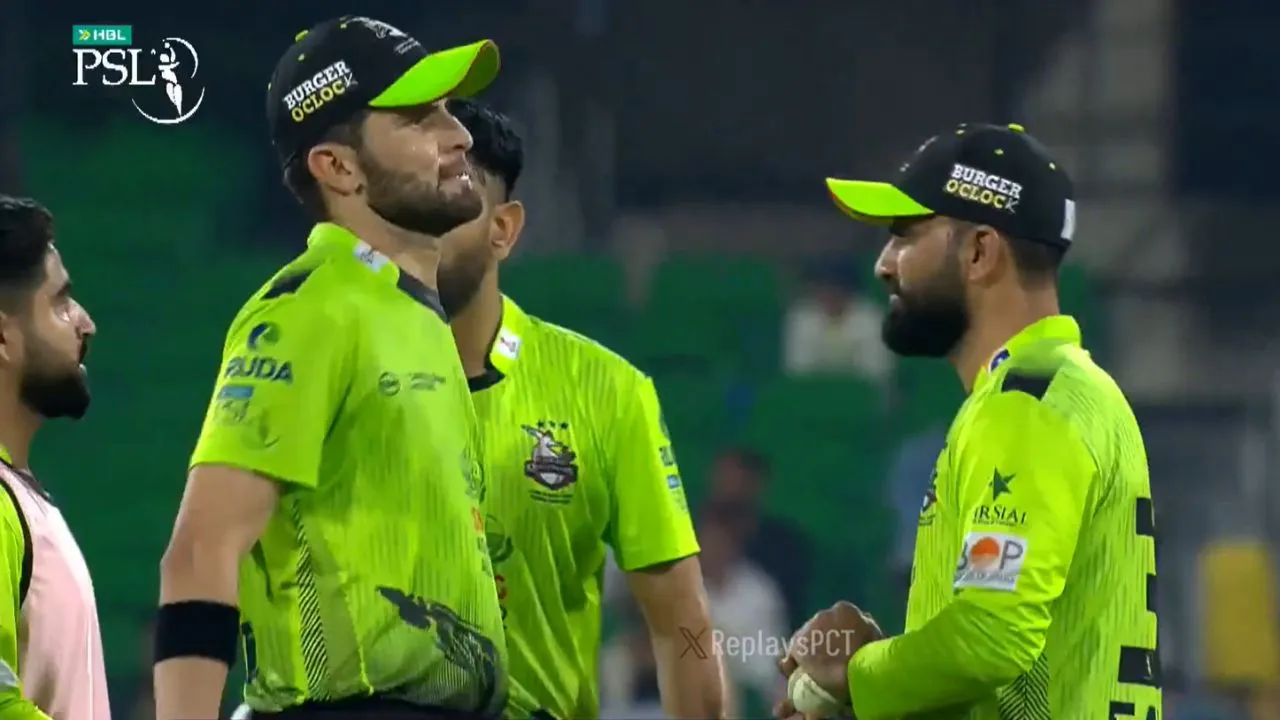
Fakhar Zaman takes legal action against Mohsin Naqvi and PCB over two-match PSL suspension
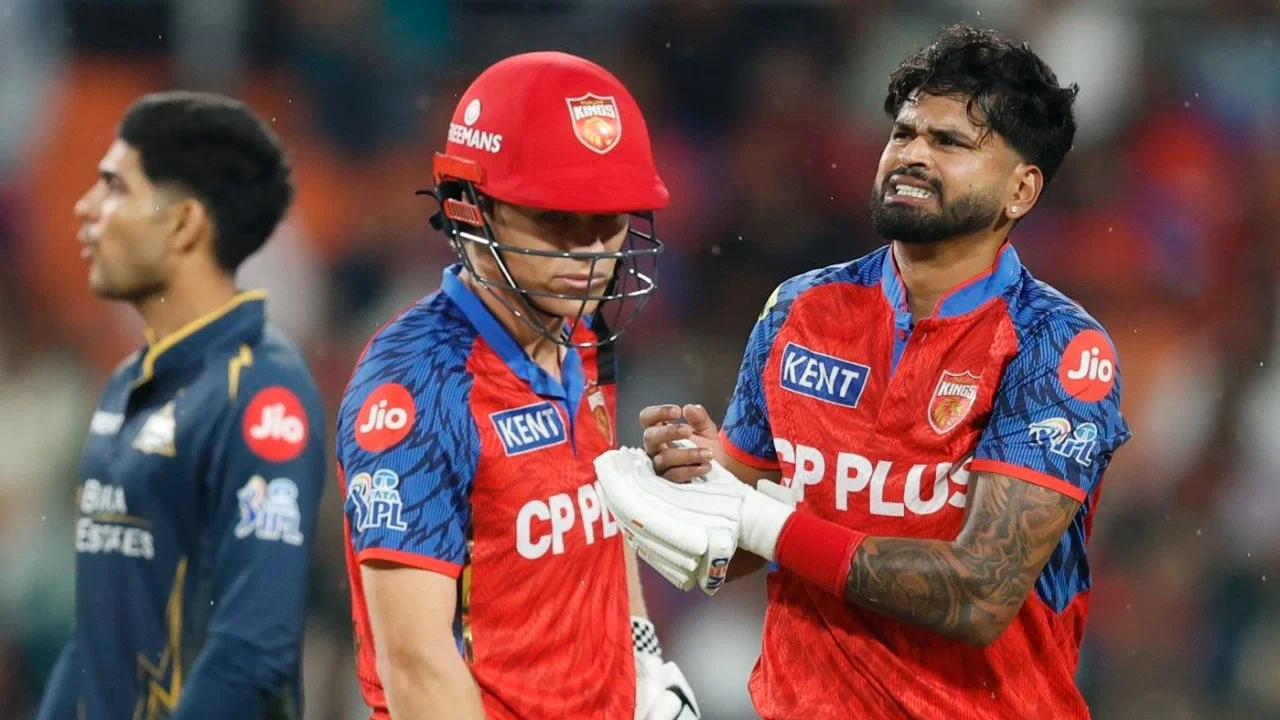
Yuzvendra Chahal drops massive update on Shreyas Iyer’s wrist injury
ECB rules out England’s participation in Euro Nations Cup, cites busy schedule
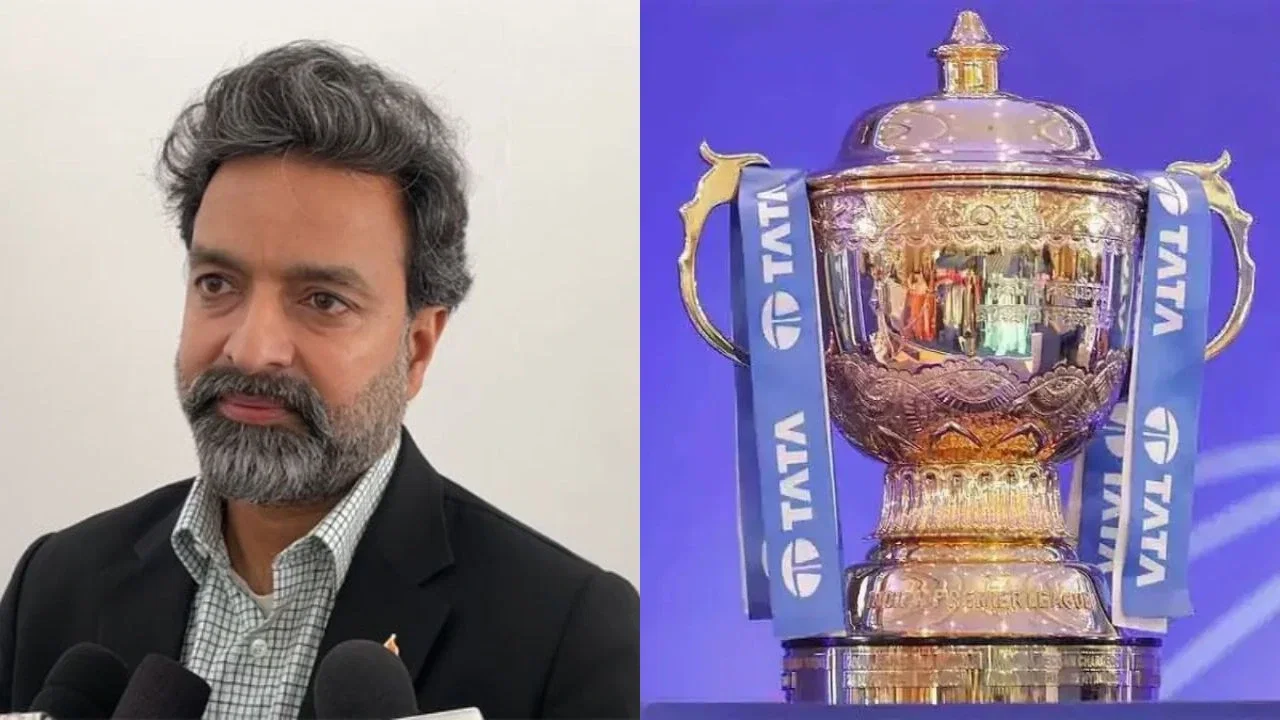
IPL Chairman Arun Dhumal shuts down fears of falling media value
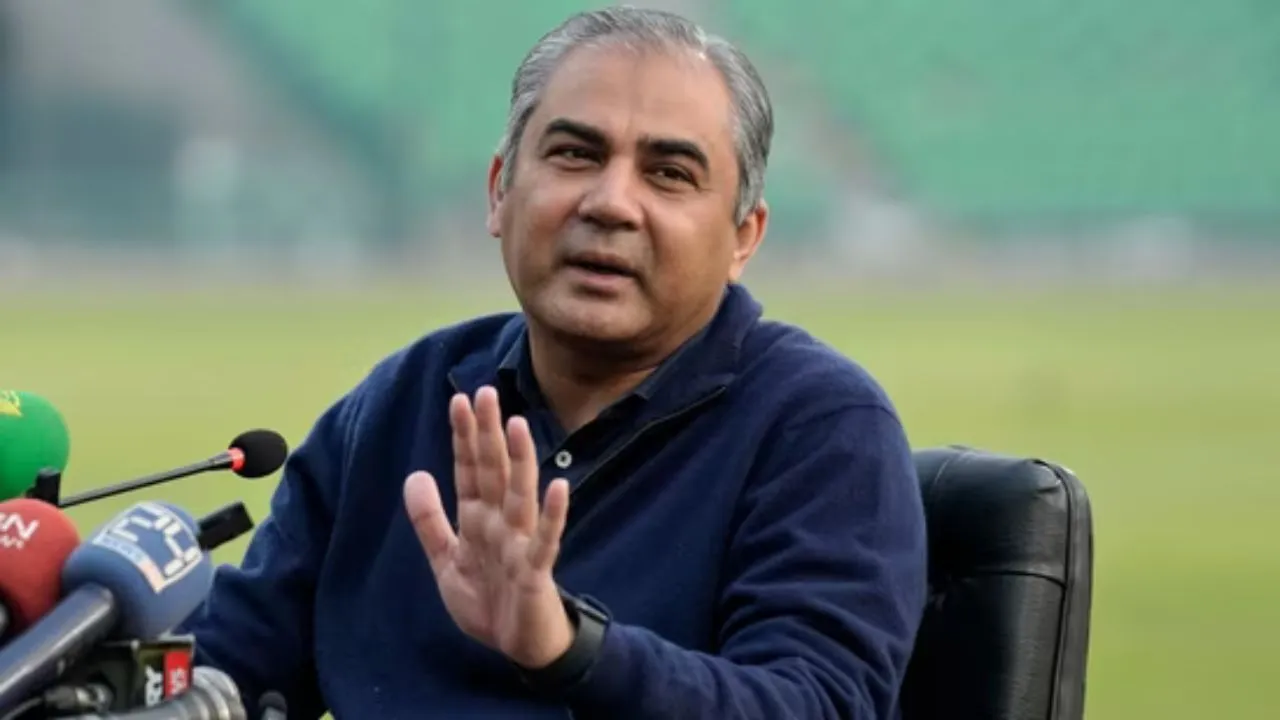
Mohsin Naqvi and PCB issues stricter rules after PSL hotel security breach
Brydon Carse gives Ishan Kishan and SRH selection headache ahead of KKR clash
LSG vs DC Impact Players Today: Toss Report, Playing XIs, Latest Updates IPL 2026 Match 5
KKR vs SRH Match Prediction – Who Will Win Match No.6? | IPL 2026
10 T20Is in one month! India tour of Zimbabwe 2026 schedule officially announced
David Miller set for international retirement after South Africa contract snub

Watch: Digvesh Rathi, Nitish Rana bury hatchet in front of Rishabh Pant ahead of IPL 2026 clash