Ehsan Mani EXPOSES Shahid Afridi’s ‘personal agenda’ against Mohsin Naqvi

Former PCB Chairman Ehsan Mani Responds to Shahid Afridi’s Criticism
Former Pakistan Cricket Board (PCB) chairman, Ehsan Mani, has spoken out against Shahid Afridi’s recent controversial remarks about the current state of Pakistan cricket and PCB chairman Mohsin Naqvi. Afridi claimed that Naqvi lacks cricketing knowledge and likened Pakistan cricket to a critically ill patient in the ICU. However, Mani dismissed Afridi’s comments as baseless and suggested that Afridi may have personal agendas behind his criticism.
Mani Dismisses Afridi’s Claims
Mani, who served as PCB chairman from 2018 to 2021, expressed his disregard for Afridi’s criticisms, stating, “I do not give any credibility to what Shahid Afridi or anyone else says. They have their personal agendas or whatever. So, I wouldn’t go there. No comment on that.” Mani emphasized the importance of leadership coming from the PCB chairman and board of directors, rather than external criticisms.
Concerns Over Pakistan’s Performance
Following Pakistan’s disappointing exits from major tournaments like the ICC Champions Trophy 2025, the 2023 ODI World Cup, and the 2024 T20 World Cup, Mani highlighted deeper issues within Pakistan cricket. Despite acknowledging the talent within the team, Mani pointed out the lack of a strong cricketing structure as a hindrance to their success.
Call for a New Cricketing Structure
During his tenure as PCB chairman, Mani introduced a new domestic format aimed at improving the quality of cricket in Pakistan. However, he now urges the board to take further steps in rebuilding the system to ensure high-quality, competitive cricket is played in the country. Mani emphasized the need for a modern setup that can bring out the best in Pakistani players.
Looking Towards the Future
In conclusion, Mani called for a reassessment of the game structure in Pakistan to meet modern-day requirements. He stressed the importance of ensuring that the basic structure of cricket in Pakistan is suitable for producing top-quality players. Mani’s insights and recommendations come at a crucial time for Pakistan cricket, as they aim to overcome their recent challenges and establish themselves as a formidable force in the international arena.
Overall, Mani’s perspective sheds light on the complexities and challenges faced by Pakistan cricket, emphasizing the need for a strategic and progressive approach to revitalize the system and elevate the country’s cricketing standards.
Addressing Pakistan Cricket’s Challenges
Despite the rich history and talent pool in Pakistan cricket, the national team has faced numerous challenges in recent years, ranging from inconsistent performances to internal conflicts. These issues have not only affected the team’s results on the field but have also hindered the development of young players and the overall growth of the sport in the country.
The Impact of Predictions on Performance
One aspect that often influences a team’s performance is the pressure of predictions and expectations. The Pakistani cricket team has long been subjected to high expectations from fans, experts, and the media, which can create additional stress for the players. This pressure to deliver results can sometimes lead to underperformance, as players may struggle to cope with the weight of expectations.
Building Mental Resilience
To address this challenge, it is essential for players to build mental resilience and focus on their game rather than external opinions. Developing a strong mindset and the ability to handle pressure is crucial for performing consistently at the highest level. Coaches and mentors play a pivotal role in guiding players and helping them manage expectations effectively.
Investing in Youth Development
Another critical aspect of improving Pakistan cricket’s future is investing in youth development programs and grassroots initiatives. Identifying and nurturing young talent from a grassroots level is essential for building a sustainable pipeline of skilled players for the national team. By providing opportunities and resources to young cricketers, Pakistan can strengthen its cricketing infrastructure and ensure a steady supply of talented individuals for the future.
Embracing Technology and Innovation
In the modern era of cricket, technology and innovation play a significant role in enhancing player performance and strategic decision-making. Embracing tools such as data analytics, video analysis, and wearable technology can provide valuable insights into player strengths and weaknesses, as well as opposition strategies. By leveraging technology effectively, Pakistan cricket can stay ahead of the curve and adapt to the evolving dynamics of the game.
Collaboration and Unity in the Cricketing Community
Unity and collaboration within the cricketing community are essential for driving positive change and overcoming challenges. By fostering a culture of teamwork, respect, and mutual support, stakeholders in Pakistan cricket can work together towards a common goal of success and excellence. Building strong relationships between players, coaches, administrators, and fans can create a sense of unity and solidarity that propels the sport forward.
Conclusion
In conclusion, addressing the challenges faced by Pakistan cricket requires a holistic approach that encompasses strategic planning, talent development, mental resilience, innovation, and collaboration. By implementing a comprehensive strategy that addresses these key areas, Pakistan can position itself for sustained success and competitiveness in the global cricketing landscape. With a collective effort and a commitment to excellence, Pakistan cricket can rise to new heights and fulfill its potential on the world stage.
By incorporating these insights and strategies, Pakistan cricket can navigate the complexities of the modern game and emerge as a dominant force in international cricket. Through proactive measures and a forward-thinking approach, the future of Pakistan cricket holds immense promise and potential for growth and success.
Latest News
Ben Duckett opts out from IPL 2026, set to face ban
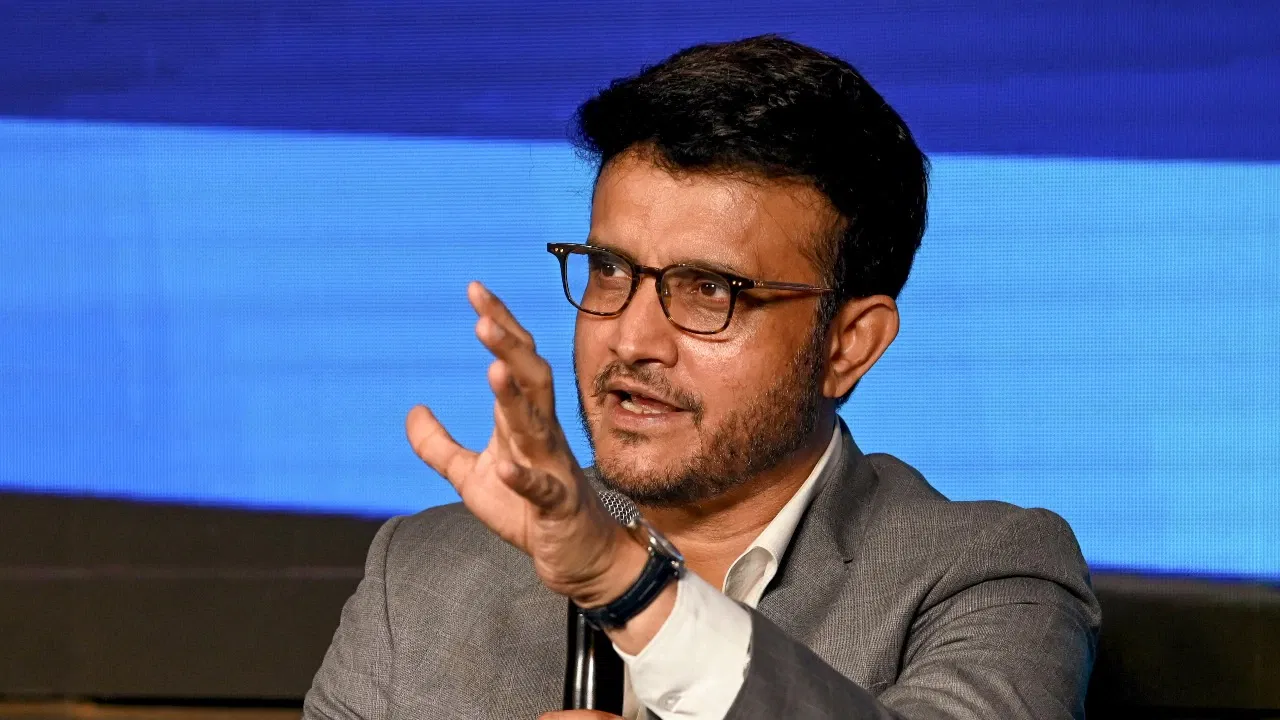
“Players will prevail”: Sourav Ganguly’s drops big verdict on ‘Impact Player’ rule ahead of IPL 2026
“Players will prevail”: Sourav Ganguly’s drops big verdict on ‘Impact Player’ rule ahead of IPL 2026
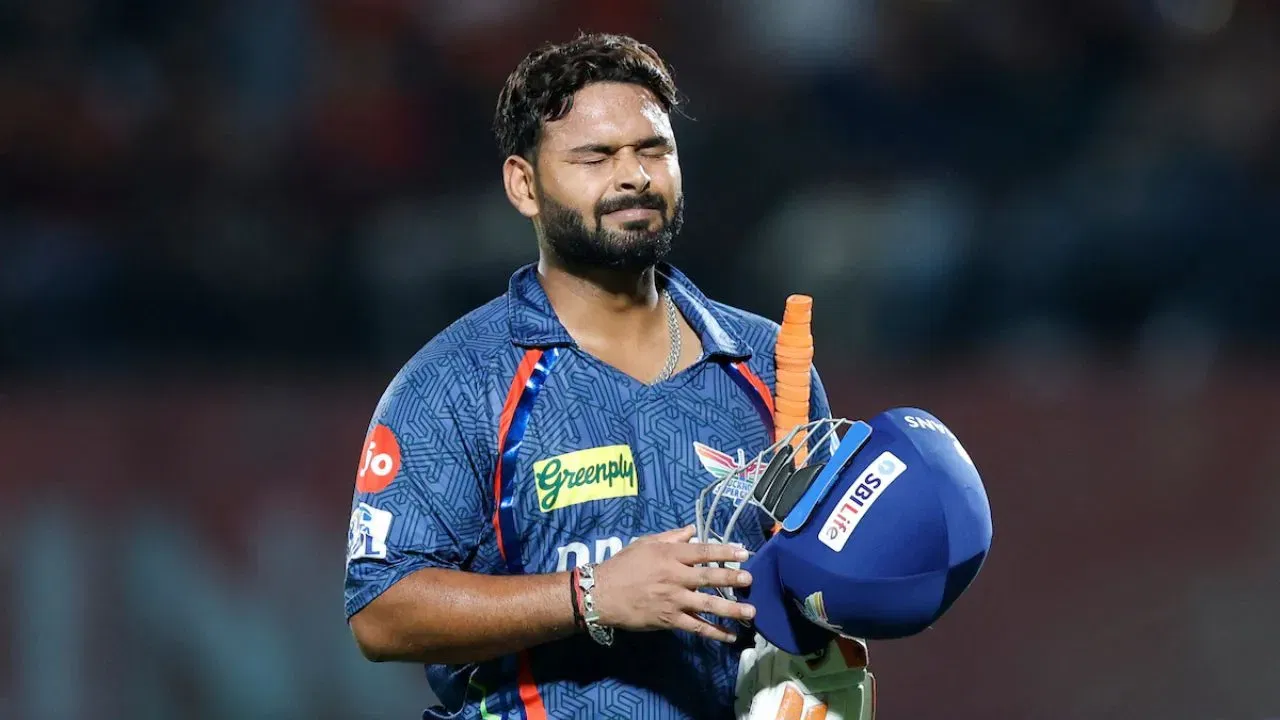
3 LSG players who could struggle in IPL 2026 – ft Rishabh Pant
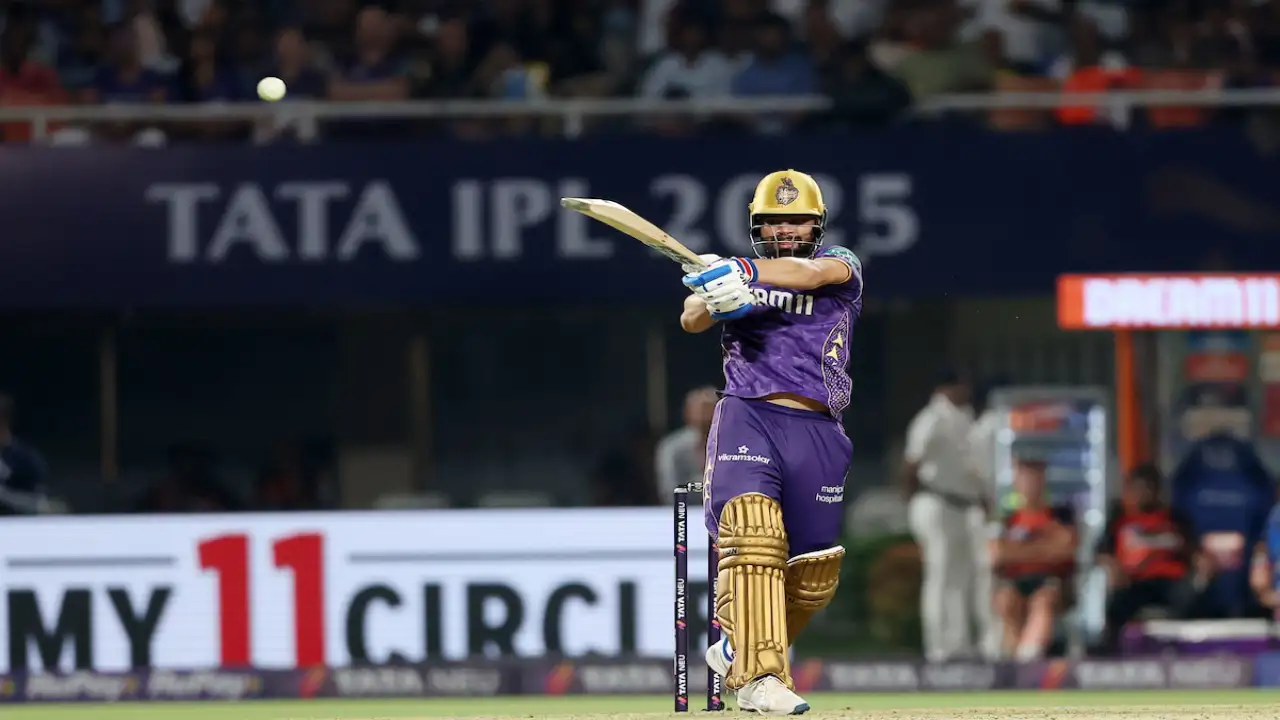
Rinku Singh gets major role for KKR ahead of IPL 2026
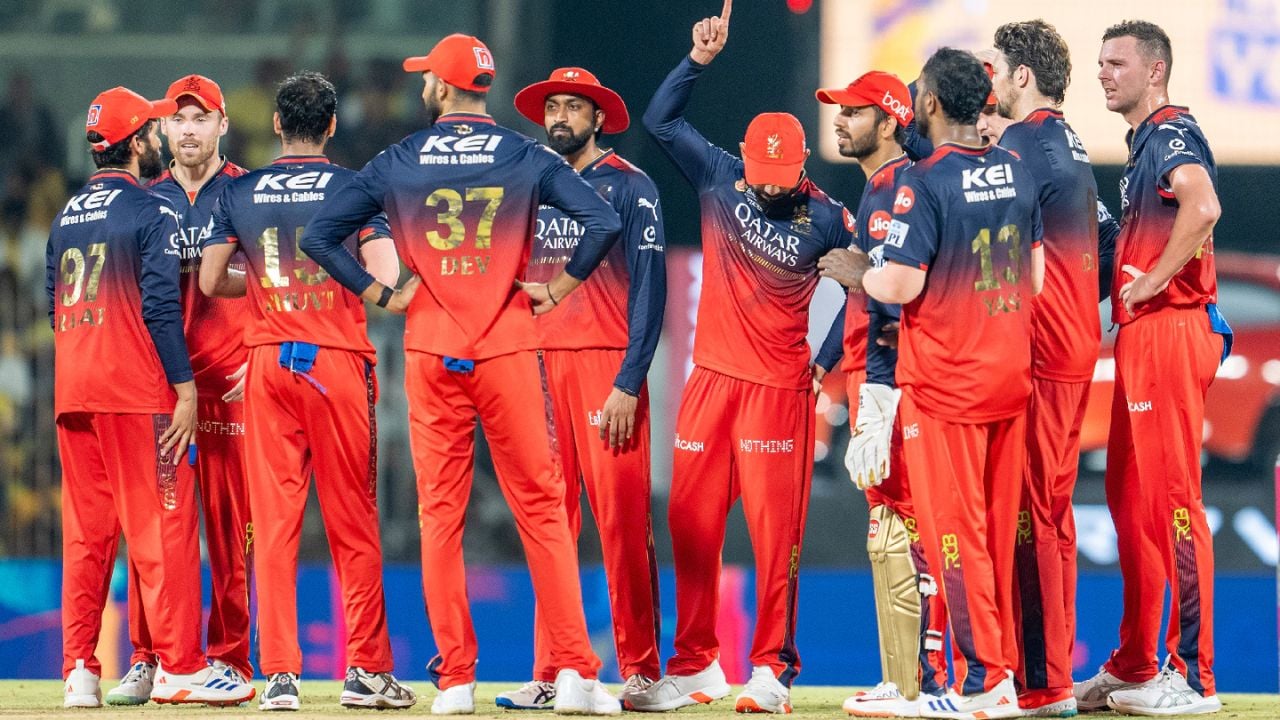
RCB gets new buyer ahead of IPL 2026, sold to…..

KKR take massive step to honour Andre Russell forever
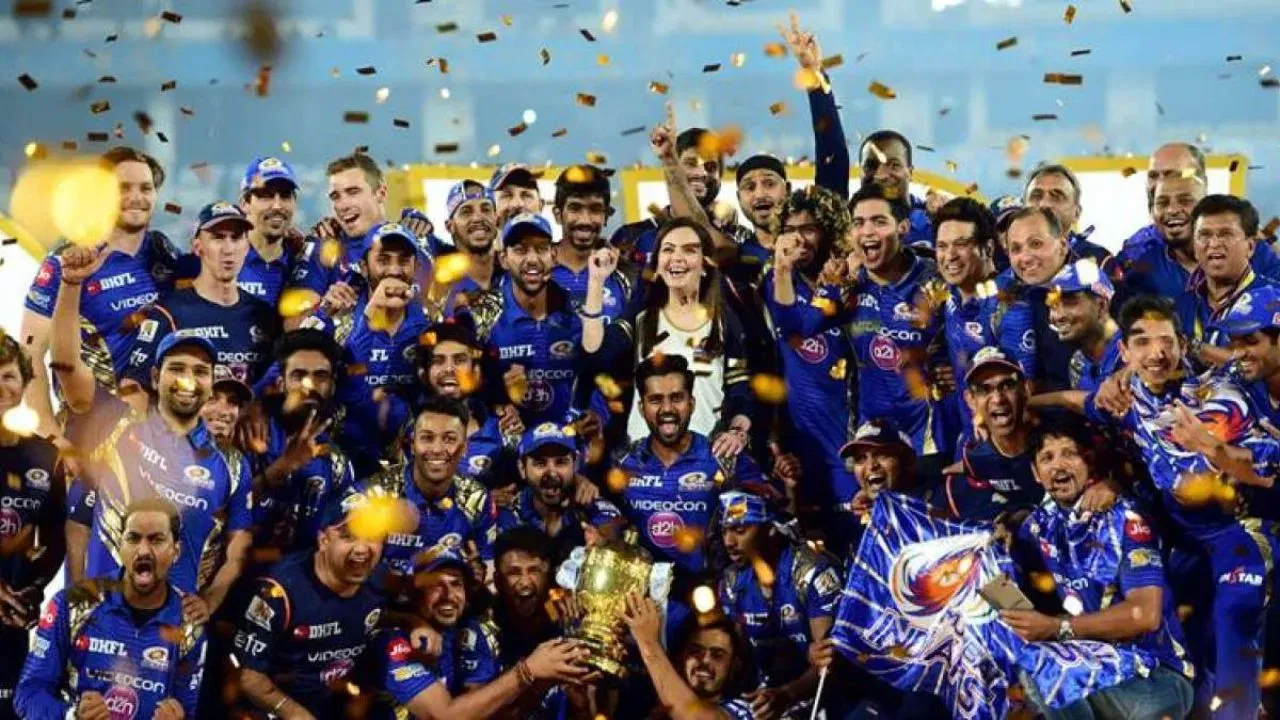
“Mumbai Indians are winning it” – Ex-England captain makes bold prediction for IPL 2026
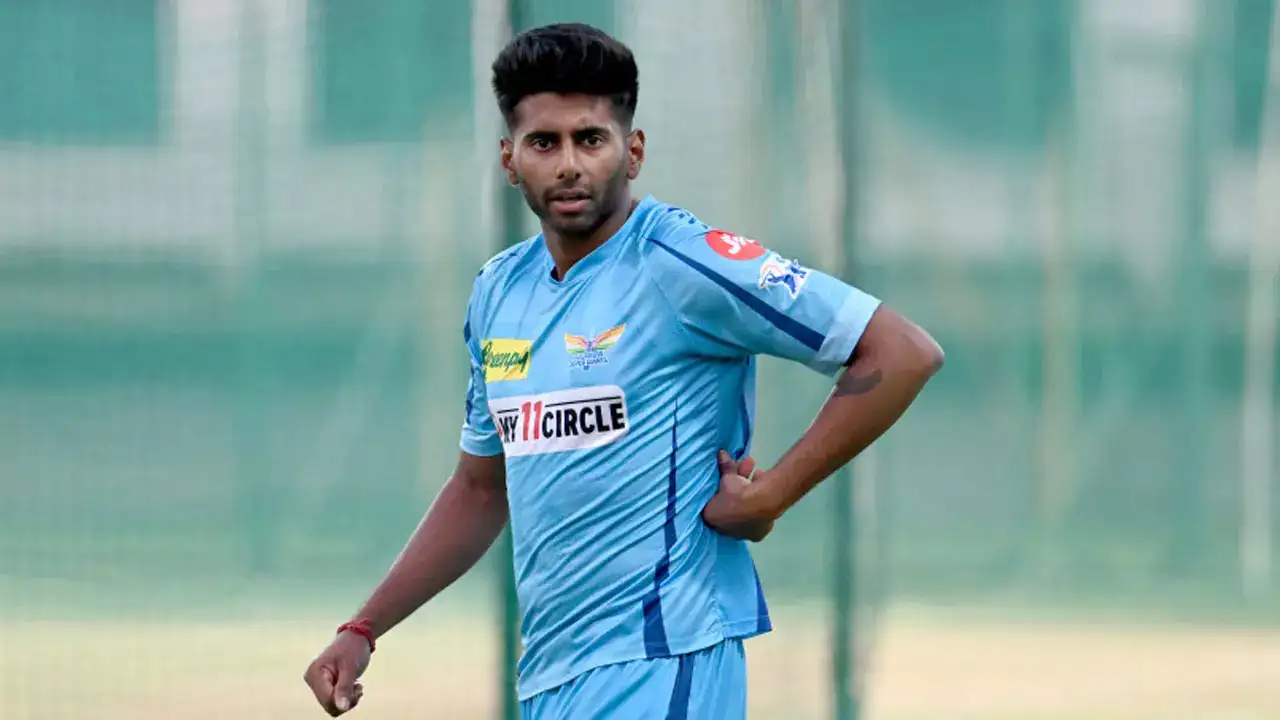
Mayank Yadav reveals real story behind his recovery and Sanjiv Goenka’s support
IPL 2026 ball change rule explained
Ottis Gibson reveals plan to revive Babar Azam’s confidence ahead of PSL 2026

Liam Livingstone survives as Rob Key confirms England spot after shocking interview claims
Kevin Pietersen credits RCB and IPL for career revival

Ottneil Baartman set to join CSK in IPL 2026 as replacement of….