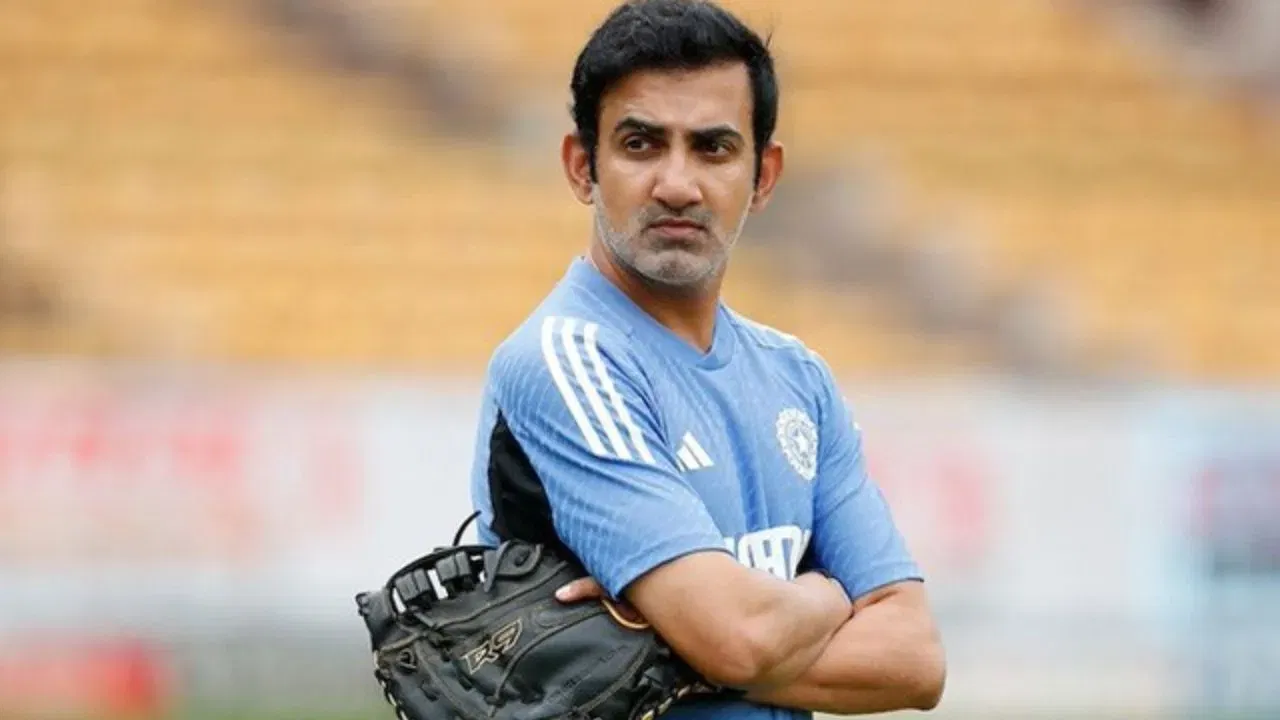
Ex-KKR Director calls Team India a Dog during Leeds Test vs England
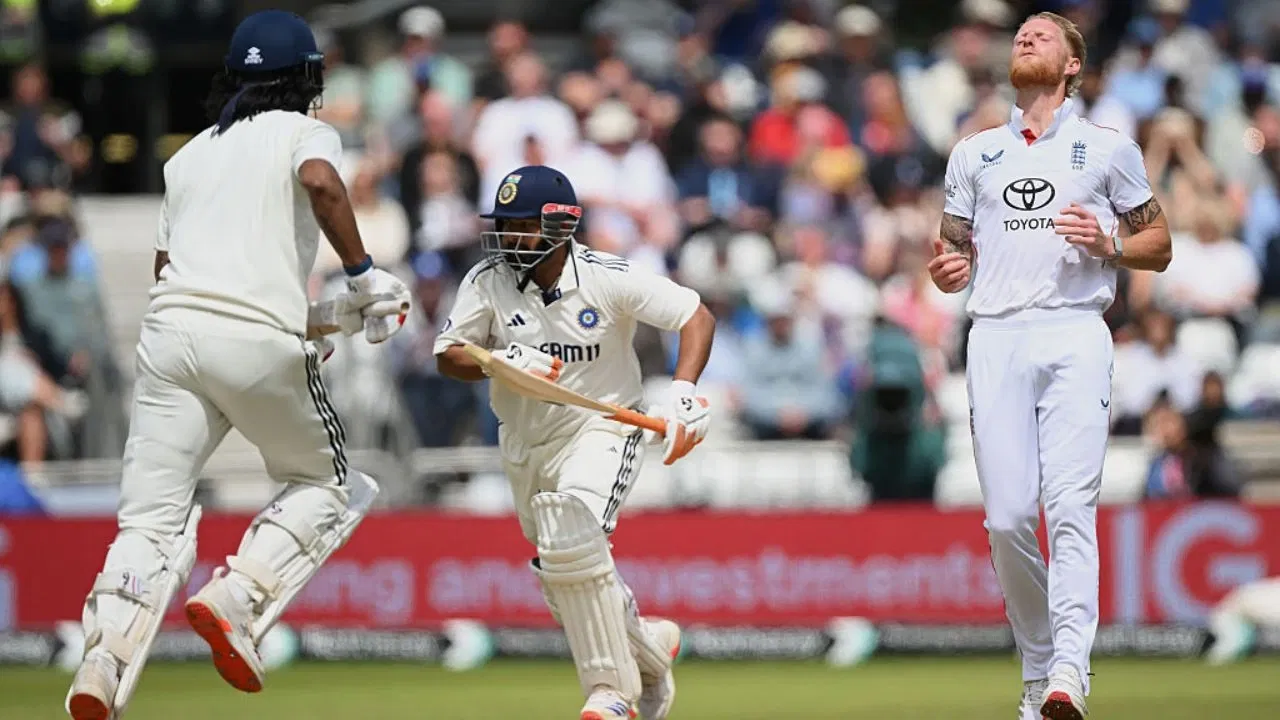
India Suffers Another Batting Collapse in First Test Against England
Team India faced yet another batting collapse on Day 4 of the first Test of the five-match series against England at Leeds on Monday, June 23rd. Despite posting a total of 364 runs in their second innings with centuries from KL Rahul and Rishabh Pant, India’s lower order crumbled, leaving England with a target of 371 runs to chase for victory.
Day 4 Recap
India began Day 4 at 90/2 but lost an early wicket with the dismissal of captain Shubman Gill. However, KL Rahul and Rishabh Pant steadied the ship with a partnership of 195 runs for the fourth wicket. Pant’s impressive knock of 118 runs off 140 balls included 15 fours and three sixes. The team entered the final session at 298/4 but lost their last six wickets for just 31 runs, thanks to Josh Tongue’s three-wicket over.
Former director Joy Bhattacharjya took to social media to express his thoughts on India’s recurring struggles with lower-order contributions, comparing the team to a Dobermann with a strong body but no tail. The collapse highlighted India’s weaknesses in the lower order despite a formidable top and middle order.
Previous Collapse at MCG
This recent collapse in the first Test against England isn’t the first time India has faced such a challenge. In the fourth Test of the Border-Gavaskar Trophy at the MCG in 2024-25, chasing 340 runs on the final day, India found themselves in a good position at 121/3 with Rishabh Pant and Yashasvi Jaiswal at the crease. However, a reckless shot from Pant triggered a collapse, resulting in India being bowled out for 155, handing Australia a crucial 2-1 series lead.
Conclusion
India’s recurring batting collapses in recent matches have raised concerns about the team’s lower-order contributions. Despite strong performances from the top and middle order, the fragility of the lower order has cost India crucial matches. As they head into the remaining matches of the series against England, addressing these issues will be crucial for India’s success in the Test arena.
Struggles with Prediction and Adaptation
One of the key factors contributing to India’s lower-order collapses is their struggles with predicting and adapting to opposition strategies. In both the recent collapse against England and the collapse at the MCG, the Indian batsmen failed to anticipate the tactics of the opposition bowlers and adjust their game plan accordingly. This lack of foresight and adaptability often leads to impulsive shot selection and ultimately results in quick wickets falling in a cluster.
It is essential for the Indian team to work on their predictive skills and develop a better understanding of their opponents’ game plans to avoid similar collapses in the future. By analyzing past matches and studying the strengths and weaknesses of the opposition bowlers, the batsmen can make more informed decisions at the crease and negate the threat of sudden collapses.
Mental Toughness and Resilience
Another aspect that India needs to address to prevent further batting collapses is the mental toughness and resilience of their lower-order batsmen. The pressure of a collapsing innings can often overwhelm players, leading to poor shot selection and a lack of composure at the crease. Building mental resilience through practice, simulation drills, and psychological training can help the lower-order batsmen stay focused and composed in high-pressure situations.
By instilling a sense of belief and self-confidence in their lower-order players, India can improve their ability to withstand challenging periods in the game and contribute valuable runs when the team needs them the most. Developing mental toughness is as crucial as honing technical skills, especially in Test cricket where the mental aspect of the game plays a significant role in determining success.
Strategic Team Changes and Lineup Adjustments
India may also need to consider strategic team changes and lineup adjustments to address their lower-order batting woes. It could be beneficial to introduce players with a proven track record of performing under pressure in the lower order, providing stability and experience to the batting lineup. Additionally, promoting all-rounders or tailenders with the ability to contribute with the bat could add depth to the lower order and reduce the likelihood of collapses.
By reassessing the batting lineup and introducing players who excel in challenging situations, India can strengthen their lower-order and mitigate the risk of collapses that have plagued them in recent matches. Strategic team changes guided by a thorough analysis of player strengths and weaknesses could be the key to overcoming this persistent issue.
Looking Ahead
As India prepares for the remaining matches in the series against England and future Test fixtures, addressing the problem of lower-order collapses will be a top priority for the team management and coaching staff. By focusing on predictive skills, mental toughness, and strategic team changes, India can build a more resilient and reliable lower order that complements their strong top and middle order.
With a proactive approach to addressing these challenges, India can improve their overall performance and competitiveness in Test cricket, ensuring that they can avoid the pitfalls of batting collapses and emerge as a more formidable force in the international arena.
Latest News
Prithvi Shaw declares his mission to return to team India begins from IPL 2026
Irfan Pathan questions Arshdeep Singh’s bowling ahead of IPL 2026
“Mind is somewhere else”: Yuvraj’s Father exposes Abhishek Sharma’s indiscipline lifestyle

EX-RCB pacer joins KKR as replacement of Harshit Rana ahead of IPL 2026

“Win our first trophy”: Sanjiv Goenka crowns LSG as champions ahead of IPL 2026
New catching rule? Captains warned over ‘Incomplete’ catches ahead of IPL 2026
Pat Cummins in awe of Ishan Kishan’s captaincy

Ex-India star accuses teammates of ‘Racism’, blames it for early international exit
“I love watching Shreyas Iyer bat” – PBKS all-rounder Cooper Connolly ahead of IPL 2026

Yograj Singh gives Ravichandran Ashwin belt treatment because of Arjun Tendulkar remarks
CSK legend advises Shubman Gill the best way to bounce back in T20I team
Jasprit Bumrah Injury Scare, reason behind visit to CoE revealed
“Didn’t invite me”: R Ashwin puts Kuldeep Yadav in spotlight over wedding snub
Ireland Cricket announced the full list of central contracts for the 2026-27 season