Ex-PCB chief destroys ICC over Champions Trophy 2025 hosting, speaks on India’s ‘unfair advantage’
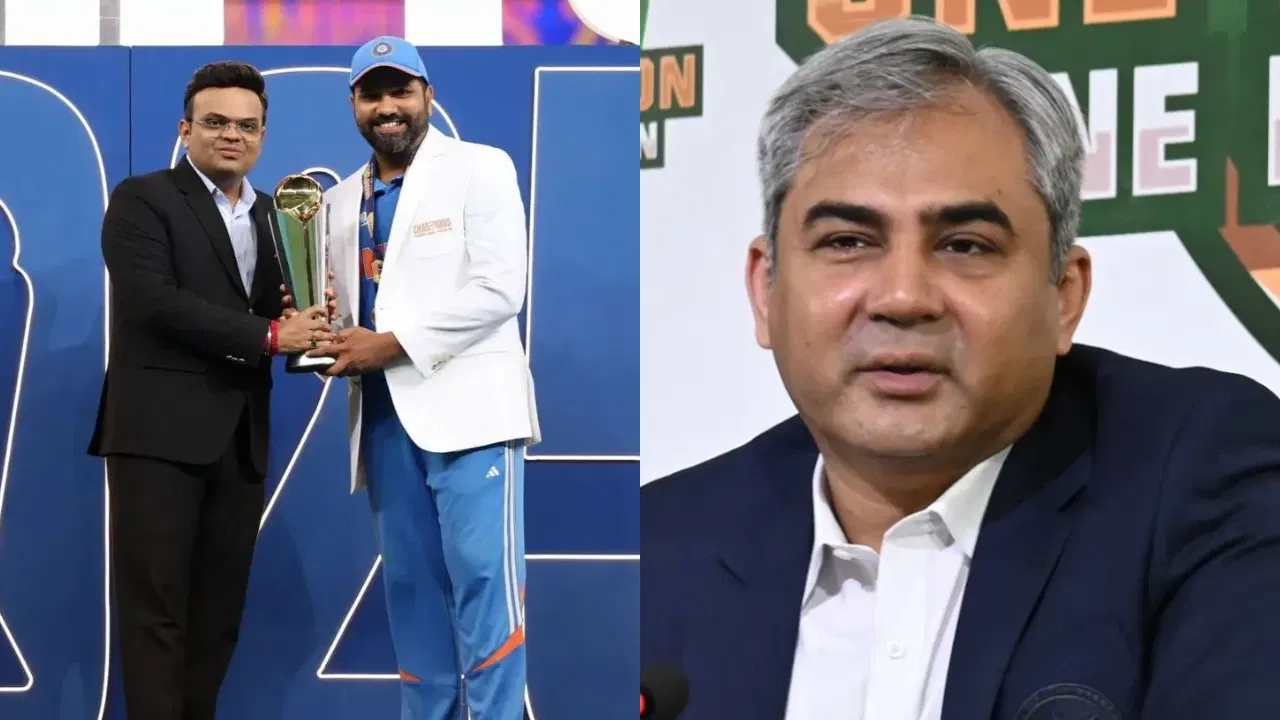
**Former PCB Chairman Ehsan Mani Criticizes ICC Champions Trophy 2025 Management**
Former Pakistan Cricket Board (PCB) Chairman Ehsan Mani recently voiced his disappointment with the management of the ICC Champions Trophy 2025, stating that the handling of the tournament was a significant blunder by the global body. The ICC Champions Trophy 2025 concluded last week with India emerging as the champions. The tournament was hosted across two different countries, Pakistan and the United Arab Emirates.
Mani expressed his concerns over the last-minute decisions regarding the tournament’s organization. He emphasized that leaving critical matters unresolved until the 11th hour was a mistake on the part of the ICC. In an interview with Hindustan Times, Mani criticized the ICC’s approach, stating, “It’s very disappointing the way it was managed. The responsibility for this is with the ICC.”
One of the key issues surrounding the ICC Champions Trophy 2025 was the decision not to send the Indian cricket team to Pakistan. The Board of Control for Cricket in India (BCCI) refused to agree on India playing in Pakistan, leading to debates and disagreements between the PCB and the BCCI. Consequently, the ICC had to adopt a hybrid model for hosting the tournament, with India playing all their matches in Dubai.
This arrangement sparked criticism from fans and experts who questioned the fairness of allowing India to play all their games in one venue. Some suggested that the tournament was structured in a way that favored the Indian team. However, Mani defended the ICC’s decision, stating that all teams had the same playing conditions and that the pitch was equal for everyone.
Mani, who served as the PCB chairman from 2018 to 2021, highlighted the importance of addressing such issues well in advance to avoid last-minute complications. He emphasized that the ICC should have taken a proactive approach to ensure a smooth execution of the tournament. “When they allocated events to India and Pakistan, knowing the current relations between the countries, then the onus was entirely on the ICC to ensure that the event and the issues that came up had been dealt with much, much before the tournament actually started,” Mani stated.
In conclusion, Mani’s remarks shed light on the challenges faced during the ICC Champions Trophy 2025 and the need for better planning and coordination in future cricket events. The criticism and debates surrounding the tournament’s organization have highlighted the importance of effective communication and decision-making at the global level of cricket governance.
Impact of Last-Minute Decisions on Tournament Management
One of the most crucial aspects of hosting a successful international cricket tournament is meticulous planning and coordination. The ICC Champions Trophy 2025 faced significant scrutiny due to the last-minute decisions surrounding the tournament’s organization. The uncertainty regarding the venue for matches and the exclusion of Pakistan as a host country created a sense of disarray among fans and stakeholders.
Former PCB Chairman Ehsan Mani’s criticism of the ICC’s handling of the tournament underscores the importance of addressing logistical challenges well in advance. The abrupt changes in venue and scheduling not only affected the teams participating but also impacted the overall integrity of the competition.
Debates Over Fairness and Favoritism
The decision to allow the Indian cricket team to play all their matches in Dubai raised questions about fair play and impartiality. Critics argued that this format favored India, as the team had the advantage of playing in familiar conditions throughout the tournament. The debate surrounding the tournament’s structure highlighted the need for transparency and equality in cricket competitions.
While Mani defended the ICC’s decision, stating that all teams had the same playing conditions, the perception of favoritism can have a lasting impact on the tournament’s credibility. Moving forward, cricket governing bodies must strive to create a level playing field for all participating teams to maintain the integrity of the sport.
Lessons Learned for Future Tournament Management
The challenges faced during the ICC Champions Trophy 2025 serve as a valuable learning experience for cricket administrators and organizers. The importance of effective communication, long-term planning, and conflict resolution cannot be understated in the context of hosting major international events.
Mani’s remarks serve as a reminder of the responsibilities that come with organizing tournaments of such magnitude. By addressing potential issues well in advance and adopting a proactive approach to problem-solving, cricket governing bodies can enhance the overall experience for players, fans, and stakeholders.
Looking Ahead: Towards a More Efficient and Inclusive Cricket Landscape
As the world of cricket continues to evolve, there is a growing need for transparency, accountability, and inclusivity in tournament management. The criticism surrounding the ICC Champions Trophy 2025 should serve as a catalyst for positive change within the global cricket community.
By prioritizing fairness, integrity, and effective governance, cricket administrators can build a more robust and resilient framework for future events. The lessons learned from past experiences, including the challenges faced during the ICC Champions Trophy 2025, can pave the way for a more efficient and inclusive cricket landscape that benefits players, fans, and the sport as a whole.
In conclusion, while the ICC Champions Trophy 2025 may have faced its share of controversies and criticisms, it also presents an opportunity for reflection, growth, and improvement within the world of cricket. By heeding the insights shared by Ehsan Mani and other stakeholders, cricket governing bodies can navigate challenges more effectively and ensure a brighter future for the sport.
Latest News
Ben Duckett opts out from IPL 2026, set to face ban
“Players will prevail”: Sourav Ganguly’s drops big verdict on ‘Impact Player’ rule ahead of IPL 2026
“Players will prevail”: Sourav Ganguly’s drops big verdict on ‘Impact Player’ rule ahead of IPL 2026
3 LSG players who could struggle in IPL 2026 – ft Rishabh Pant
Rinku Singh gets major role for KKR ahead of IPL 2026
RCB gets new buyer ahead of IPL 2026, sold to…..

KKR take massive step to honour Andre Russell forever
“Mumbai Indians are winning it” – Ex-England captain makes bold prediction for IPL 2026

Mayank Yadav reveals real story behind his recovery and Sanjiv Goenka’s support
IPL 2026 ball change rule explained
Ottis Gibson reveals plan to revive Babar Azam’s confidence ahead of PSL 2026

Liam Livingstone survives as Rob Key confirms England spot after shocking interview claims

Kevin Pietersen credits RCB and IPL for career revival

Ottneil Baartman set to join CSK in IPL 2026 as replacement of….