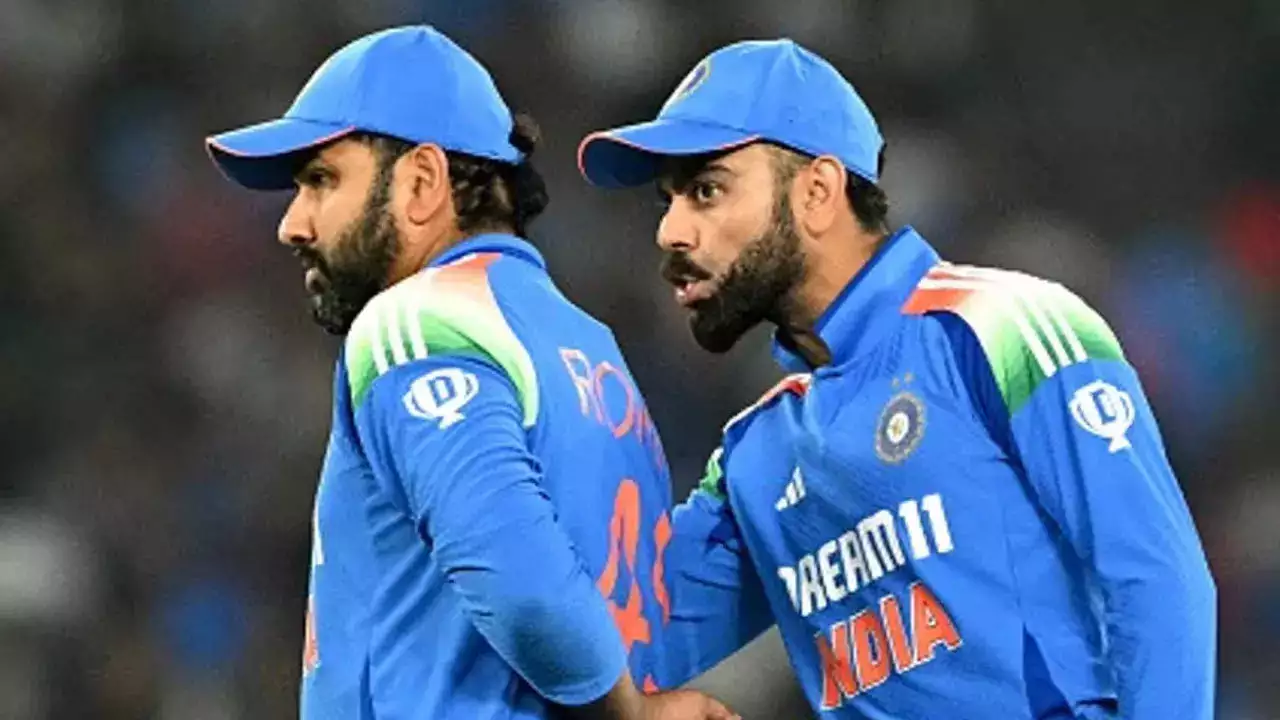
‘Fat & unimpressive captain’ – Rohit Sharma body-shamed by politician as Congress and BJP clash
Controversy in Indian Politics over Body-Shaming of Indian Cricket Team Captain
In a recent turn of events, a controversy has sparked in Indian politics after a Congress politician made body-shaming remarks towards the Indian cricket team captain, Rohit Sharma. However, the rival party, BJP, came to Rohit Sharma’s defense with a strong reply. The incident has caused quite a stir on social media and among cricket fans across the country.
Congress Politician’s Remarks
The Congress spokesperson, Dr. Shama Mohamed, took to social media to criticize Rohit Sharma, calling him “fat for a sportsman” and labeling him as the “most unimpressive captain” in India’s history. Despite facing severe backlash, Mohamed’s comments garnered significant attention on social media platforms.
Indian cricket fans and users were quick to defend the captain, advising Mohamed to stick to politics and refrain from commenting on cricket matters.
BJP’s Strong Response
Joining the conversation, the BJP spokesperson, Shehzad Poonawalla, criticized the Congress for disrespecting Rohit Sharma and the Indian cricket team. Poonawalla highlighted Sharma’s impressive track record as a captain, pointing out his numerous achievements in leading India to victory in various matches and tournaments.
Poonawalla also accused the Congress of opposing the country, its institutions, and now the cricket captain, stating that the party’s mindset reflects a lack of support for India’s success and achievements.
Defending her Comments
Following the backlash, Shama Mohamed defended her remarks by questioning some of Sharma’s decisions as captain that she believed had negatively impacted the team’s performance. She compared Sharma to previous Indian cricket team captains and highlighted specific incidents to support her argument.
Rohit Sharma’s Record as Captain
Rohit Sharma, the current captain of the Indian cricket team, has displayed remarkable leadership skills and a strong track record in international cricket. Under his captaincy, India has achieved significant success, particularly in white-ball cricket.
Sharma led India to victory in the T20 World Cup 2024 and has been instrumental in the team’s success across various formats of the game. With an impressive win percentage of 72.14 in international matches, Sharma has proven himself as a capable and successful captain.
Aside from his international achievements, Sharma is also recognized as one of the most successful captains in the history of the Indian Premier League, having led the Mumbai Indians to five title victories.
Conclusion
The controversy surrounding the body-shaming of Rohit Sharma has sparked a debate in Indian politics, shedding light on the intersection of sports and political discourse. While opinions may differ, Sharma’s accomplishments as a captain speak for themselves, solidifying his position as a respected and successful leader in Indian cricket.
Impact of Social Media
Social media played a crucial role in amplifying the controversy surrounding the body-shaming incident involving Rohit Sharma. Platforms like Twitter, Facebook, and Instagram became battlegrounds for supporters and detractors of both the Congress and BJP spokespersons. The rapid spread of information and opinions on social media further fueled the debate and drew attention to the issue on a national scale.
Public Perception and Backlash
The public reaction to Dr. Shama Mohamed’s comments was overwhelmingly negative, with many condemning her remarks as inappropriate and uncalled for. Body shaming, in any context, is widely regarded as unacceptable behavior, especially when directed towards a public figure like Rohit Sharma. The backlash against Mohamed highlighted the importance of maintaining respect and professionalism in public discourse, regardless of personal opinions or political affiliations.
On the other hand, Shehzad Poonawalla’s defense of Rohit Sharma was well-received by many cricket enthusiasts and supporters of the BJP. Poonawalla’s strong stance in support of the captain resonated with those who admire Sharma’s contributions to Indian cricket and his leadership on the field.
Political Strategy and Public Perception
The incident also shed light on the intersection of politics and sports in India. As political figures engage in public debates over cricket and its players, their words and actions can influence public perception of both the individuals involved and their respective parties. The controversy surrounding Rohit Sharma’s body-shaming highlighted how political statements can impact the public’s view of politicians and their parties.
Leadership and Resilience
Rohit Sharma’s response to the controversy demonstrated his resilience and ability to focus on his role as a cricketer despite facing personal attacks. As a leader, Sharma’s dedication to his team and the game itself remained unwavering, emphasizing the importance of staying focused on one’s goals in the face of criticism and negativity.
Sharma’s leadership qualities and performance on the field have earned him respect and admiration from fans, teammates, and opponents alike. His success as a captain and his ability to lead India to victory in crucial matches have solidified his position as one of the most prominent figures in Indian cricket.
Lessons Learned
Ultimately, the controversy surrounding Rohit Sharma’s body-shaming serves as a reminder of the power of words and the impact of public statements, especially when made by influential figures in the political arena. It underscores the importance of maintaining respect, dignity, and professionalism in public discourse, whether discussing sports, politics, or any other topic.
As the debate continues to unfold and opinions clash, it is essential to focus on constructive dialogue, mutual understanding, and a shared appreciation for the achievements and contributions of individuals like Rohit Sharma, who symbolize excellence and dedication in their respective fields.
By delving deeper into the implications of the controversy surrounding Rohit Sharma’s body-shaming incident, we can gain a better understanding of the dynamics at play and the broader significance of the intersection between sports, politics, and public discourse in India.
Latest News
Ben Duckett opts out from IPL 2026, set to face ban
“Players will prevail”: Sourav Ganguly’s drops big verdict on ‘Impact Player’ rule ahead of IPL 2026
“Players will prevail”: Sourav Ganguly’s drops big verdict on ‘Impact Player’ rule ahead of IPL 2026
3 LSG players who could struggle in IPL 2026 – ft Rishabh Pant
Rinku Singh gets major role for KKR ahead of IPL 2026
RCB gets new buyer ahead of IPL 2026, sold to…..
KKR take massive step to honour Andre Russell forever
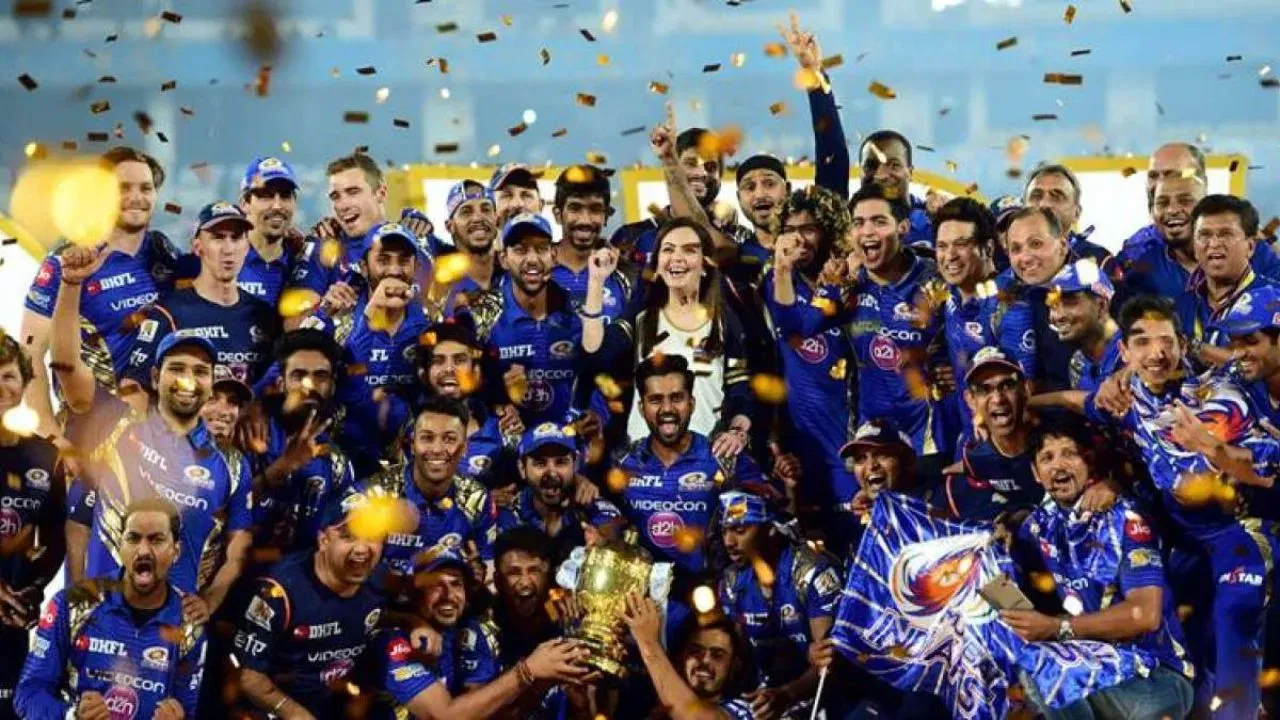
“Mumbai Indians are winning it” – Ex-England captain makes bold prediction for IPL 2026
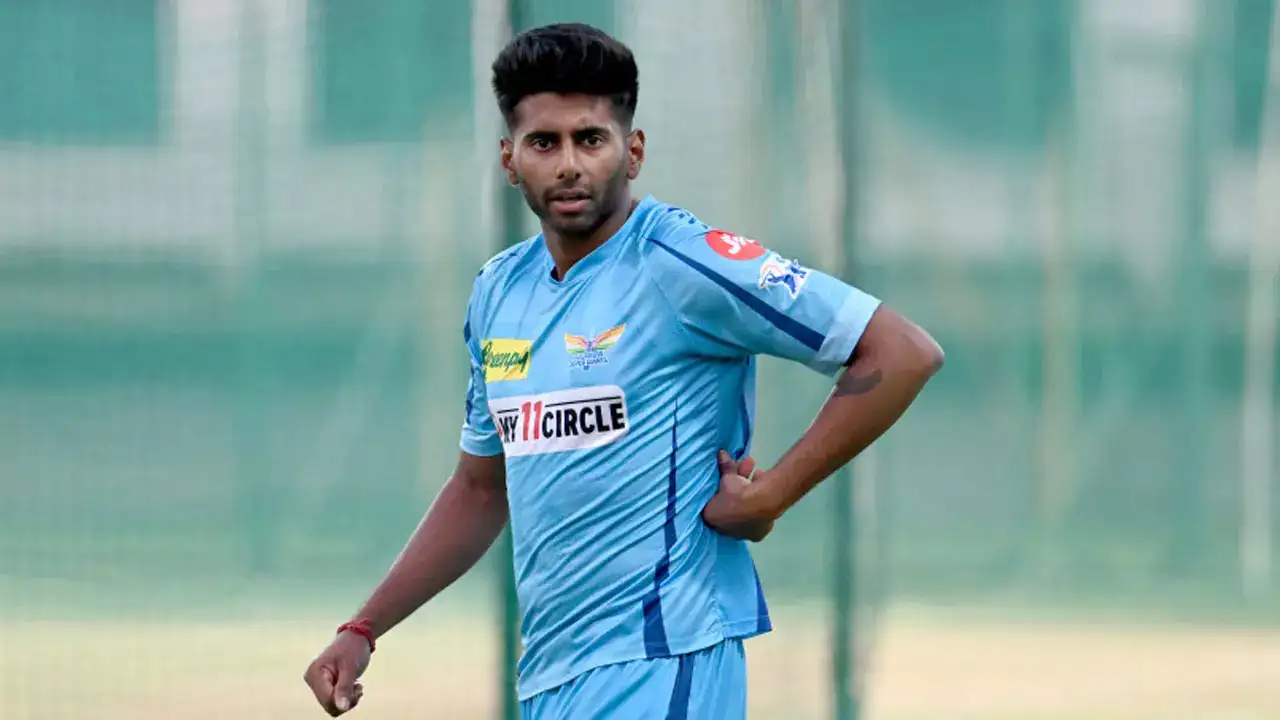
Mayank Yadav reveals real story behind his recovery and Sanjiv Goenka’s support
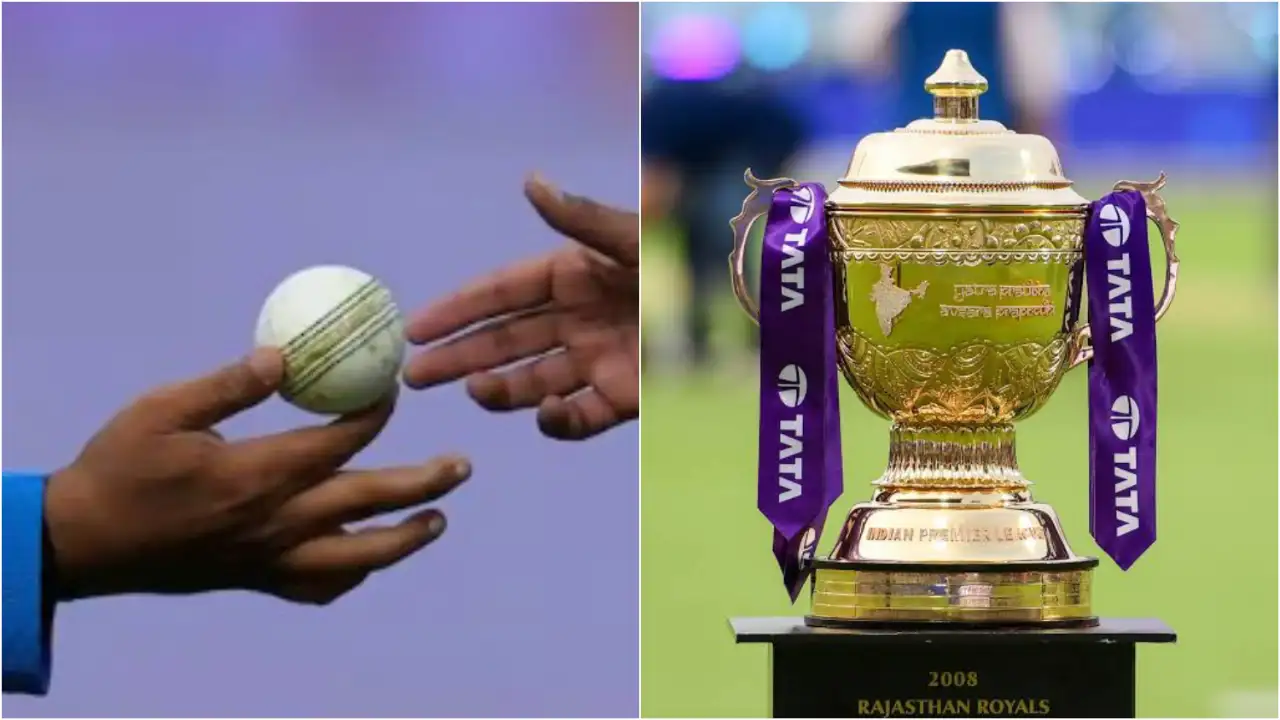
IPL 2026 ball change rule explained
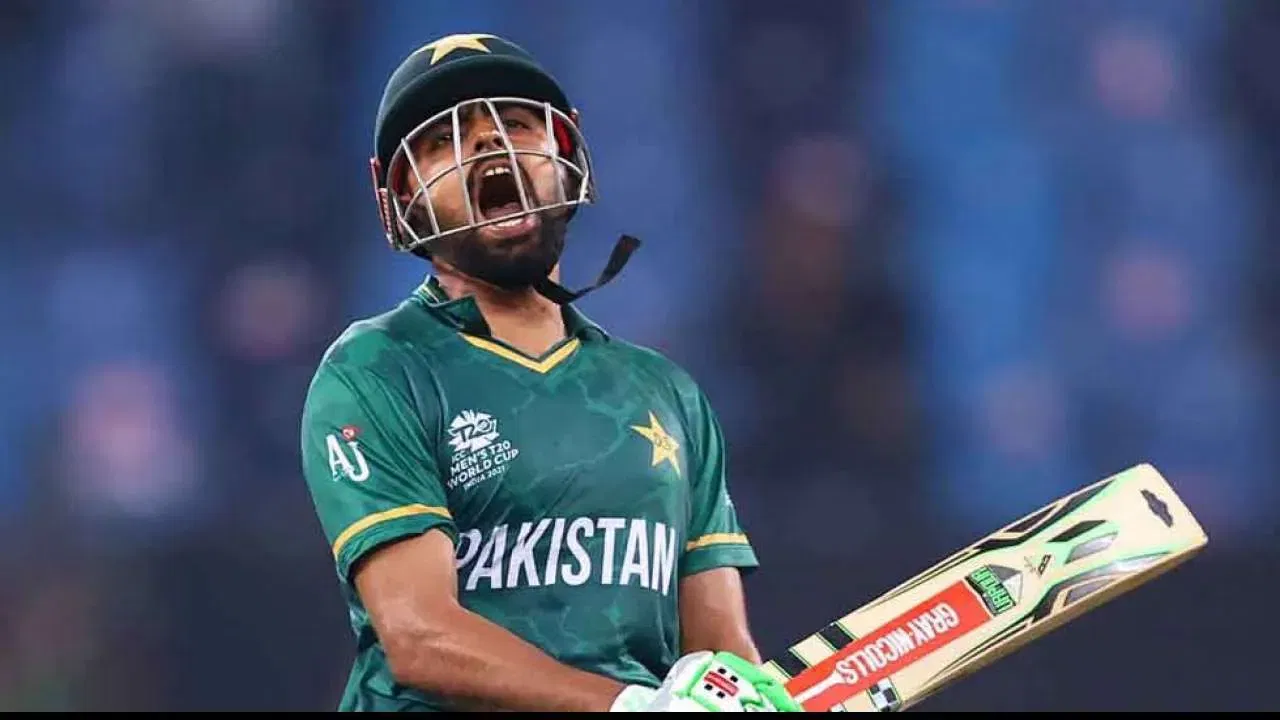
Ottis Gibson reveals plan to revive Babar Azam’s confidence ahead of PSL 2026
Liam Livingstone survives as Rob Key confirms England spot after shocking interview claims
Kevin Pietersen credits RCB and IPL for career revival
Ottneil Baartman set to join CSK in IPL 2026 as replacement of….