“For BCCI, blood and revenue can flow together”: Indian Govt’s action incoming on India-Pakistan Asia Cup clash
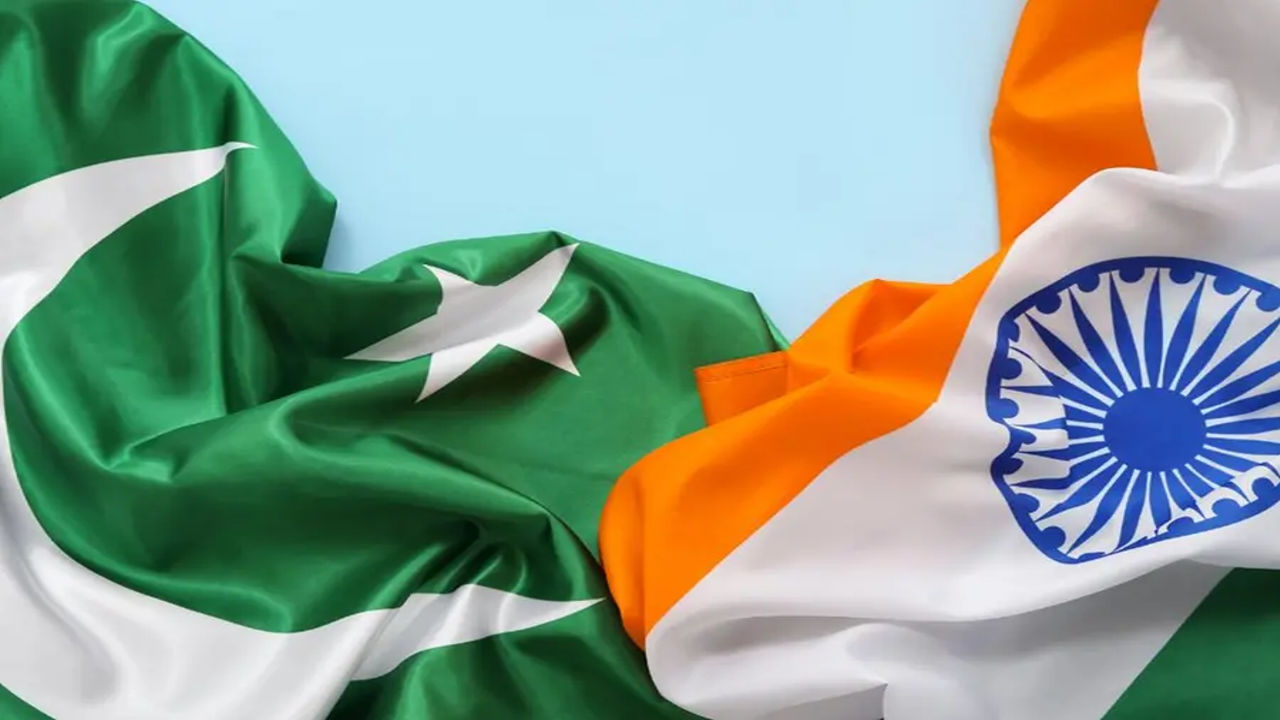
Aaditya Thackeray Criticizes BCCI for Allowing India vs. Pakistan Clash in Asia Cup 2025
Shiv Sena (UBT) MLA Aaditya Thackeray has sparked controversy by condemning the Board of Control for Cricket in India (BCCI) for permitting the Indian National Cricket Team to face Pakistan in the upcoming Asia Cup 2025. The former Cabinet Minister of Higher Education in Maharashtra has described the decision as a betrayal of India’s sacrifices and an insult to the memories of those who lost their lives in terror attacks.
Thackeray’s Strong Words Towards BCCI
In a scathing letter addressed to the Minister for Youth Affairs and Sports, Mansukh Mandaviya, Aaditya Thackeray questioned the rationale behind allowing the cricket match to take place amidst ongoing tensions between the two nations. Thackeray invoked Prime Minister Narendra Modi’s famous statement that “water and blood cannot flow together,” emphasizing the need to prioritize national interests over cricket diplomacy.
Thackeray, the son of former Chief Minister Uddhav Thackeray, accused the BCCI of disregarding the sacrifices of Indian soldiers and the suffering of victims’ families in favor of financial gains and advertisement revenue. He criticized the board for putting selfish interests above the dignity of the nation and questioned the morality of engaging in sports diplomacy with a country that has been accused of supporting terrorism.
Asia Cup Clash: India vs. Pakistan
The upcoming clash between India and Pakistan in the Asia Cup 2025 has raised eyebrows, with Thackeray leading the charge against the BCCI’s decision. The highly anticipated match is scheduled to take place on 14 September 2025 at the Dubai International Stadium, setting the stage for yet another intense showdown between the arch-rivals.
Both India and Pakistan are placed in Group A alongside Oman and the UAE, with the defending champions, India, aiming to extend their dominance in the tournament. Despite the controversy surrounding the match, cricket enthusiasts are eagerly awaiting the fierce competition between the two cricketing powerhouses.
Appeal for Government Intervention
Thackeray’s appeal to the Union Government to intervene and prevent the India-Pakistan cricket clash in the Asia Cup 2025 highlights the deep-seated emotions and political sensitivities surrounding cricketing relations between the neighboring countries. The Yuva Sena President’s call for unity in condemning the BCCI’s decision reflects a broader sentiment of national pride and respect for the sacrifices made by Indian soldiers.
As the debate rages on, Thackeray’s criticisms have opened up a dialogue on the intersection of sports, politics, and patriotism. The controversy surrounding the Asia Cup 2025 match serves as a poignant reminder of the complexities inherent in cricketing ties between India and Pakistan.
In conclusion, Aaditya Thackeray’s impassioned plea for the sanctity of national interests over cricketing rivalries underscores the deep-rooted sentiments that continue to shape the relationship between the two nations on and off the field.
Impact of Political Relations on Cricket Rivalries
Cricket matches between India and Pakistan have always been about more than just sports. The longstanding political tensions between the two nations often spill over onto the cricket field, turning every encounter into a high-stakes battle beyond the boundaries. The history of conflicts, wars, and diplomatic standoffs between India and Pakistan adds a layer of complexity to their cricketing rivalries, making each match a symbolic representation of their strained relationship.
With both countries possessing passionate fan bases who invest their national pride in the performance of their respective teams, the stakes are incredibly high whenever India and Pakistan face off. The Asia Cup 2025 clash, in particular, has reignited the debate on whether sporting events should transcend political differences or whether they should be used as a platform to address diplomatic grievances.
Cricket as a Tool for Diplomacy
While critics like Aaditya Thackeray argue against engaging in sporting ties with a country like Pakistan, proponents of sports diplomacy advocate for the positive impact that cricket can have on diplomatic relations. Historically, cricket has been used as a tool to bridge political divides and foster goodwill between nations. Iconic moments like the 2004 series between India and Pakistan or the 2011 World Cup semi-final have showcased how cricket can transcend animosities and create moments of unity and camaraderie.
In the context of the Asia Cup 2025, some may argue that allowing India and Pakistan to compete on the cricket field provides an opportunity for people-to-people interactions and cultural exchanges that can potentially pave the way for improved relations between the two nations. The power of sports to bring people together, regardless of political differences, should not be underestimated.
The Role of Sports in National Identity
Cricket holds a special place in the hearts of Indians and Pakistanis, with the sport deeply ingrained in the cultural fabric of both nations. For many, cricket is more than just a game—it is a source of national pride, identity, and unity. The intense rivalry between India and Pakistan on the cricket field reflects the broader historical and political dynamics that shape the relationship between the two countries.
As fans eagerly anticipate the India-Pakistan clash in the Asia Cup 2025, it is essential to recognize the significance of cricket in shaping national narratives and fostering a sense of belonging among citizens. Whether viewed as a battleground for political tensions or a platform for cultural exchange, cricket plays a crucial role in defining the shared identities of Indians and Pakistanis alike.
Looking Towards the Future
As the debate over the BCCI’s decision to allow the India-Pakistan clash in the Asia Cup 2025 continues, it is important to consider the broader implications of sports on diplomacy, national pride, and cross-border relations. While critics raise valid concerns about the appropriateness of sporting engagements with countries engaged in conflicts, it is equally essential to recognize the potential for sports to act as a catalyst for peace and understanding.
Ultimately, the Asia Cup 2025 match between India and Pakistan represents more than just a cricketing contest—it symbolizes the intricate dance between sports, politics, and national identity. As fans brace themselves for the showdown between the arch-rivals, the significance of the moment extends beyond the boundaries of the cricket field, encapsulating the complex relationship between two nations intertwined by history, conflict, and the love of the game.
By delving deeper into the multifaceted nature of India-Pakistan cricket rivalry and exploring the nuances of sports diplomacy, we can gain a richer understanding of the intricacies that shape international relations both on and off the cricket field.
Latest News
Glenn Maxwell dropped as Australia part ways with star all-rounder
10 T20Is in one month! India’s full schedule vs Ireland, England, Zimbabwe revealed
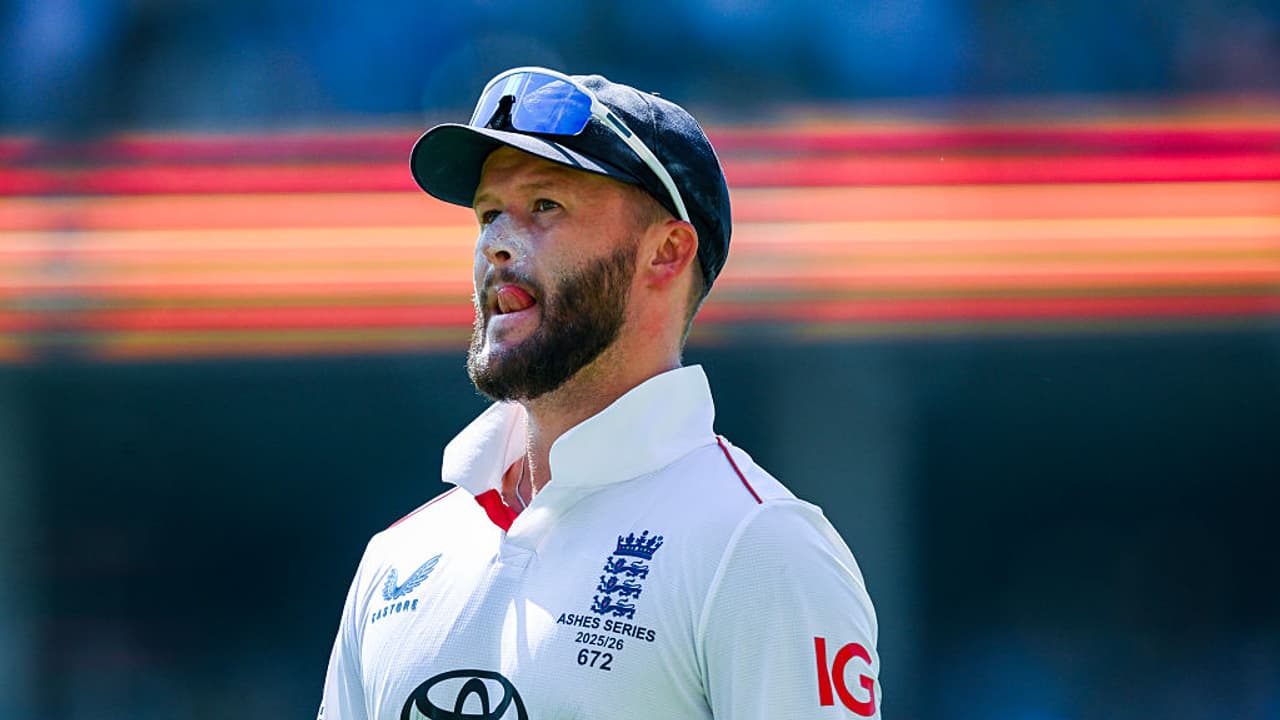
After MS Dhoni, Ben Duckett fined by police for overspeeding
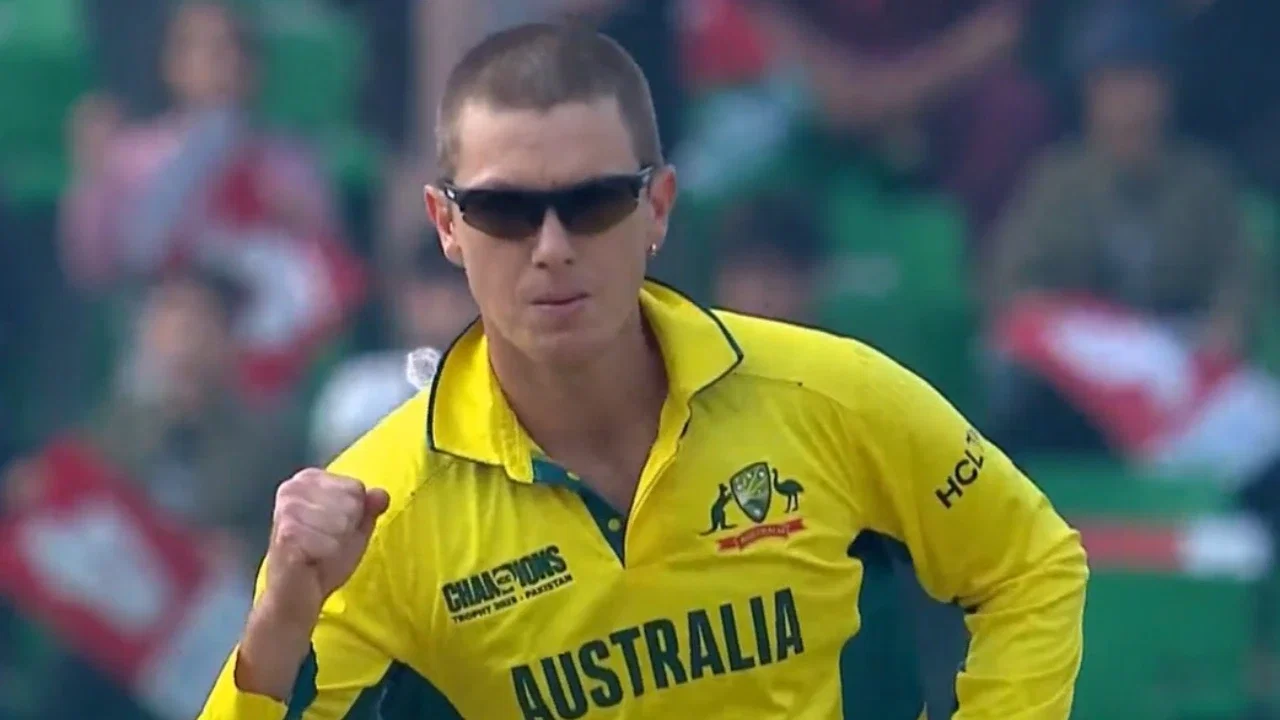
Why Adam Zampa chose PSL over IPL? Australia star reveals ‘monetary’ reason
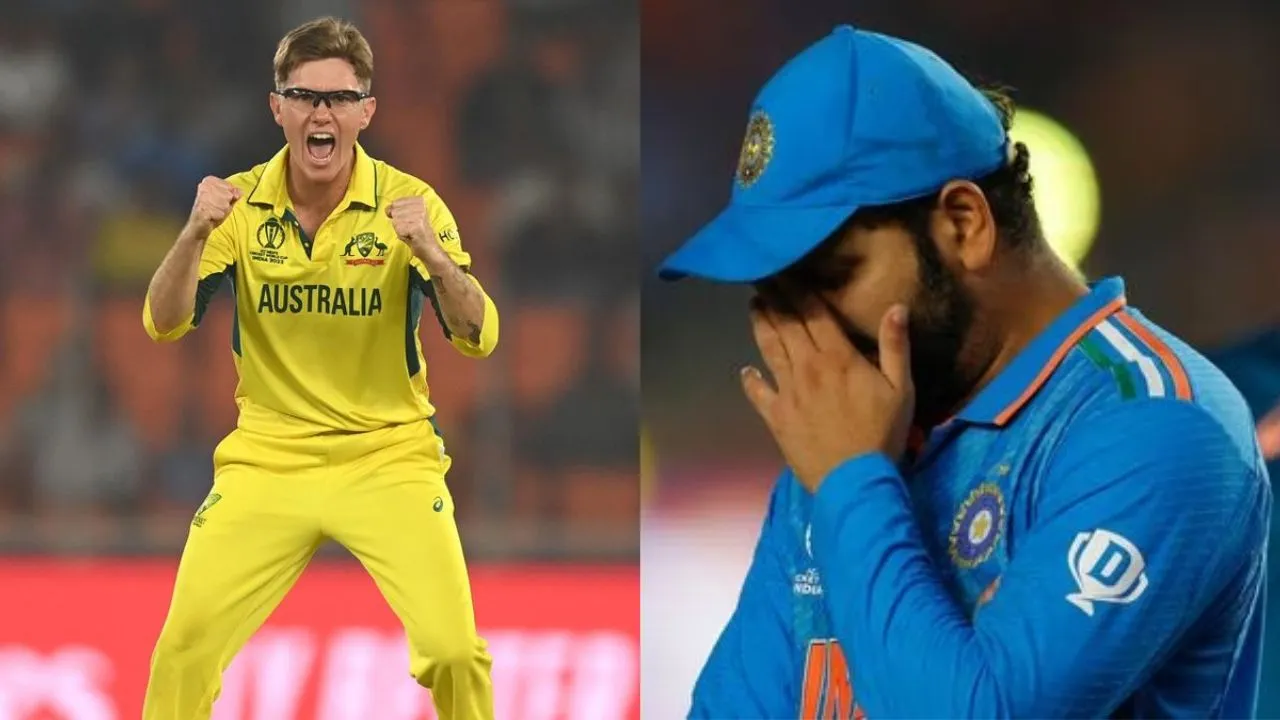
Making Indian crowd silent is a good feeling: Adam Zampa names 2023 CWC win as his favourite memory

Watch: Saim Ayub trains in heavy rain and thunderstorm, raises health concerns amid PSL 2026
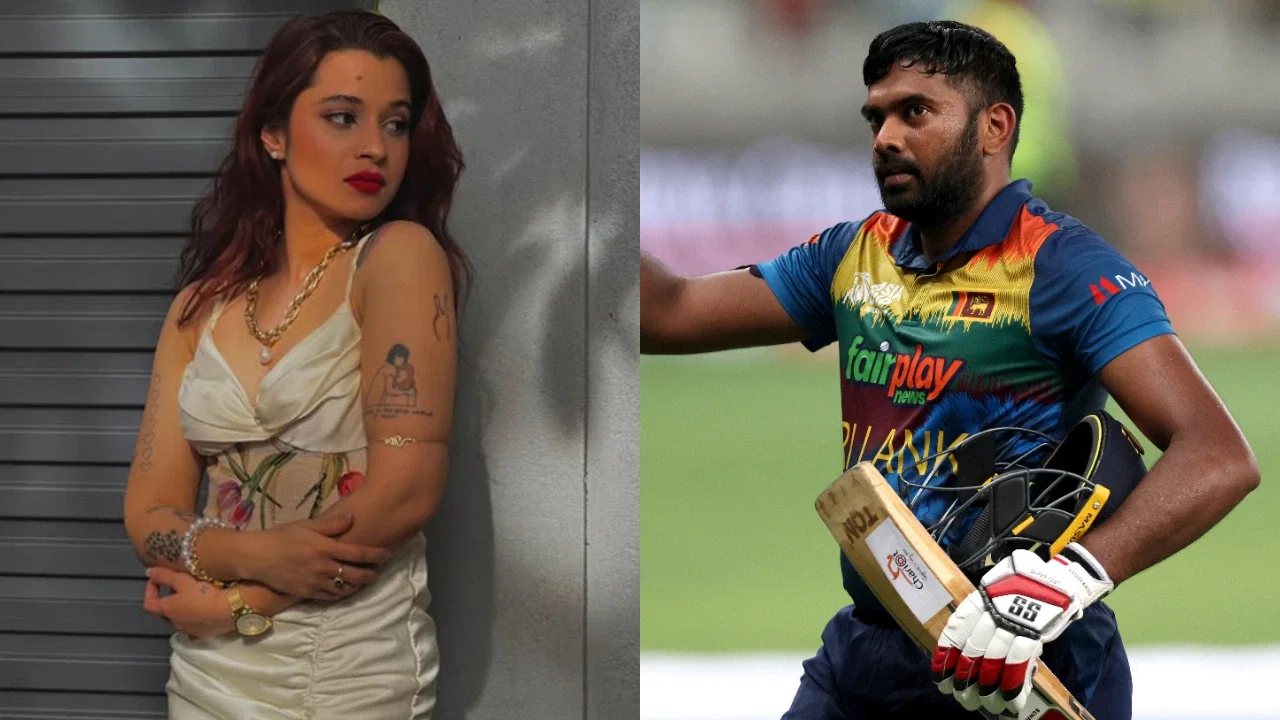
Sri Lanka cricketer Bhanuka Rajapaksa sends legal notice to actress over false accusations
Punjab Kings penalised! Shreyas Iyer punished after win vs Gujarat Titans in IPL 2026
Shreyas Iyer injury update: Punjab Kings captain ruled out of IPL 2026?
LSG vs DC Match No. 5 Preview: Free Live Streaming, Pitch & Weather Report, Head-to-Head | IPL 2026

LSG vs DC Match Prediction – Who Will Win Match No.5? | IPL 2026
LSG Playing XI vs DC Playing XI – Match No. 5 | IPL 2026
Krunal Pandya breaks silence on India snub, opens up on Virat Kohli
Mohsin Naqvi enforces new social media rules for Pakistan players following Naseem Shah incident