Fresh trouble for BCB as Aminul Islam’s letter to Sports Minister stuns Directors
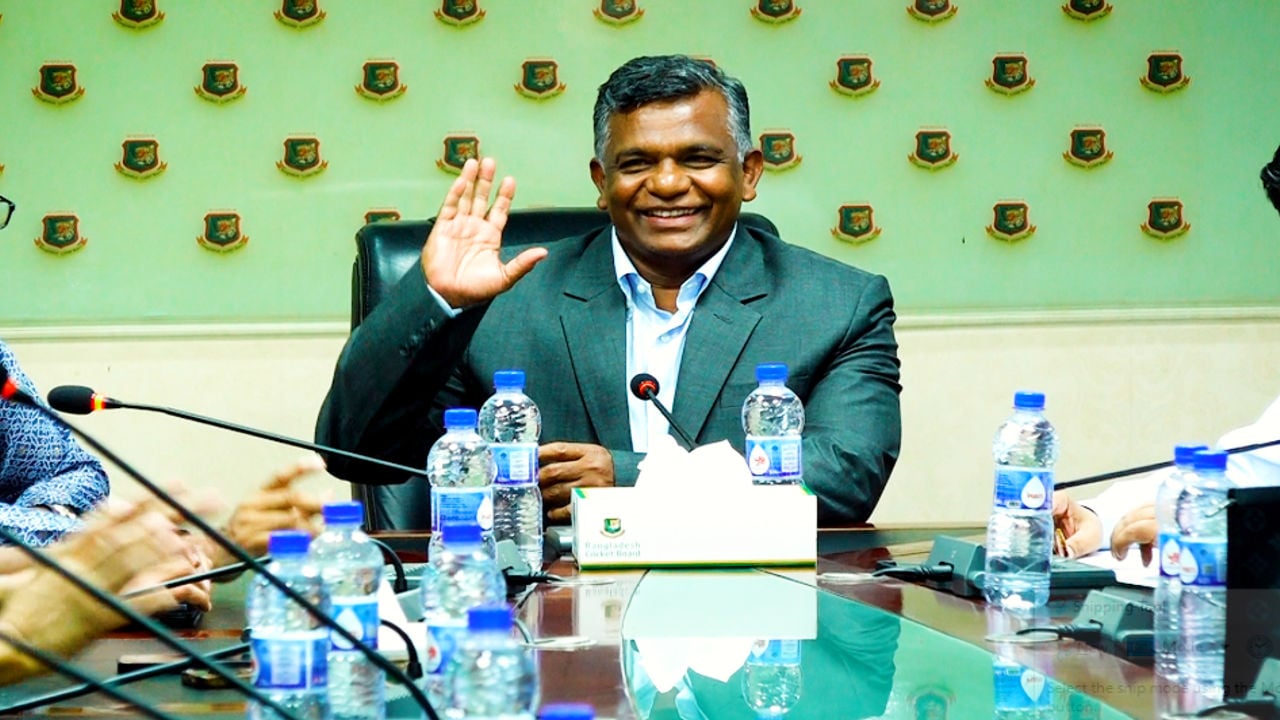
Aminul Islam’s Letter Sparks Controversy Within BCB
The Bangladesh Cricket Board (BCB) president, Aminul Islam, has stirred up turmoil within the board after sending a letter to the sports ministry regarding the investigation into the last BCB election. This move has left several BCB directors feeling upset and frustrated, as they claim they were not properly consulted before the letter was sent.
BCB Directors Express Frustration
Many of the directors within the BCB have expressed their displeasure with the president’s actions, stating that this is not the first time they have been left out of important decisions. The tension escalated when the Bangladeshi government formed an investigation committee to look into possible irregularities in the last BCB election. Aminul’s decision to address the issue publicly rather than within the system has only added to the frustration among the board members.
According to reports by Cricbuzz, there is a growing sense of dissatisfaction among directors regarding the decision-making process within the board. Many feel that major decisions are being made without their full understanding or input. Some directors mentioned that they were only informed of decisions after they were already made and were not given the opportunity to provide their opinions.
One director was quoted as saying, “I think we’ve had two discussions so far (apart from board meetings). One was when we decided not to play the ICC Twenty20 World Cup, and another was when we decided to give BDT two crores to Dhaka University.” Another director shared a similar sentiment, stating that decisions were more like informing them rather than seeking their suggestions.
Division Among Board Members
Following Aminul Islam’s public letter to the sports ministry, seven BCB directors reportedly supported his actions with a thumbs-up in the group, while Asif Akbar openly backed it with a message. However, some board members believed that making the letter public was not the most appropriate way to handle the situation.
The National Sports Council has taken steps to move forward with the investigation process after receiving formal communication from the government. Officials have emphasized that the government has the legal authority to request such a probe.
NSC’s Response to the Investigation
Despite Aminul’s request to cancel the committee, the committee chief received official government orders on March 16 to initiate the probe. NSC official Doulotuzzaman Khan explained that such investigations are permitted under the National Sports Council Act, giving the government the power to instruct the NSC accordingly.
When asked about the possibility of the International Cricket Council (ICC) intervening, Doulotuzzaman mentioned that it would depend on the findings of the independent investigation committee. He stated that any actions involving the ICC would be considered after evaluating the extent of irregularities uncovered by the committee.
As the controversy continues within the BCB, the future of the investigation and the board’s internal dynamics remain uncertain.
Implications of the Controversy
The rift within the Bangladesh Cricket Board has raised concerns about the transparency and decision-making process within the organization. With directors feeling excluded from crucial discussions and decisions, the board’s governance and accountability have come under scrutiny. This controversy not only affects the internal dynamics of the BCB but also raises questions about the overall management of cricket administration in Bangladesh.
Furthermore, the public nature of Aminul Islam’s letter to the sports ministry has exposed the internal conflicts within the BCB to the public eye. This kind of division and discord can have detrimental effects on the image of the board and may erode the trust of cricket fans and stakeholders in the organization’s leadership.
Challenges for Bangladesh Cricket
The ongoing controversy within the BCB has the potential to disrupt the development and progress of cricket in Bangladesh. With key decision-makers at odds with each other, it becomes challenging to implement strategic initiatives and foster a cohesive vision for the growth of the sport in the country. The lack of unity and cohesion within the board can hinder the effective management of cricketing affairs and may impact the performance of the national team.
Additionally, the uncertainty surrounding the investigation into the last BCB election could lead to prolonged legal battles and distractions from the core responsibilities of the board. This could create a sense of instability and insecurity within the cricketing community in Bangladesh, affecting players, coaches, and other stakeholders.
Importance of Governance and Transparency
The controversy within the BCB underscores the importance of good governance, transparency, and accountability in sports administration. Cricket boards play a pivotal role in shaping the future of the sport and must operate with integrity and fairness to maintain the trust of the cricketing community. Proper communication, consultation, and decision-making processes are essential for effective governance and sustainable development in cricket.
It is crucial for the BCB to address the concerns raised by directors and strive to create a more inclusive and collaborative environment within the organization. By fostering a culture of openness and dialogue, the board can work towards resolving internal conflicts and building consensus on important matters that impact the future of Bangladesh cricket.
Looking Ahead
As the controversy within the BCB continues to unfold, it remains to be seen how the board will navigate through this challenging period. The outcome of the investigation into the last BCB election, as well as the internal dynamics within the board, will shape the future direction of cricket administration in Bangladesh.
It is imperative for all stakeholders involved to prioritize the best interests of cricket in Bangladesh and work towards finding common ground to resolve differences and move forward in a constructive manner. By upholding principles of good governance, transparency, and accountability, the BCB can rebuild trust, foster unity, and focus on advancing the development of cricket in the country.
Ultimately, the resolution of the current controversy will be critical in determining the stability and effectiveness of the Bangladesh Cricket Board in fulfilling its mandate to promote and enhance the sport of cricket in the country.
Latest News

County Cricket faces ball shortage as Middle East conflict disrupts Dukes supply

Fakhar Zaman fooled Mohsin Naqvi’s PCB to avoid Bangladesh? Batter breaks silence

Paul Stirling officially quits Ireland captaincy

RCB sweating over Josh Hazlewood as Kris Srikkanth warns of huge damage ahead of IPL 2026
Not Sanju Samson! These 3 players could power CSK to IPL 2026 glory
Not Sanju Samson! These 3 players could power CSK to IPL 2026 glory
Fresh trouble for BCB as Aminul Islam’s letter to Sports Minister stuns Directors
Massive blow for CSK as Nathan Ellis ruled out of IPL 2026

Abhishek Sharma advised to follow Virat Kohli’s style by RCB legend ahead of IPL 2026

Arjun Tendulkar stuns Rishabh Pant with Sachin-style heavy bat secret ahead of IPL 2026

Ravindra Jadeja vs Vaibhav Sooryavanshi clash goes viral as Rajasthan Royals drop intense battle clip

Who is John Mooney? Delhi Capitals’ new fielding coach for IPL 2026
Gautam Gambhir storms Delhi High Court over shocking reason ahead of IPL 2026
Virat Kohli beaten! Bhuvneshwar Kumar delivers unstoppable yorker in RCB training ahead of IPL 2026