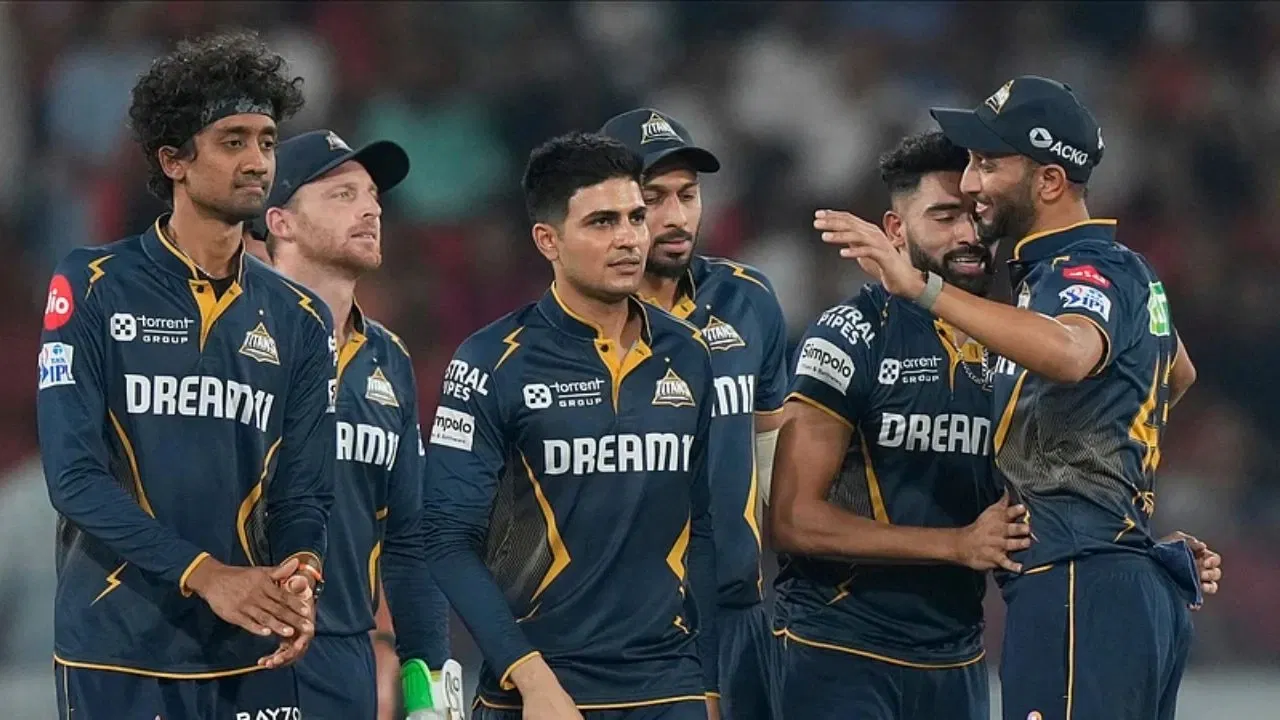
Furious Sunil Gavaskar questions India’s dedication under Shubman Gill ahead of Manchester Test
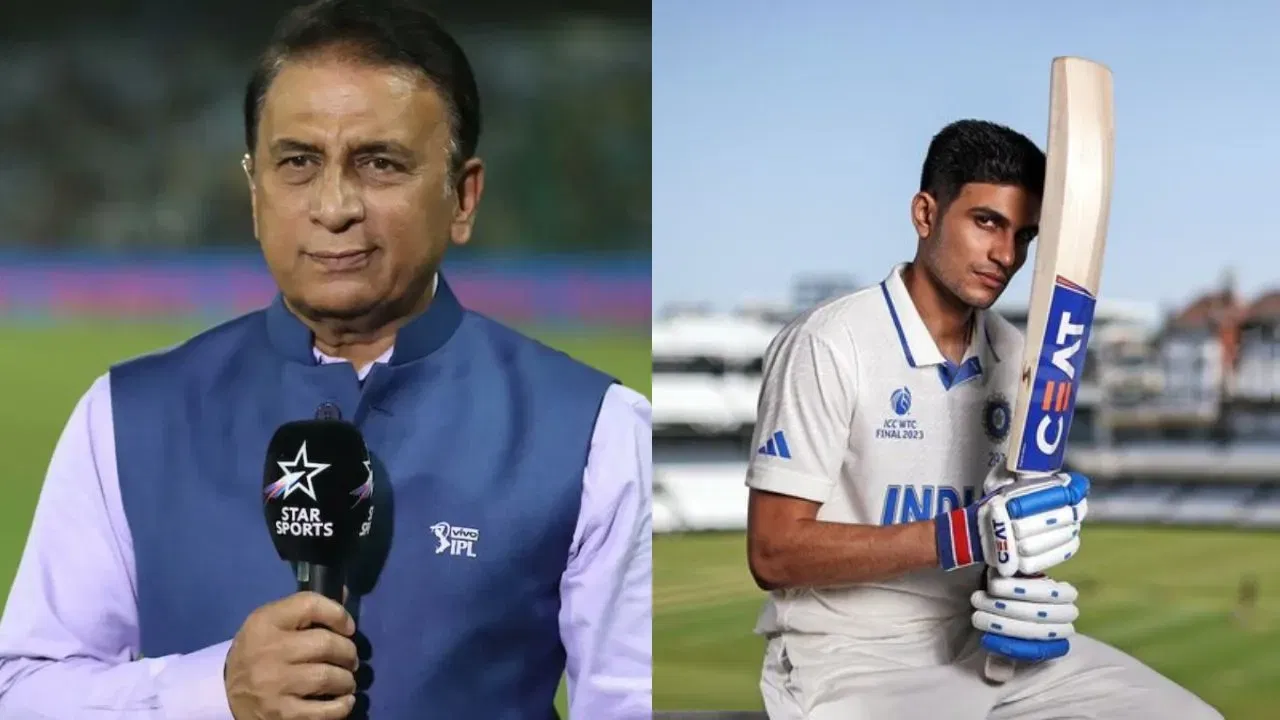
Sunil Gavaskar Criticizes Indian Cricket Team Management for Lack of Practice Matches
Former India captain Sunil Gavaskar has expressed his disappointment with the selectors and Indian cricket team management for not arranging practice matches for out-of-form players and youngsters during the ongoing Test series against England. The team is currently trailing 1-2 in the five-match series, with the fourth Test set to begin on July 23 in Manchester.
Lack of Practice Matches Criticized
Gavaskar criticized the team management, led by head coach Gautam Gambhir, for not utilizing the eight-day break between the Lord’s and Manchester Tests to provide crucial match practice for struggling players like Yashasvi Jaiswal and Karun Nair. He emphasized the importance of giving players the opportunity to regain their form and confidence, especially in challenging overseas conditions.
The legendary cricketer highlighted the fact that the absence of practice matches could lead to additional pressure on players who have not performed well in the series so far. He believed that playing against lesser opposition in a warm-up match could have been beneficial for players like Jaiswal, Nair, Sai Sudharsan, and Abhimanyu Easwaran.
Concerns for Backup Bowlers
Gavaskar also expressed concerns about India’s backup bowlers, particularly Prasidh Krishna and Arshdeep Singh. He mentioned that Krishna struggled in the Edgbaston Test, while Singh was ruled out of the Manchester Test due to a finger injury. Gavaskar suggested that players like Kuldeep Yadav, who might be selected for the final Test, could have benefited from playing practice matches or participating in simulation games to work on their skills.
The well-known broadcaster emphasized the importance of bowlers getting their run-ups, lines, and lengths right before entering a high-pressure Test match. He believed that expecting them to perform at their best without any recent match practice would be unfair to the young cricketers.
Final Thoughts from Sunil Gavaskar
In conclusion, Gavaskar highlighted the missed opportunity for players to hone their skills and adapt to the conditions in England. He stressed that while senior players may benefit from rest during breaks between matches, younger or out-of-form players need practice matches to improve their game.
As India prepares for the crucial fourth Test in Manchester, Gavaskar’s criticisms serve as a reminder of the importance of thorough preparation and support for all players, especially those who are struggling to find their form. The upcoming matches will test the team’s resilience and ability to bounce back, making it essential for the management to provide the necessary resources and opportunities for players to succeed.
Importance of Practice Matches in Cricket
Practice matches play a crucial role in the development and preparation of cricket players, especially in high-stakes series like the ongoing Test series between India and England. These matches provide players with the opportunity to fine-tune their skills, adapt to different conditions, and regain confidence before heading into competitive games. For out-of-form players, youngsters, and even backup bowlers, practice matches can serve as a valuable platform to showcase their abilities and work on areas that need improvement.
By facing different opposition in a practice match, players can simulate match scenarios, test their strategies, and build match fitness. This hands-on experience can be instrumental in helping players adjust to the challenges posed by the opposition team and the playing conditions. Additionally, practice matches offer selectors and team management a chance to assess player performance, identify potential issues, and make informed decisions regarding team selection and strategy.
Striking a Balance Between Rest and Preparation
While it is essential for senior players to manage their workload and rest adequately between matches, it is equally important for younger or out-of-form players to stay active and engaged through practice matches. Balancing rest and preparation is a delicate task for team management, as they must consider the individual needs of each player and tailor their approach accordingly.
Providing opportunities for players to participate in practice matches not only benefits the individual player but also contributes to the overall team’s performance and cohesion. Creating a supportive environment where players can work on their game, receive feedback, and build confidence is key to fostering a culture of continuous improvement and success within the team.
Learning from Criticisms and Moving Forward
Sunil Gavaskar’s criticisms regarding the lack of practice matches for certain players in the Indian team serve as a valuable lesson for team management and selectors. It underscores the importance of holistic player development, strategic planning, and effective communication within the team setup.
As the Indian team gears up for the upcoming Test matches, incorporating the feedback from Gavaskar and other cricketing experts can help them address any shortcomings and optimize their preparation. By acknowledging the significance of practice matches and prioritizing player development, the team can enhance their performance on the field and maximize their chances of success in the series.
Looking Ahead to the Future
As the cricketing landscape continues to evolve, the role of practice matches in player development and team preparation remains paramount. Embracing a proactive approach to player management, training, and match readiness can set teams apart in highly competitive environments and enable them to achieve consistent success.
By incorporating valuable insights from experienced figures like Sunil Gavaskar and leveraging the benefits of practice matches, cricket teams can build a strong foundation for sustained performance, growth, and excellence in the sport. As the Indian team navigates through the challenges of the ongoing Test series and beyond, the lessons learned from this experience can shape their future approach to player development and team dynamics.
Latest News

RCB Playing XI vs SRH Playing XI – Match No. 1 | IPL 2026
Delhi Capitals IPL 2026 Full Schedule: DC Fixtures, Dates, Timings and Venues | Squad and Coaches
PSZ vs RWP Match Prediction, Pitch & Weather Report, Playing XIs, Head-to-Head, Free Live Streaming – PSL 2026 Match 3
Rajasthan Royals IPL 2026 Full Schedule: RR Fixtures, Dates, Timings and Venues | Squad and Coaches
Mumbai Indians add Akash Madhwal for IPL 2026 amid suspense over Jasprit Bumrah’s availability
Kolkata Knight Riders IPL 2026 Full Schedule: KKR Fixtures, Dates, Timings and Venues | Squad and Coaches
Sunrisers Hyderabad IPL 2026 Full Schedule: SRH Fixtures, Dates, Timings and Venues | Squad and Coaches
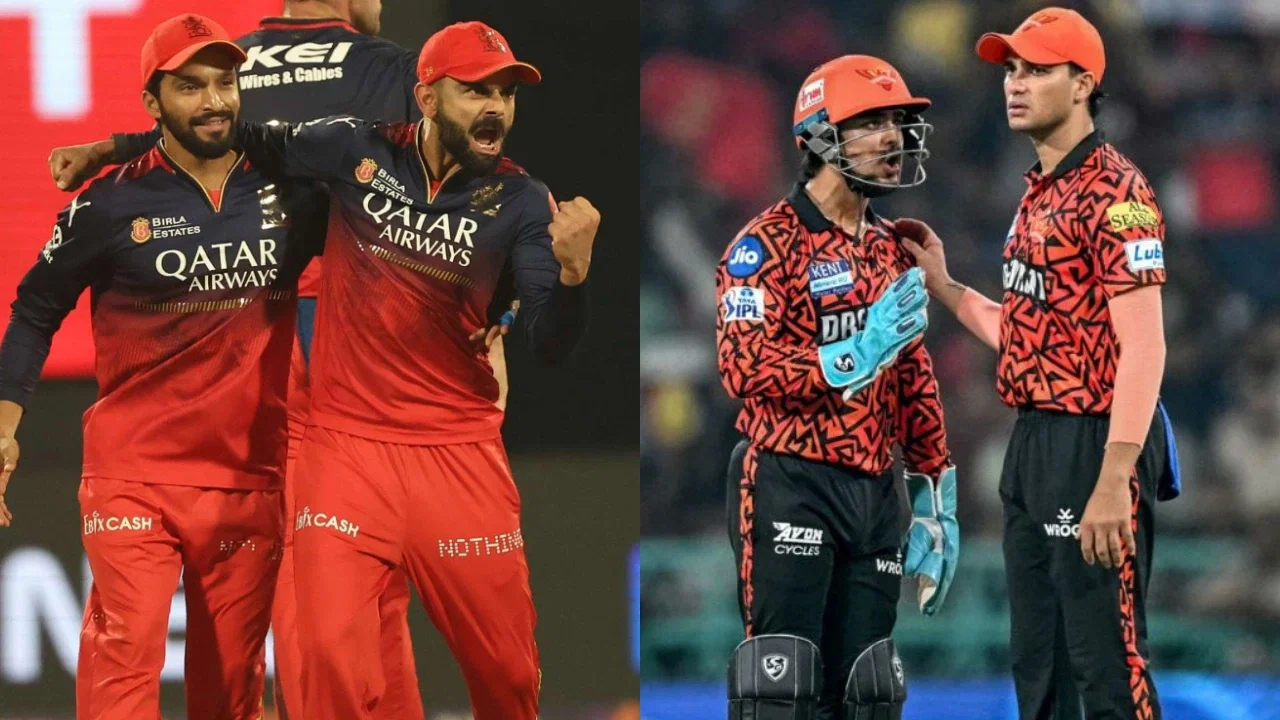
RCB vs SRH Match Prediction – Who Will Win Match No.1? | IPL 2026
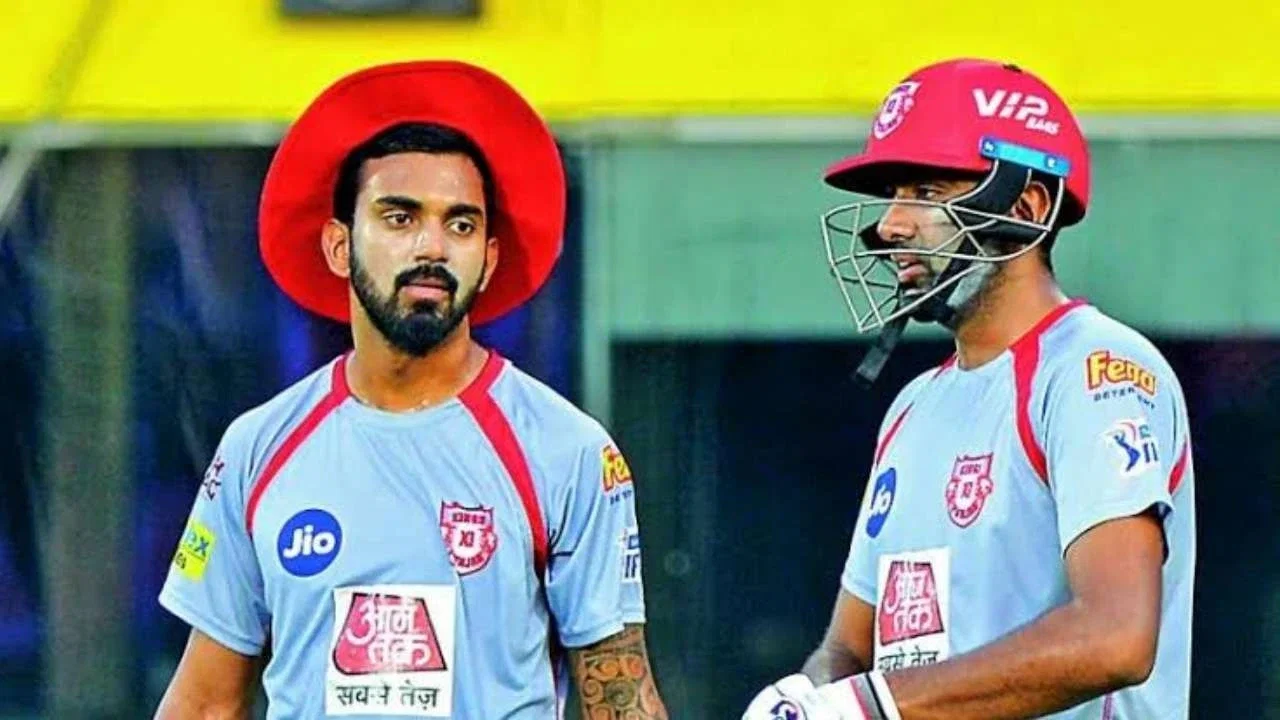
KL Rahul will win the Orange Cap in IPL 2026 if…: Ravichandran Ashwin makes bold claim
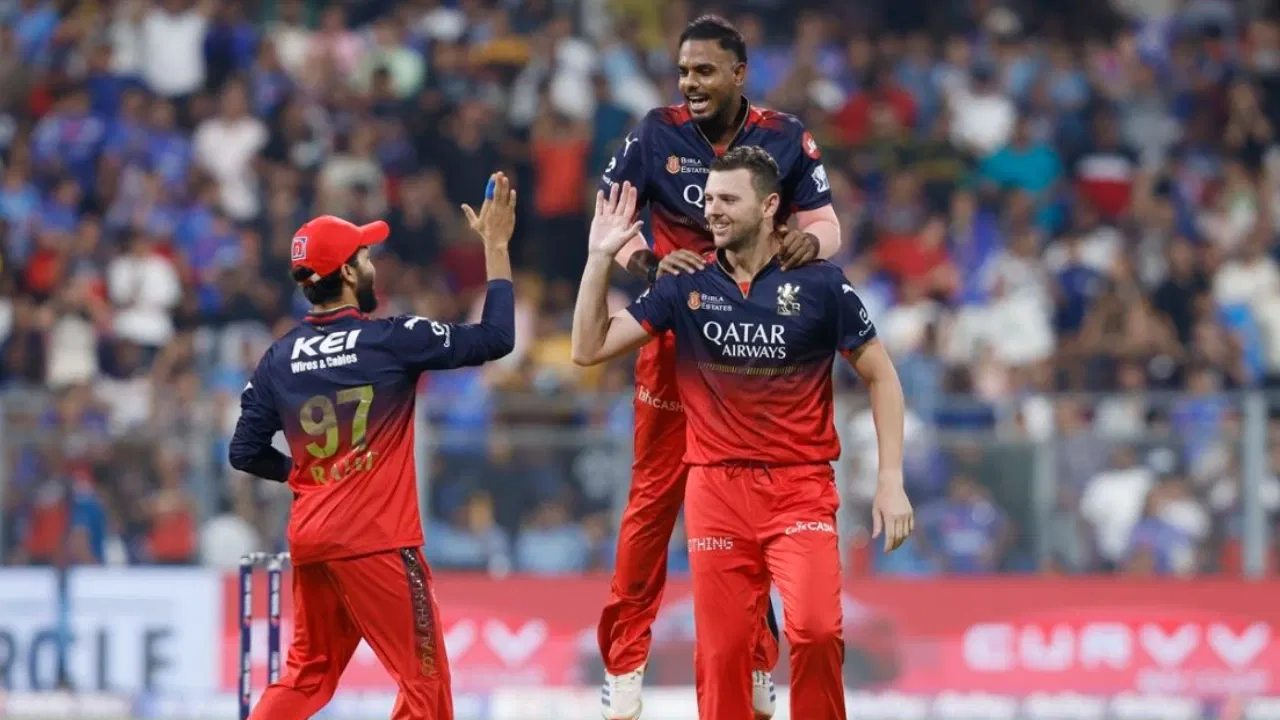
RCB coach rules Josh Hazlewood out of IPL 2026 opener, Pat Cummins update arrives
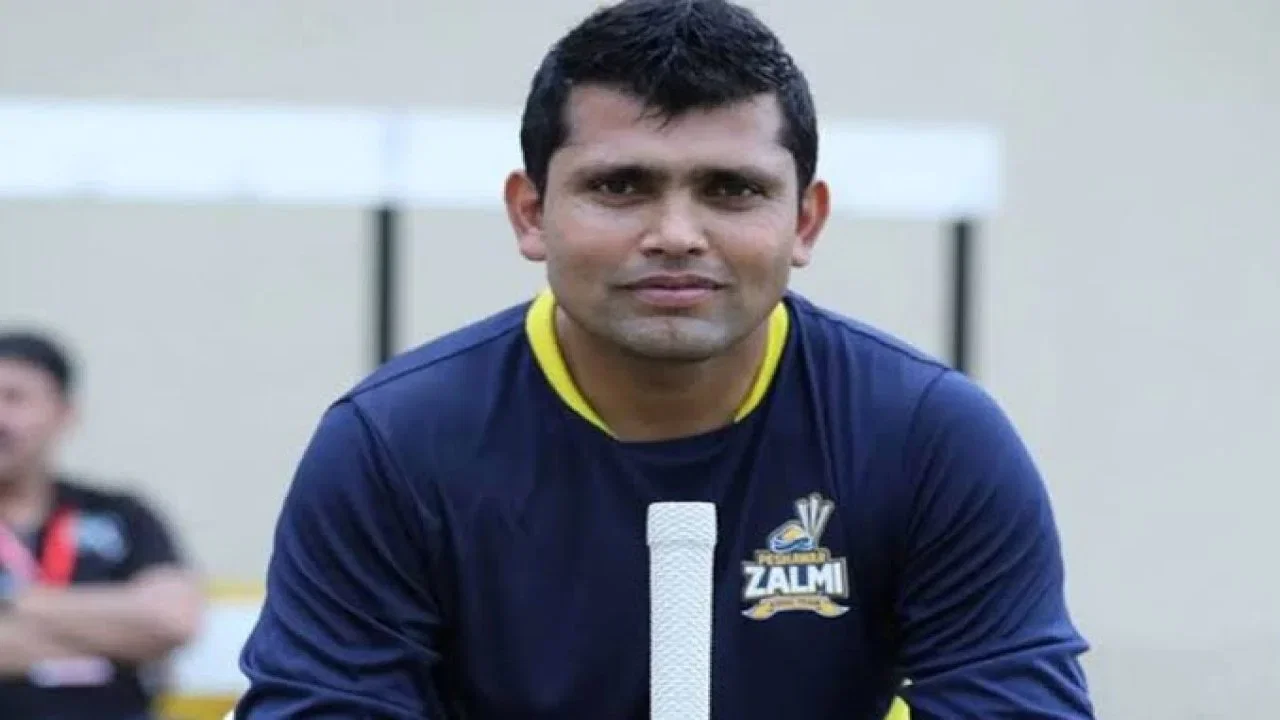
Kamran Akmal trolls Pakistan Super League after Hyderabad Kingsmen jersey turns ball pink
Prithvi Shaw backed to dominate IPL 2026 by Irfan Pathan
Rohit Sharma loses cool! Hits car, ignores fans in shocking moment before IPL 2026
RCB vs SRH Match No. 1 Preview: Free Live Streaming, Pitch & Weather Report, Head-to-Head | IPL 2026