Game over for Mohsin Naqvi as BCCI plots impeachment of ACC President over Asia Cup trophy row
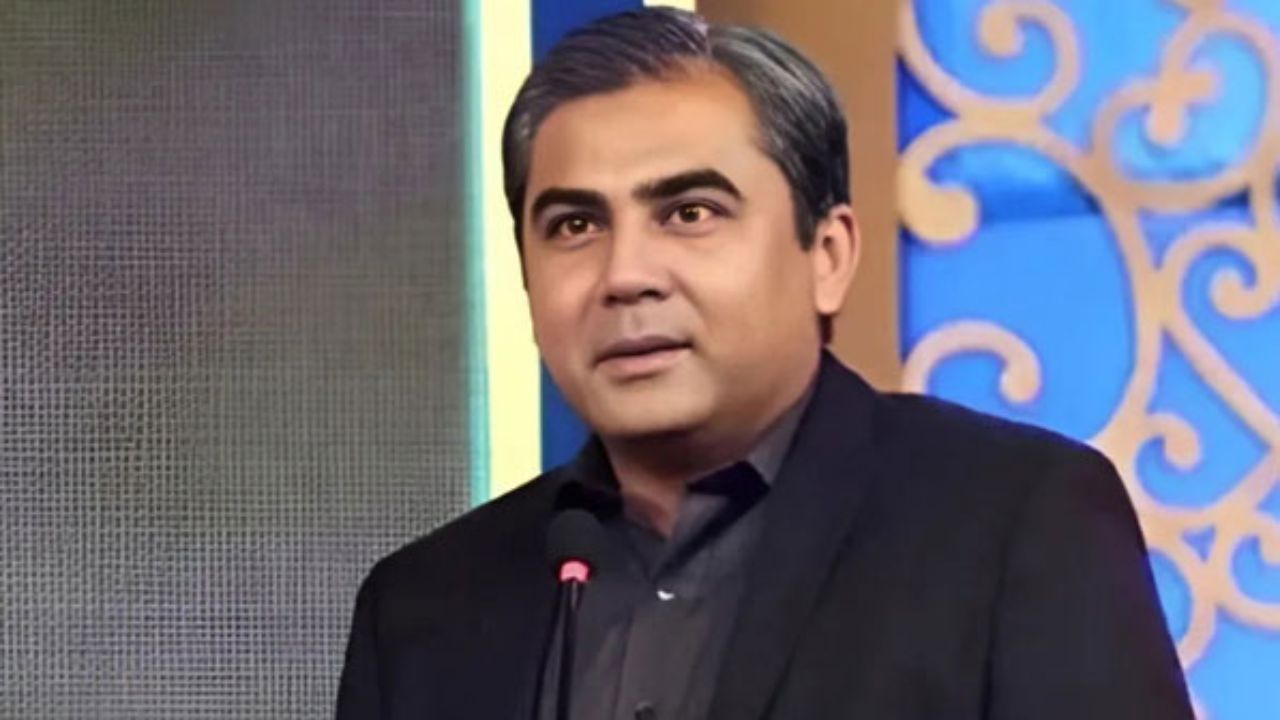
BCCI To Push for Impeachment of ACC Chief Mohsin Naqvi
Recent Allegations and Calls for Removal
Recent reports have surfaced regarding the Board of Control for Cricket in India (BCCI) pushing for the impeachment of Mohsin Naqvi from his role as the President of the Asian Cricket Council (ACC). The controversy stems from the Asia Cup final, where Naqvi’s actions have raised serious concerns about his conduct and impartiality.
According to News18, India will be explicitly calling for Naqvi’s removal from his position as the ACC President. The root of the issue lies in the final match between India and Pakistan, where India emerged victorious. Despite their win, India refused to accept the ICC trophy from Naqvi and instead requested the vice-president of the Emirates Cricket Board to do the honors.
Naqvi, feeling insulted and infuriated, took the trophy off the field and did not hand it over to the Indian team. This act of defiance has not only drawn criticism from multiple cricket boards but has also tarnished the reputation of both the ACC and the International Cricket Council (ICC).
India’s Concerns and Allegations
India has raised concerns about Naqvi’s actions not only being detrimental to the integrity of ACC tournaments but also violating principles of neutrality and fair play in cricket. They argue that Naqvi’s dual role as the PCB Chief and ACC Chairman presents a conflict of interest, compromising the impartiality required for overseeing cricket administration in Asia.
The BCCI, being the largest financial contributor to the ACC, along with other neutral cricket boards, believes that Naqvi has lost moral authority to lead the Asian council. They are proposing a vote of no-confidence or an impeachment motion to restore credibility and maintain the integrity of cricket administration.
Official Probe and Consequences
Top government sources reveal that India plans to report the alleged trophy theft to UAE authorities and insists that Naqvi’s conduct warrants an official investigation. The behaviour displayed by Naqvi not only harms the reputation of the winning team but also sets a dangerous precedent of politicized discrimination in the cricketing world.
This move by India could potentially harm the relationship between the ACC and broadcasters, sponsors, and the broader image of cricket as a sport above politics. The UAE cricket authorities have the ICC trophy in their possession and intend to return it to the Indian team promptly.
Conclusion
The push for Naqvi’s impeachment by the BCCI signifies a significant development in the world of cricket administration. The allegations against Naqvi and the subsequent calls for his removal highlight the importance of integrity, impartiality, and fair play in the sport of cricket.
As the situation unfolds, it remains to be seen how the cricketing world will respond to these accusations and what consequences Naqvi may face for his actions. Stay tuned for more updates on this unfolding controversy in the world of cricket.
The Role of Neutrality and Impartiality in Cricket Administration
One of the fundamental principles of cricket administration is the importance of neutrality and impartiality in overseeing matches and tournaments. The role of governing bodies such as the ACC and the ICC is to ensure fair play, transparency, and integrity in the sport, free from any bias or favoritism.
When allegations of misconduct or breaches of neutrality arise, it not only calls into question the credibility of the individuals involved but also undermines the trust and confidence of players, fans, and stakeholders in the game. The recent controversy surrounding Mohsin Naqvi highlights the repercussions of compromising these essential principles in cricket administration.
The Impact of Conflict of Interest on Cricket Governance
Conflict of interest is a significant concern in cricket governance, as individuals holding multiple roles within different cricket boards may face conflicts that could influence their decision-making and actions. In the case of Mohsin Naqvi, his dual position as the PCB Chief and ACC President has raised suspicions of bias and partiality, particularly in the context of the Asia Cup final.
Cricket boards must ensure that their officials maintain a clear separation of roles and responsibilities to avoid any perception of favoritism or unfair treatment. By addressing conflicts of interest proactively and transparently, cricket administration can uphold its integrity and credibility among stakeholders and the wider cricketing community.
The Importance of Restoring Trust and Credibility in Cricket
In the wake of the allegations against Mohsin Naqvi and the subsequent calls for his impeachment, the focus now shifts to restoring trust and credibility in cricket administration. The actions taken by the BCCI and other neutral cricket boards to address these concerns demonstrate a commitment to upholding the values of fairness, transparency, and accountability in the sport.
By holding individuals accountable for their actions and ensuring that governance structures prioritize integrity above all else, cricket can reaffirm its status as a sport that values sportsmanship, respect, and equality. The resolution of this controversy will serve as a litmus test for the effectiveness of governance mechanisms in safeguarding the principles that underpin the game of cricket.
Looking Ahead: Lessons Learned and Future Reforms
As the cricketing world navigates through the fallout of the controversy surrounding Mohsin Naqvi, there are valuable lessons to be learned and insights to be gained for the future of cricket administration. The incident serves as a stark reminder of the fragility of trust in sports governance and the importance of robust mechanisms to prevent conflicts of interest and uphold neutrality.
Moving forward, cricket boards must prioritize reforms that enhance transparency, accountability, and ethical conduct among officials and administrators. By learning from past mistakes and implementing safeguards to prevent similar incidents, cricket can emerge stronger and more resilient in its commitment to fairness and integrity.
Stay tuned for further developments on the impeachment proceedings against Mohsin Naqvi and the broader implications for cricket governance as the story continues to unfold.
Latest News
Shubman Gill out? Virat Kohli’s Test comeback as captain suggested by CSK legend
Jason Gillespie gives major update on Glenn Maxwell’s availability for PSL 2026
‘I’m a big fan but…’: Ravichandran Ashwin criticises Abhishek Sharma after failure vs RCB.
LHQ vs KRK Match Prediction, Pitch & Weather Report, Playing XIs, Head-to-Head, Free Live Streaming – PSL 2026 Match 6
IPL teams on alert!: Sri Lanka fitness crisis sees almost 50% players fail tests
Ben Duckett in trouble? Sunil Gavaskar pushes BCCI for tougher punishment
MS Dhoni faking injury? Michael Vaughan suspects ‘strategic manoeuvre’ in CSK camp for IPL 2026
KKR coach criticises Impact Player rule, provides huge Matheesha Pathirana update
Sam Curran reveals private chat with Brendon McCullum after England axing
Ravichandran Ashwin brutally teased by Virender Sehwag on IPL 2026 debut
Virat Kohli’s ego under spotlight! Ex-KKR star makes bold claim after heroics vs SRH
Jay Shah rises to No. 22 among most powerful people in India in 2026; Virat Kohli, Gautam Gambhir included

SRH suffer huge blow! Daniel Vettori confirms another overseas pacer injured amid crisis
IPL Points Table 2026: Updated Standings, Orange Cap, Purple Cap After RCB vs SRH Match 1