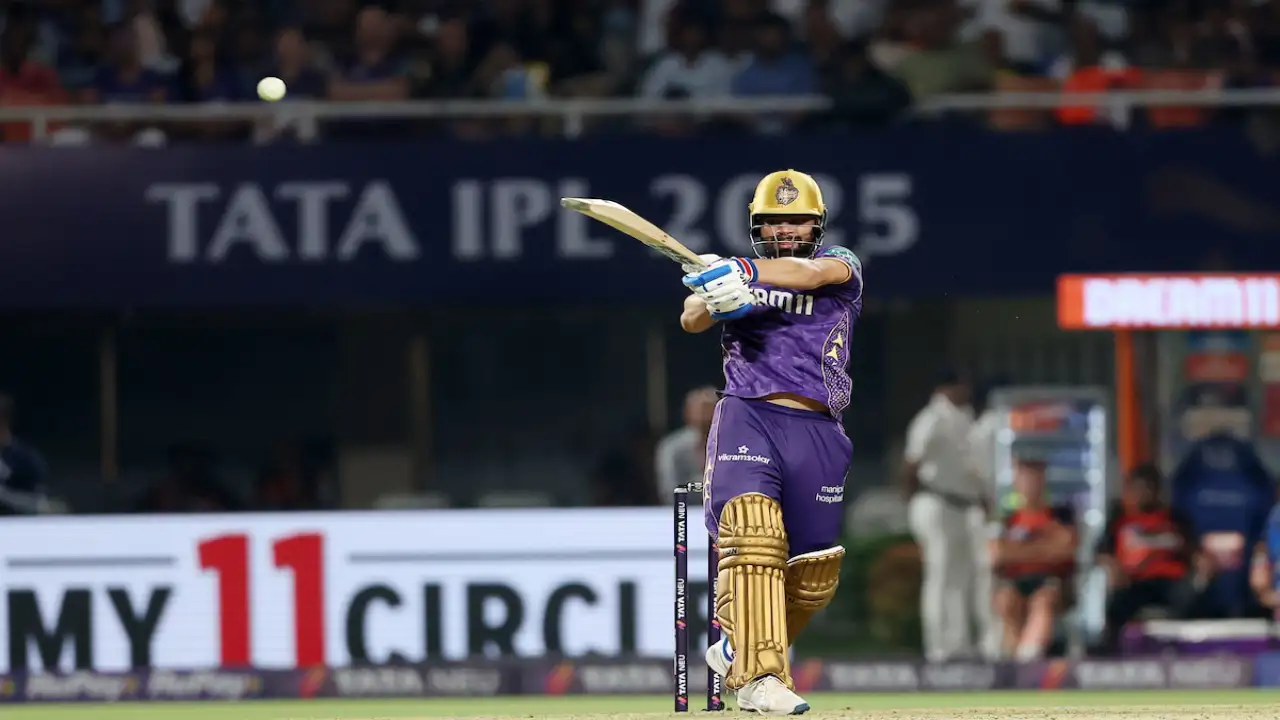
Gary Kirsten finally exposes PCB’s politics after quitting as Pakistan’s white-ball coach
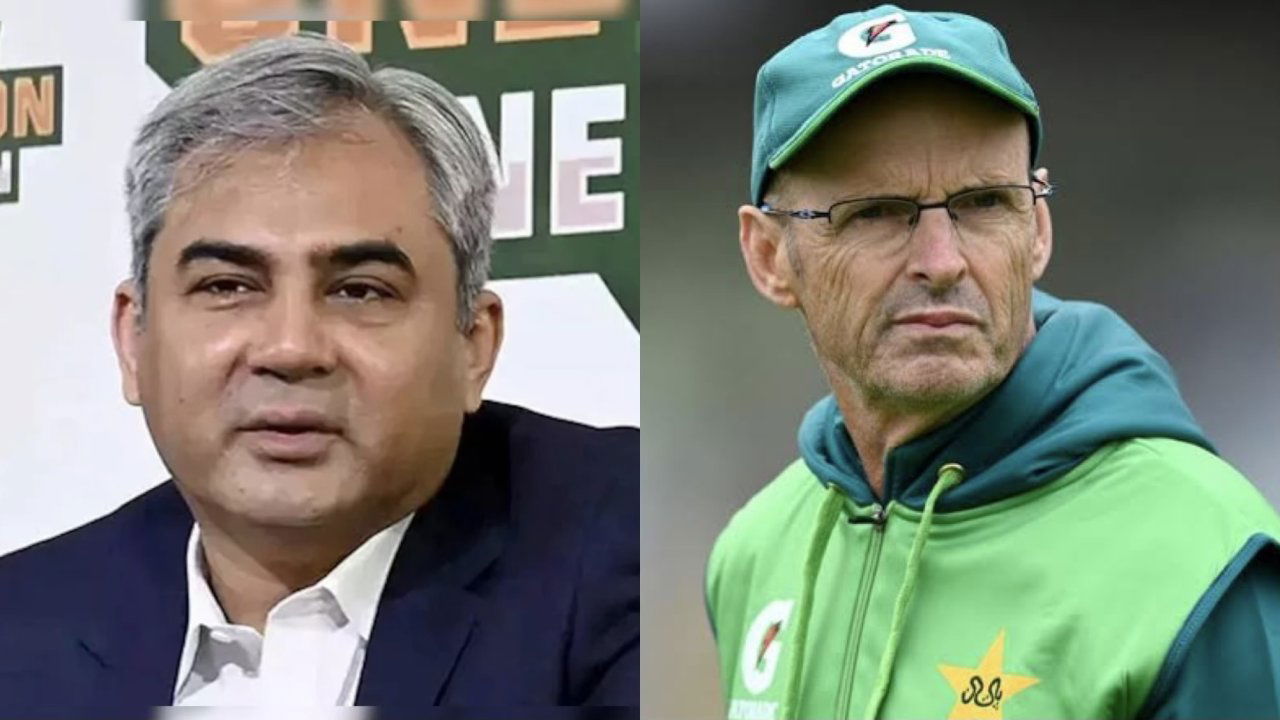
Former South African cricketer Gary Kirsten recently shed light on his decision to step down as Pakistan’s white-ball head coach, citing a lack of influence and internal conflicts within the Pakistan Cricket Board (PCB) as key reasons for his early departure.
Gary Kirsten took on the role of Pakistan’s white-ball coach in April 2024, alongside Jason Gillespie, who was appointed as the Test coach. However, Kirsten’s tenure lasted only six months before he decided to resign. The tipping point came when Pakistan’s squads for the previous year’s ODI and T20I tours of Australia and Zimbabwe were announced.
In a candid interview with Wisden, Kirsten expressed his disappointment at being removed from the selection panel, which significantly diminished his ability to impact the team. He realized quickly that without the authority to shape the team, his effectiveness as a coach would be severely limited. Kirsten, along with Jason Gillespie, found themselves excluded from the newly formed selection panel, leading to a challenging few months for both coaches.
“It was a tumultuous few months. I realized quite quickly I wasn’t going to have much of an influence. Once I was taken off selection and asked to take a team and not be able to shape the team, it became very difficult as a coach then to have any sort of positive influence on the group,” Kirsten revealed.
Despite the setbacks, Kirsten expressed his willingness to return as Pakistan’s coach in the future under the right circumstances. He emphasized the importance of being able to focus solely on coaching and working closely with players without external distractions.
“If I got invited back to Pakistan tomorrow, I would go, but I would want to go for the players, and I would want to go under the right circumstances,” he stated. “Cricket teams need to be run by cricket people. When that’s not happening and when there’s a lot of noise from the outside that’s very influential noise, it’s very difficult for leaders within the team to walk a journey that you feel like you need to walk in order to take this team to where it needs to go.”
Kirsten also praised the talent and character of the Pakistan squad, highlighting the immense pressure they face after defeats. He expressed his admiration for the players, describing them as “great guys” and empathizing with the challenges they encounter in the high-pressure world of international cricket.
Following Kirsten’s departure, former Pakistan cricketer Aaqib Javed served as the interim white-ball head coach before being replaced by New Zealand’s Mike Hesson. Hesson has taken on the role for the white-ball formats in the Bangladesh series. However, Pakistan is yet to appoint a permanent head coach for their Test team, leaving fans and players eager to see who will take on the crucial role.
Challenges Faced by Coaches in International Cricket
International cricket coaching comes with its own set of challenges, as highlighted by Gary Kirsten’s experience with the Pakistan team. The dynamics of working within a national cricket board, dealing with selection committees, managing player egos, and handling external pressures can all impact a coach’s ability to effectively lead a team.
One of the key aspects of coaching in international cricket is the delicate balance between providing guidance and allowing players to express themselves on the field. Coaches must navigate the fine line between offering strategic advice and empowering players to make decisions in high-pressure situations. This requires a deep understanding of each player’s strengths, weaknesses, and temperament, as well as the ability to communicate effectively with individuals from diverse backgrounds.
Furthermore, the role of a coach extends beyond technical skills and game strategies. Coaches are often called upon to mentor players, build team camaraderie, instill discipline, and foster a winning mindset. In the case of Gary Kirsten, his desire to have a significant influence on team selection was driven by his belief in the importance of creating a cohesive and competitive squad that could perform consistently on the international stage.
In the context of Pakistan cricket, the challenges faced by coaches are compounded by the country’s passionate fan base, media scrutiny, and the ever-present specter of politics within the cricket board. Coaches must not only contend with the demands of coaching a talented but sometimes unpredictable team but also navigate the external forces that can impact their tenure and decision-making.
Moving forward, Pakistan cricket will need to find a balance between empowering coaches to lead effectively and providing the support and resources necessary for them to succeed. The appointment of Mike Hesson as the white-ball head coach signals a new chapter for the team, with fans eagerly awaiting the announcement of a permanent Test coach.
In conclusion, coaching in international cricket is a complex and demanding role that requires a unique blend of technical expertise, leadership skills, and emotional intelligence. Coaches like Gary Kirsten serve as a reminder of the challenges and rewards that come with guiding a national team, and their experiences offer valuable insights into the intricacies of the sport at the highest level. As Pakistan continues its search for a coach who can lead the team to success, the cricketing world will be watching closely to see how the team evolves under new leadership.
Latest News
‘Making Indian team is easier than IPL team’: Sourav Ganguly on Mitchell Starc uncertainty
Shakib Al Hasan’s Bangladesh comeback on cards with 2-year plan in place
Jonny Bairstow blasts Brendon McCullum, Ben Stokes over Mark Wood’s injury struggles
“Winning prize is great”: Axar Patel praises Jay Shah, highlights BCCI’s financial support
‘IPL teams might start cancelling young English players’: Aakash Chopra on Ben Duckett controversy
Virat Kohli takes up new role for RCB ahead of IPL 2026
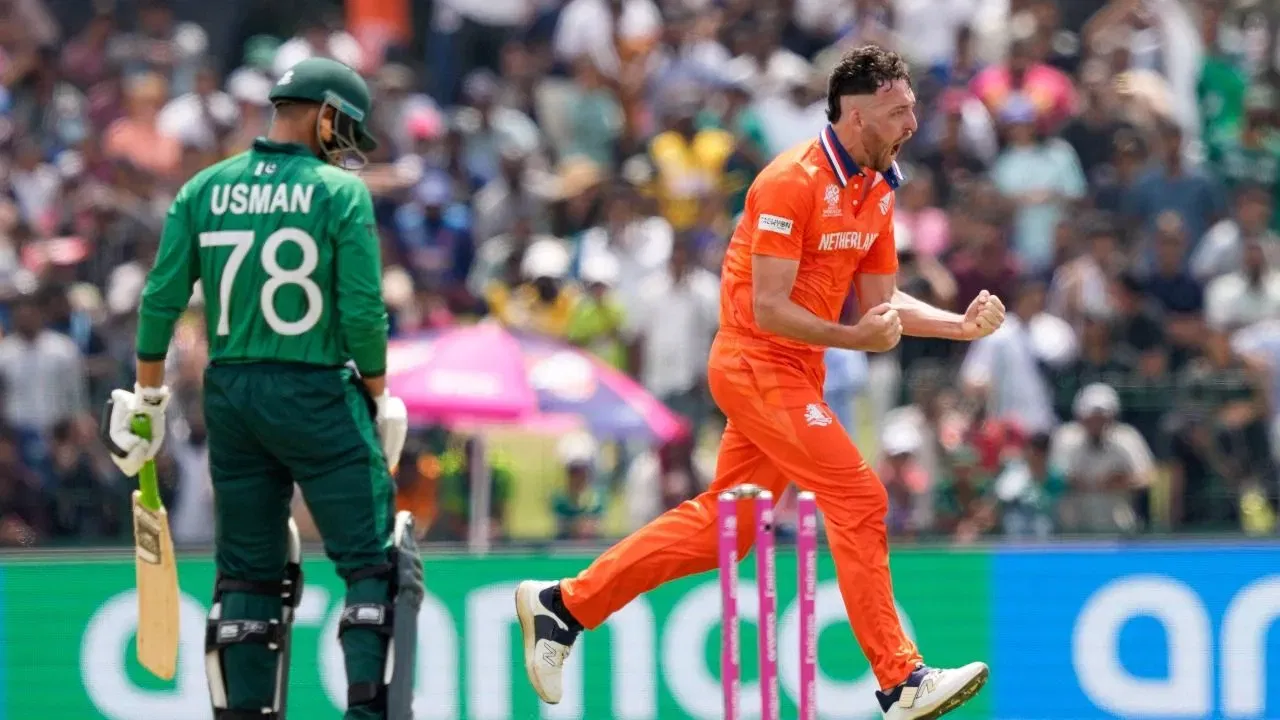
“0.5% could change everything” – Paul Van Meekeren reacts to RCB sale, urges IPL owners to support Netherlands
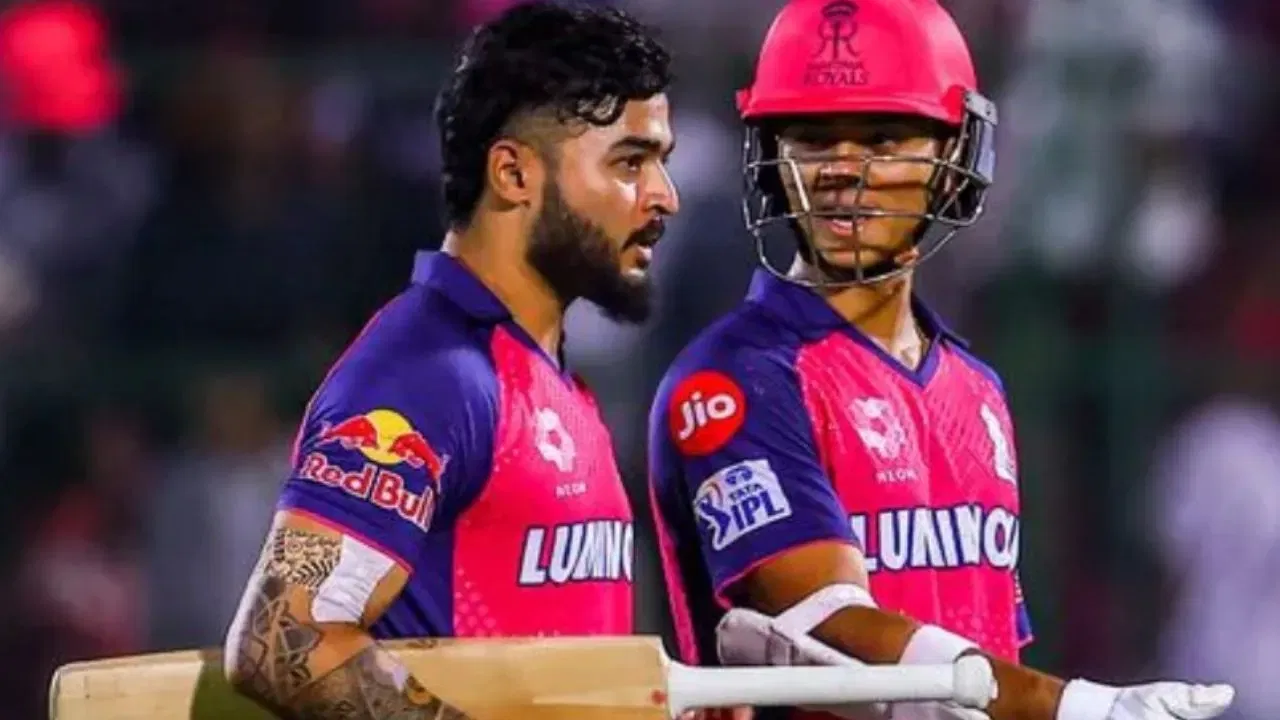
New Rajasthan Royals owners want Yashasvi Jaiswal as captain over Riyan Parag? Here’s the truth
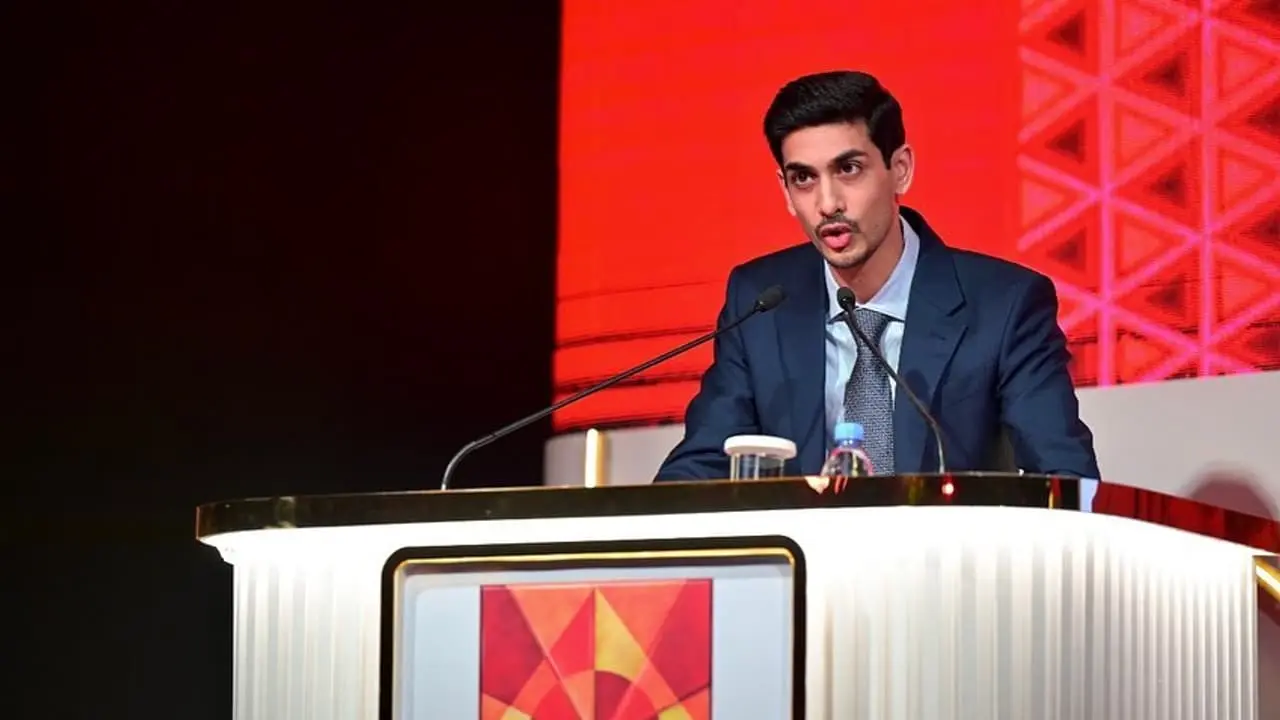
Who is Aryaman Birla? From Rajasthan Royals player to RCB chairman in blockbuster deal
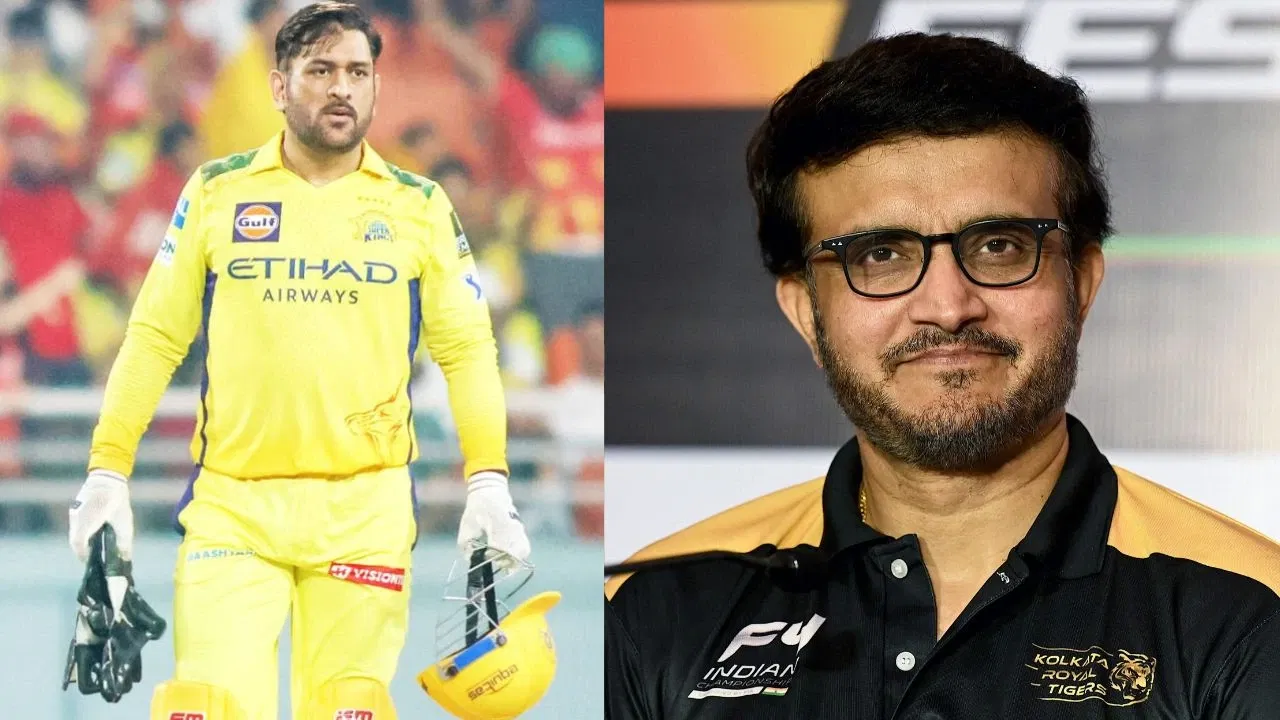
“I will tell MS Dhoni what to do”: Sourav Ganguly on retirement talks
Ben Duckett opts out from IPL 2026, set to face ban
“Players will prevail”: Sourav Ganguly’s drops big verdict on ‘Impact Player’ rule ahead of IPL 2026
“Players will prevail”: Sourav Ganguly’s drops big verdict on ‘Impact Player’ rule ahead of IPL 2026
3 LSG players who could struggle in IPL 2026 – ft Rishabh Pant