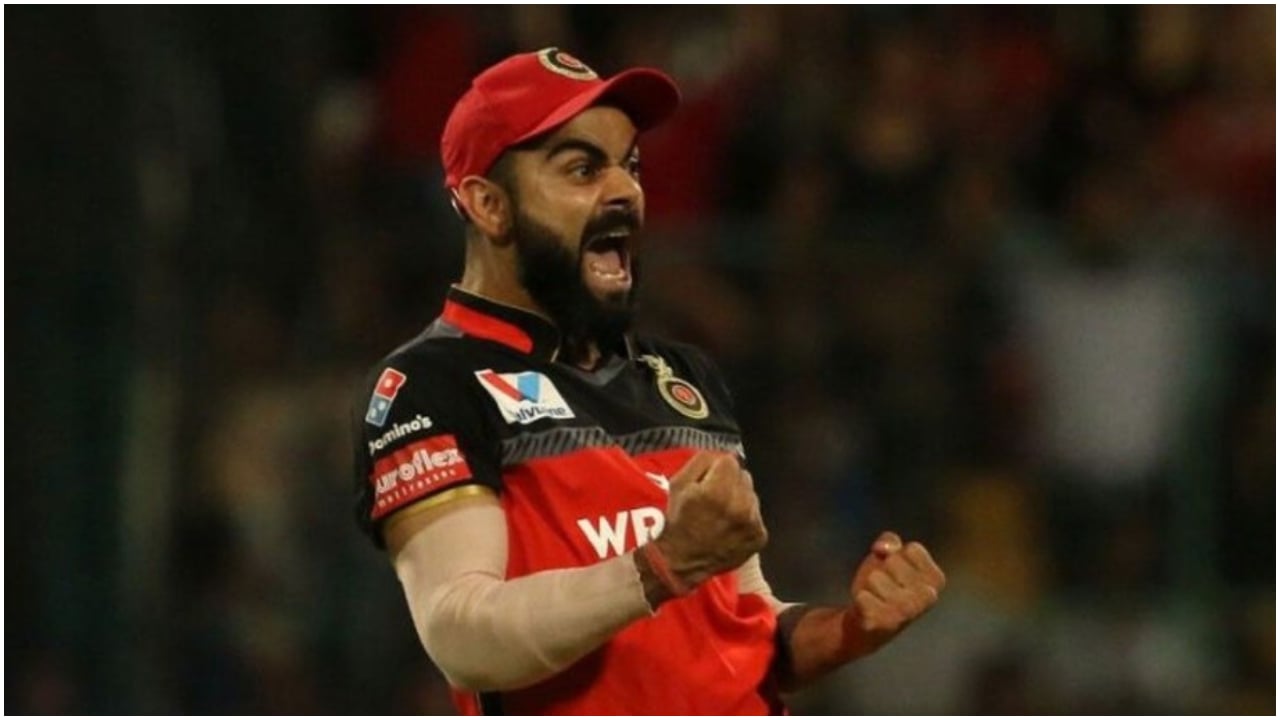
Gary Kirsten lashes attack on Mohsin Naqvi-led PCB for creating toxic work culture
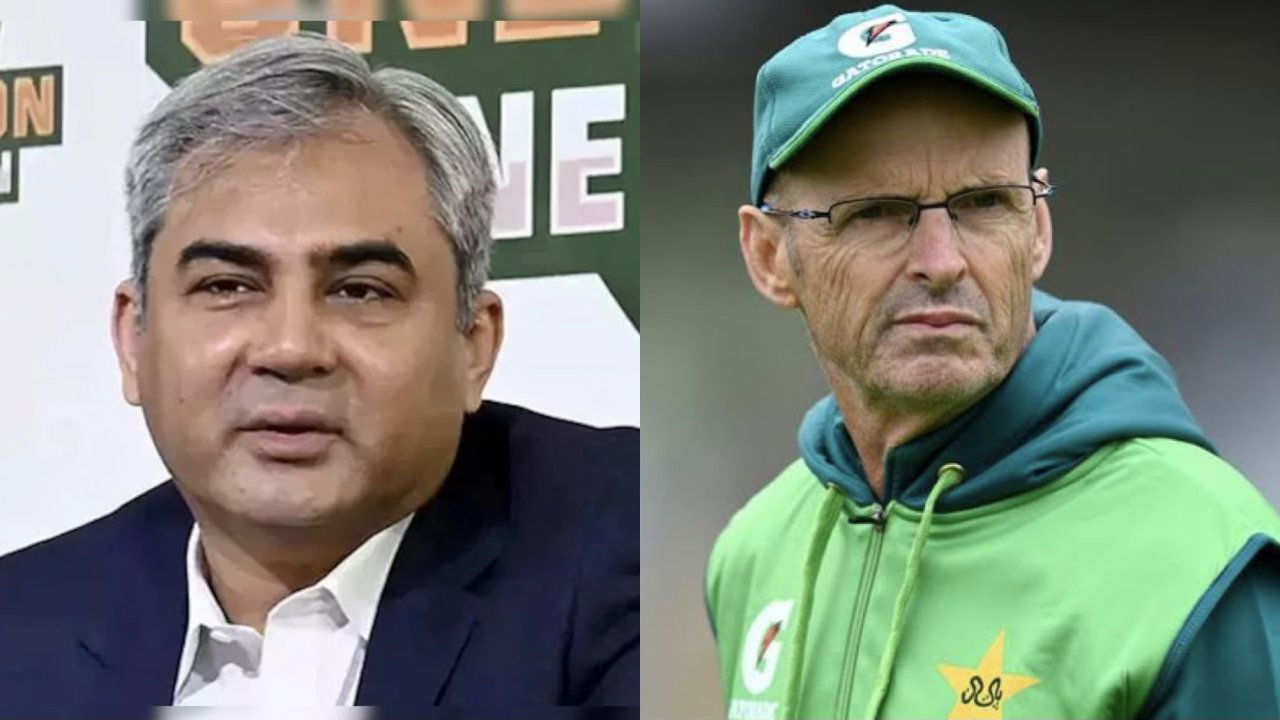
Gary Kirsten’s Candid Revelation on His Short Stint as Pakistan’s Head Coach
Former South Africa cricketer and India’s 2011 World Cup-winning coach, Gary Kirsten, recently shared his harrowing experiences while serving as the head coach of the Pakistan cricket team. In a candid interview with talkSPORT Cricket, Kirsten launched a scathing attack on the Pakistan Cricket Board (PCB), highlighting the toxic work culture that led to his abrupt resignation.
A Shocking Departure
Kirsten was appointed as the white-ball coach of the Pakistan cricket team in April 2024 with a two-year contract. However, his tenure was cut short after just six months due to the unfavorable working conditions. The veteran coach expressed astonishment at the unprecedented level of interference he encountered during his brief stint.
External Interference and Challenges
In his interview, Kirsten revealed his frustration at the continuous external noise that hindered his ability to implement his coaching strategies effectively. The constant interference from external sources and punitive actions by the PCB in response to poor performance made his job incredibly challenging.
Reflecting on his time with the team, Kirsten stated, “It is quite difficult for a coach to come in and formulate a way to work with the players when there is just this constant noise from the outside. It was tough, just this constant noise from the outside, and a lot of punitive actions around poor performance and stuff like that.”
Counterproductive Measures
Kirsten also criticized the board’s habit of scapegoating coaches when the team underperformed, describing it as counterproductive. He emphasized the importance of giving coaches the necessary support and freedom to work with the players, rather than imposing restrictions or taking punitive actions.
As Kirsten departed from his role with the Pakistan team, he swiftly moved on to a new coaching opportunity. Following the T20 World Cup 2026, he was appointed as the head coach of the Sri Lanka cricket team on a two-year contract, starting on April 15. His tenure with Sri Lanka will extend until April 14, 2028, encompassing the 2027 ODI World Cup.
Looking Ahead with Sri Lanka Cricket
Sri Lanka Cricket confirmed Kirsten’s responsibilities would include guiding the national men’s team in preparation for the upcoming ICC Men’s Cricket World Cup 2027. With his vast experience and proven track record, Kirsten’s appointment is expected to bring a fresh perspective to Sri Lankan cricket.
Having faced challenges and adversity during his stint with Pakistan, Gary Kirsten’s resilience and determination are set to make a significant impact on Sri Lanka’s cricketing journey in the years to come.
Impact of External Interference on Coaching
The issue of external interference in coaching decisions is not unique to Gary Kirsten’s experience with the Pakistan cricket team. Coaches around the world often struggle with balancing their expertise and vision with the demands and pressures imposed by external stakeholders. This interference can disrupt team dynamics, hinder player development, and ultimately affect performance on the field.
For Kirsten, the constant noise from external sources made it challenging to build rapport with the players and implement his coaching strategies effectively. This highlights the importance of creating a conducive environment for coaches to thrive and make a positive impact on the team.
Lessons Learned and Adaptation
Despite the challenges faced during his time with Pakistan, Kirsten’s resilience and adaptability shine through as he quickly transitioned to a new coaching role with Sri Lanka. This ability to learn from past experiences, pivot, and embrace new opportunities is a testament to Kirsten’s professionalism and commitment to the sport.
As he embarks on his journey with the Sri Lanka cricket team, Kirsten’s insights from his brief stint with Pakistan will undoubtedly shape his approach to coaching and team management. By understanding the pitfalls of external interference and the importance of empowering coaches, Kirsten can foster a positive and nurturing environment for players to thrive.
Redefining Coaching Culture
Kirsten’s candid revelation sheds light on the need to redefine coaching culture in cricket and sports at large. By prioritizing trust, communication, and collaboration between coaches, players, and governing bodies, a culture of mutual respect and support can be cultivated. This shift can lead to enhanced performance, player development, and overall team success.
Coaching is not just about tactics and strategies; it also involves creating a conducive environment for players to grow and excel. Kirsten’s experience serves as a valuable lesson in the importance of fostering a supportive and empowering coaching culture to unlock the full potential of a team.
Future Prospects and Legacy
As Gary Kirsten embarks on his coaching journey with Sri Lanka, his legacy as a World Cup-winning coach and his resilience in the face of adversity will undoubtedly shape his impact on the team. By bringing his unique insights, experience, and unwavering commitment to the role, Kirsten has the potential to leave a lasting imprint on Sri Lankan cricket.
Through his ability to navigate challenges, adapt to new environments, and prioritize player development, Gary Kirsten stands as a beacon of inspiration for coaches and players alike. His journey serves as a reminder of the transformative power of coaching and the enduring impact it can have on individuals and teams.
In conclusion, Gary Kirsten’s candid revelation on his short stint as Pakistan’s head coach offers valuable lessons on the challenges of coaching in a high-pressure environment. By reflecting on his experiences, adapting to new opportunities, and prioritizing a supportive coaching culture, Kirsten exemplifies the qualities of a resilient and visionary coach.
Latest News
Brendon McCullum to continue as England’s head coach
“Pick them on their performances”: Harbhajan Singh makes big call on Rohit Sharma and Virat Kohli’s future
“It’s about time”: Zaheer Khan drops honest take on India’s fast bowling pipeline

NZ vs SA 4th T20I Preview: Free Live Streaming, Pitch & Weather Report, Head-to-Head | South Africa tour of New Zealand 2026
NZ vs SA Match Prediction – Who Will Win 4th T20I? | South Africa tour of New Zealand 2026
New Zealand Playing XI vs South Africa Playing XI – 4th T20I | South Africa tour of New Zealand 2026
Not Shreyas Iyer! These 3 players could power PBKS to IPL 2026 glory
Gary Kirsten lashes attack on Mohsin Naqvi-led PCB for creating toxic work culture
Akash Deep’s injury turns into major headache for KKR and Abhishek Nayar
“They don’t have…”: Ex-RCB batter exposes Gujarat Titans’ weakness ahead of IPL 2026
Not Rishabh Pant! These 3 players could power LSG to IPL 2026 glory
“I can’t see”: EX-RR spinner writes off KKR from IPL 2026 title race
NOT Virat Kohli! Kagiso Rabada declares former Delhi Capitals batter as most dangerous batter of all time
Former ICC best umpire walks away from international cricket