Gautam Gambhir accused of giving “confusing signals” to Indian team as Sai Sudharsan, Rohit Sharma calls blasted

Former Cricketer Mohammad Kaif Questions Team India’s Selection Strategy
Former Team India cricketer Mohammad Kaif recently expressed his surprise and disappointment over the team management’s decision to exclude young batter Sai Sudharsan from the playing XI in the ongoing first Test against South Africa. Despite Sudharsan’s impressive performances against the West Indies, he was left out of the team, raising eyebrows among fans and analysts.
Kaif’s Critique of Team Management
Kaif took a subtle dig at the Gautam Gambhir-led team management, questioning the selection approach that led to dropping a promising young talent like Sudharsan. He highlighted the potential negative impact of sending mixed signals and creating uncertainty within the team.
Kaif’s Tweet:
“The decision to drop 24-year-old Sai Sudarshan after his 87 in the last Test is puzzling. We were told Rohit Sharma was replaced as captain because of his age, now the team management shows no patience with a youngster. Confusing signals are not good for the dressing room,” Kaif wrote on social media.
Veteran Hanuma Vihari Adds to the Debate
Veteran batter Hanuma Vihari also weighed in on the selection controversy, criticizing the management’s obsession with all-rounders and the decision to field four spinners in the Test match. Vihari emphasized the importance of specialist players in specialized positions in Test cricket, suggesting that the current approach may not be suitable for the longer format.
Vihari’s Tweet:
“Never believed 4 spinners are required even on rank turners. Specialist players in specialist position should be the case in test cricket. All-rounders are fancy. White ball suits them,” Vihari posted on social media.
Performance and Selection Dilemma
Sudharsan had showcased his potential with a career-best 87 in his last Test appearance against the West Indies, contributing significantly to the team’s success. With an average of 30.33 in five Tests, including two half-centuries, his exclusion from the playing XI against South Africa has raised questions about India’s long-term plans and the team management’s decision-making process.
India’s Unconventional Approach
India’s decision to play four spinners in the first Test against South Africa, with skipper Shubman Gill utilizing 29 overs of spin, has sparked discussions among fans and experts. The last time India employed a four-spinner combination was during the Nagpur Test against England in 2012, which resulted in a draw and eventually led to England securing a series win.
With Washington Sundar bowling just one over in South Africa’s first innings, questions have emerged about the effectiveness of such a strategy on turning tracks and the need for a balanced bowling attack in Test cricket.
Conclusion
As the debate continues over India’s selection strategy and the team’s performance in the ongoing Test series against South Africa, former cricketers like Mohammad Kaif and Hanuma Vihari have raised valid concerns about the balance between experience and youth, specialist players, and the team’s approach to different formats of the game. It remains to be seen how the team management responds to these criticisms and whether they make any adjustments moving forward.
Team India’s Selection Dilemma Reflects Larger Trends in Cricket
The exclusion of Sai Sudharsan and the decision to field four spinners in the ongoing Test match against South Africa shed light on broader trends in modern cricket. The evolution of the game has seen teams experiment with unconventional strategies and prioritize versatility over specialization. While this approach can yield success in limited-overs formats, the traditional demands of Test cricket require a different set of skills and tactics.
In recent years, the rise of T20 cricket has influenced the way teams approach team selection and strategy across all formats. The emphasis on all-rounders who can contribute with both bat and ball has become more prevalent, leading to a shift away from the traditional roles of specialists in Test cricket. As a result, decisions like playing four spinners in a Test match may be seen as an attempt to adapt to the changing landscape of the sport.
The Balancing Act in Team Selection
Former cricketers like Mohammad Kaif and Hanuma Vihari’s critique of Team India’s selection strategy highlights the delicate balance between experience and youth in building a successful team. While young talents like Sai Sudharsan bring energy and potential to the squad, the need for guidance and stability from seasoned players cannot be overlooked.
Team management faces the challenge of nurturing young talent while also ensuring that the team remains competitive and consistent in its performances. The decision-making process involves weighing short-term gains against long-term development, as well as finding the right blend of players to achieve success in different conditions and formats.
The Role of Communication and Clarity
One of the key aspects highlighted by Mohammad Kaif’s criticism is the importance of clear communication within the team. Sending mixed signals and creating uncertainty can have a negative impact on the morale and cohesion of the squad. Building trust and fostering a transparent environment where players understand their roles and the reasoning behind selection decisions is crucial for team harmony and performance.
Effective communication between team management, coaches, and players can help alleviate concerns and doubts, leading to a more unified and motivated team on the field. Clarifying the rationale behind selection choices and providing feedback to players can enhance accountability and mutual understanding within the team.
Looking Ahead: Adaptation and Evolution
As Team India navigates the challenges of the ongoing Test series against South Africa, they have the opportunity to reflect on their selection strategies and tactical approach. Adapting to changing conditions, learning from experiences, and evolving as a unit are essential for sustained success in international cricket.
The discussions sparked by the selection controversy involving Sai Sudharsan and the unconventional use of four spinners serve as valuable lessons for the team moving forward. By finding the right balance between tradition and innovation, specialization and versatility, Team India can position themselves as a formidable force in the ever-evolving landscape of the sport.
Ultimately, the success of the team will depend on their ability to learn from criticism, make necessary adjustments, and continue striving for excellence in all aspects of the game.
By addressing these challenges with resilience and adaptability, Team India can chart a course towards sustained success and solidify their reputation as a force to be reckoned with in international cricket.
Latest News
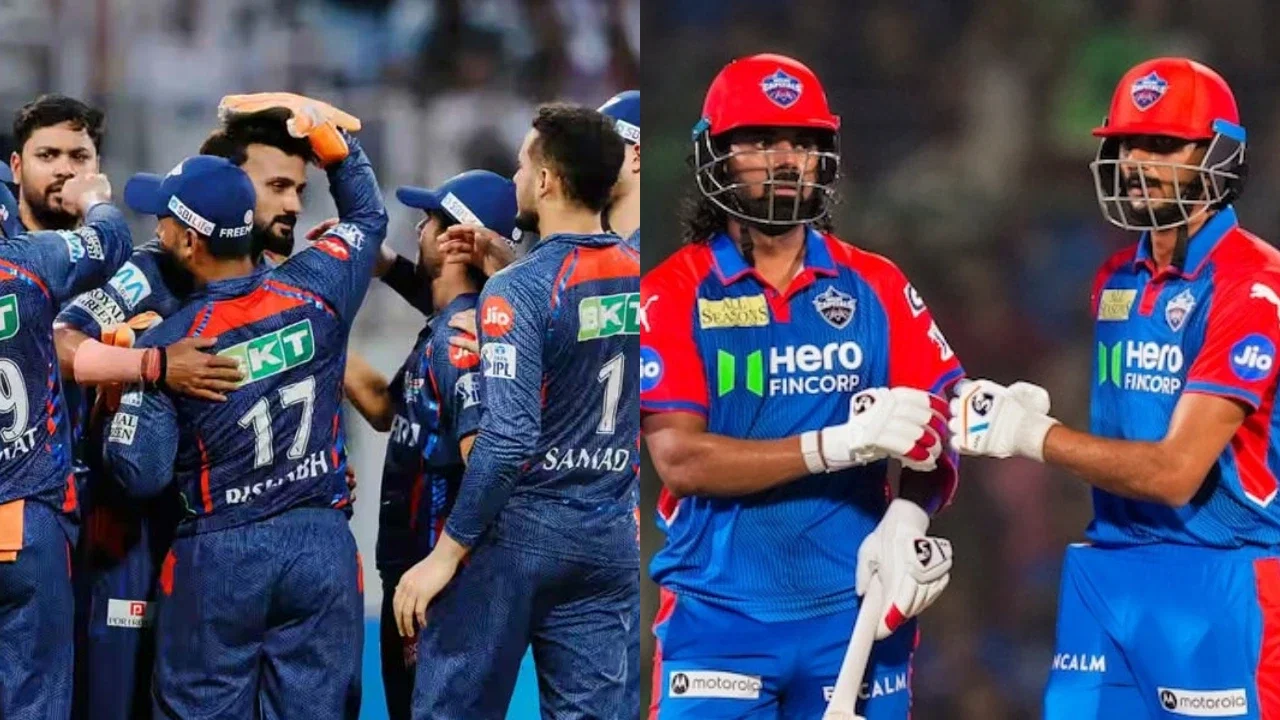
LSG Playing XI vs DC Playing XI – Match No. 5 | IPL 2026

Krunal Pandya breaks silence on India snub, opens up on Virat Kohli
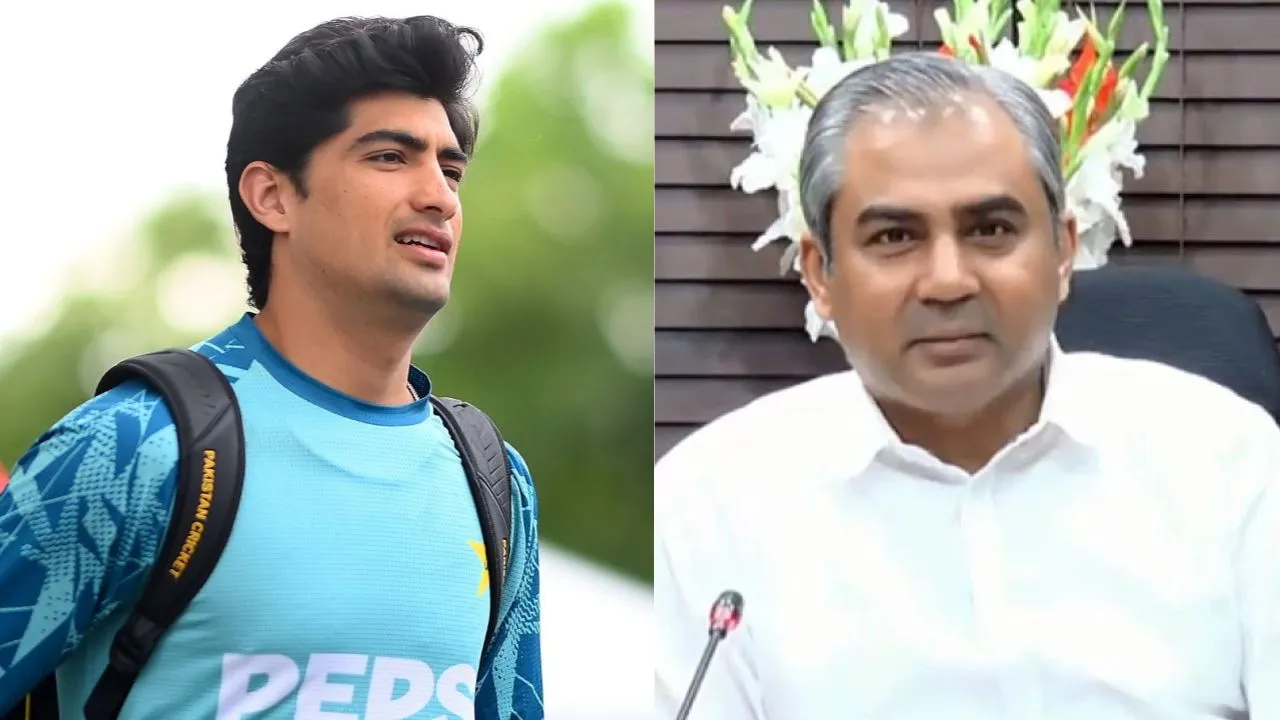
Mohsin Naqvi enforces new social media rules for Pakistan players following Naseem Shah incident

Fakhar Zaman officially handed cricket ban after PSL 2026 ball-tampering controversy

Pat Cummins forces Cricket Australia to slash central contracts list to secure premium deal

CSK’s big promise to players revealed amid IPL 2026: “Whatever BCCI offers, we’ll double it”
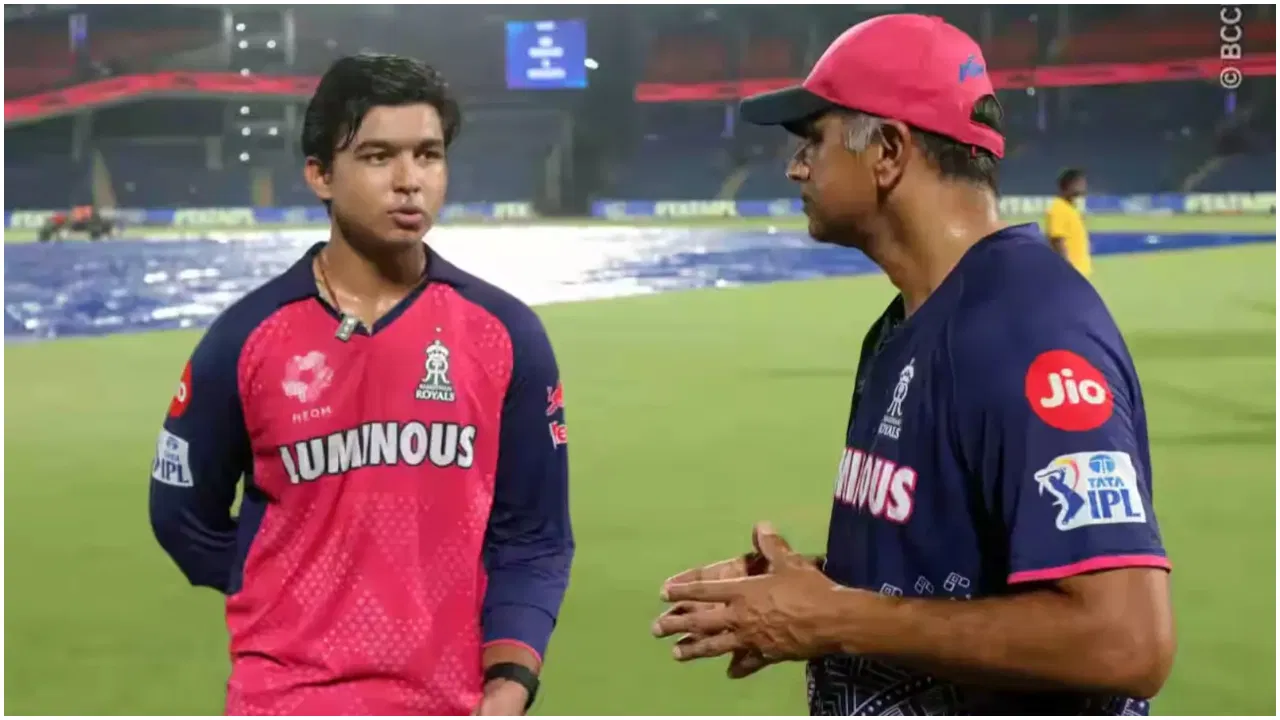
Ravichandran Ashwin rules out Vaibhav Sooryavanshi’s India call-up

Rashid Latif claims PSL ball-tampering row was deliberately created for attention amid IPL rivalry

Mohammed Shami breaks silence on retirement buzz after India snub; has special message for LSG

Mohammed Shami reveals IPL 2026 Top 4, leaves out five-time champions
Mohammed Shami hits back at Ravichandran Ashwin over LSG’s poor IPL 2026 prediction
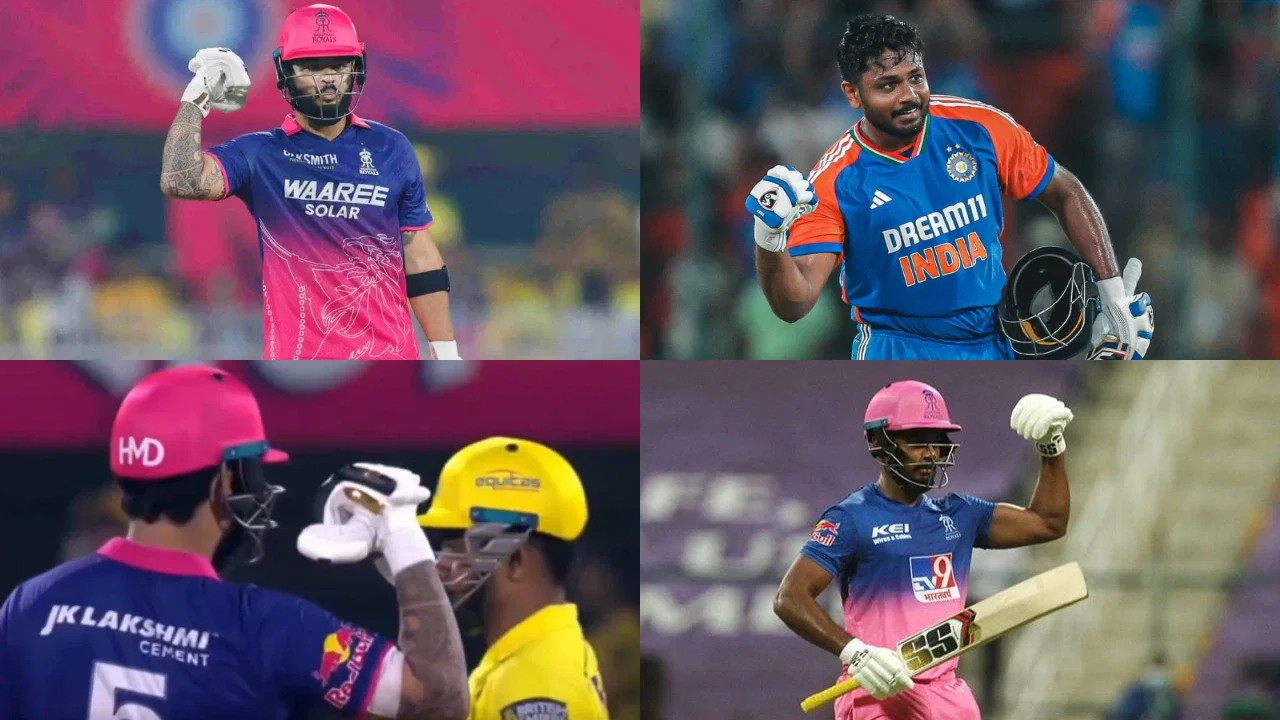
Riyan Parag mocked Sanju Samson? Batter’s muscle-flex celebration after sensational 6 vs CSK goes viral

IPL 2026 hit by tragedy! British broadcast engineer dies in Mumbai hotel room
Brad Haddin reveals reality of Shreyas Iyer as captain