Gautam Gambhir blatantly blames transition for India’s Test series loss to South Africa at home
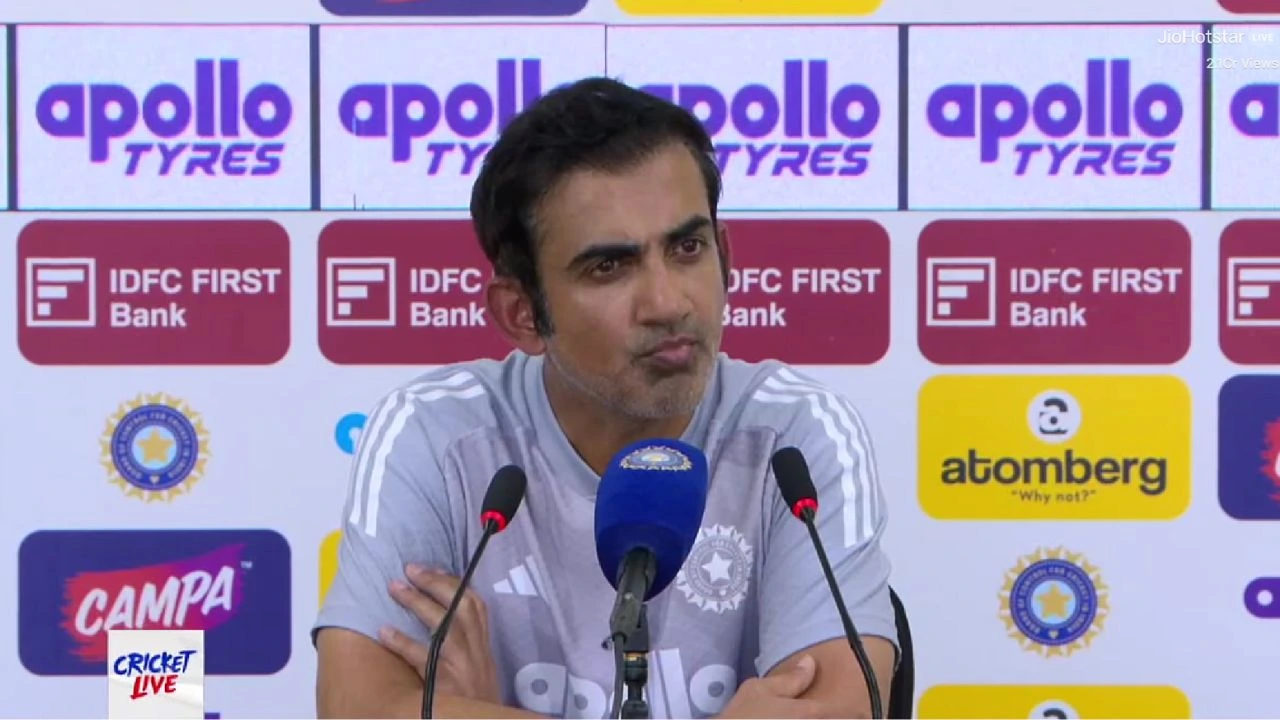
Gautam Gambhir Addresses India’s Historic Test Series Defeat Against South Africa
India National Cricket Team head coach Gautam Gambhir faced a barrage of tough questions on Wednesday following the team’s whitewash by South Africa in a two-match Test series at home. South Africa emerged victorious with a resounding 2-0 series win, marking a significant 408-run victory over India in the final Test held in Guwahati after 25 years.
A Historic Defeat for India
Gambhir acknowledged the embarrassing loss but emphasized that the Indian team would not make excuses for their performance. He took responsibility for the defeat and recognized that the team is currently undergoing a major transition phase, with many players still in the learning process and needing time to showcase their true potential.
India’s defeat at the hands of South Africa was historic for all the wrong reasons. It was their biggest defeat in Test cricket in terms of runs, with a margin of 408 runs. Additionally, it marked the first time in 25 years that India lost a home Test series. This defeat also signified their second whitewash in 13 months and their fifth Test loss in seven months under Gambhir’s coaching.
Gambhir Calls for Team Accountability
Despite the disappointing outcome, Gambhir refused to engage in the blame game and stressed the importance of collective improvement within the team. He highlighted the need for every player to take responsibility and step up their performance if they aim to compete against strong Test teams. The coach emphasized that success in Test cricket requires a unified effort from the entire team.
Gambhir expressed his disappointment over India’s collapse during the second Test, where they went from 95/1 to 120/7, showcasing a lack of resilience and technical proficiency. He called on the players to take ownership of their performances and prevent such collapses in the future.
Looking Towards the Future
Despite the challenges faced by the team, Gambhir remains optimistic about India’s future in Test cricket. He highlighted the youth and inexperience of the current batting lineup, noting that most players have participated in fewer than 15-20 Test matches. Gambhir believes that with patience, learning, and consistent effort, the team will evolve into a stronger Test unit over time.
Gambhir concluded by emphasizing the importance of this phase as a transition period for the team’s development. He expressed confidence in the players’ abilities to learn and grow, ultimately leading to a more competitive and successful Indian Test team in the future.
Overall, Gambhir’s reflections on India’s recent Test series defeat against South Africa shed light on the team’s challenges, aspirations, and the collective effort required to overcome setbacks and emerge stronger in the world of Test cricket.
Analysis of India’s Performance
India’s recent Test series defeat against South Africa has raised questions about the team’s performance and preparedness. The lack of a consistent batting lineup, coupled with the inability to handle pressure situations, has been evident in their recent matches. The team’s overreliance on a few key players has also been a concern, with the need for additional players to step up and contribute significantly to the team’s success.
Additionally, the bowling department has faced challenges in maintaining consistency and creating pressure on opposition batsmen. India’s spinners, known for their dominance in home conditions, have struggled to make an impact in recent matches, highlighting the need for adaptability and skill refinement across all facets of the game.
Furthermore, India’s fielding standards have been below par, with costly dropped catches and misfields impacting the team’s chances of restricting opposition teams. Improving fielding techniques and enhancing overall fitness levels will be crucial for India to compete at the highest level of Test cricket.
Key Learnings for India
Gambhir’s emphasis on accountability and collective improvement serves as a valuable lesson for the Indian team moving forward. The players must take ownership of their performances, identify areas of improvement, and work diligently to enhance their skills and mental resilience. Building a strong team culture based on trust, communication, and support will be essential for India’s success in the long run.
Moreover, the coaching staff plays a crucial role in guiding and mentoring players through challenging times. Providing constructive feedback, implementing strategic game plans, and fostering a positive learning environment will be instrumental in nurturing young talent and shaping the future of Indian cricket.
Strategies for Future Success
Looking ahead, India must prioritize strategic planning, talent development, and performance analysis to overcome their recent setbacks. Investing in player development programs, offering specialized coaching sessions, and creating opportunities for players to gain exposure to different playing conditions will be vital for India’s growth as a Test-playing nation.
Furthermore, fostering healthy competition within the team, setting clear goals, and instilling a winning mindset will be essential for India to regain their dominance in Test cricket. Learning from past mistakes, adapting to changing game dynamics, and staying resilient in challenging situations will define India’s journey towards success in the international cricket arena.
Conclusion
In conclusion, India’s historic Test series defeat against South Africa has sparked introspection, reevaluation, and a renewed sense of determination within the team. With a focus on accountability, collective improvement, and strategic planning, India has the potential to bounce back stronger and reclaim their position as a formidable force in Test cricket.
As the team navigates through this transitional phase, embracing challenges, learning from failures, and staying united in their pursuit of excellence will be the key to India’s future success in the realm of Test cricket.
Latest News

SRH suffer huge blow! Daniel Vettori confirms another overseas pacer injured amid crisis

IPL Points Table 2026: Updated Standings, Orange Cap, Purple Cap After RCB vs SRH Match 1
Virat Kohli, Anushka Sharma share adorable flying kiss moment after RCB vs SRH clash
“Absolutely world-class”: Virat Kohli backs Devdutt Padikkal for permanent Team India spot

Rajat Patidar refuses to comment on Virat Kohli; Ishan Kishan admits enjoying after SRH’s loss to RCB

Mumbai Indians suffer blow! Mitchell Santner, Will Jacks ruled out of IPL 2026 games

MI vs KKR Match Prediction – Who Will Win Match No.2? | IPL 2026

Mumbai Indians Playing XI vs Kolkata Knight Riders Playing XI- Match No. 2 | IPL 2026
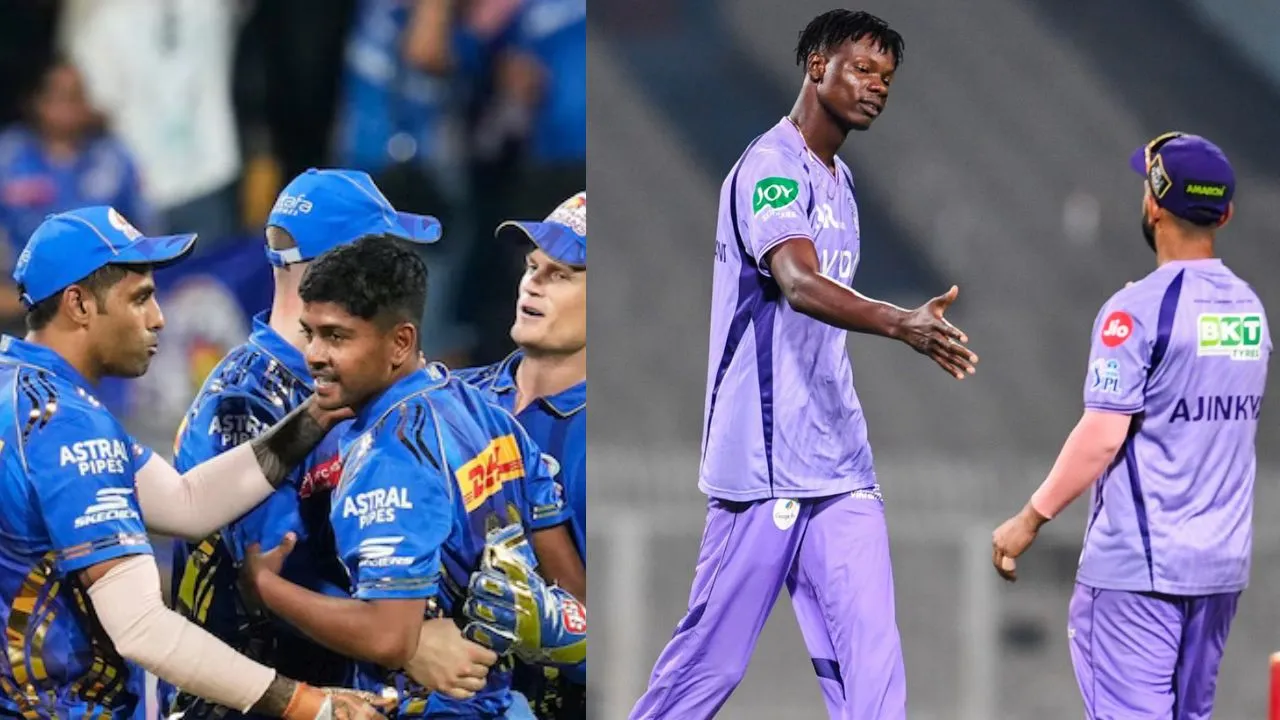
MI vs KKR Match 2 Preview: Free Live Streaming, Pitch & Weather Report, Head-to-Head | IPL 2026
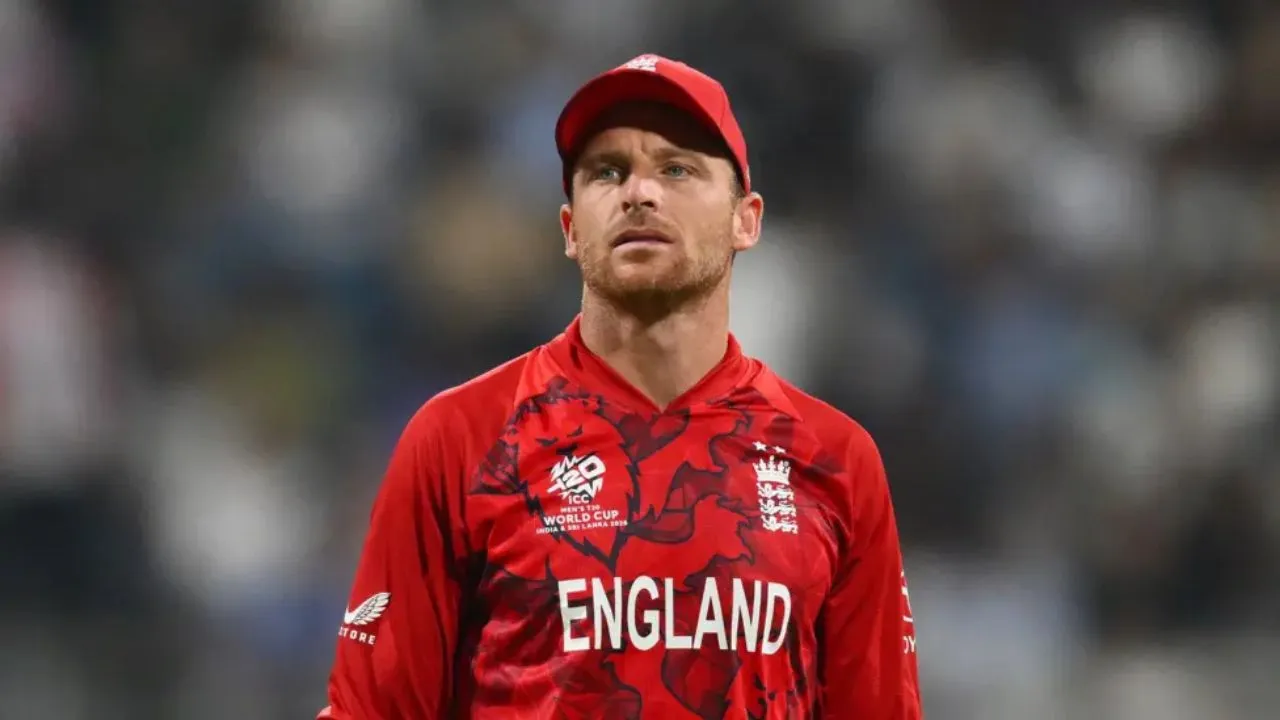
Not English cricket! Jos Buttler credits IPL for his success as a cricketer

“Nitish Kumar Reddy is biggest fraud”: Fans fume as SRH star fails vs RCB in IPL 2026 opener
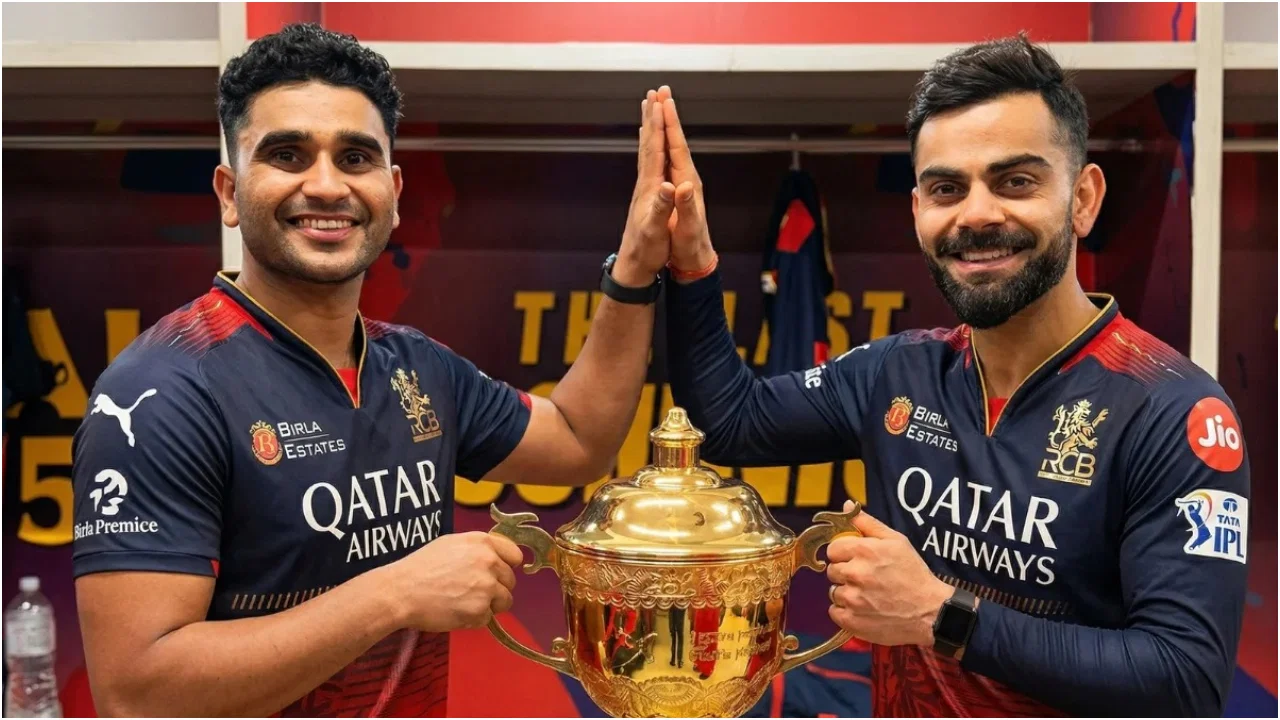
Who is Abhinandan Singh? The Virat Kohli troublemaker who made his IPL debut for RCB vs SRH
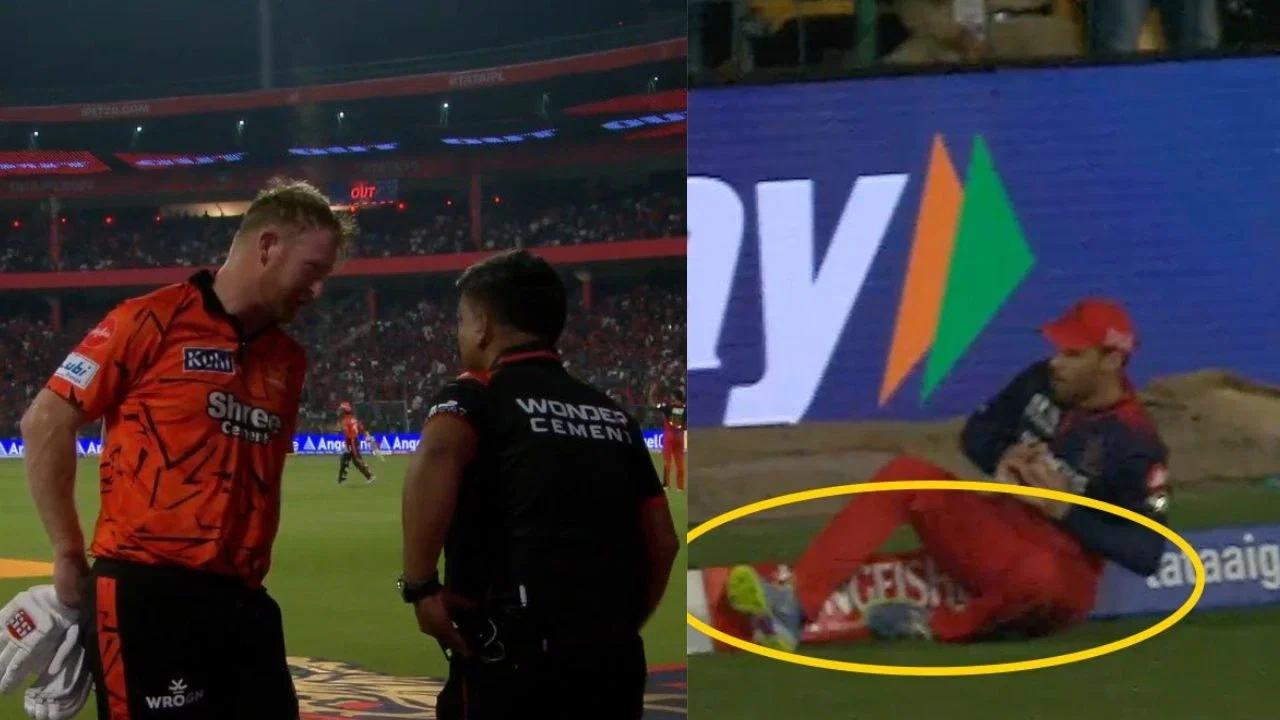
Heinrich Klaasen engages in heated chat with 4th umpire after Phil Salt’s controversial catch in IPL 2026
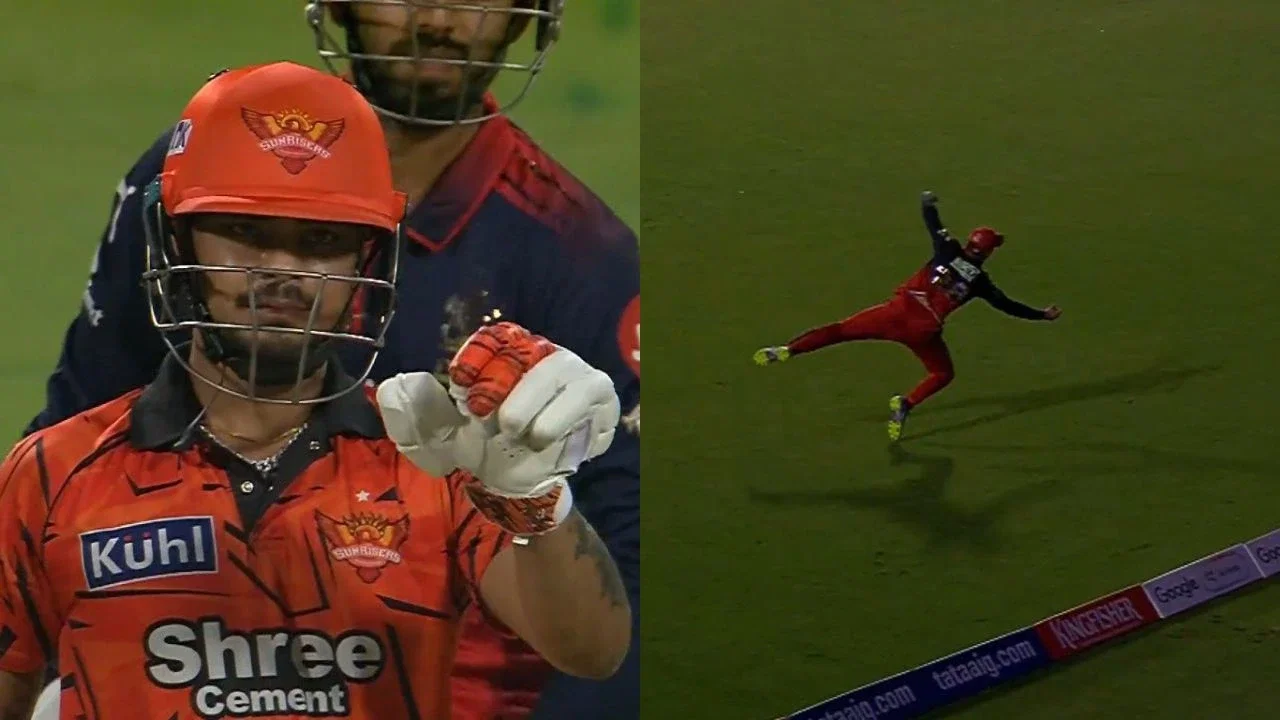
Phil Salt grabs one of the greatest catches in IPL history to dismiss Ishan Kishan