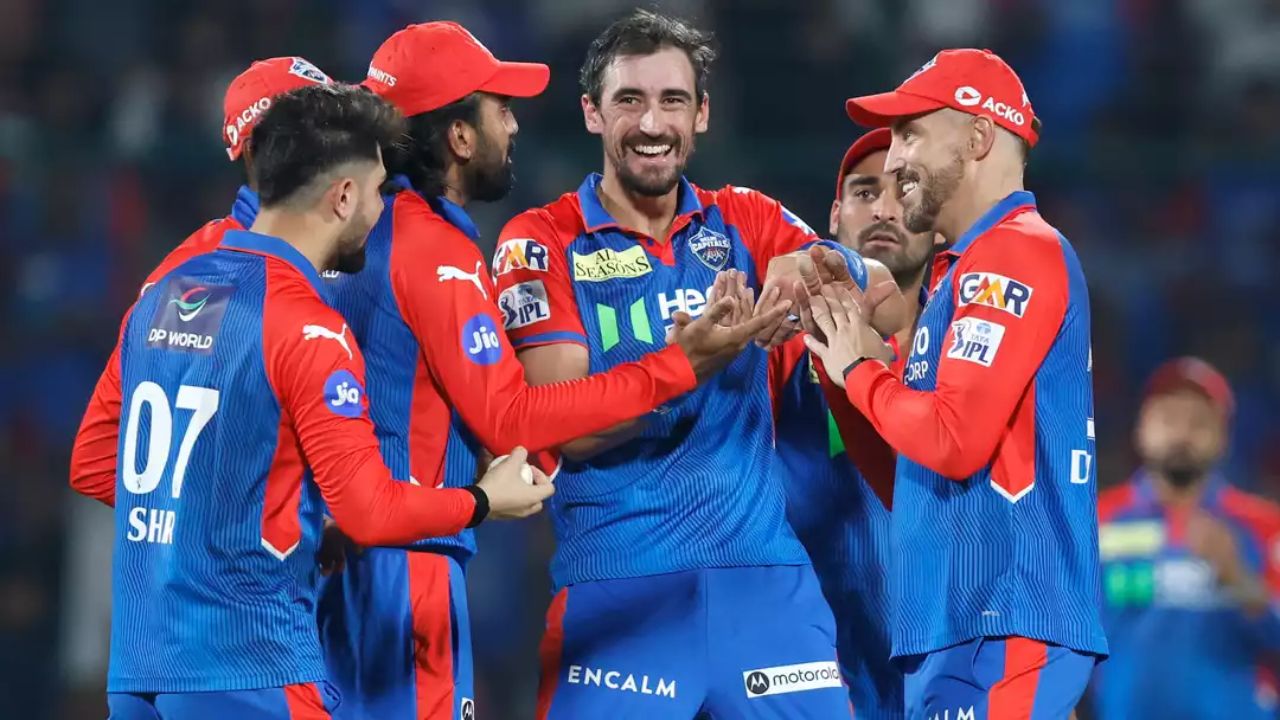
Gautam Gambhir defended over India’s Test disaster as 2011 World Cup winner exposes BCCI’s system failure
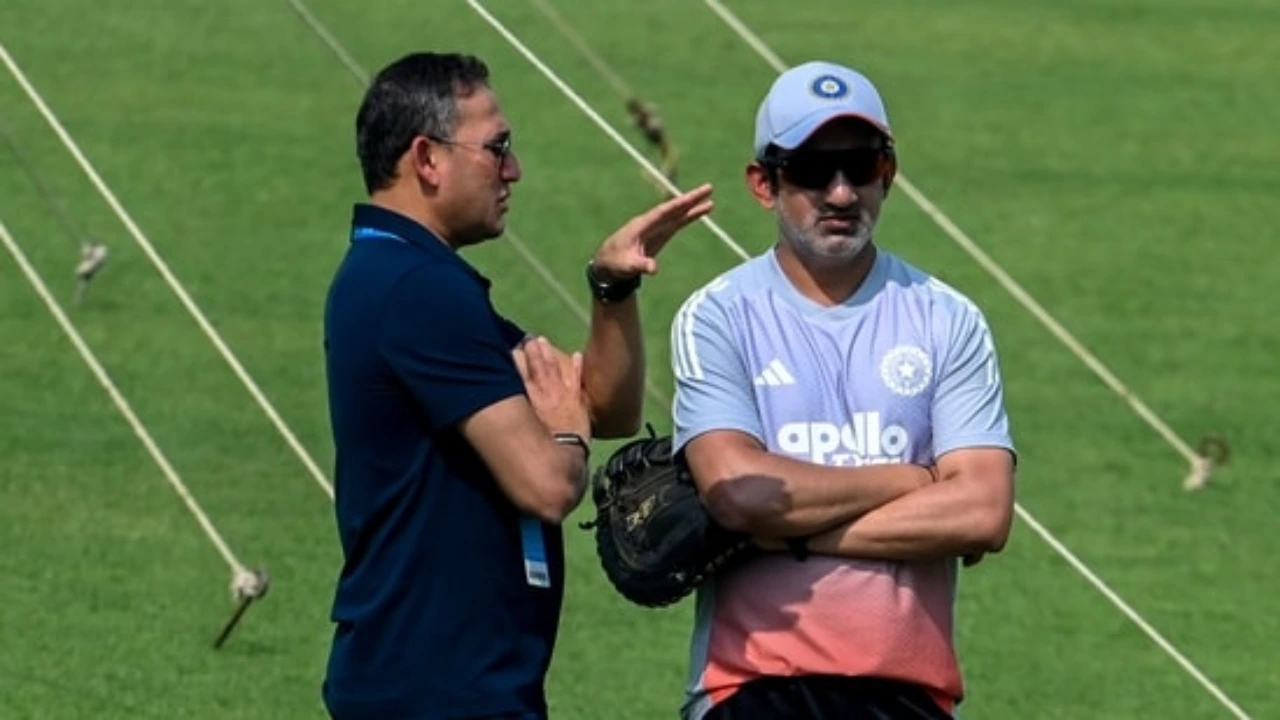
Former Indian Fast Bowler Munaf Patel Speaks Out on India’s Test Cricket Struggles
Former Indian fast bowler Munaf Patel recently shared his insights on the challenges facing India’s Test cricket team, particularly under the leadership of head coach Gautam Gambhir. Despite the team’s recent struggles both at home and away, Patel refused to solely blame Gambhir for the disappointing performances.
Alarming Test Record Under Gautam Gambhir
Since Gautam Gambhir took over as India’s head coach, the team has managed to win only one Test series against the West Indies at home. Out of 19 Test matches under Gambhir’s leadership, India has won only 7 games, with two matches ending in a draw. This decline in form has raised concerns among fans and experts alike, especially considering India’s reputation as one of the strongest Test teams in the world in the past.
India’s struggles were highlighted by their recent series losses at home against New Zealand and South Africa, where they were defeated 3-0 and 2-0, respectively. These results came as a shock to many, given India’s previous success in reaching World Test Championship finals in recent years.
Munaf Patel’s Perspective
During a podcast interview on Breaking Sports with Vivek Sethia, Munaf Patel defended Gautam Gambhir, emphasizing the coach’s unique cricketing perspective and past successes as a player and captain. Patel shifted the blame from Gambhir to the Board of Control for Cricket in India (BCCI), questioning the player preparation process for home conditions and highlighting the lack of experience in the current Indian Test team.
Patel pointed out that the current Indian players lack exposure to playing on turning pitches in domestic cricket, a stark contrast to the conditions that helped earlier generations develop strong footwork and patience. The former bowler criticized the BCCI for changing pitch regulations in domestic cricket, resulting in a decline in the players’ ability to handle spin effectively.
System Failure, Not Coaching Problem
While acknowledging Gambhir’s role in guiding and planning for the team, Patel stressed that the coach cannot be held responsible for individual performances on the field. He expressed disappointment over the unfair targeting of Gambhir for India’s Test struggles, emphasizing that the issue lies within the system and player preparation rather than coaching.
Patel concluded by highlighting the success of the Indian team in limited-overs formats due to consistent pitch conditions, contrasting it with the challenges faced in Test matches on varying pitches. He defended Gambhir’s coaching abilities, citing his past achievements and contributions to the team’s success in ICC events.
In conclusion, Munaf Patel’s insights shed light on the complexities behind India’s Test cricket struggles and the need for a holistic approach to address the challenges faced by the team. While coaching plays a crucial role, systemic reforms and enhanced player preparation are essential to revive India’s dominance in Test cricket.
The Importance of Prediction and Analysis in Test Cricket
In the world of Test cricket, prediction and analysis play a crucial role in determining a team’s performance. Understanding the conditions, pitch behavior, and opposition strengths are essential factors that can impact the outcome of a match. Prediction in cricket involves assessing the situation, adapting strategies, and making informed decisions based on various factors. As former Indian fast bowler Munaf Patel highlighted the challenges faced by the Indian Test cricket team, it becomes evident that accurate prediction and analysis are vital for success.
Challenges Faced by Indian Test Players
One of the key challenges faced by Indian Test players, as pointed out by Munaf Patel, is the lack of exposure to playing on turning pitches in domestic cricket. In the past, Indian players honed their skills by playing in challenging conditions that demanded strong footwork and patience. However, with changing pitch regulations in domestic cricket, players today may not have the same level of experience in handling spin effectively. This lack of exposure can result in difficulties when playing on turning tracks, leading to struggles in Test matches.
Moreover, the transition from limited-overs cricket to Test cricket poses its own set of challenges. The longer format requires a different mindset, patience, and technique, which may not always align with the aggressive style of play seen in shorter formats. Players need to adapt their game and approach based on the demands of Test cricket, which can be a daunting task for those accustomed to the fast-paced nature of T20 or ODI matches.
The Role of Coaching in Test Cricket
While coaching undoubtedly plays a significant role in preparing a team for Test matches, it is essential to recognize that individual performances on the field ultimately determine the outcome of a game. Coaches like Gautam Gambhir can provide guidance, strategies, and support to players, but it is up to the individuals to execute their skills effectively during a match. The coach’s role extends beyond just tactical planning; they also serve as mentors, motivators, and facilitators of player development.
Coaching in Test cricket involves a deep understanding of the game, player psychology, and opposition analysis. Coaches must work closely with players to identify strengths, weaknesses, and areas for improvement. They play a crucial role in building team morale, fostering a positive team culture, and instilling a sense of unity among players. A successful coach can inspire confidence in the team and create an environment conducive to growth and success.
Future Prospects for Indian Test Cricket
As India looks to address its Test cricket struggles, a multi-faceted approach is required to revive the team’s performance. Systemic reforms, enhanced player preparation, and a focus on prediction and analysis are key areas that need attention. By providing players with the necessary exposure to different conditions, strengthening the domestic cricket setup, and instilling a Test-centric mindset, India can work towards reclaiming its dominance in the longest format of the game.
While challenges exist, opportunities for growth and improvement also abound. With the right guidance, support, and a collective effort from players, coaches, and administrators, India can overcome its Test cricket hurdles and emerge stronger on the international stage. The path to success may be challenging, but with a strategic approach and a commitment to excellence, India’s Test cricket team can achieve great heights in the years to come.
By delving deeper into the intricacies of Test cricket challenges, the significance of prediction, and the role of coaching, it becomes evident that a holistic approach is required to address India’s Test cricket struggles effectively. Through continuous learning, adaptation, and a collective effort, India can navigate the complexities of Test cricket and emerge as a formidable force in the global arena.
Latest News
Yograj Singh makes blunt remark at Virat Kohli and Rohit Sharma over early retirement calls
Bhuvneshwar Kumar on brink of IPL history, needs two wickets for massive milestone
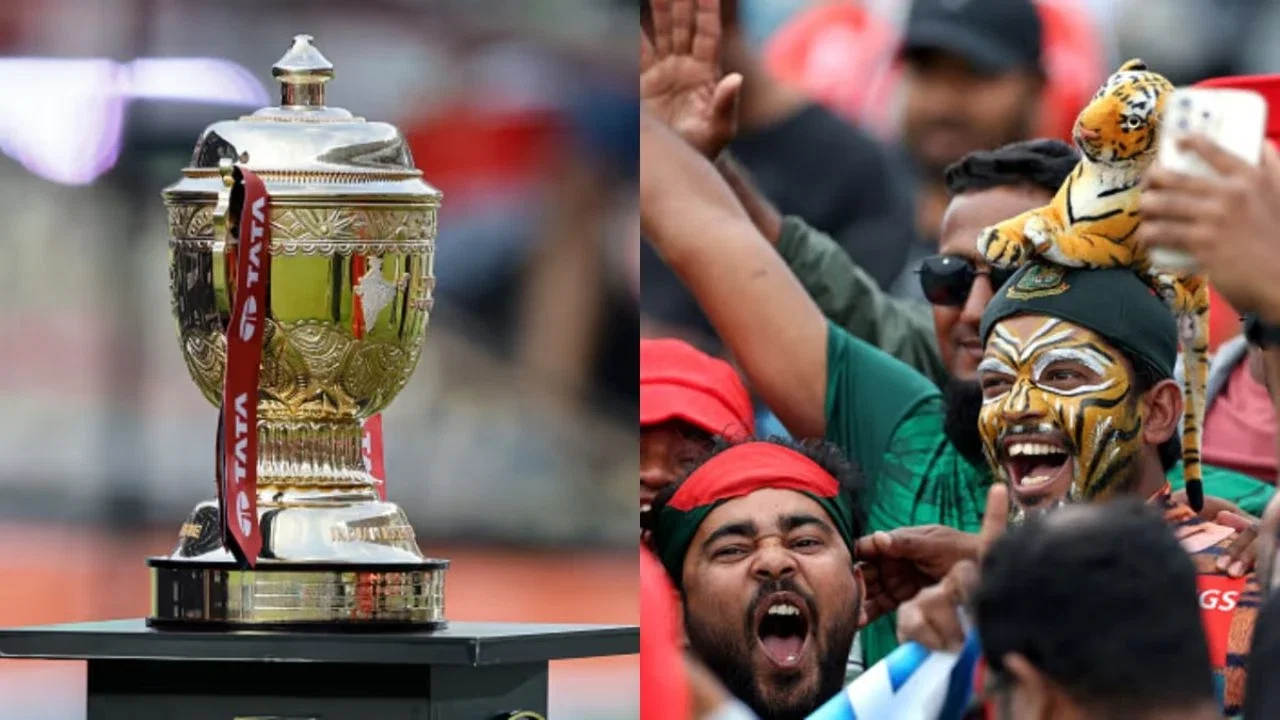
IPL to be broadcasted? Bangladesh government drops massive update on IPL broadcast ban

SRH fans to boycott IPL? Former India cricketer shares insights on social media drama around Abrar Ahmed
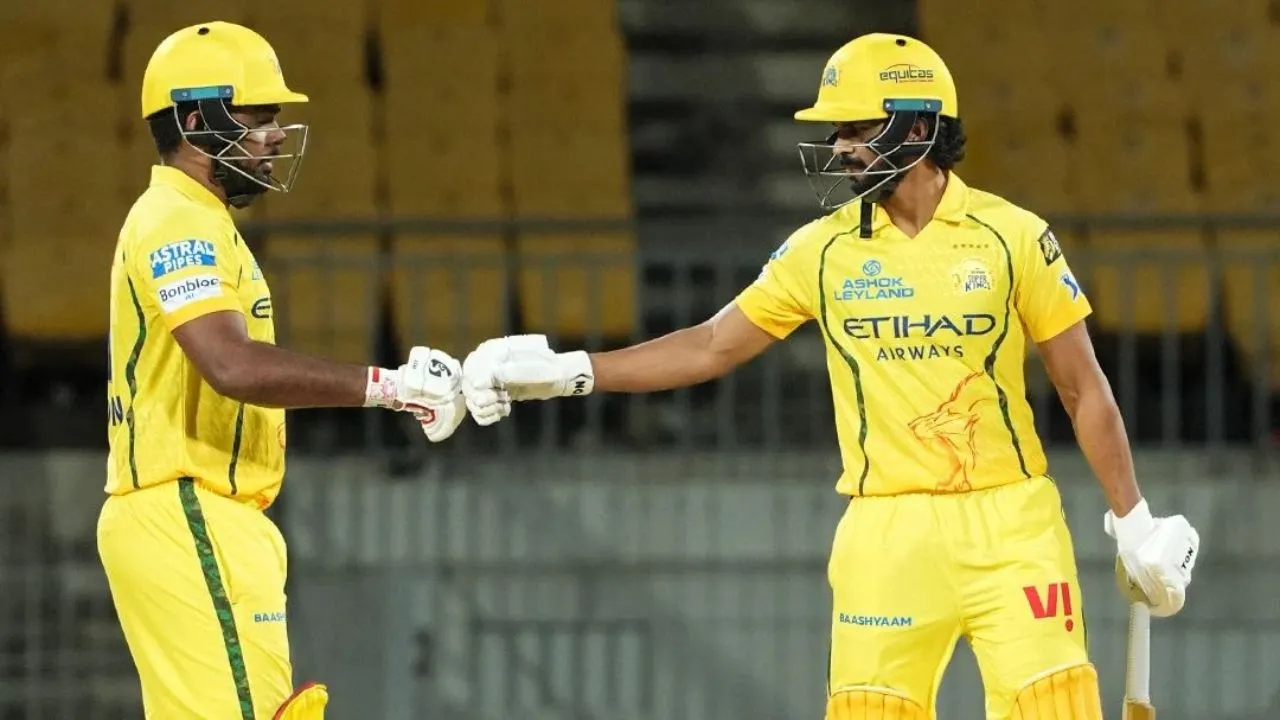
“Explore this opportunity”: Ruturaj Gaikwad shares inside story of convincing Sanju Samson to join CSK
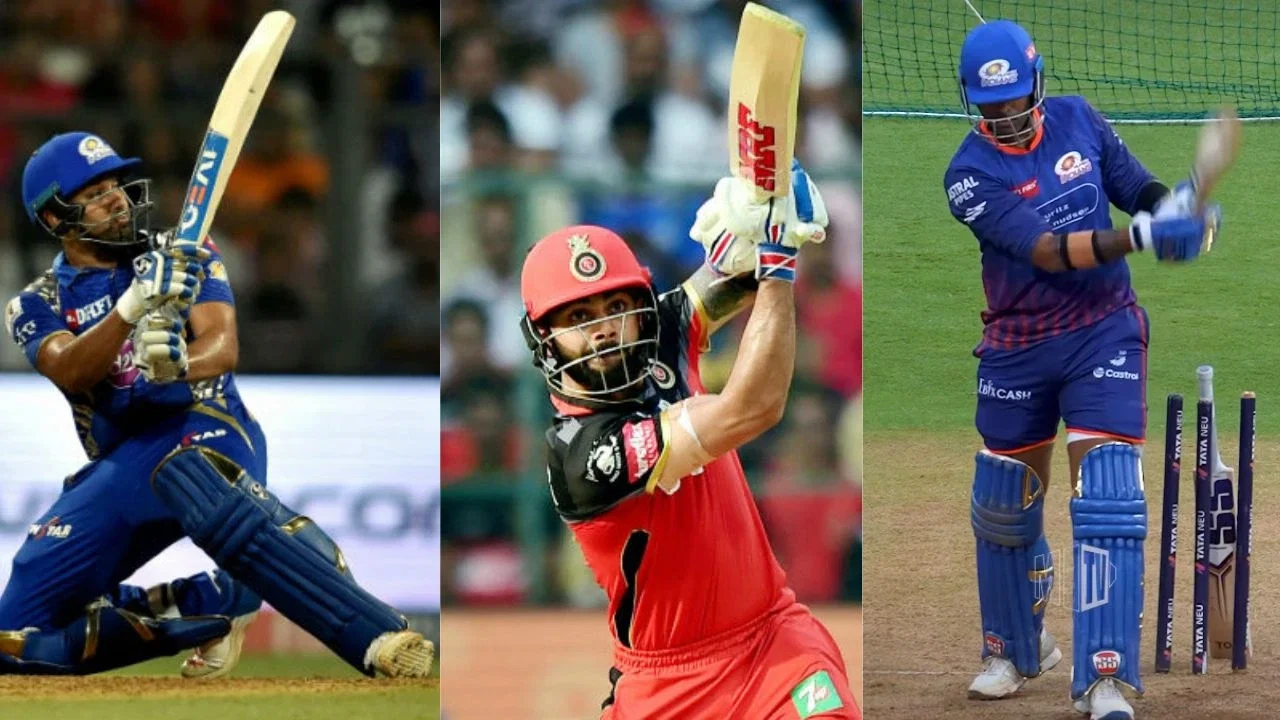
KKR pacer snubs Rohit Sharma, Virat Kohli, picks MI star as most difficult batter he’s bowled to
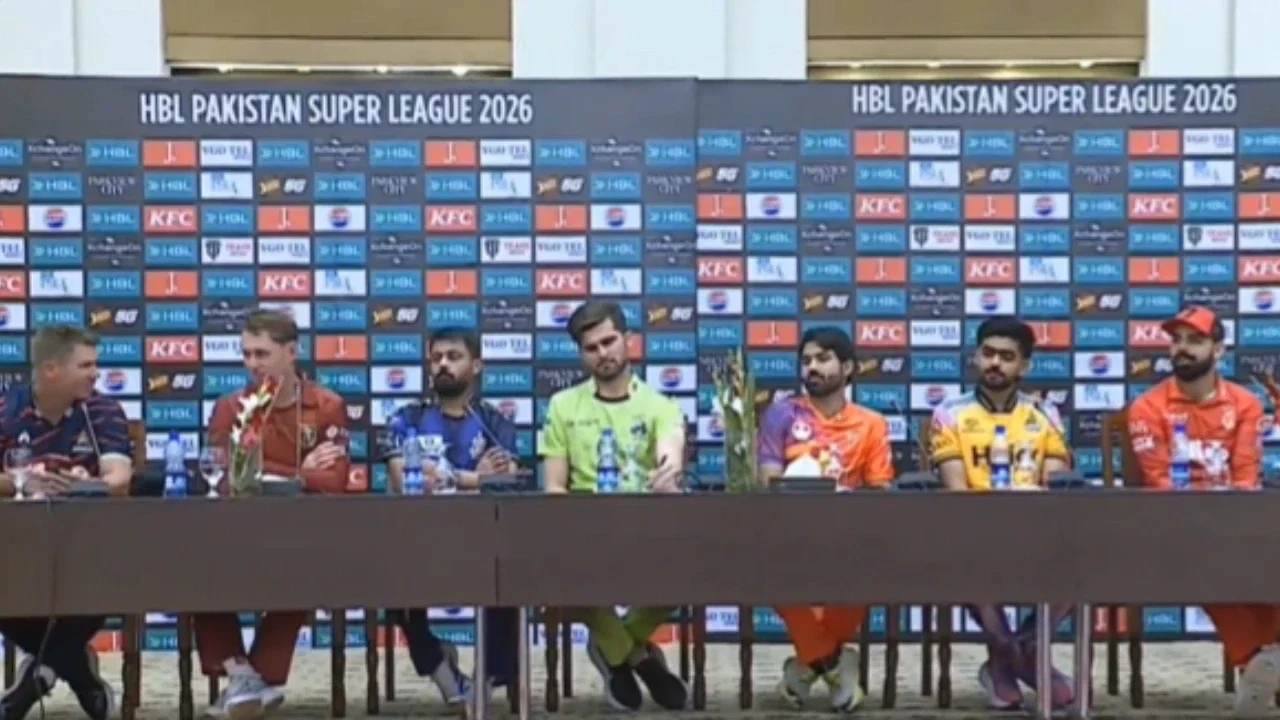
PSL drama erupts! Pakistan great blasted for “lack of manners” after embarrassing ex-England star
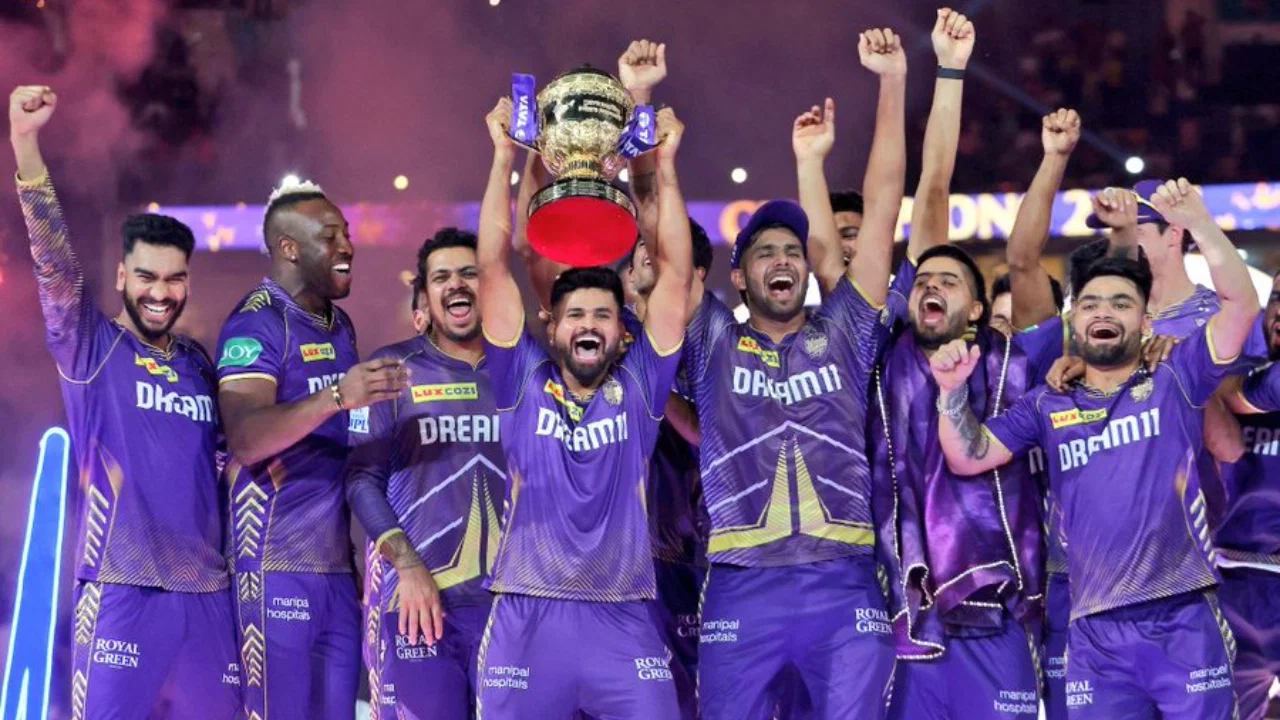
“2024 mein woh underrated the” – Vaibhav Arora on Shreyas Iyer not getting credit for KKR title win
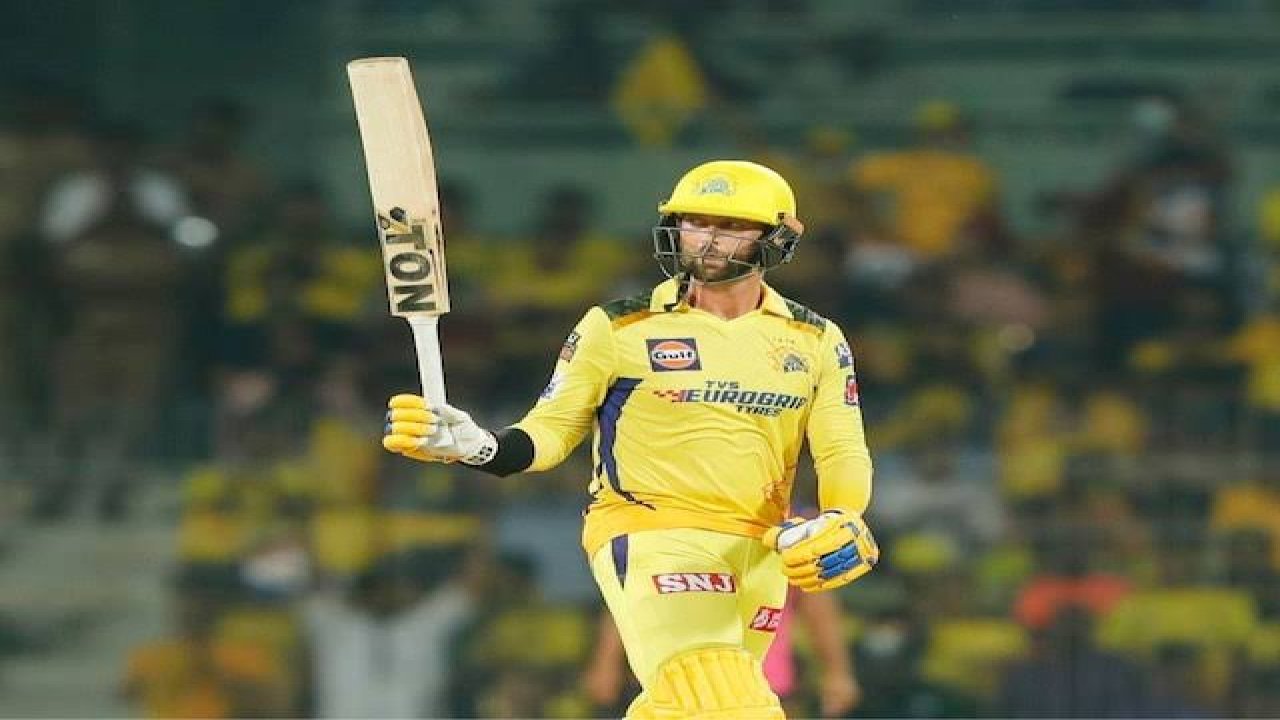
Devon Conway settles IPL vs PSL debate once and for all
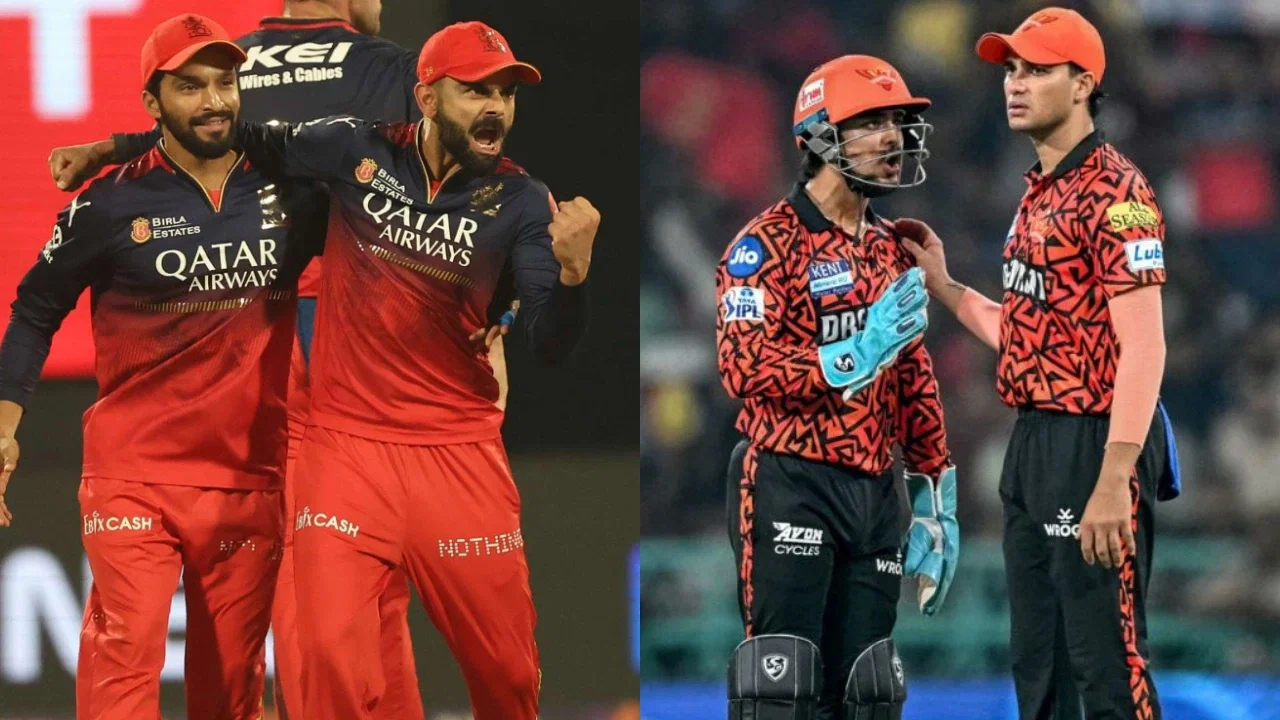
Ex-CSK star’s shocking claim on RCB vs SRH match ahead of IPL 2026
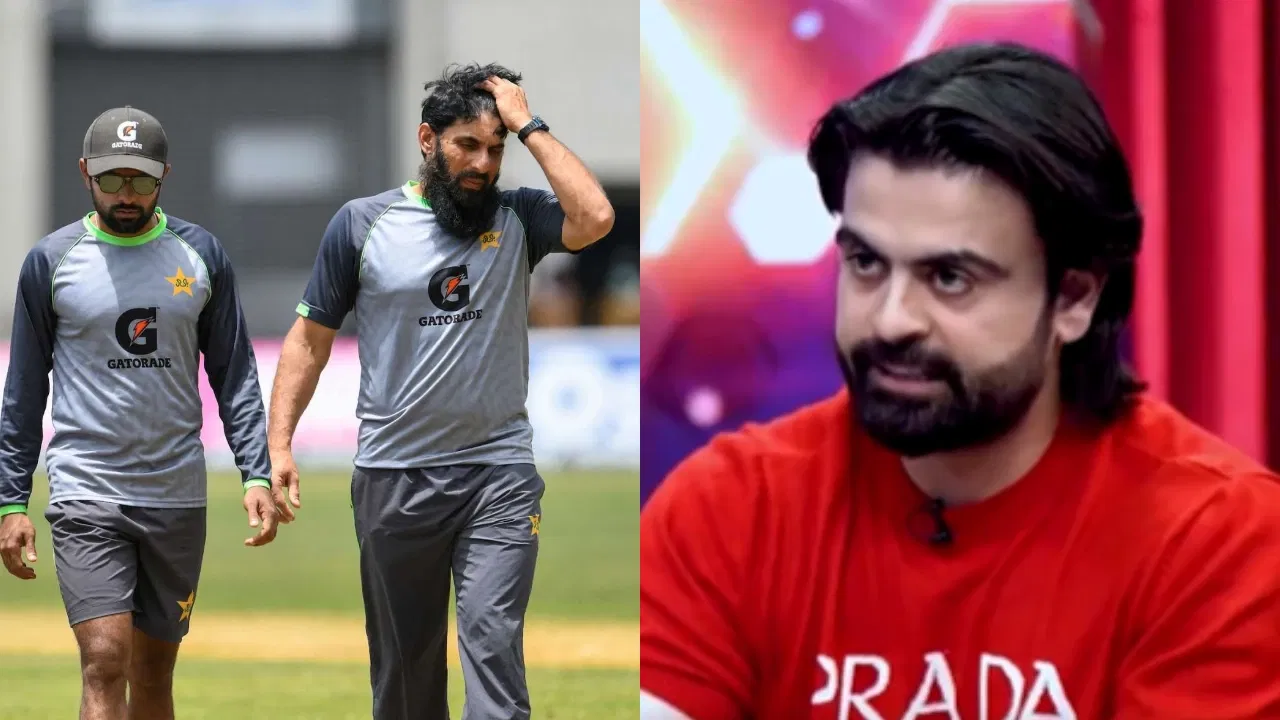
Misbah-ul-Haq takes legal action against Ahmed Shehzad over defamation claims

Naseem Shah charged with central contract violation during PSL 2026
MS Dhoni out of IPL 2026, has not recovered from calf strain
Jasprit Bumrah set to lead MI attack in blockbuster IPL 2026 clash vs KKR