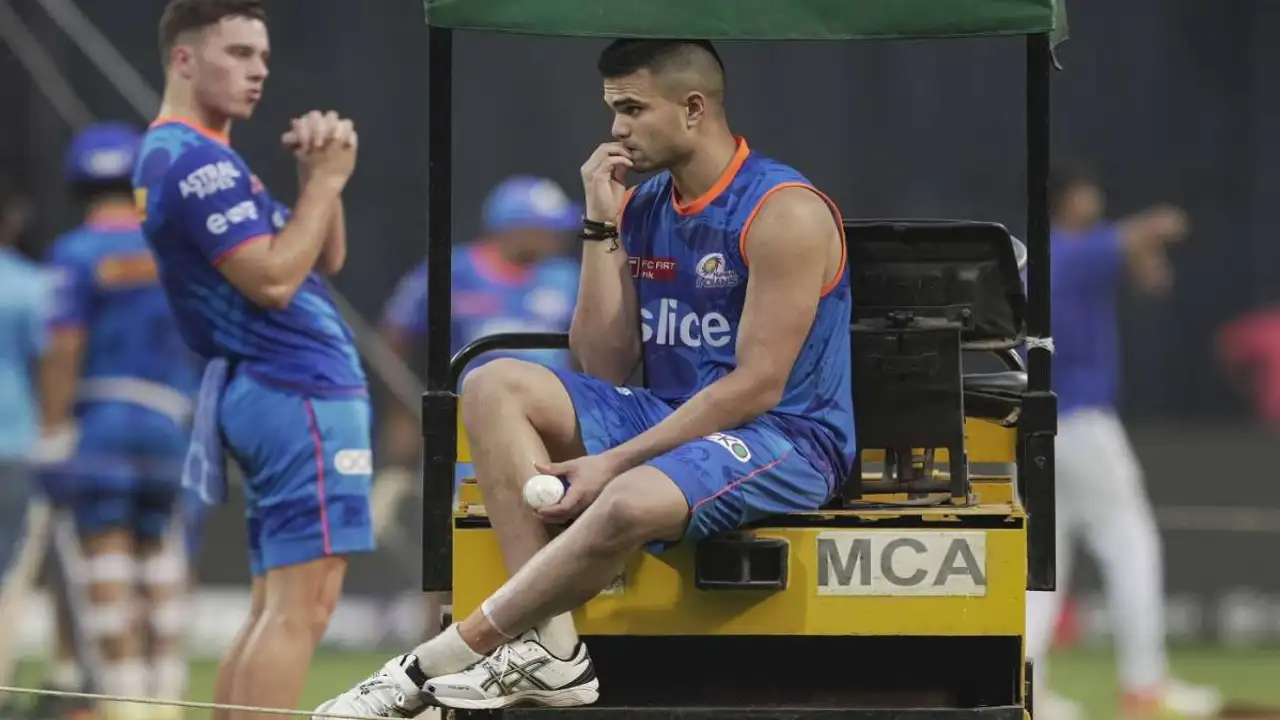
Gautam Gambhir held liable for no-handshake controversy, action demanded from India teammate
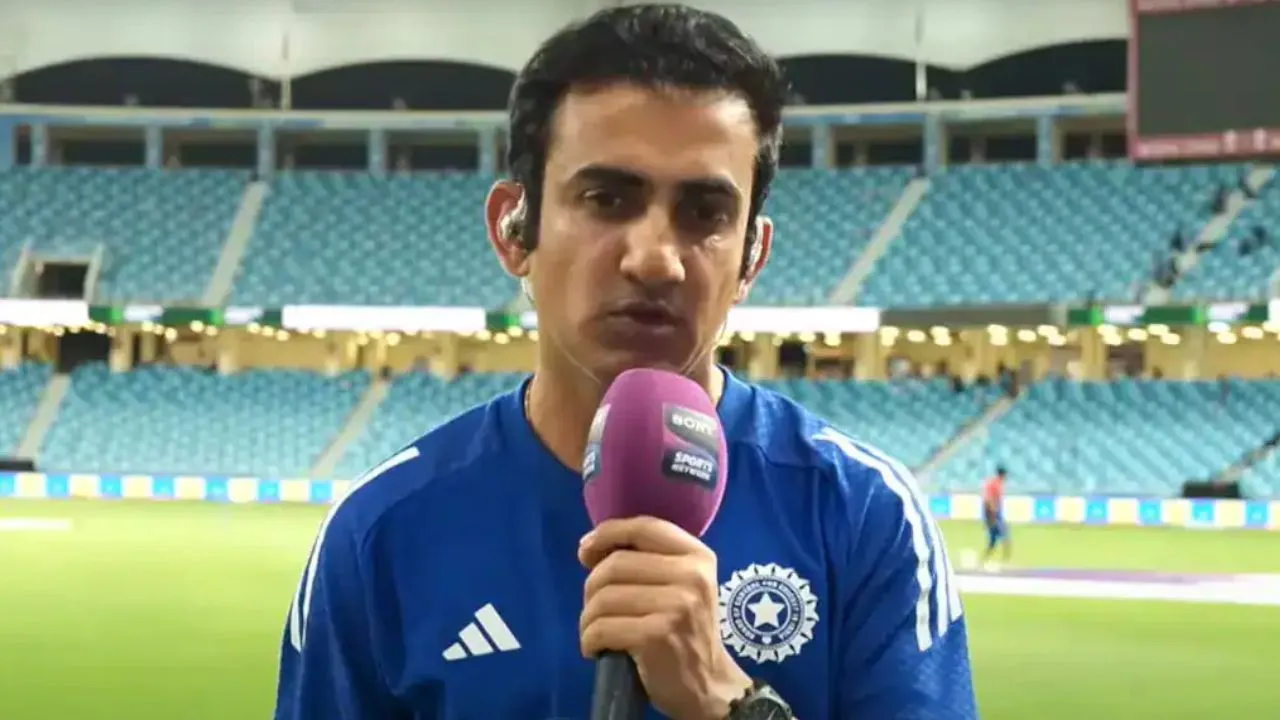
Former India Batsman Manoj Tiwary Criticizes Gautam Gambhir Over Handshake Controversy
The recent handshake controversy during the match between India and Pakistan in the ongoing Asia Cup 2025 has sparked a heated debate within the cricketing community. Former India batsman Manoj Tiwary has now joined the discussion, calling out his former teammate Gautam Gambhir for what he perceives as hypocrisy.
The Handshake Incident
India’s victory over Pakistan was overshadowed by the decision of the Indian players, led by captain Suryakumar Yadav, to refrain from participating in the customary post-match handshake tradition. From the toss until the end of the match, the Indian players did not engage in any handshakes with the Pakistani contingent.
At the toss, Suryakumar snubbed Pakistan captain Salman Agha, setting the tone for the rest of the match. After hitting the winning six, Suryakumar and his teammate Shivam Dube walked off the field without acknowledging the opposition players. The Pakistani players attempted to approach the Indian dugout for the post-match handshakes but were once again ignored. In response, Salman Agha did not appear at the post-match presentation ceremony.
Manoj Tiwary’s Criticism
Manoj Tiwary, known for his strained relationship with Gautam Gambhir, expressed his disapproval of the Indian team’s decision to skip the handshakes. Tiwary highlighted Gambhir’s previous stance on not playing against Pakistan until certain issues were resolved, suggesting that avoiding handshakes with Pakistani players was contradictory to that position.
“When you have decided to play the game against Pakistan… and also over there (during the press conference), Surya did shake hands with Salman Agha, so when you have already shaken hands… then what are the messages you want to show to the people of India?” Tiwary told Inside Sport.
Speculating on the motives behind the decision, Tiwary suggested that the pressure from social media backlash and calls to boycott the match due to recent events may have influenced the Indian team’s actions. He hinted that the head coach may have felt compelled to show support for grieving families, leading to the controversial move of avoiding handshakes.
India’s Victory
Despite the controversy, India emerged victorious against Pakistan, securing their spot in the Super 4s. They will face Oman in their final group stage match as they continue their quest for the Asia Cup title.
Manoj Tiwary’s criticism of Gautam Gambhir and the Indian team’s decision not to engage in handshakes with Pakistan has added another layer of complexity to an already contentious issue. As the debate rages on, it remains to be seen how this incident will shape future interactions between the two cricketing nations.
Implications of the Handshake Controversy
The decision of the Indian team to skip the post-match handshakes with Pakistan has wider implications beyond just a simple gesture of sportsmanship. In the current geopolitical climate, cricket matches between India and Pakistan are often seen as more than just sporting events. They carry the weight of historical tensions, political disputes, and national pride, further complicating what would otherwise be a friendly competition.
By choosing to forego the traditional handshake, the Indian team inadvertently made a bold statement, whether intentional or not. The move could be interpreted as a form of protest, a symbolic act of solidarity with the sentiments of a nation at a particular moment in time. It reflects the complexities and nuances of the relationship between the two neighboring countries, highlighting the intricacies of sports diplomacy.
Repercussions of Social Media Influence
The role of social media in shaping public opinion and influencing decisions in the world of sports has never been more apparent. Manoj Tiwary’s suggestion that social media backlash may have played a role in the Indian team’s decision underscores the power of online discourse in today’s interconnected world.
With fans, pundits, and even political figures voicing their opinions on various platforms, athletes and teams are under constant scrutiny and pressure to conform to certain narratives. The rise of cancel culture and calls for boycotts add another layer of complexity to sporting events, turning them into arenas for larger societal debates.
Gautam Gambhir’s Stand on Indo-Pak Matches
Manoj Tiwary’s criticism of Gautam Gambhir brings attention to the former cricketer’s well-known stance on India-Pakistan matches. Gambhir has been vocal about his belief that cricket matches between the two countries should not take place until fundamental issues are addressed, particularly in the context of cross-border terrorism.
Given Gambhir’s history of taking a principled stand on such matters, Tiwary’s comments highlight the perceived inconsistency in Gambhir’s approach. While it is essential to acknowledge the complexities of political and social issues intertwined with sports, Tiwary’s criticism raises questions about the need for consistency in actions and statements, especially when they can be perceived as contradictory.
Future of Cricketing Relations
As the cricketing world moves forward post the handshake controversy, there is a need for reflection and dialogue. While sporting events provide an opportunity for unity and celebration of talent, they also reflect the broader socio-political landscape in which they exist.
It will be crucial for cricketing authorities, players, and fans to navigate the sensitive terrain of India-Pakistan matches with nuance and empathy, understanding the complexities that go beyond the boundaries of the playing field. The handshake incident serves as a reminder of the power of sports to transcend borders, but also the challenges that come with it in a world where every action is scrutinized and analyzed.
As India progresses in the Asia Cup and gears up for future matches, the aftermath of the handshake controversy will continue to linger, prompting conversations about sportsmanship, diplomacy, and the role of cricket in shaping perceptions and relationships between nations.
The impact of the handshake controversy stretches far beyond the cricket pitch, reminding us of the intricate dance between sports, politics, and society, where every move carries consequences and sparks debates that reach far and wide.
Latest News
Harry Brook and Jacob Bethell punished after conduct probe by cricket regulator
Sanjiv Goenka engages in heated chat with LSG coaches after loss to DC
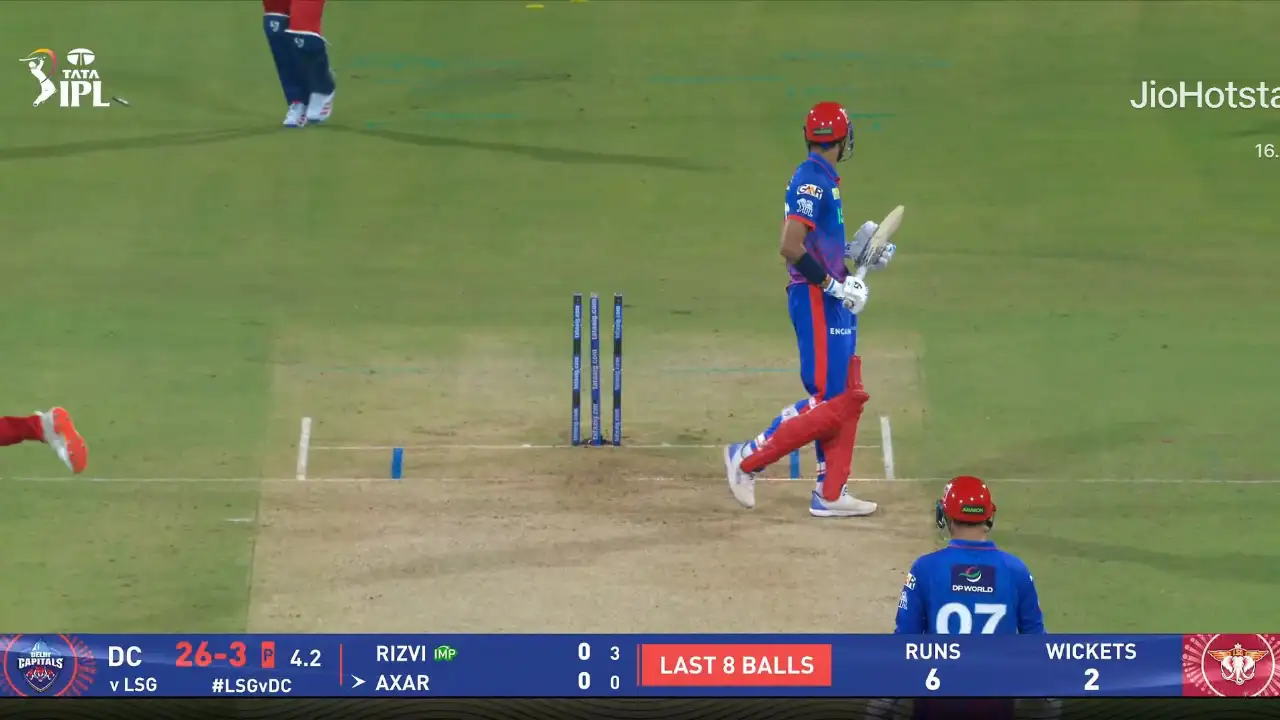
Axar Patel dismissed on ‘Golden Duck’ by Prince Yadav in LSG vs DC IPL 2026 clash
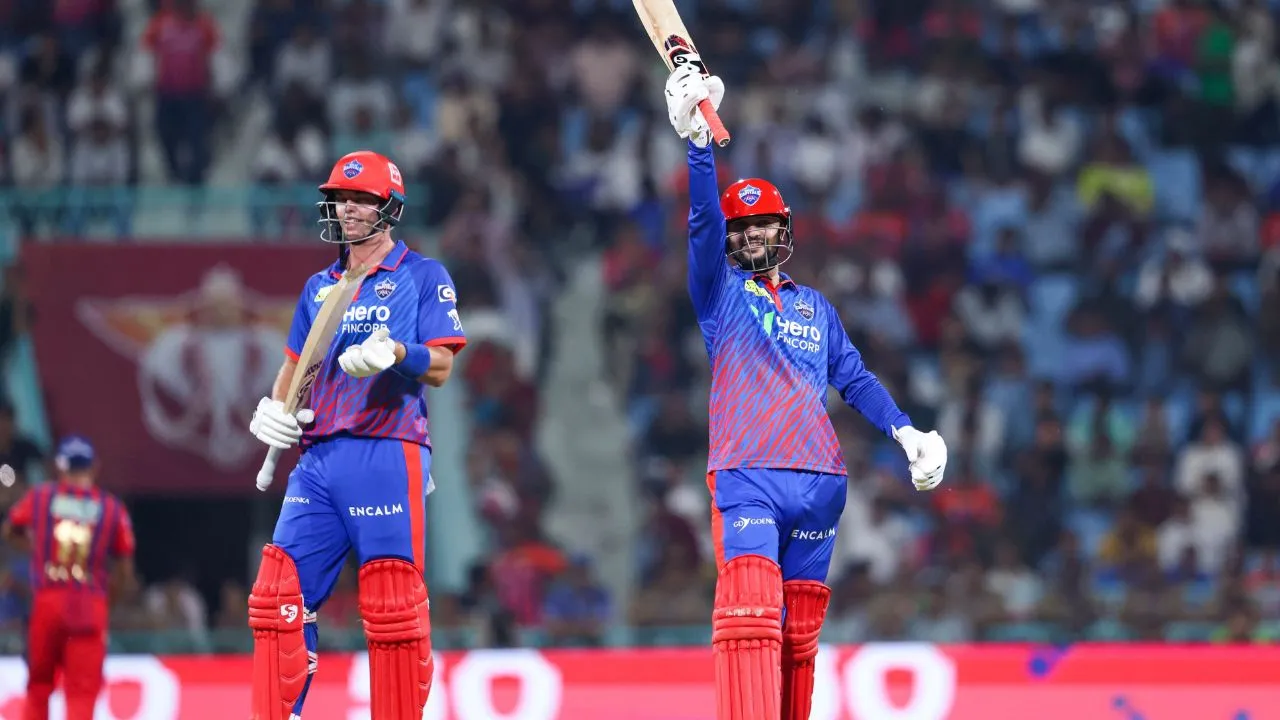
IPL Points Table 2026: Updated Standings, Orange Cap, Purple Cap After LSG vs DC Match 5
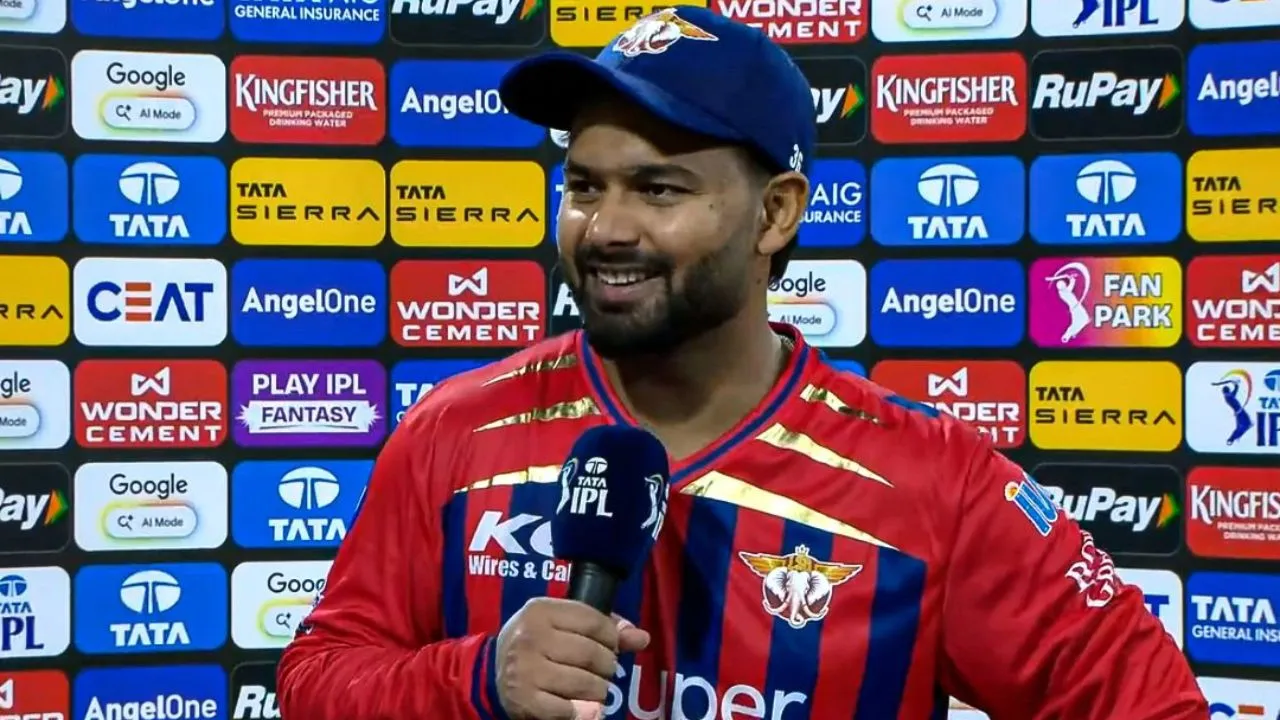
“We didn’t have enough”: Rishabh Pant takes responsibility after LSG’s batting failure in loss to DC in IPL 2026
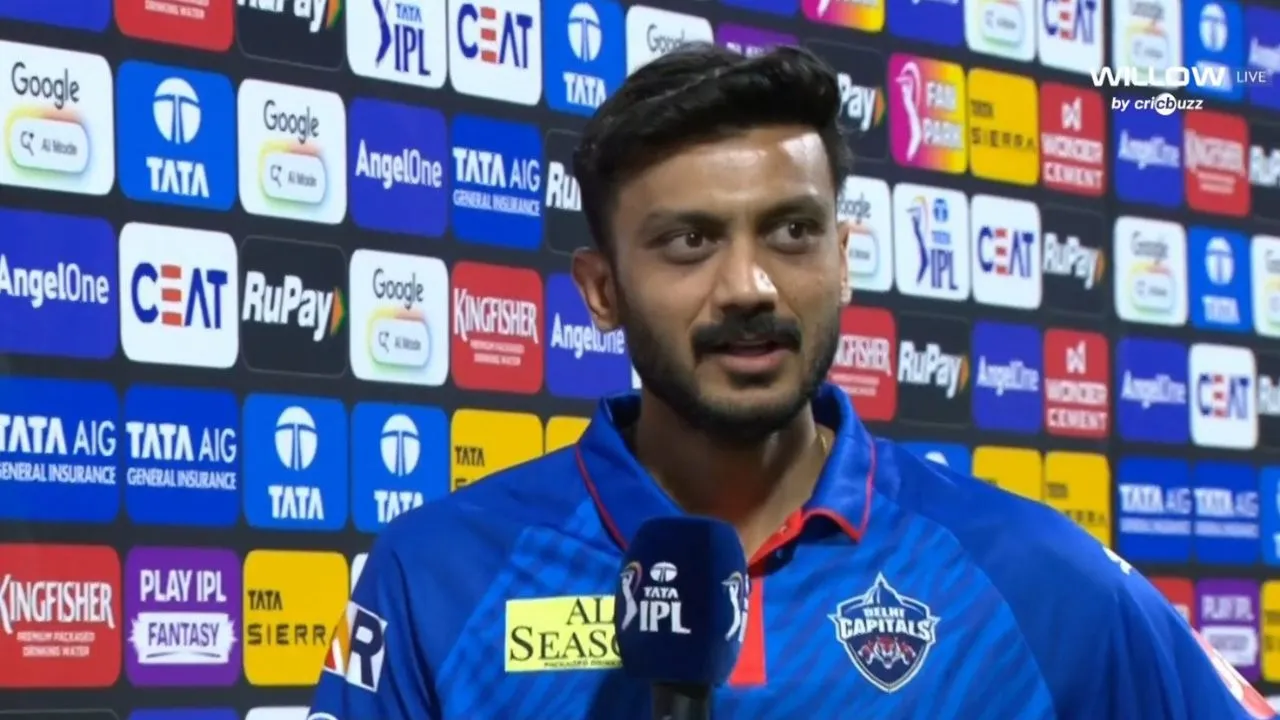
“Works hard on his game”: Axar Patel lauds Sameer Rizvi after match winning knock vs LSG
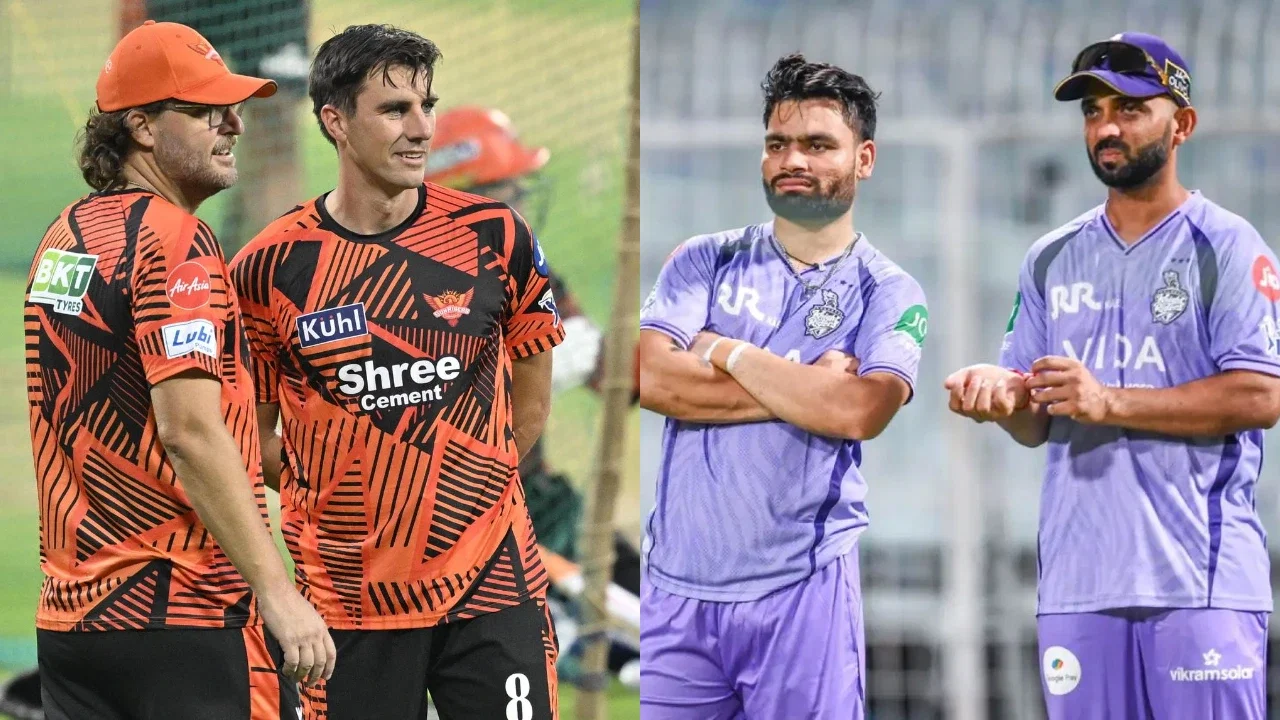
KKR vs SRH Match No. 6 Preview: Free Live Streaming, Pitch & Weather Report, Head-to-Head | IPL 2026
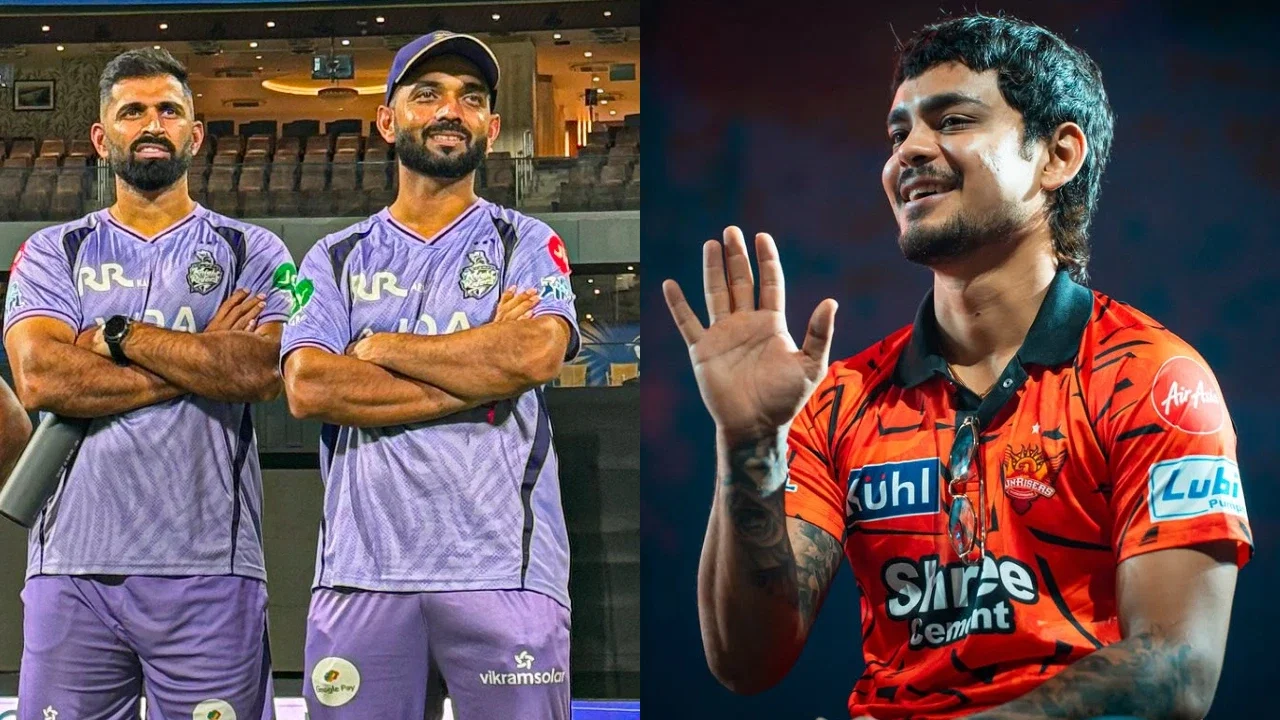
KKR Playing XI vs SRH Playing XI – Match No. 6 | IPL 2026
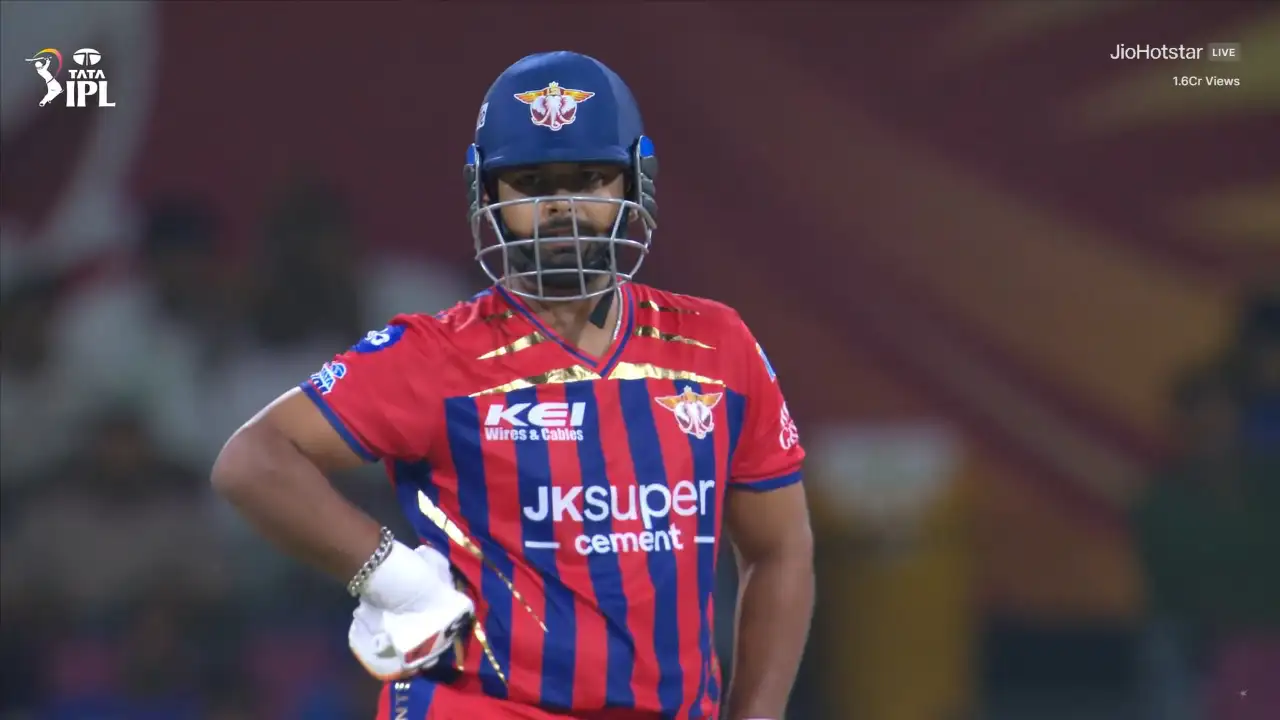
Rishabh Pant’s opening stint cut-short by run-out at non-striker’s end
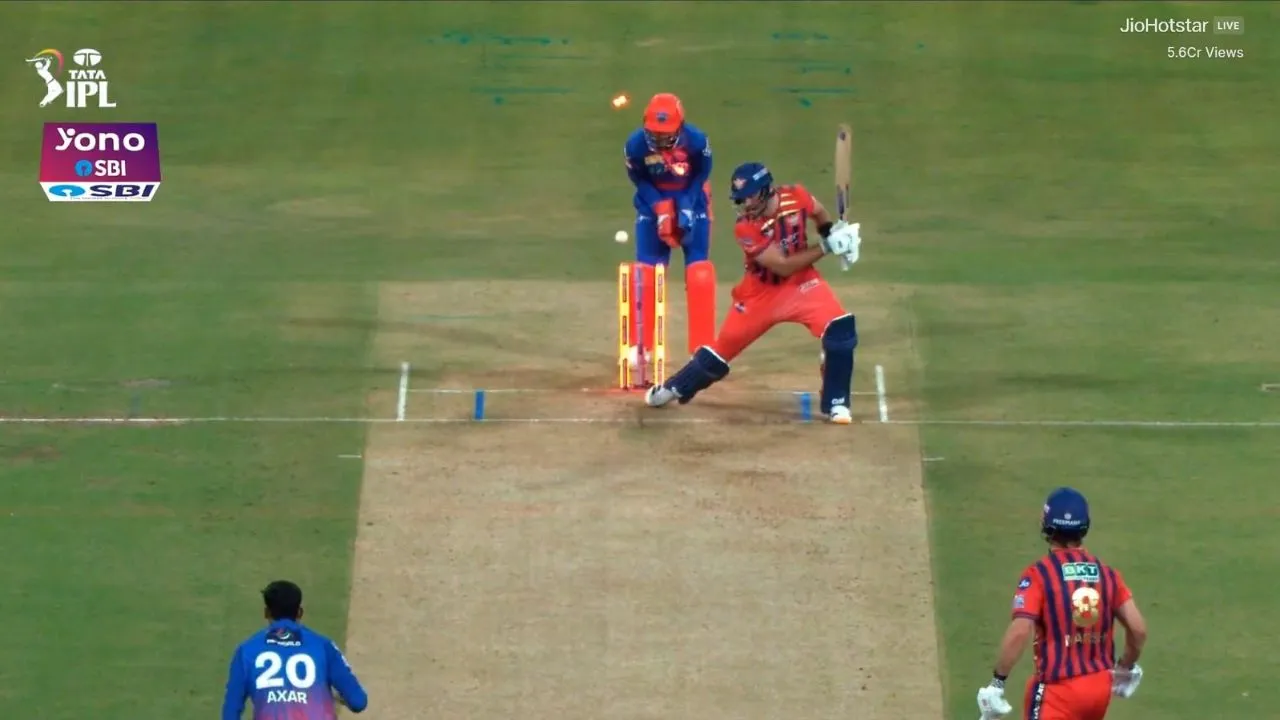
Axar Patel produces a peach to dismiss Aiden Markram in LSG vs DC IPL 2026 clash
Lungi Ngidi bamboozles Nicholas Pooran with stunning off-cutter in LSG vs DC IPL 2026 clash
Lungi Ngidi credits KKR mentor after amazing bowling display vs LSG in IPL 2026 clash
Mohammed Shami gets a dream start dismisses KL Rahul for a golden duck in LSG vs DC IPL 2026 clash
Vaibhav Sooryavanshi to share dressing room with Rohit-Kohli after IPL 2026, predicts ex-Pakistan star