Gautam Gambhir lodges official complaint with BCCI over Wankhede pitch in T20 World Cup 2026
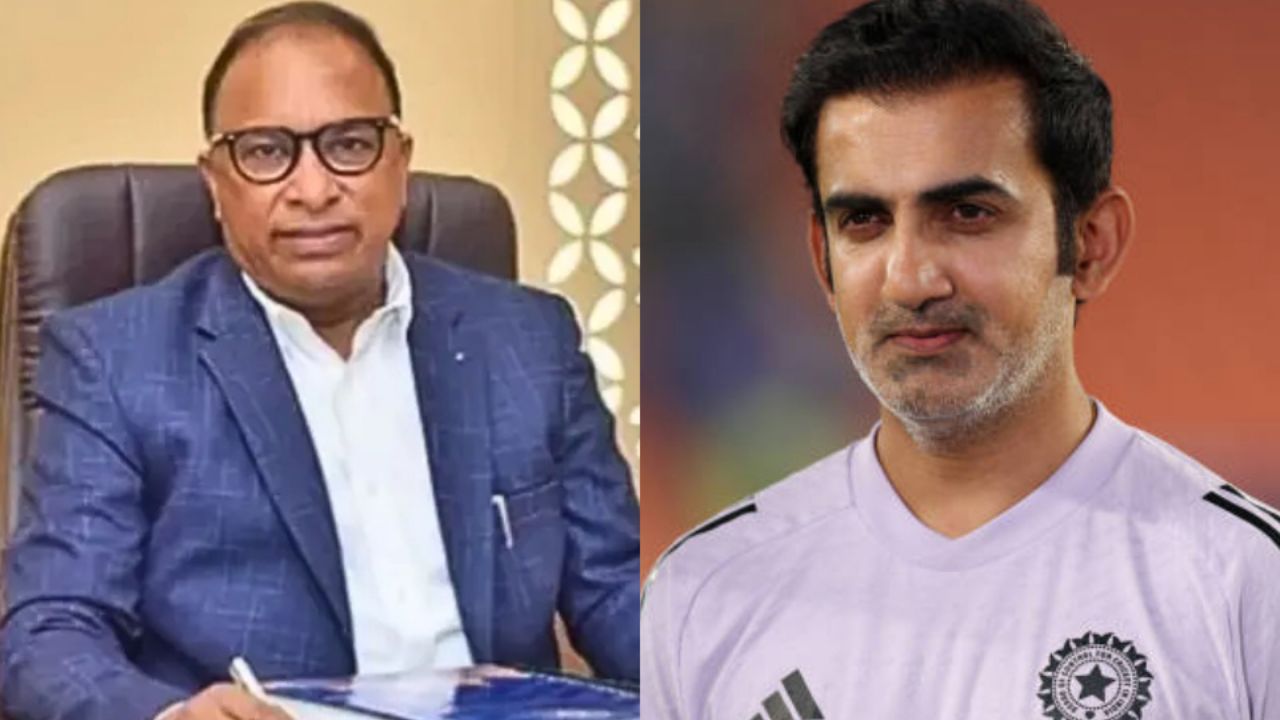
India Struggles on Tricky Wankhede Pitch: Gambhir’s Aggressive Strategy Tested
India faced a challenging time at the Wankhede Stadium in Mumbai due to the tricky pitch that offered unexpected grip for bowlers. The team, led by head coach Gautam Gambhir, known for his aggressive approach, found it difficult to execute their usual attacking game plan on such a surface.
A Change in Strategy Under Gambhir’s Leadership
After former coach Rahul Dravid stepped down following India’s T20 World Cup triumph, Gautam Gambhir took over as head coach. Under his leadership, the Indian team has adopted a more aggressive playing style across all formats, aiming to revolutionize their approach to the game.
While Gambhir is renowned for his expertise in the shortest format of the game, his strategies have faced challenges on certain pitches. Despite his success, it has become apparent that the new Indian side struggles to perform well on tracks that offer advantages to bowlers.
Displeasure Over Wankhede Pitch Conditions
During their ICC T20 World Cup title defence opener against the USA, India encountered unexpected challenges posed by the Wankhede pitch. The surface, known for high-scoring matches, behaved differently this time, offering grip and turn for spinners.
USA pacers took advantage of the conditions and managed to dismiss most of India’s top and middle order batsmen within the powerplay, leaving the team and head coach Gambhir dissatisfied with the track’s behavior.
Upcoming Matches and Challenges for Team India
India’s next matches in the T20 World Cup are scheduled against teams like Namibia, Pakistan, and the Netherlands at venues like New Delhi, Colombo, and Ahmedabad. Each venue presents its own set of challenges for the team.
The Arun Jaitley Stadium in Delhi is known for being a batting paradise, but it remains to be seen how India will fare on this pitch. Colombo’s R. Premadasa Stadium favors spin, potentially leading to a low-scoring thriller against Pakistan, while Ahmedabad’s Narendra Modi International Stadium promises another high-scoring encounter.
Adapting to Different Pitch Conditions
Former Indian wicket-keeper Deep Dasgupta emphasized the importance of India’s aggressive approach but also highlighted the need for adaptability. He noted that while the team excels in high-scoring games on flat pitches, they must be prepared to adjust their strategy based on the conditions.
Dasgupta pointed out that India has players capable of adopting a more cautious approach when needed, as demonstrated during challenging games like the Asia Cup. However, their comfort zone remains in high-scoring matches on favorable pitches.
As India continues their T20 World Cup campaign, the team faces the task of navigating different pitch conditions while balancing their aggressive playing style with adaptability to ensure success in the tournament.
The Role of Spinners in India’s Strategy
One key aspect that India may need to reconsider in their aggressive strategy under Gambhir’s leadership is the utilization of spinners. With the Wankhede pitch offering unexpected assistance to spin bowlers, India’s reliance on their pace attack may need to be reevaluated.
Spinners play a crucial role in subcontinental conditions, where pitches often favor slow bowlers due to the dry and dusty surfaces. In venues like Colombo, where spin is likely to dominate, India’s spinners such as Ravichandran Ashwin and Yuzvendra Chahal could prove to be instrumental in restricting opposition batsmen and picking up crucial wickets.
Impact of Weather on Pitch Behavior
Another factor that could influence India’s performance on different pitches is the weather conditions. Humidity, dew, and even the time of day can significantly affect how a pitch behaves during a match.
In venues like Ahmedabad, where dew is a common factor in evening matches, bowlers may struggle to grip the ball effectively, leading to challenges in executing their plans. India will need to adapt their strategies based on the weather forecast to maximize their chances of success on varying surfaces.
Pressure of Expectations on Team India
As a cricket-crazy nation, India carries the weight of high expectations from fans and pundits alike. The pressure to perform consistently and win tournaments can add an extra layer of complexity to the team’s challenges, especially when faced with unpredictable pitch conditions.
Gambhir and his coaching staff must strike a balance between maintaining the team’s aggressive mindset and managing the external pressures that come with representing a cricketing powerhouse like India. This delicate equilibrium will be crucial in guiding the team through the ups and downs of a competitive tournament like the T20 World Cup.
Building Mental Resilience for Success
In addition to adapting to pitch conditions and refining their strategies, India must also focus on building mental resilience within the team. The ability to bounce back from setbacks, stay composed under pressure, and maintain a positive attitude can be the determining factor in crucial moments of a match.
Players like Virat Kohli and Rohit Sharma, known for their mental fortitude and leadership qualities, will play a vital role in guiding the team through challenging times. Cultivating a strong team culture based on trust, communication, and belief in each other’s abilities can be the X-factor that propels India to success in the T20 World Cup.
Conclusion
In conclusion, India’s struggles on tricky pitches like the one at Wankhede Stadium highlight the need for a balanced approach that combines aggression with adaptability. As the team navigates through different venues and challenges in the T20 World Cup, they must leverage their strengths, address their weaknesses, and stay resilient in the face of adversity to emerge victorious in the tournament.
By fine-tuning their strategies, maximizing the contributions of spinners, understanding the impact of weather on pitch behavior, managing external expectations, and building mental resilience, Team India can enhance their chances of success and make a strong statement on the world stage.
Latest News
IPL 2026 second-half schedule announcement date revealed by BCCI secretary
LHQ vs HYDK Match Prediction, Pitch & Weather Report, Playing XIs, Head-to-Head, Free Live Streaming – PSL 2026 Match 1
Aditya Birla Group confirms NO NAME CHANGE plans after RCB takeover
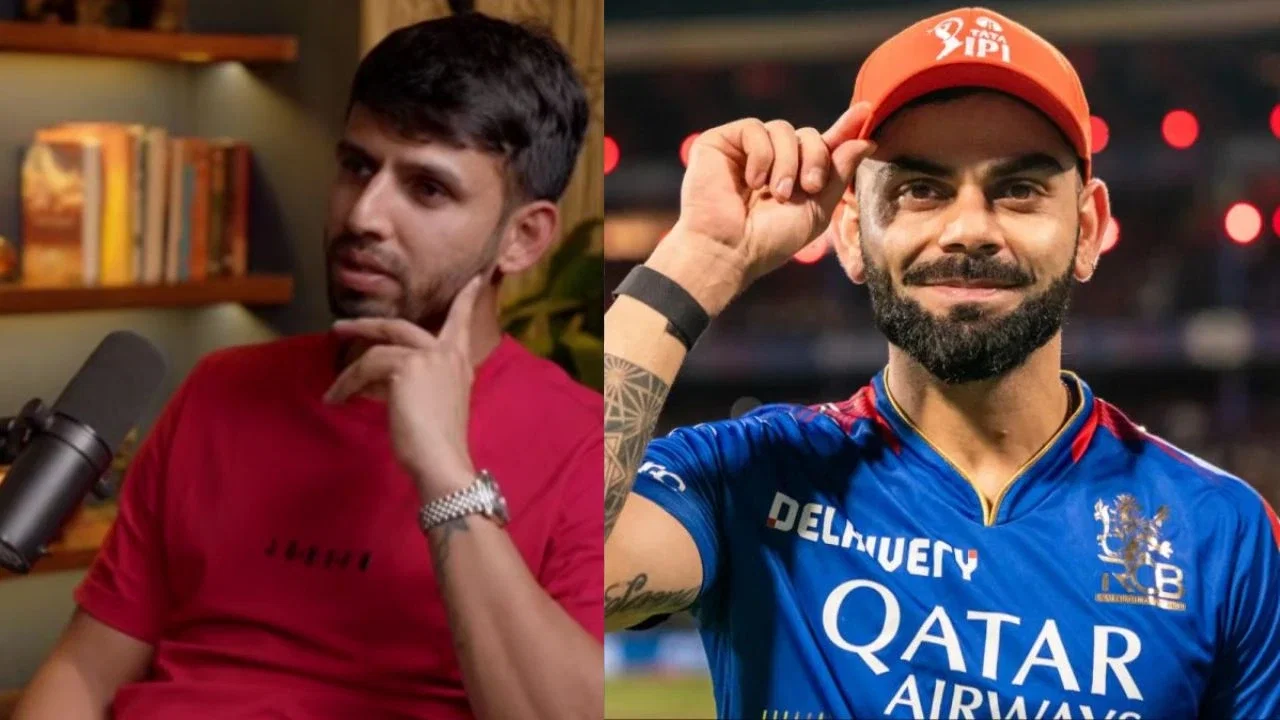
Virat Kohli will win Orange Cap: Jitesh Sharma makes bold IPL 2026 predictions

David Warner tears into Shaheen Afridi and Mohammad Rizwan at PSL captains’ press conference
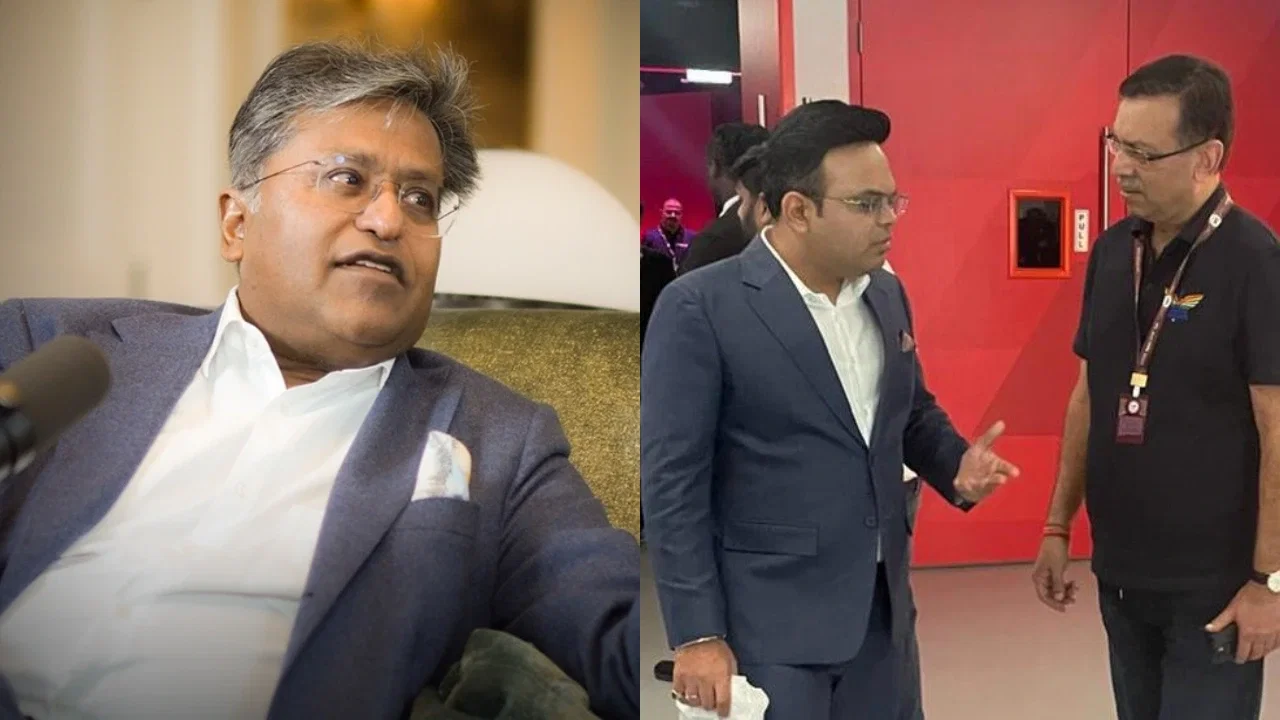
“Joker and Clueless”: Lalit Modi’s fiery attack on Sanjiv Goenka for his Jay Shah remark after RR–RCB mega sale
IPL 2026: BCCI scraps opening ceremony! Virat Kohli’s RCB linked to shocking decision
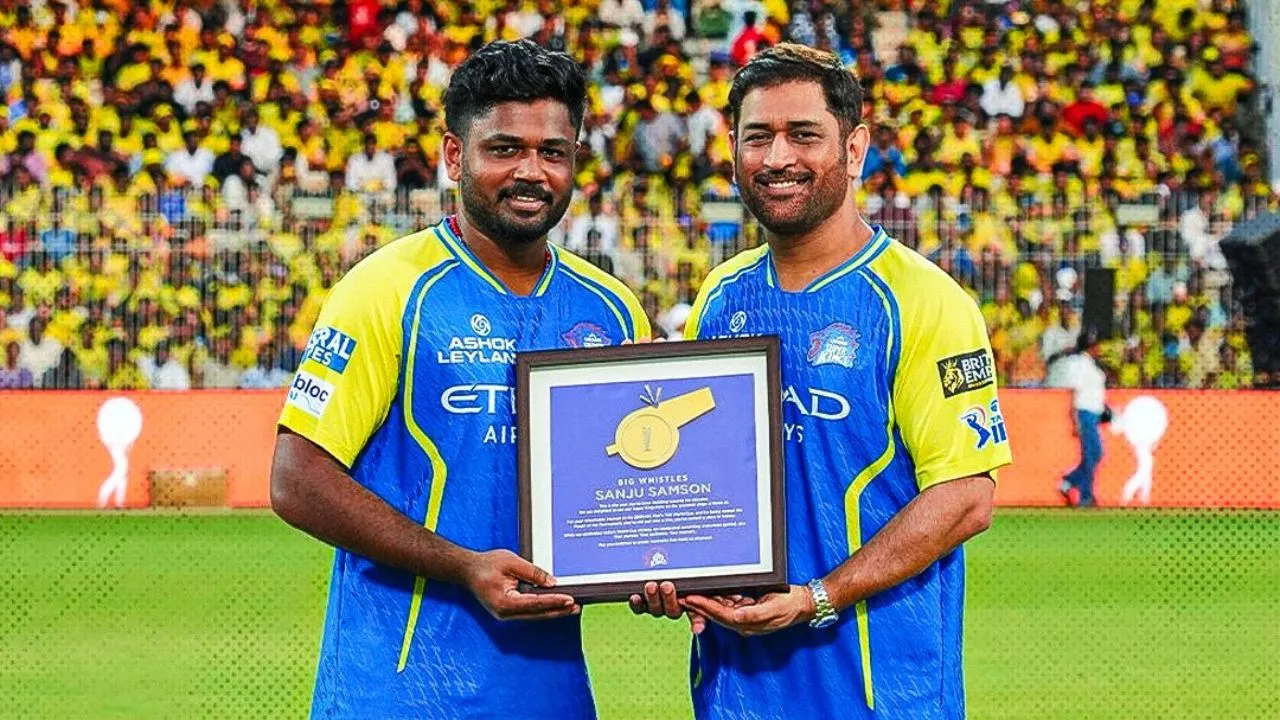
Sanju Samson gets huge role as Ruturaj Gaikwad confirms CSK openers for IPL 2026
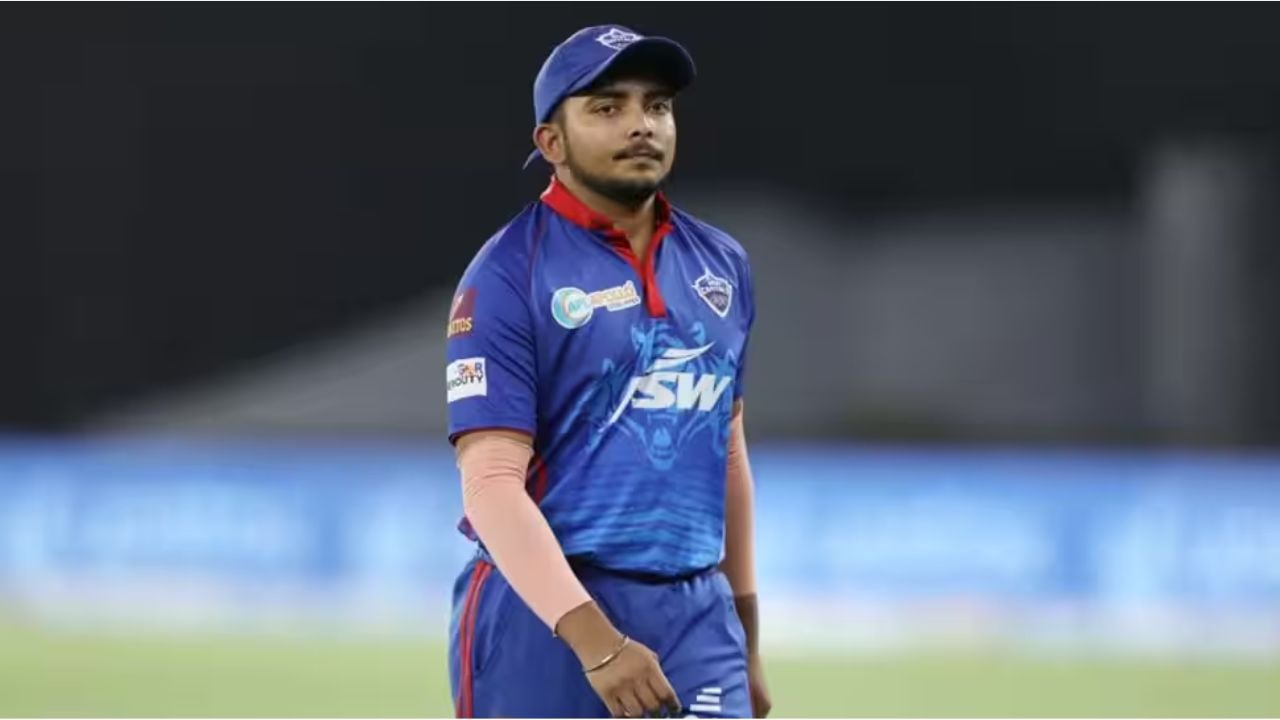
Prithvi Shaw declares his mission to return to team India begins from IPL 2026
Irfan Pathan questions Arshdeep Singh’s bowling ahead of IPL 2026
“Mind is somewhere else”: Yuvraj’s Father exposes Abhishek Sharma’s indiscipline lifestyle

EX-RCB pacer joins KKR as replacement of Harshit Rana ahead of IPL 2026

“Win our first trophy”: Sanjiv Goenka crowns LSG as champions ahead of IPL 2026
New catching rule? Captains warned over ‘Incomplete’ catches ahead of IPL 2026