

Gautam Gambhir openly blames BCCI for India’s Test series loss to South Africa at home
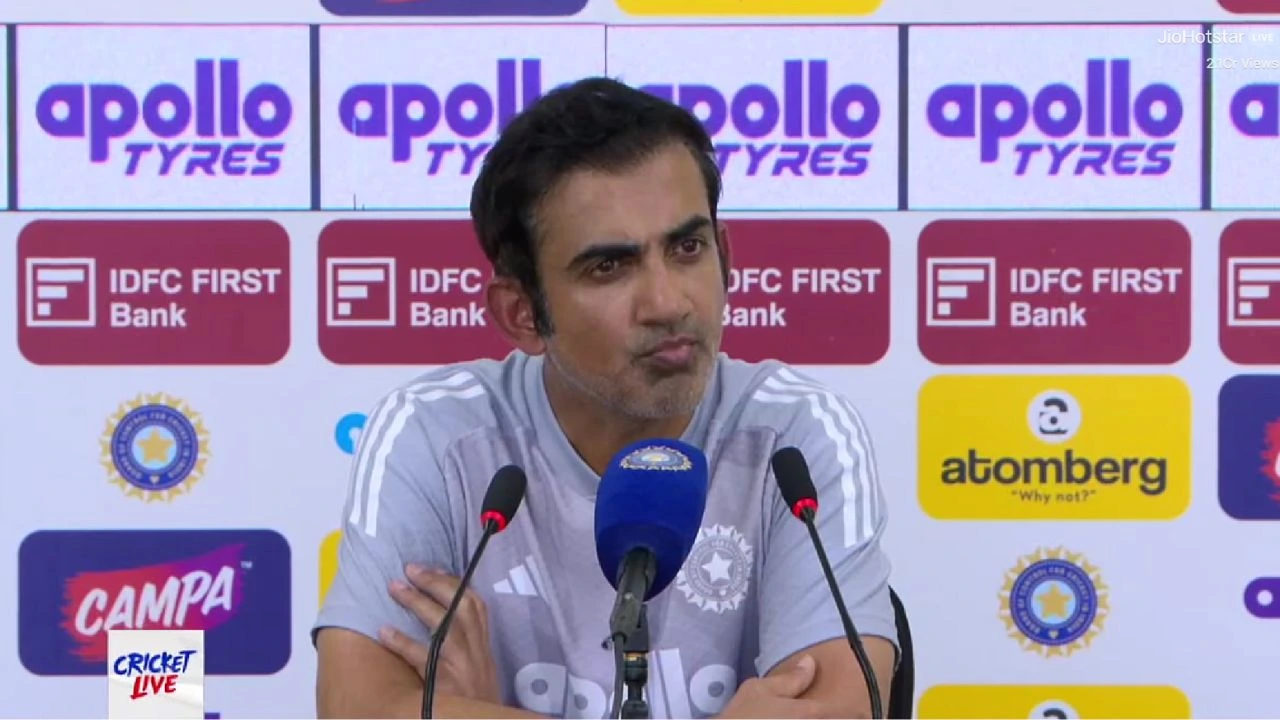
Gautam Gambhir Faces Criticism Following India’s Recent Test Series Defeat
India’s head coach, Gautam Gambhir, has come under fire after another humiliating loss in the recent Test series against the Proteas. The defeat has left Indian fans questioning Gambhir’s leadership and strategic decisions as the team continues to struggle in the red-ball format.
History of Underwhelming Performances
Since taking over as head coach in 2024, Gambhir has failed to lead India to a single Test series victory against a major Test side. Despite success in white-ball formats and winning tournaments like the ICC Champions Trophy and the Asia Cup in 2025, the team has faced consistent challenges in the longest format of the game.
Under Gambhir’s tenure, India has only managed to win two Test series at home against Bangladesh and the West Indies. Other series have resulted in draws or losses, including a whitewash against New Zealand and a 3-1 defeat in the Border-Gavaskar Trophy.
Gambhir’s Response to Criticism
In a recent press conference, Gambhir indirectly blamed the scheduling of the series for India’s poor performance against the Proteas. He highlighted the lack of preparation time between matches as a major factor contributing to the team’s struggles.
Gambhir acknowledged that scheduling does play a role in team performance but emphasized that it should not be used as an excuse. He suggested that better planning and more preparation time could improve India’s chances in future series.
All-Rounder Approach and Team Strategy
One of the criticisms directed at Gambhir is his preference for including a high number of all-rounders in the team, which has impacted the team’s batting performance. While Gambhir has found success in T20Is, his strategies have not always translated well in ODIs and Test matches.
Some players have been given too much preference, while others have been overlooked, leading to questions about Gambhir’s selection and rotation policies. Balancing the team’s composition and providing equal opportunities to all players has been a point of contention among critics.
Looking Ahead
As India faces more challenges in the Test arena, the pressure on Gautam Gambhir continues to mount. Fans and experts alike are calling for a reassessment of the team’s strategies and a more focused approach to red-ball cricket.
It remains to be seen how Gambhir will address the criticisms and make changes to improve India’s performance in future Test series. The upcoming matches will be crucial in determining the effectiveness of the team’s new strategies and the impact of Gambhir’s leadership on India’s red-ball campaign.
Gambhir’s Leadership Style and Communication
One aspect that has been scrutinized in Gautam Gambhir’s leadership is his communication with players and the media. Some critics have pointed out that Gambhir’s blunt and straightforward approach may not always resonate well with the team members, leading to potential discord within the squad.
Effective communication is crucial in any team sport, and the ability to motivate and inspire players is a key trait of successful coaches. Gambhir’s leadership style, which can be perceived as abrasive by some, may need to evolve to foster a more cohesive team environment and boost morale during challenging times.
The Impact of Player Form and Injuries
Another factor that has influenced India’s recent Test performances is the inconsistency in player form and the spate of injuries that have plagued the team. While Gambhir has faced criticism for his selection decisions, it is essential to consider the impact of players being out of form or unavailable due to injuries on the team’s overall performance.
Managing player workload and ensuring that the squad is adequately prepared to deal with unforeseen setbacks are crucial aspects of coaching in modern cricket. Gambhir may need to reassess his approach to player management and rotation to mitigate the effects of form slumps and injuries on India’s Test campaigns.
Strategic Adaptability and Tactical Acumen
Adapting to different playing conditions and opposition strengths is a hallmark of successful coaches in international cricket. Gambhir’s ability to read the game situation, make proactive tactical decisions, and adjust strategies based on match circumstances has been questioned in light of India’s recent Test series defeats.
Developing a more nuanced and flexible approach to match situations, particularly in overseas conditions where India has historically struggled, could be a key area of improvement for Gambhir. Emphasizing adaptability and tactical acumen in the team’s preparation and in-game strategies may help India overcome challenges in future Test series.
Building a Strong Support Staff and Backroom Team
In modern cricket, the role of the support staff and backroom team is instrumental in a team’s success. While Gambhir has faced criticism for the team’s on-field performances, the quality and effectiveness of the coaching staff, including assistant coaches, trainers, and analysts, also play a significant role in shaping the team’s outcomes.
Investing in building a strong support network, fostering collaboration among the coaching staff, and leveraging the expertise of specialists in various aspects of the game can enhance India’s preparation and performance in Test cricket. Gambhir may need to reassess the composition and effectiveness of his support staff to optimize the team’s chances of success in future series.
Conclusion
As Gautam Gambhir navigates the challenges and criticisms following India’s recent Test series defeat, the focus remains on his ability to address key areas of improvement and lead the team to success in red-ball cricket. By prioritizing effective communication, adapting strategies to match conditions, managing player form and injuries, and building a robust support staff, Gambhir can enhance India’s chances of performing better in Test matches.
With the upcoming Test fixtures presenting opportunities for redemption and growth, Gambhir’s response to feedback and his willingness to evolve as a coach will be crucial in shaping India’s Test cricket future.
Latest News
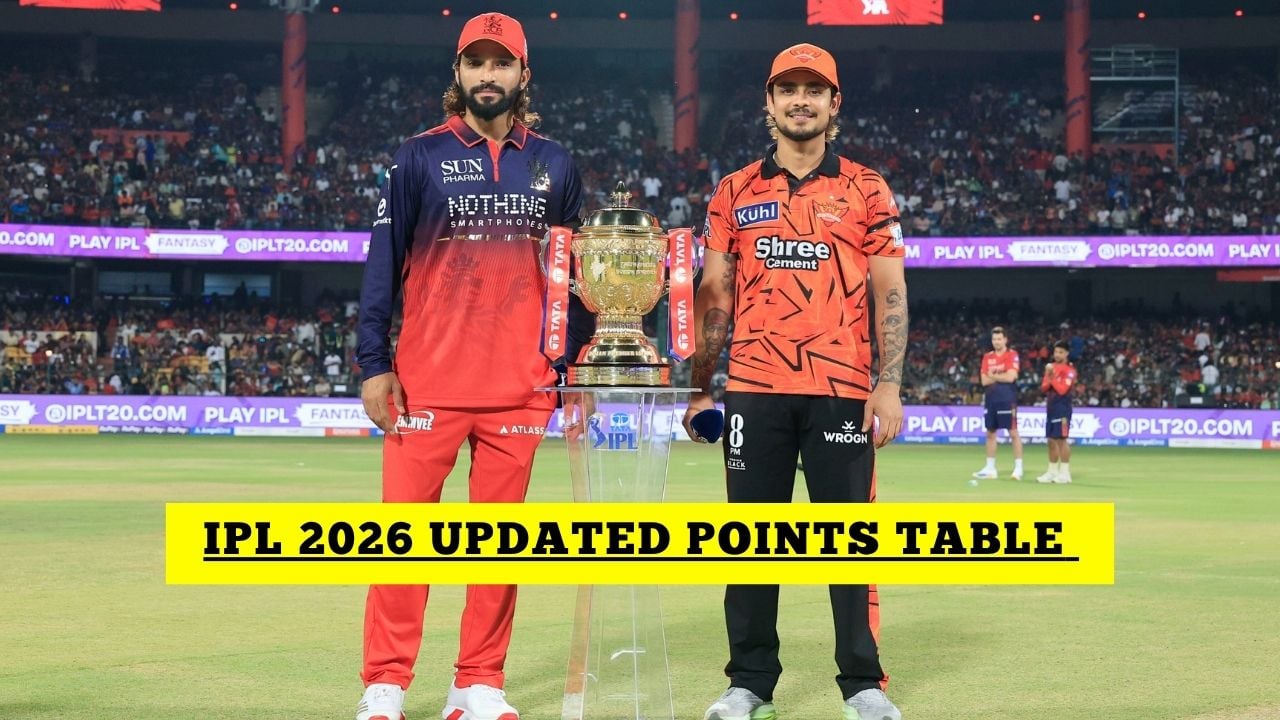
IPL Points Table 2026: Updated Standings, Orange Cap, Purple Cap After RCB vs SRH Match 1
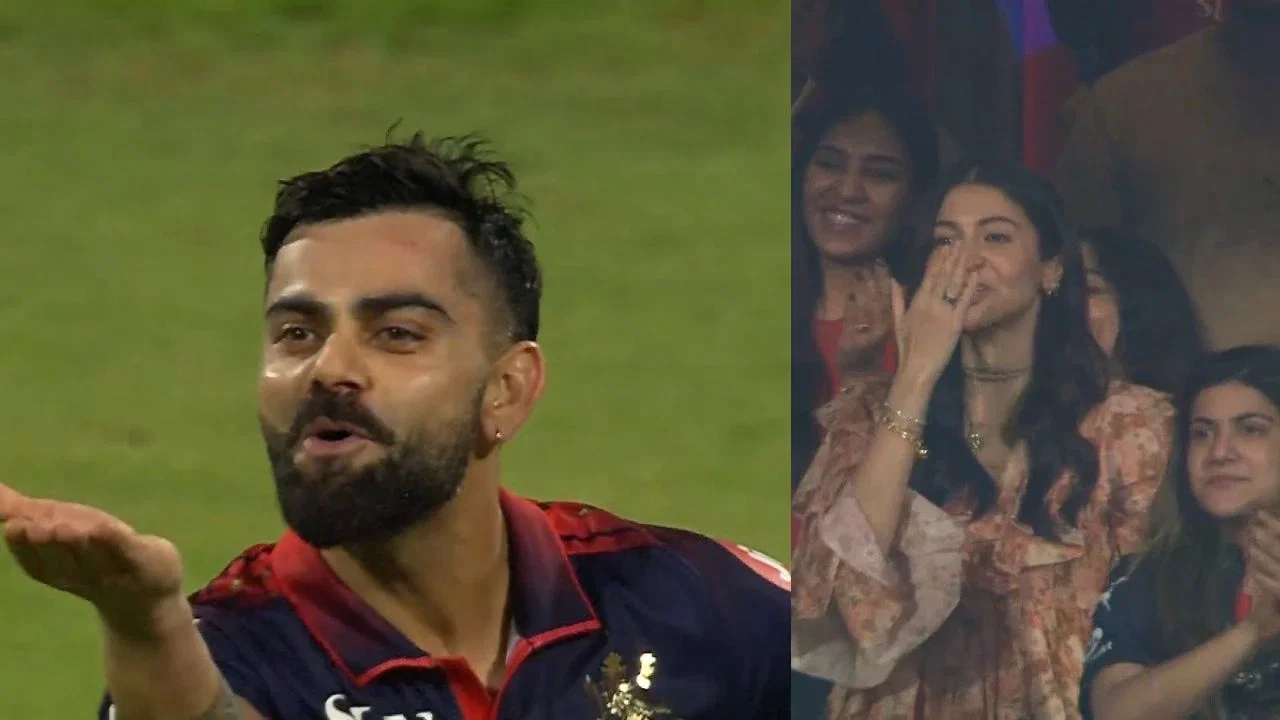
Virat Kohli, Anushka Sharma share adorable flying kiss moment after RCB vs SRH clash
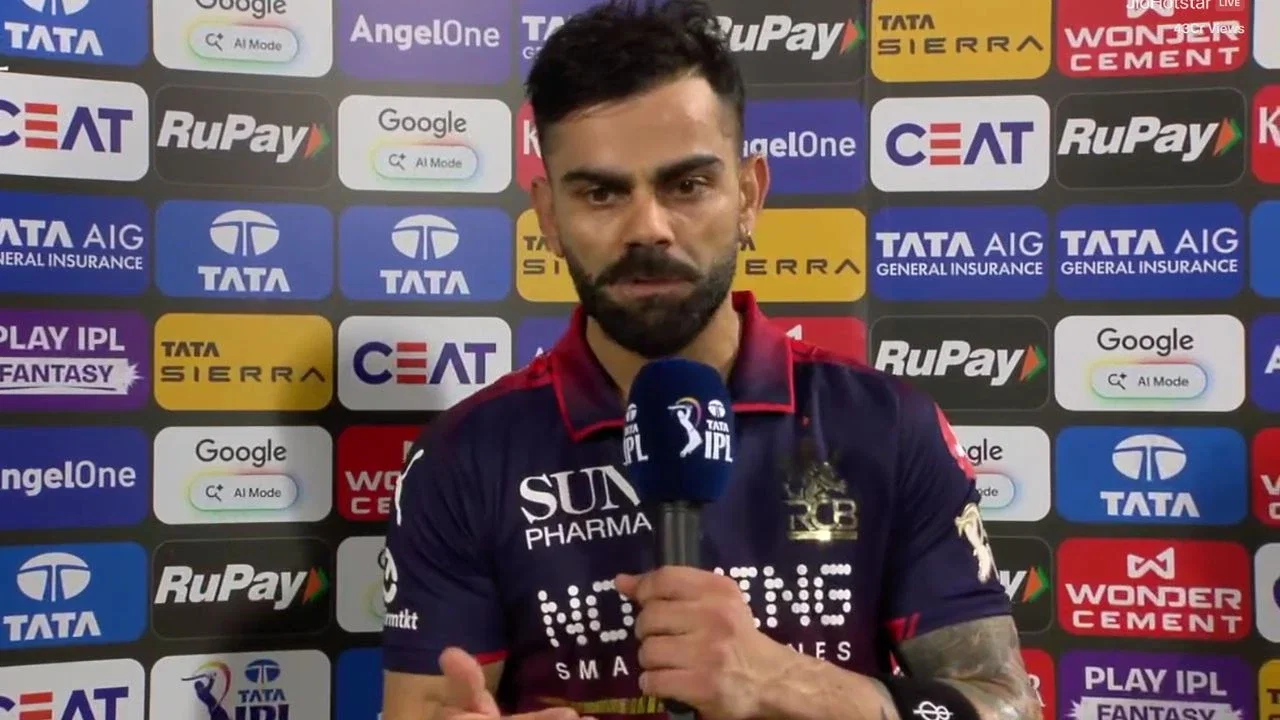
“Absolutely world-class”: Virat Kohli backs Devdutt Padikkal for permanent Team India spot
Rajat Patidar refuses to comment on Virat Kohli; Ishan Kishan admits enjoying after SRH’s loss to RCB

Mumbai Indians suffer blow! Mitchell Santner, Will Jacks ruled out of IPL 2026 games
MI vs KKR Match Prediction – Who Will Win Match No.2? | IPL 2026
Mumbai Indians Playing XI vs Kolkata Knight Riders Playing XI- Match No. 2 | IPL 2026
MI vs KKR Match 2 Preview: Free Live Streaming, Pitch & Weather Report, Head-to-Head | IPL 2026
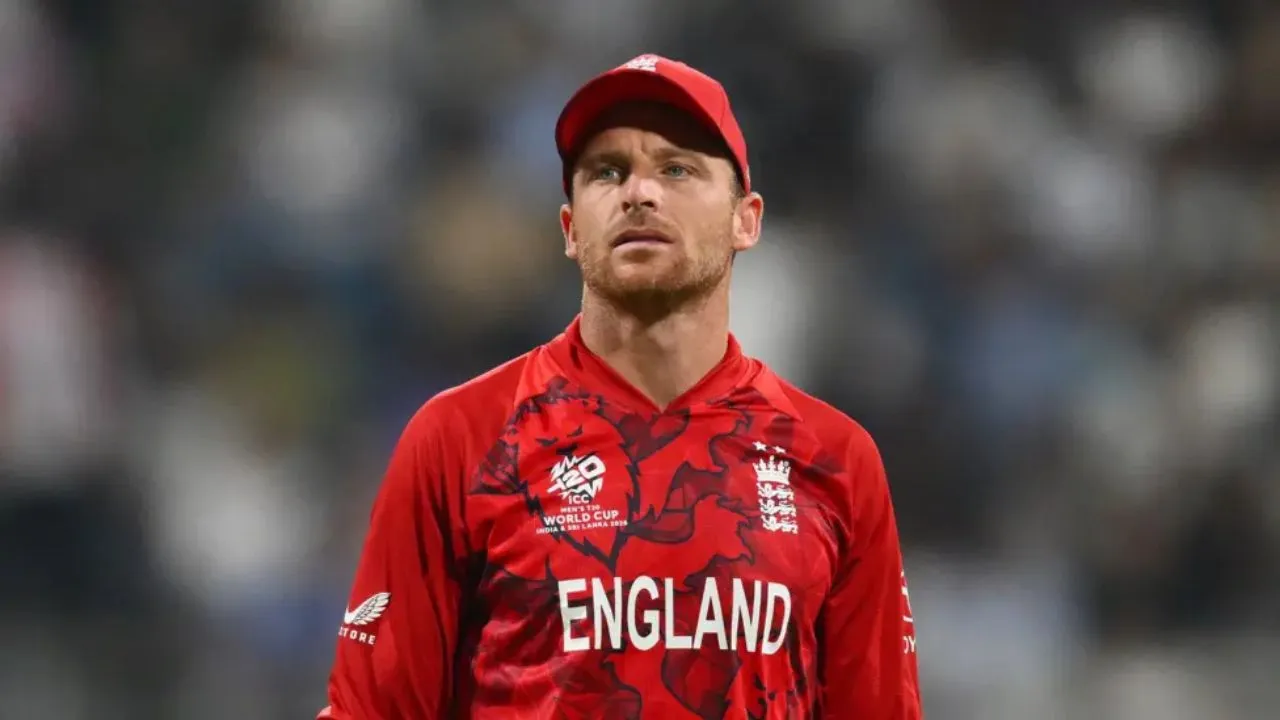
Not English cricket! Jos Buttler credits IPL for his success as a cricketer
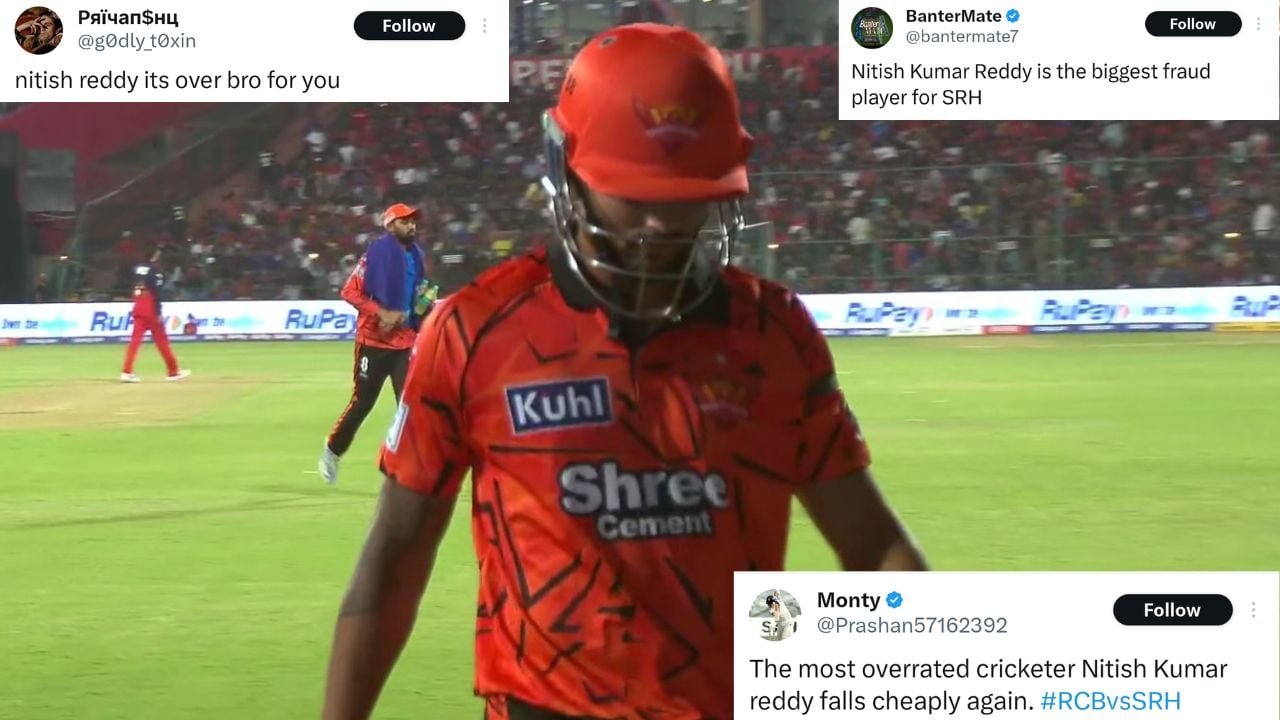
“Nitish Kumar Reddy is biggest fraud”: Fans fume as SRH star fails vs RCB in IPL 2026 opener
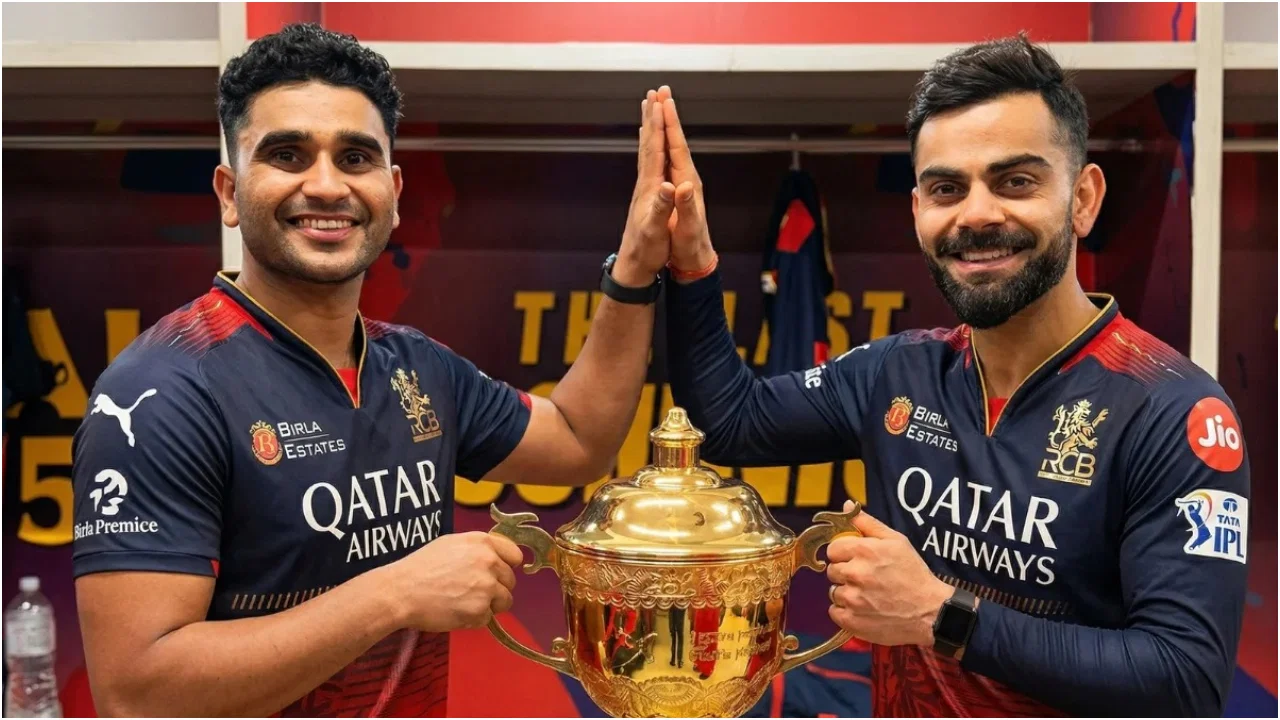
Who is Abhinandan Singh? The Virat Kohli troublemaker who made his IPL debut for RCB vs SRH
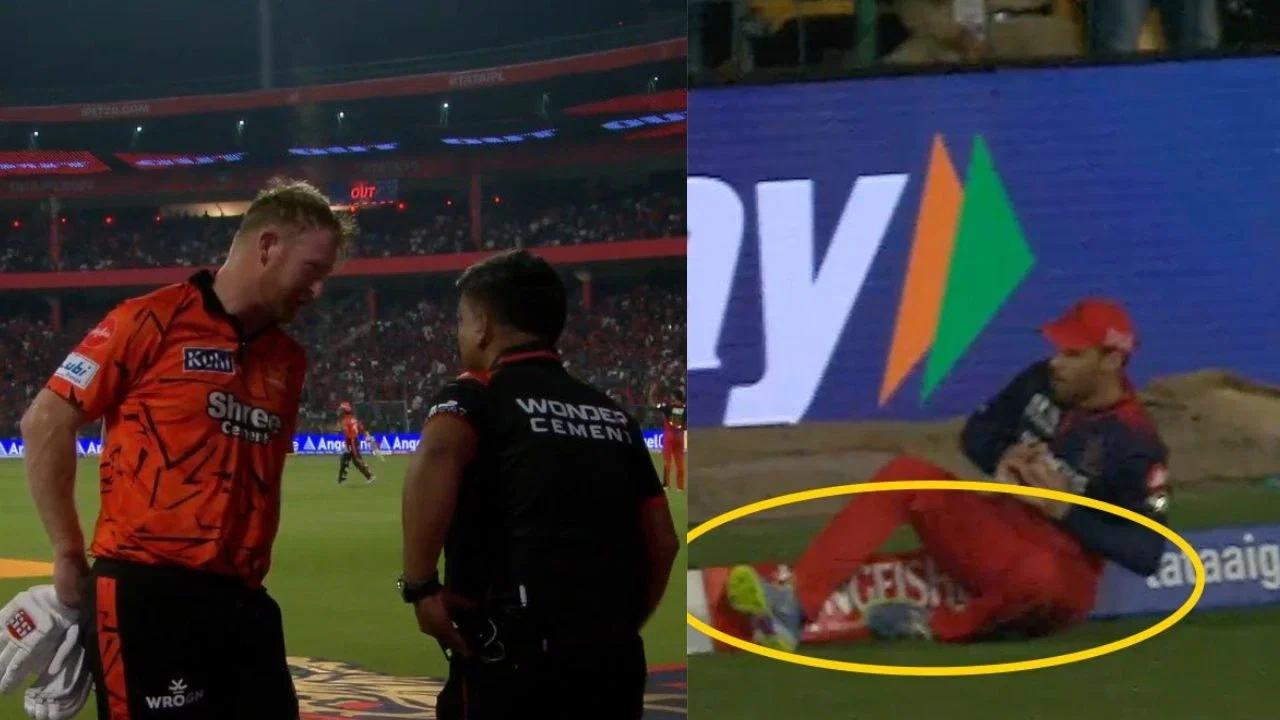
Heinrich Klaasen engages in heated chat with 4th umpire after Phil Salt’s controversial catch in IPL 2026
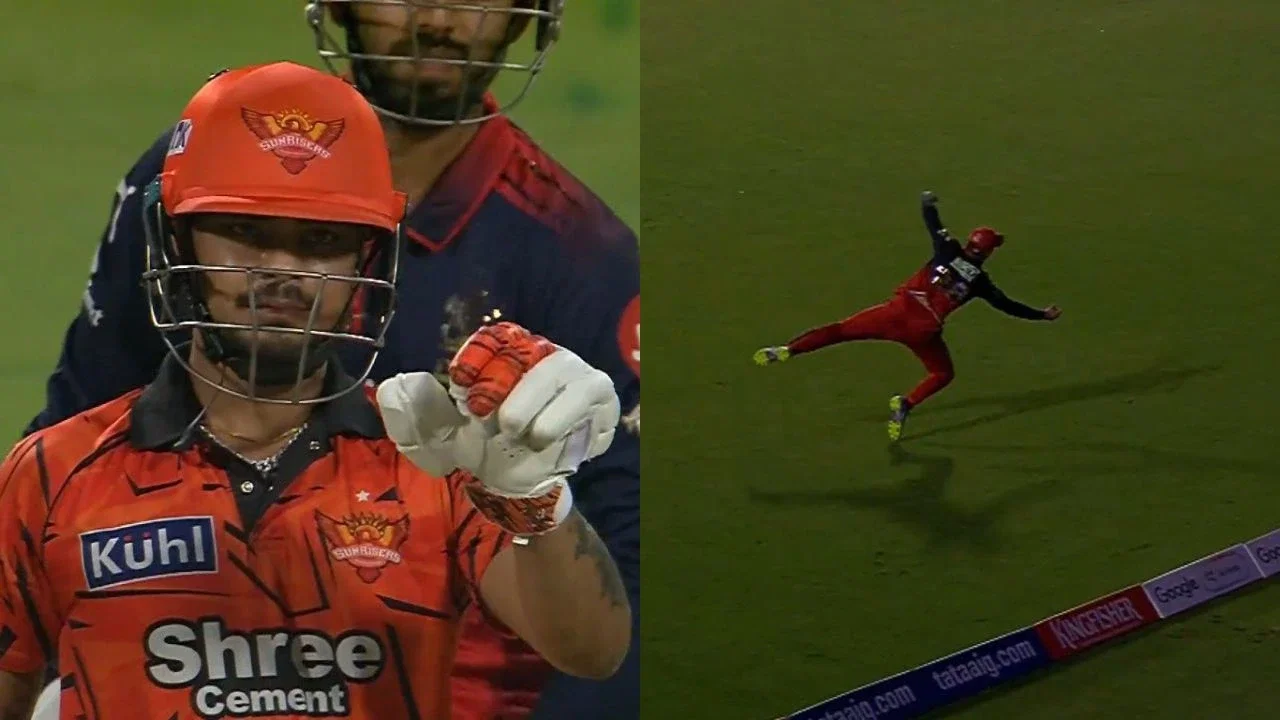
Phil Salt grabs one of the greatest catches in IPL history to dismiss Ishan Kishan
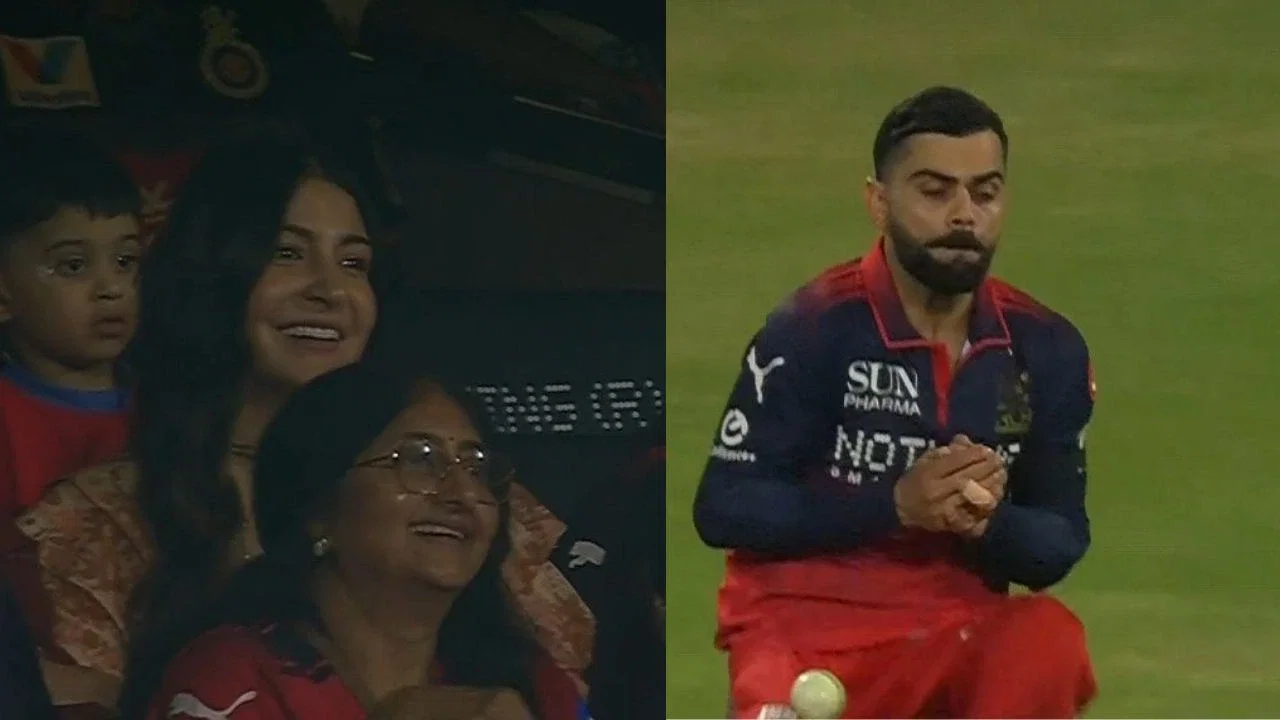
Anushka Sharma laughs as Virat Kohli drops a sitter in RCB vs SRH clash (Watch Video)

