

Gautam Gambhir vs Ajit Agarkar: India coach’s ‘Sarfaraz Khan’ demand rejected by chief selector!! Shocking truth revealed
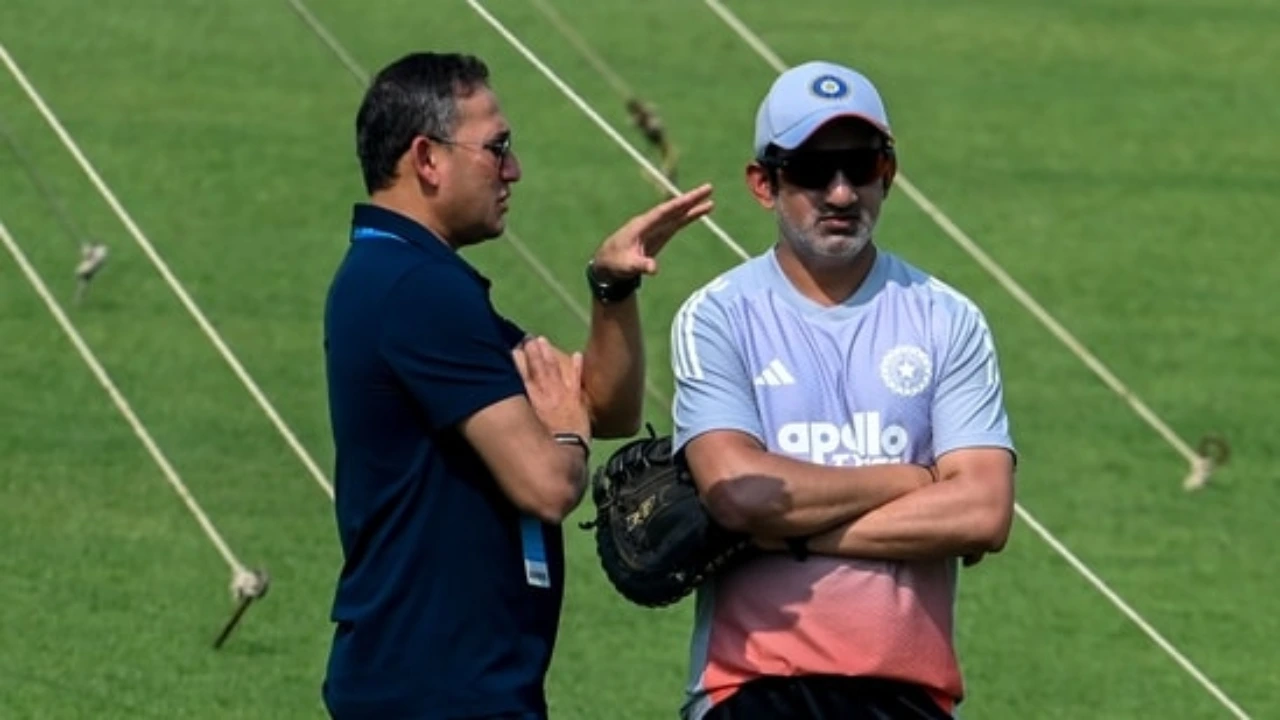
Gautam Gambhir and Ajit Agarkar’s Strained Relationship Comes to Light Ahead of ICC T20 World Cup 2026
As the India National Cricket Team gears up for the ICC T20 World Cup 2026, tensions between head coach Gautam Gambhir and chief selector Ajit Agarkar have surfaced, casting a shadow over their preparations. The tournament is set to kick off on February 7, with matches being held both in India and Sri Lanka.
Roots of the Conflict
The rift between Gambhir and Agarkar reportedly began during the recent Test series against South Africa on home soil. The breaking point came during the second Test in Guwahati, where captain Shubman Gill’s absence due to a neck injury led to a clash in selection preferences.
Gambhir and the team management pushed for including Ruturaj Gaikwad, Sarfaraz Khan, or Karun Nair in the squad to maintain team balance. However, Agarkar opposed Gambhir’s suggestions, arguing that Nitish Kumar Reddy was already part of the squad and there was no need for further changes. This disagreement highlighted Gambhir’s limited authority in team selections, exacerbating the strain between him and the selectors.
Gambhir’s Message on Selection Power
Amidst speculations and tensions, Gambhir recently took to social media to address the issue of his authority in team selections. In a post on X (formerly known as Twitter), he hinted at the ongoing power struggle, emphasizing that his influence is not as extensive as perceived.
Furthermore, Gambhir’s reduced media interactions following controversial statements have added to the mystery surrounding the team dynamics. Despite the challenges, he remains determined to navigate through the complexities of coaching the national team.
Abhishek Sharma’s Perspective
On a brighter note, Indian opener Abhishek Sharma has shared insights into his aggressive batting style, which has earned him recognition in the ICC T20 rankings. Drawing inspiration from former captain Rohit Sharma, Abhishek credits the support and confidence instilled by Gambhir and captain Suryakumar Yadav for his fearless approach.
Expressing gratitude for the opportunity to emulate Rohit Sharma’s attacking mindset, Abhishek acknowledges the pressure that comes with setting the tone in the powerplay. With the backing of the coaching staff and team leadership, he continues to thrive on the field, contributing to India’s success in the T20 format.
Future Prospects
As India’s campaign in the ICC T20 World Cup 2026 approaches, the team faces not only the challenge of intense competition but also internal dynamics that could impact their performance. The resolution of conflicts between key figures like Gambhir and Agarkar will be crucial in fostering a united front and maximizing the team’s potential on the global stage.
Uncovering the Complexity of Selection Processes
Team selection in cricket is a delicate and intricate process that involves balancing individual performances, team dynamics, and strategic considerations. The clash between Gambhir and Agarkar sheds light on the challenges faced by decision-makers in ensuring the best possible combination on the field. While Gambhir’s emphasis on team balance and strategic adjustments is understandable, Agarkar’s perspective on maintaining continuity and trust in existing players also holds merit.
It is important to recognize that the selection process is not merely about picking the best players statistically but also about understanding the synergy within the team, managing egos, and maintaining a cohesive unit. The differing opinions between Gambhir and Agarkar reflect the complex nature of these decisions and the need for effective communication and compromise to reach consensus.
Leadership Dynamics in the Indian Team
The strained relationship between Gambhir and Agarkar raises questions about the overall leadership dynamics within the Indian cricket team. The role of the head coach, chief selector, and captain in decision-making processes is crucial for the team’s success. Clear lines of communication, mutual respect, and alignment of goals are essential for a harmonious working relationship.
While conflicts and disagreements are inevitable in high-pressure environments, it is imperative for key stakeholders to find common ground and work towards a shared vision. The ability to navigate through differences and foster a sense of unity within the team is a hallmark of effective leadership. As India prepares for the ICC T20 World Cup 2026, the resolution of internal conflicts and the establishment of a cohesive leadership structure will be instrumental in their quest for glory.
Embracing a Culture of Innovation and Adaptation
In the ever-evolving landscape of cricket, innovation and adaptability are key factors that separate successful teams from the rest. The willingness to embrace new ideas, experiment with strategies, and adapt to changing circumstances is essential for staying ahead in the game. Gambhir’s push for incorporating fresh talent and adjusting team compositions reflects a desire to stay innovative and proactive in the face of competition.
On the other hand, Agarkar’s emphasis on consistency and belief in existing players underscores the importance of stability and trust in established performers. Balancing these contrasting approaches requires a nuanced understanding of the game and a willingness to consider multiple perspectives. As India navigates through the challenges of the ICC T20 World Cup 2026, their ability to find a harmonious blend of innovation and stability will be critical for their success.
Building Resilience and Unity Ahead of the Tournament
As the countdown to the ICC T20 World Cup 2026 begins, the Indian team faces not only external competition but also internal hurdles that could impact their performance. The ability to overcome conflicts, foster a sense of unity, and channel collective energy towards a common goal will be essential for their success in the tournament.
By recognizing the complexities of leadership dynamics, embracing a culture of innovation, and prioritizing resilience and unity, India can position themselves as formidable contenders on the world stage. As Gambhir, Agarkar, and the rest of the team navigate through the challenges and opportunities that lie ahead, their ability to come together as a cohesive unit will ultimately determine their fate in the ICC T20 World Cup 2026.
Latest News
Punjab Kings penalised! Shreyas Iyer punished after win vs Gujarat Titans in IPL 2026
Shreyas Iyer injury update: Punjab Kings captain ruled out of IPL 2026?
LSG vs DC Match No. 5 Preview: Free Live Streaming, Pitch & Weather Report, Head-to-Head | IPL 2026
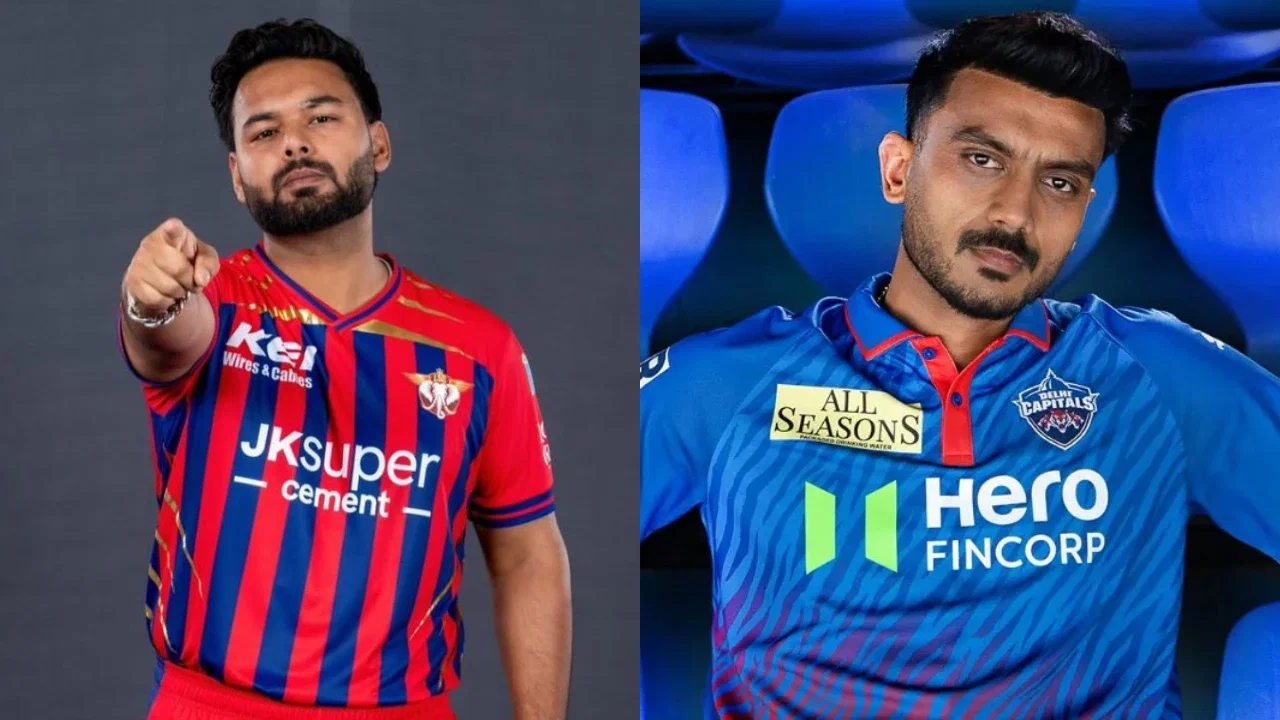
LSG vs DC Match Prediction – Who Will Win Match No.5? | IPL 2026
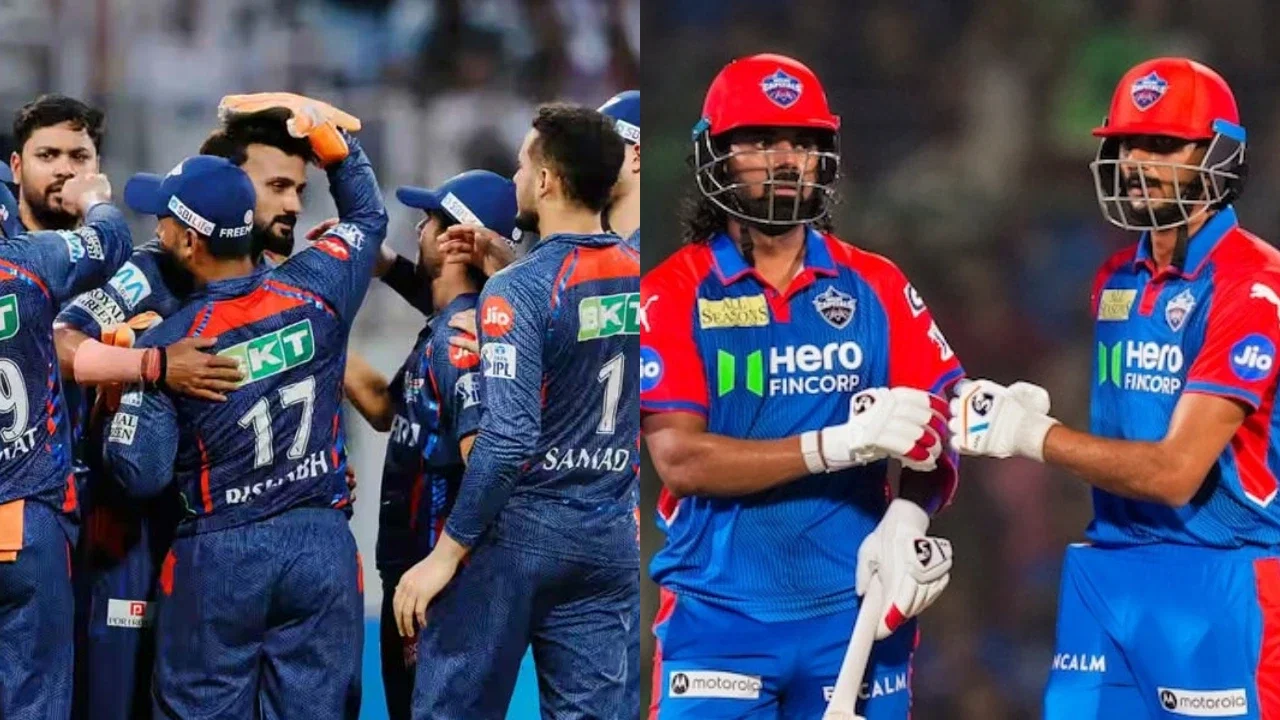
LSG Playing XI vs DC Playing XI – Match No. 5 | IPL 2026
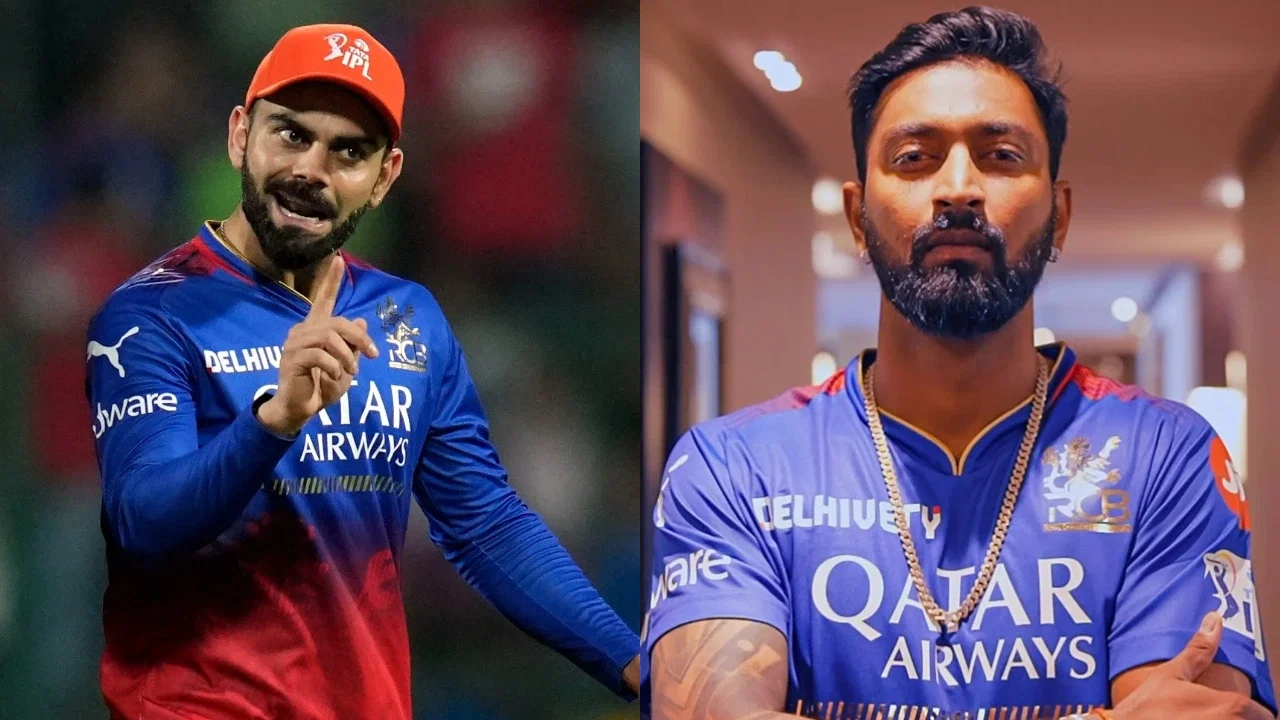
Krunal Pandya breaks silence on India snub, opens up on Virat Kohli
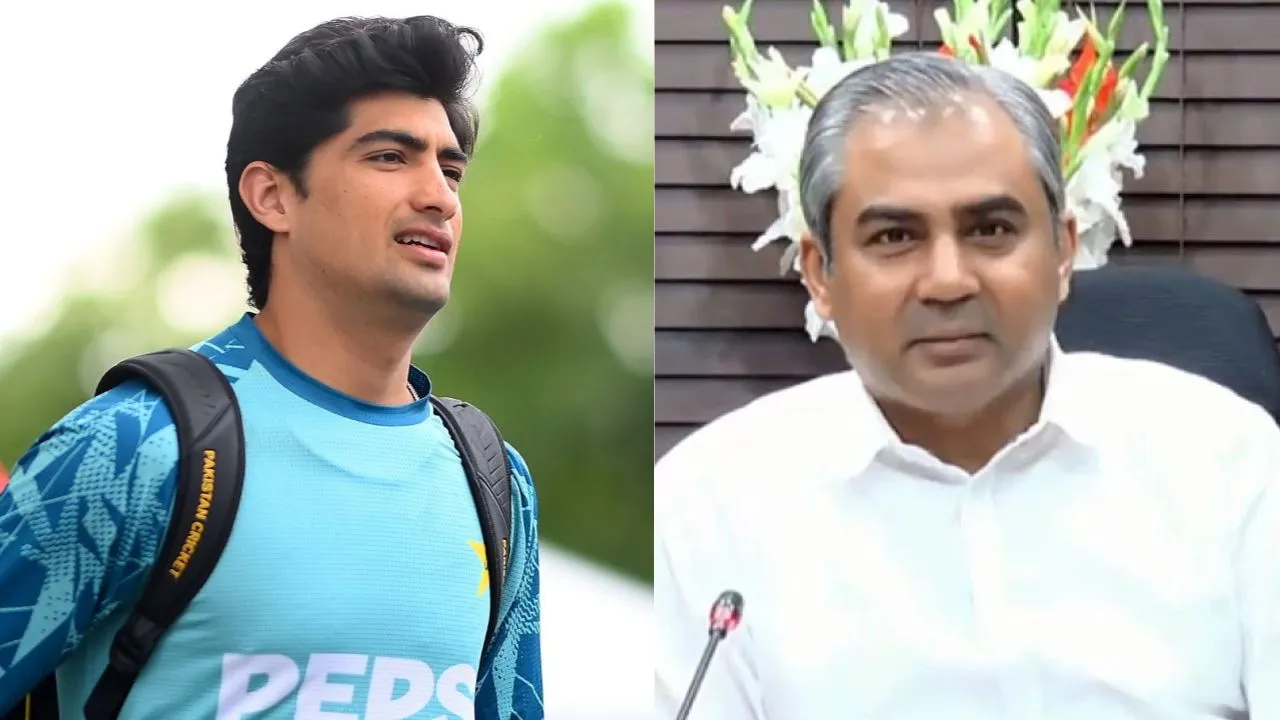
Mohsin Naqvi enforces new social media rules for Pakistan players following Naseem Shah incident
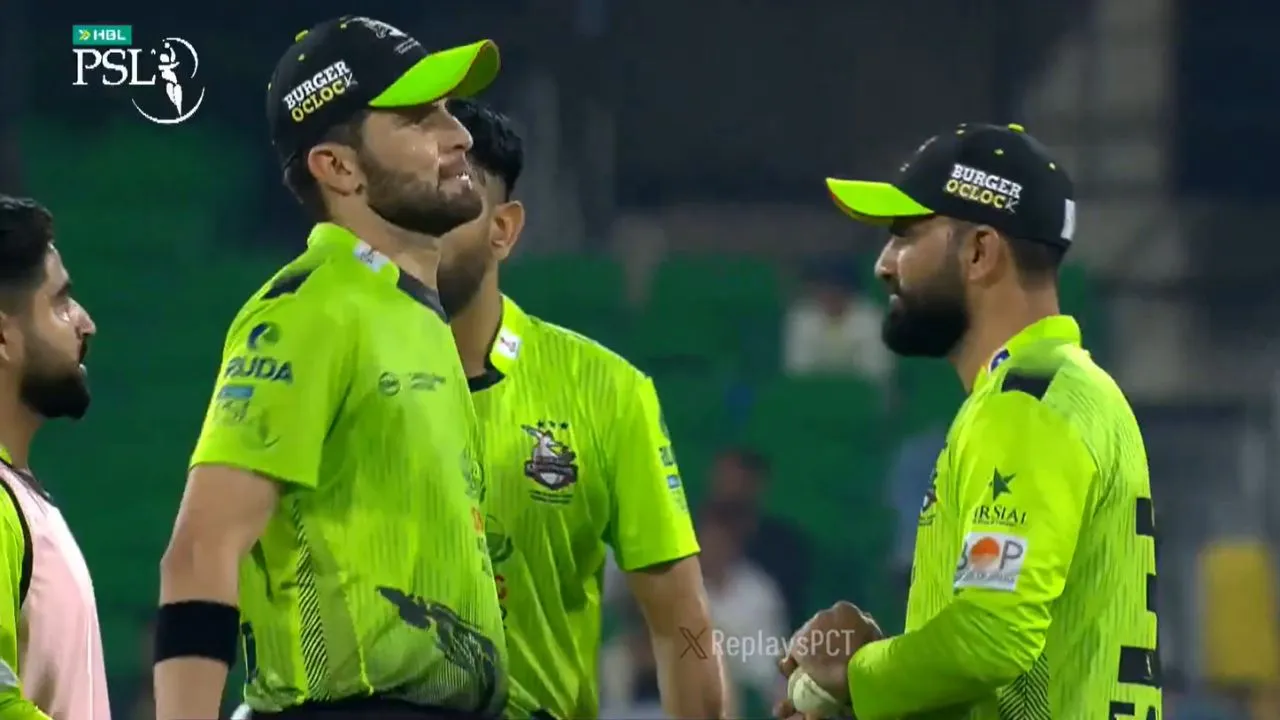
Fakhar Zaman officially handed cricket ban after PSL 2026 ball-tampering controversy
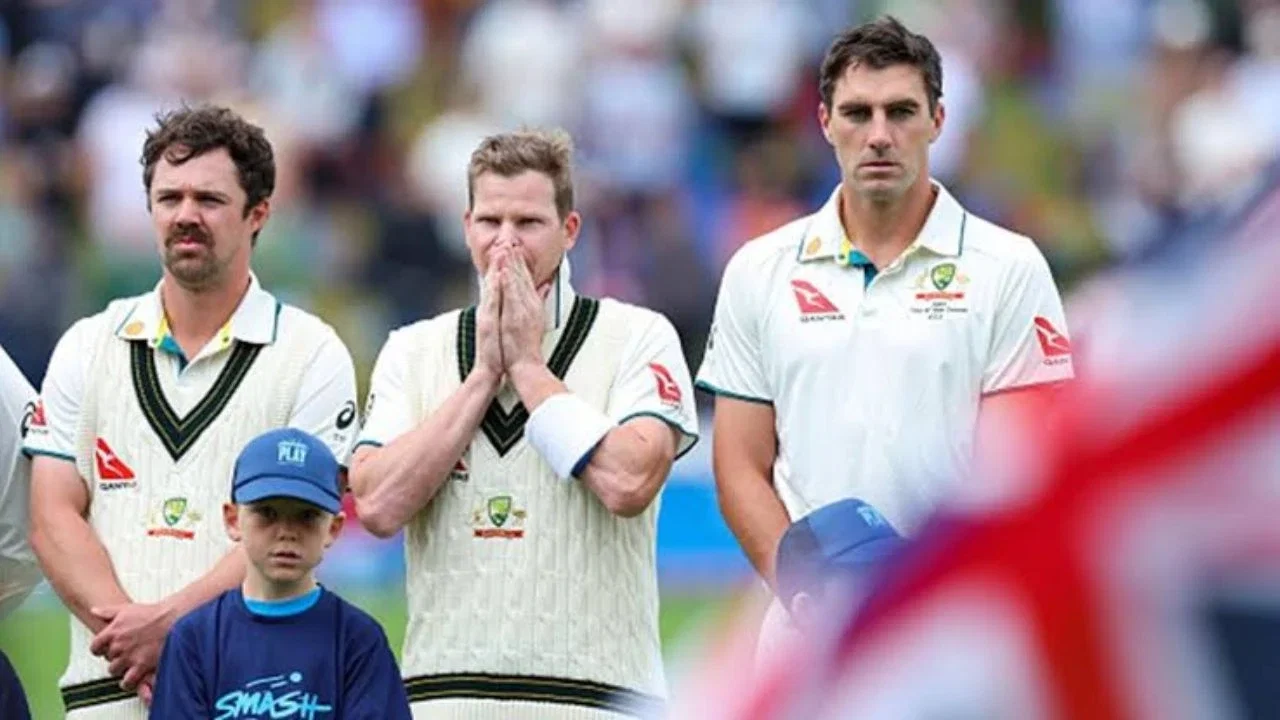
Pat Cummins forces Cricket Australia to slash central contracts list to secure premium deal
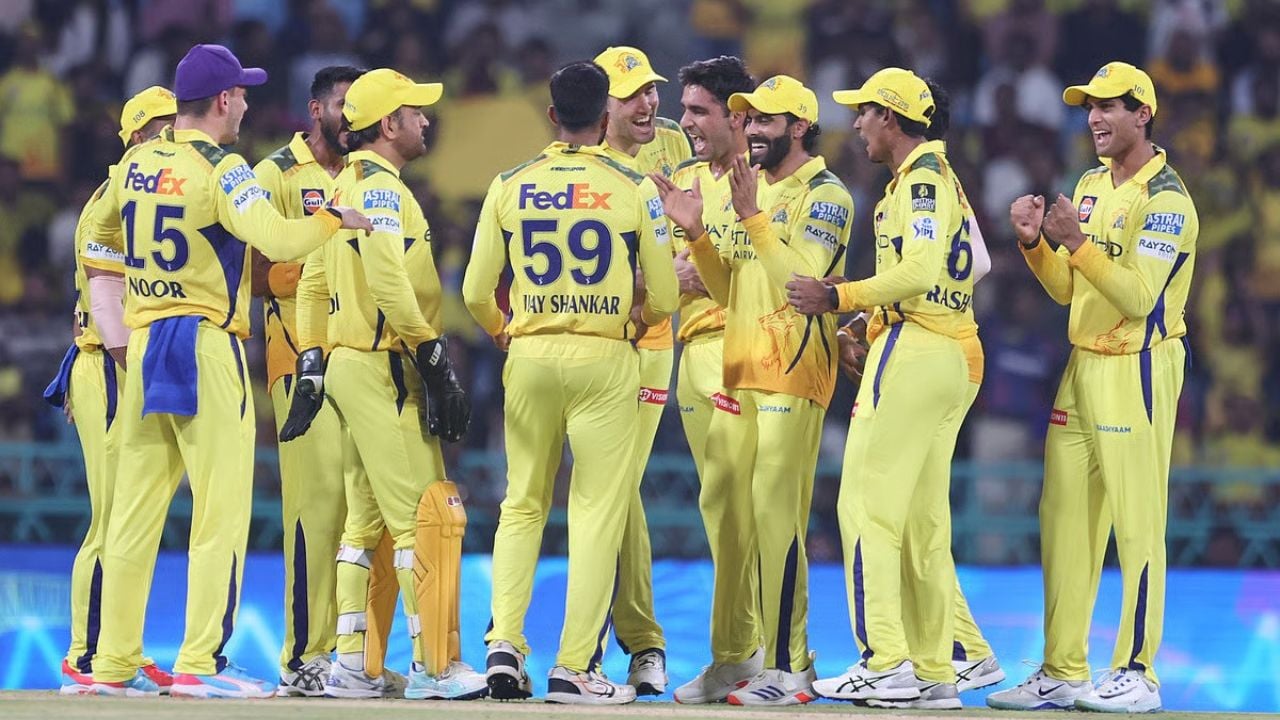
CSK’s big promise to players revealed amid IPL 2026: “Whatever BCCI offers, we’ll double it”
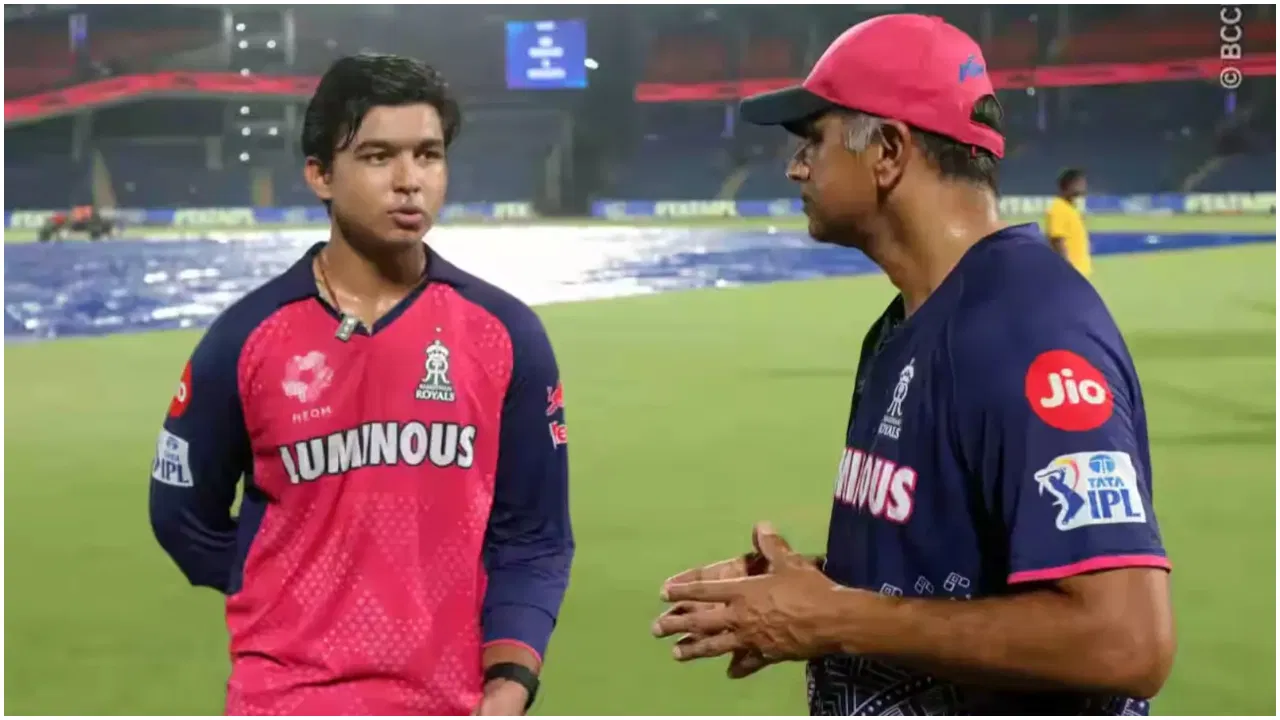
Ravichandran Ashwin rules out Vaibhav Sooryavanshi’s India call-up
Rashid Latif claims PSL ball-tampering row was deliberately created for attention amid IPL rivalry
Mohammed Shami breaks silence on retirement buzz after India snub; has special message for LSG
Mohammed Shami reveals IPL 2026 Top 4, leaves out five-time champions

