

Gautam Gambhir’s obsession with Washington Sundar mocked as ‘All-In-One Solution’ amid T20 WC 2026
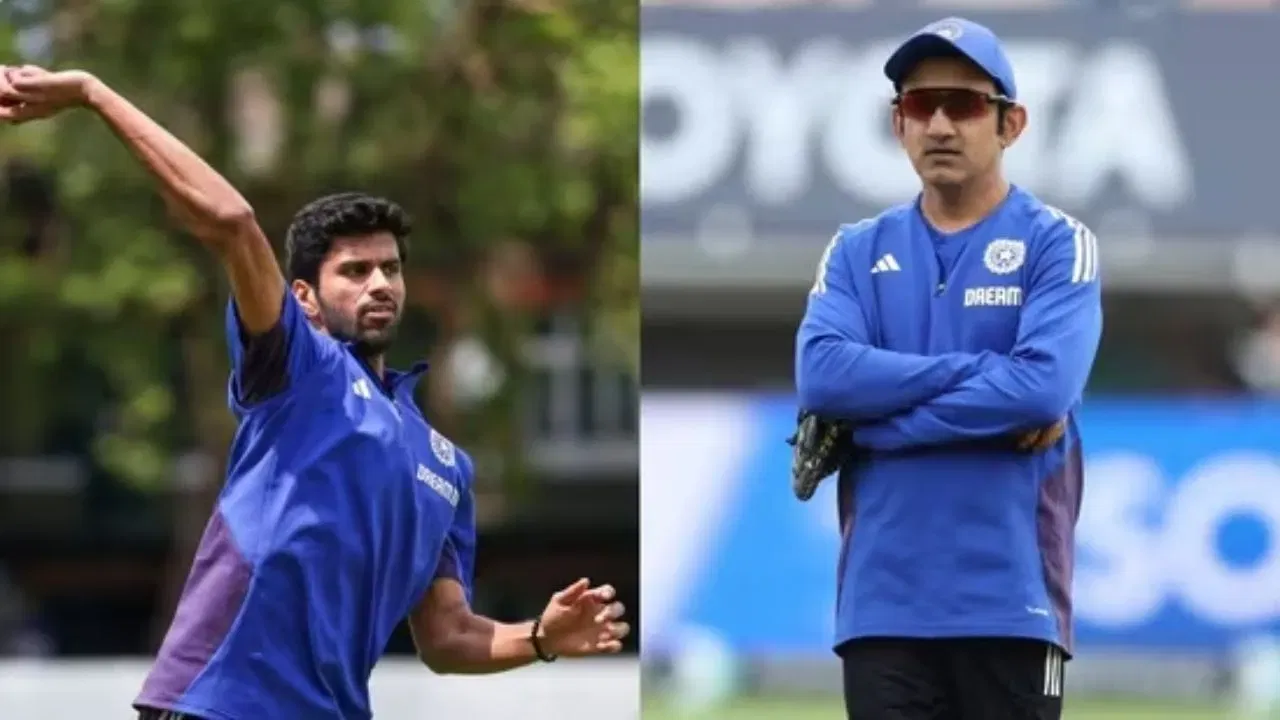
Sanjay Manjrekar Criticizes Gautam Gambhir’s Selection Choices Ahead of India’s Crucial T20 World Cup Match
Former India cricketer Sanjay Manjrekar has raised eyebrows with his criticism of head coach Gautam Gambhir’s team selection ahead of India’s second T20 World Cup 2026 Super 8 match against Zimbabwe. Manjrekar expressed his concerns about Gambhir’s heavy reliance on all-rounder Washington Sundar, labeling him as an all-in-one solution to every problem faced by the team.
Pressure Mounts on Team India
India is set to face Zimbabwe in Chennai on February 26, following a disappointing 76-run loss to South Africa in their Super 8 opener. The defeat has put India’s chances of reaching the semi-finals in jeopardy, prompting discussions around the team’s strategy and selection decisions, including the preference of Sundar over Axar Patel in the playing XI.
In an interview with Cricket Next, Sanjay Manjrekar compared Washington Sundar’s role in the team to an old all-purpose medicine, Kailash Jeevan, highlighting the all-rounder as Gambhir’s go-to solution for all issues. Manjrekar criticized the over-reliance on Sundar, stating that the player was being pushed to tackle both batting and bowling challenges, which might be overwhelming for him.
Identifying Weaknesses in India’s Batting Line-Up
The loss to South Africa exposed India’s struggles against slower deliveries and variations in pace. According to Manjrekar, the team’s batting line-up needs to focus on handling slower balls and spin more effectively, with captain Suryakumar Yadav singled out as the player facing the most difficulties against such deliveries.
Manjrekar emphasized the importance of improving the team’s net run rate following the heavy defeat, suggesting that India should prioritize their approach to playing slower balls rather than just fast bowling.
Axar Patel vs. Washington Sundar: The Selection Debate
The ongoing debate between Axar Patel and Washington Sundar has divided opinions among cricket enthusiasts, with Axar’s impressive performances in the initial matches of the tournament contrasting Sundar’s recent struggles to make an impact.
Axar Patel, with six wickets in three games, has outperformed Sundar, who is yet to take a wicket in his two appearances. Despite Sundar’s overall decent record of 51 wickets in 60 T20Is, Axar’s consistency and experience in the format have sparked discussions about the optimal team composition for India.
As India prepares to face Zimbabwe in a crucial encounter, all eyes will be on Gambhir’s selection choices and the team’s ability to address their weaknesses against slower deliveries and spin. The outcome of the match will undoubtedly have a significant impact on India’s journey in the T20 World Cup 2026.
India’s T20 World Cup Campaign and the Importance of Predictions
As India navigates through the Super 8 stage of the T20 World Cup 2026, the pressure is mounting for the team to make strategic decisions that will impact their chances of advancing in the tournament. With each match becoming increasingly crucial, the role of predictions and analysis in predicting outcomes and shaping selection choices becomes vital.
Cricket pundits, fans, and analysts are closely scrutinizing every move made by the Indian team, including the selection of players like Washington Sundar over Axar Patel. These decisions are not made lightly, as they have repercussions on the team’s performance on the field. Predicting how each player will fare in different match scenarios, against specific opponents, and in varying conditions is essential for making informed choices.
The Role of Data Analytics in Modern Cricket
In the modern era of cricket, the use of data analytics has revolutionized the way teams approach the game. From analyzing player statistics to predicting match outcomes based on historical data, teams like India are increasingly relying on data-driven insights to make strategic decisions.
For instance, analyzing Washington Sundar’s performance in previous matches, his success rate against different types of bowlers, and his impact on the team’s overall performance can provide valuable insights into his selection over Axar Patel. Similarly, understanding Suryakumar Yadav’s strengths and weaknesses against specific bowling tactics can help the team devise a more effective batting strategy.
Enhancing Team Performance through Predictive Analysis
By harnessing the power of predictive analysis, teams can optimize their performance by making informed decisions that are backed by data and insights. Predicting how players will perform under pressure, in different match situations, and against various opponents can give teams a competitive edge in high-stakes tournaments like the T20 World Cup.
For India, leveraging predictive analysis to assess their strengths and weaknesses against slower deliveries and spin can help them tailor their training sessions, tactics, and selection choices to address these areas of improvement. By understanding the predictive patterns that emerge from historical data, India can make more informed decisions that maximize their chances of success on the field.
The Impact of Predicted Outcomes on Team Dynamics
As the debate rages on about whether Axar Patel should replace Washington Sundar in the playing XI, the predicted outcomes of each player’s performance become central to the decision-making process. Understanding how each player is likely to fare in specific match conditions and against particular opponents can influence team dynamics, morale, and ultimately, the result of the game.
As India prepares to take on Zimbabwe in a must-win match, the predictions surrounding player performances, team strategy, and match outcomes will shape the narrative of the game. The ability to accurately predict and analyze these factors can make the difference between victory and defeat in high-pressure situations.
Ultimately, the intersection of predictive analysis, data-driven insights, and strategic decision-making is critical for teams like India to succeed in elite cricket tournaments like the T20 World Cup. By harnessing the power of predictions, India can enhance their performance, address their weaknesses, and chart a course towards success in the tournament.
Latest News
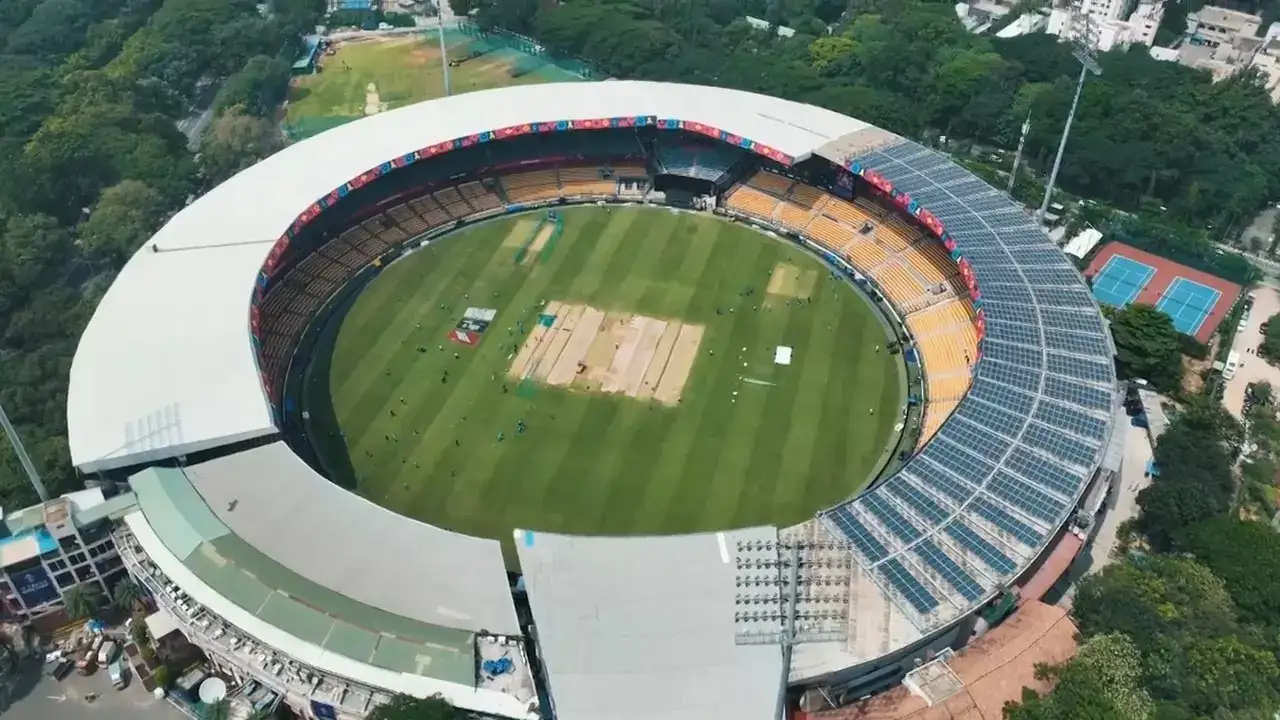
Days before RCB vs SRH IPL 2026 match, M. Chinnaswamy Stadium looks like a ‘construction side’
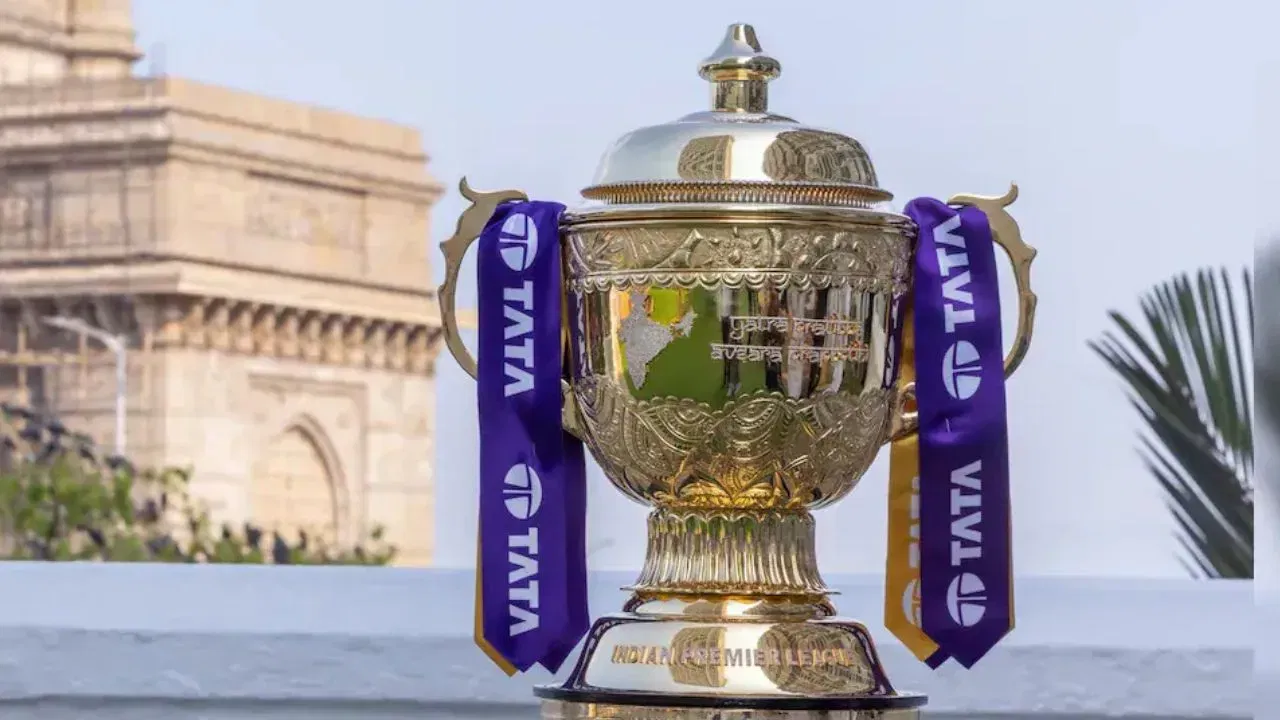
IPL 2026 second-half schedule announcement date revealed by BCCI secretary
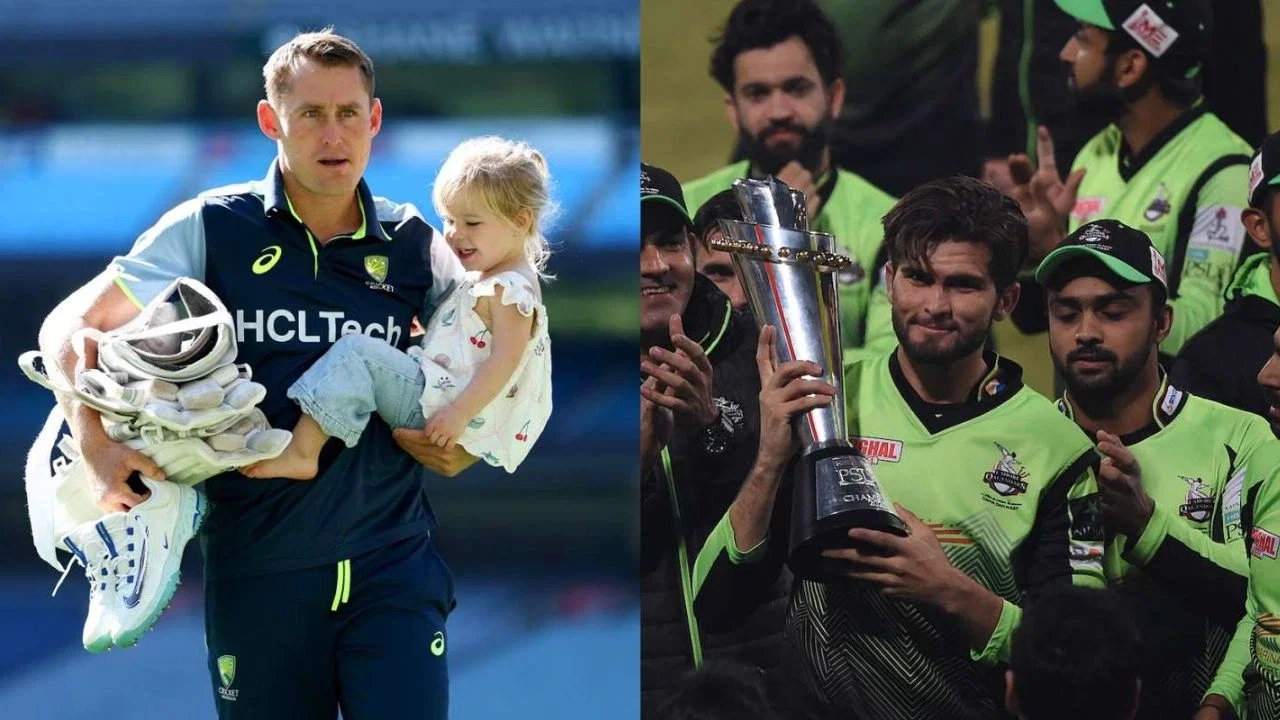
LHQ vs HYDK Match Prediction, Pitch & Weather Report, Playing XIs, Head-to-Head, Free Live Streaming – PSL 2026 Match 1
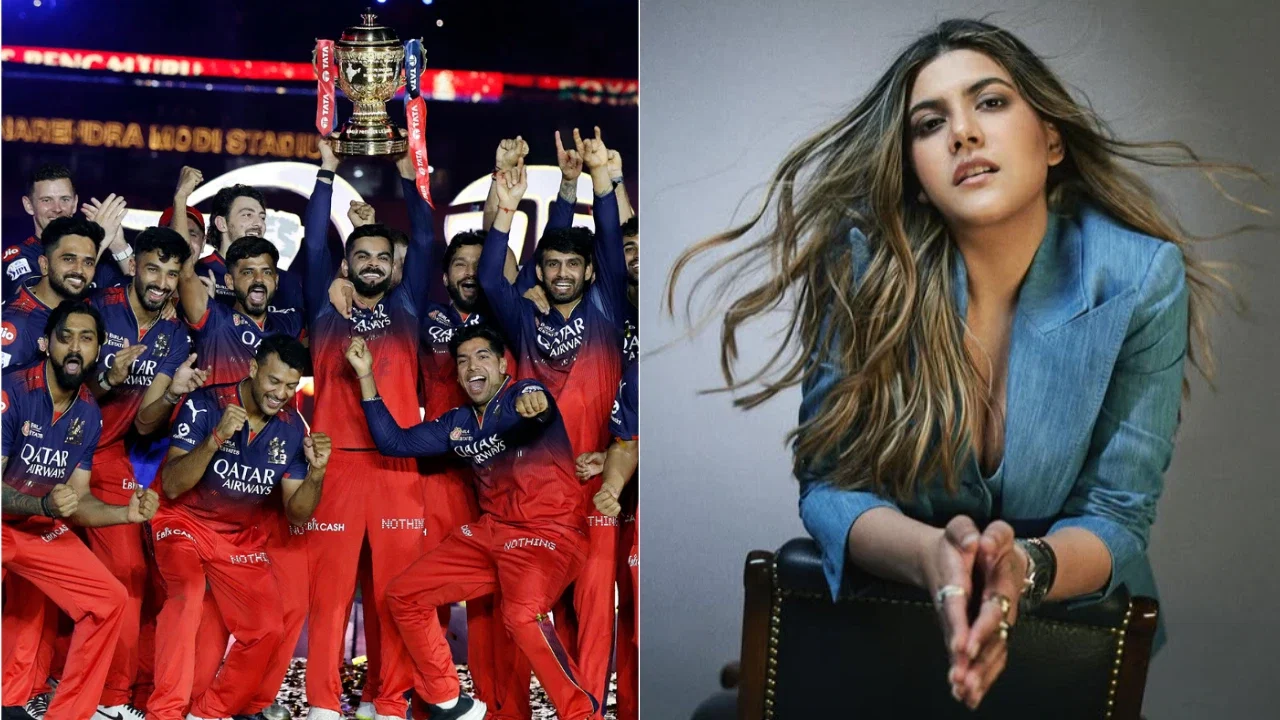
Aditya Birla Group confirms NO NAME CHANGE plans after RCB takeover

Virat Kohli will win Orange Cap: Jitesh Sharma makes bold IPL 2026 predictions

David Warner tears into Shaheen Afridi and Mohammad Rizwan at PSL captains’ press conference
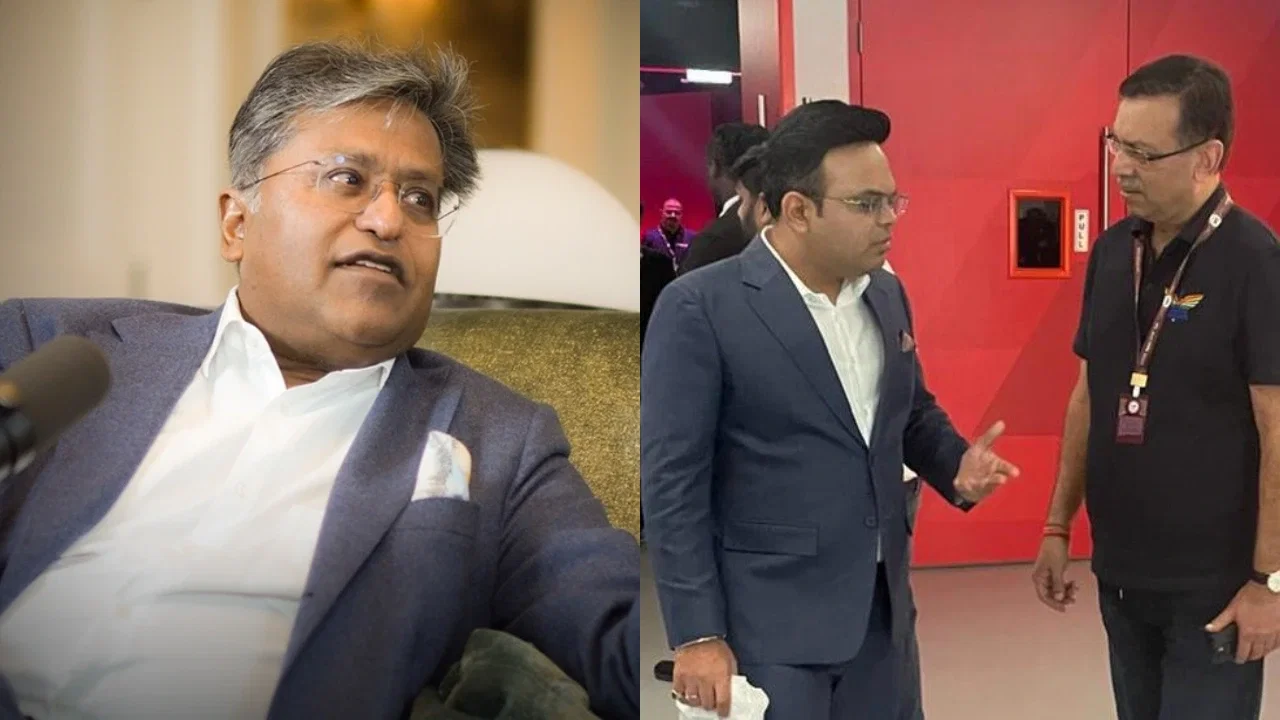
“Joker and Clueless”: Lalit Modi’s fiery attack on Sanjiv Goenka for his Jay Shah remark after RR–RCB mega sale
IPL 2026: BCCI scraps opening ceremony! Virat Kohli’s RCB linked to shocking decision
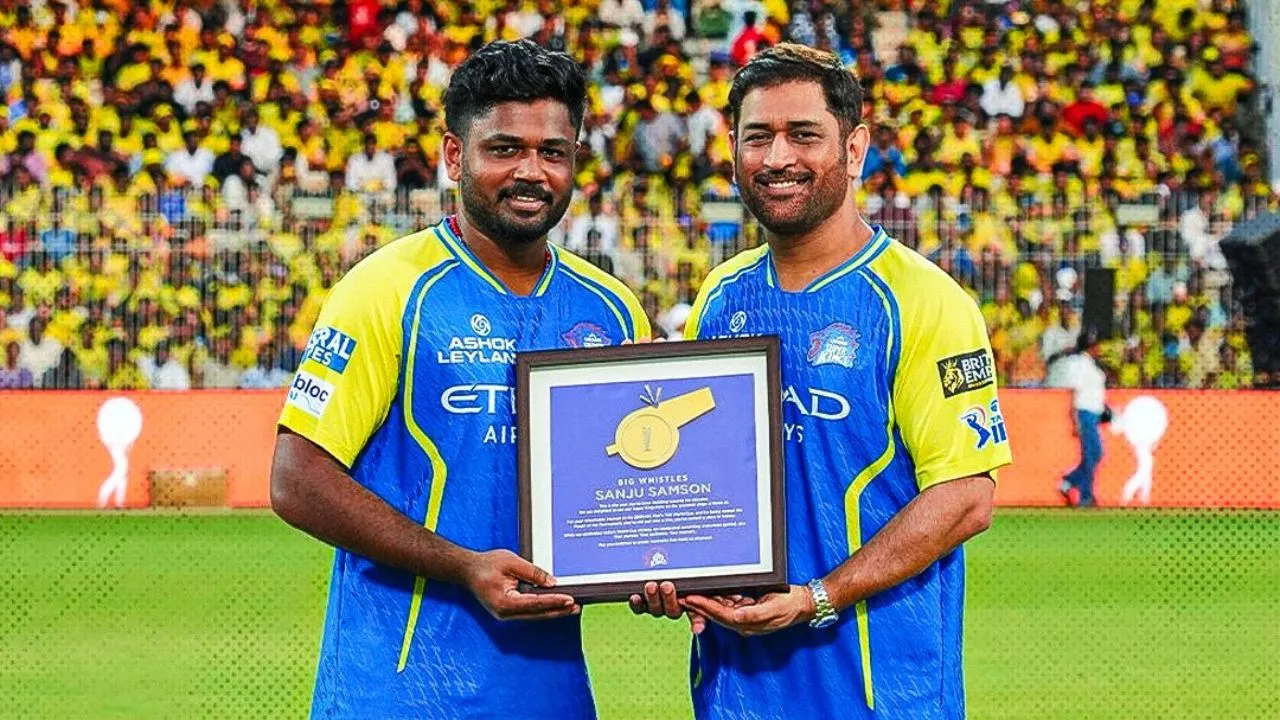
Sanju Samson gets huge role as Ruturaj Gaikwad confirms CSK openers for IPL 2026
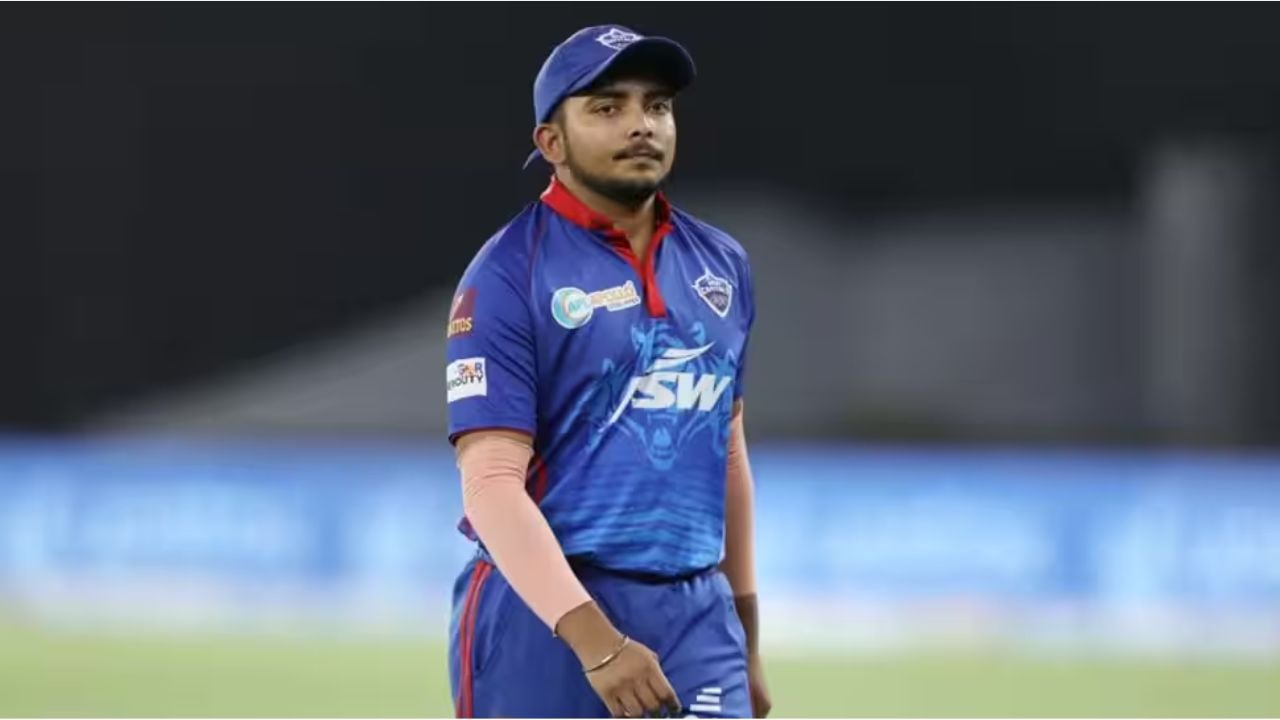
Prithvi Shaw declares his mission to return to team India begins from IPL 2026

Irfan Pathan questions Arshdeep Singh’s bowling ahead of IPL 2026
“Mind is somewhere else”: Yuvraj’s Father exposes Abhishek Sharma’s indiscipline lifestyle

EX-RCB pacer joins KKR as replacement of Harshit Rana ahead of IPL 2026

“Win our first trophy”: Sanjiv Goenka crowns LSG as champions ahead of IPL 2026

