

Gautam Gambhir’s Sacking, New T20 Captain…: Three major changes set to reshape Indian Cricket in 2026
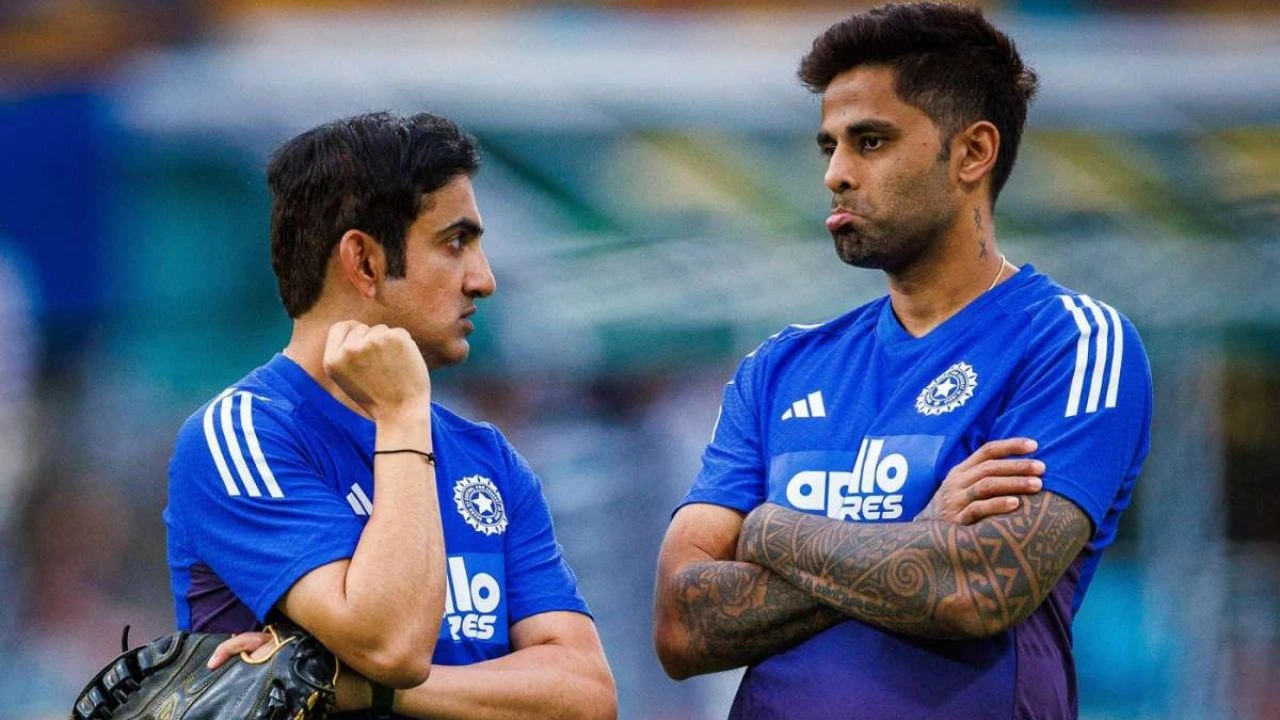
Indian Men’s Cricket Team Faces Challenges and Opportunities in 2025
In 2025, the Indian men’s cricket team experienced a mix of successes and setbacks across different formats of the game. While they excelled in white-ball cricket, their performance in Test matches left much to be desired, prompting concerns within the Board of Control for Cricket in India (BCCI) about the future of Indian cricket.
Test Cricket Struggles
In Test cricket, Team India secured four wins, suffered five losses, and managed to draw one match. Despite putting up a strong fight in England with a 2-2 series draw, they faced a disappointing home series loss to South Africa. These results have raised questions about the team’s red-ball cricket capabilities and the need for strategic changes moving forward.
White-Ball Success
On the other hand, India performed exceptionally well in white-ball cricket in 2025. They won 11 out of 14 One Day International (ODI) matches and clinched the Champions Trophy in the United Arab Emirates. Additionally, the team emerged victorious in 15 out of 21 Twenty20 International (T20I) matches, securing series wins against England, Australia, and South Africa, along with winning the Asia Cup.
Upcoming Challenges
Looking ahead to 2026, the Indian cricket team faces a busy and challenging schedule. They will aim to defend their T20 World Cup title while embarking on tours to England, Sri Lanka, and New Zealand. These upcoming fixtures present an opportunity for the team to showcase their skills and make a mark on the international cricketing stage.
Gautam Gambhir’s Future in Question
Under the leadership of Gautam Gambhir, India has seen success in white-ball cricket, particularly in T20Is. However, the team’s lackluster performance in Test matches has cast doubt on Gambhir’s future as the red-ball coach. The BCCI is reportedly considering significant changes that could involve splitting coaching responsibilities for the first time in Indian cricket history.
Transition in T20I Leadership
As the selectors plan for the future beyond the 2026 T20 World Cup, Suryakumar Yadav is expected to pass on the T20I captaincy to Shubman Gill. With Yadav nearing the end of his career, the tournament is likely to mark his final stint as captain, paving the way for a new leadership strategy leading up to the 2028 World Cup.
Rise of Young Talent
Indian cricket has witnessed the emergence of young talent in the form of fourteen-year-old Vaibhav Suryavanshi, who made headlines during IPL 2025 with the Rajasthan Royals. Suryavanshi’s impressive performances have garnered support from former players, indicating a potential inclusion in India’s T20I setup post the 2026 T20 World Cup.
With the cricketing landscape evolving and new opportunities arising, the Indian men’s cricket team faces both challenges and prospects in the year ahead. As they navigate through a competitive international calendar, the team will need to adapt, strategize, and harness the potential of emerging talents to stay at the forefront of the global cricketing scene.
Strategic Changes in Test Cricket
Following the struggles in Test cricket, the BCCI is contemplating strategic changes to improve the team’s performance in the longer format of the game. This could involve revamping the domestic structure to focus on producing players adept at Test cricket, as well as providing specialized coaching and support for red-ball cricket. Additionally, there may be a shift in mindset and tactics to adapt to the demands of Test matches, emphasizing patience, resilience, and skill development over quick results.
Overseas Tours and Home Advantage
The upcoming tours to England, Sri Lanka, and New Zealand will test the Indian team’s ability to perform in diverse conditions away from home. While India has historically struggled in overseas Test series, recent victories in Australia have shown signs of improvement. The team will need to capitalize on their strengths while addressing weaknesses to compete effectively in challenging environments. On the other hand, playing at home provides an opportunity for India to leverage their familiarity with subcontinent conditions and dominate visiting teams, showcasing their prowess in front of home crowds.
Youth Development and Talent Pipeline
With the rise of young talents like Vaibhav Suryavanshi, Indian cricket is witnessing a shift towards nurturing and developing youth players for the international stage. The BCCI’s focus on youth development programs, age-group tournaments, and talent scouting initiatives aims to build a robust talent pipeline that ensures a steady influx of skilled players into the national team. Cultivating young talent early on and providing them with opportunities to showcase their abilities will be crucial in sustaining India’s cricketing success in the long run.
Adapting to Changing Trends
In the dynamic landscape of modern cricket, teams must adapt to changing trends, technologies, and playing styles to stay competitive. The Indian team will need to embrace data analytics, sports science, and innovative training methods to optimize performance and address weaknesses effectively. Adapting to the evolving demands of the game, including the rise of T20 cricket and the importance of versatility across formats, will be key in shaping India’s cricketing future.
Global Leadership and Representation
As one of the powerhouse teams in international cricket, India holds a significant role in shaping the global narrative of the sport. Beyond on-field performance, the team’s conduct, sportsmanship, and leadership set an example for cricketing nations worldwide. Upholding the spirit of the game, promoting diversity and inclusivity, and representing India with pride and dignity are essential aspects of the team’s responsibility as ambassadors of the sport.
As the Indian men’s cricket team navigates through the challenges and opportunities of 2026, they have the chance to redefine their strategies, harness emerging talents, and showcase their resilience and skill on the world stage. With a blend of experience, youth, and ambition, the team is poised to make an impact and uphold India’s rich cricketing legacy in the years to come.
Latest News
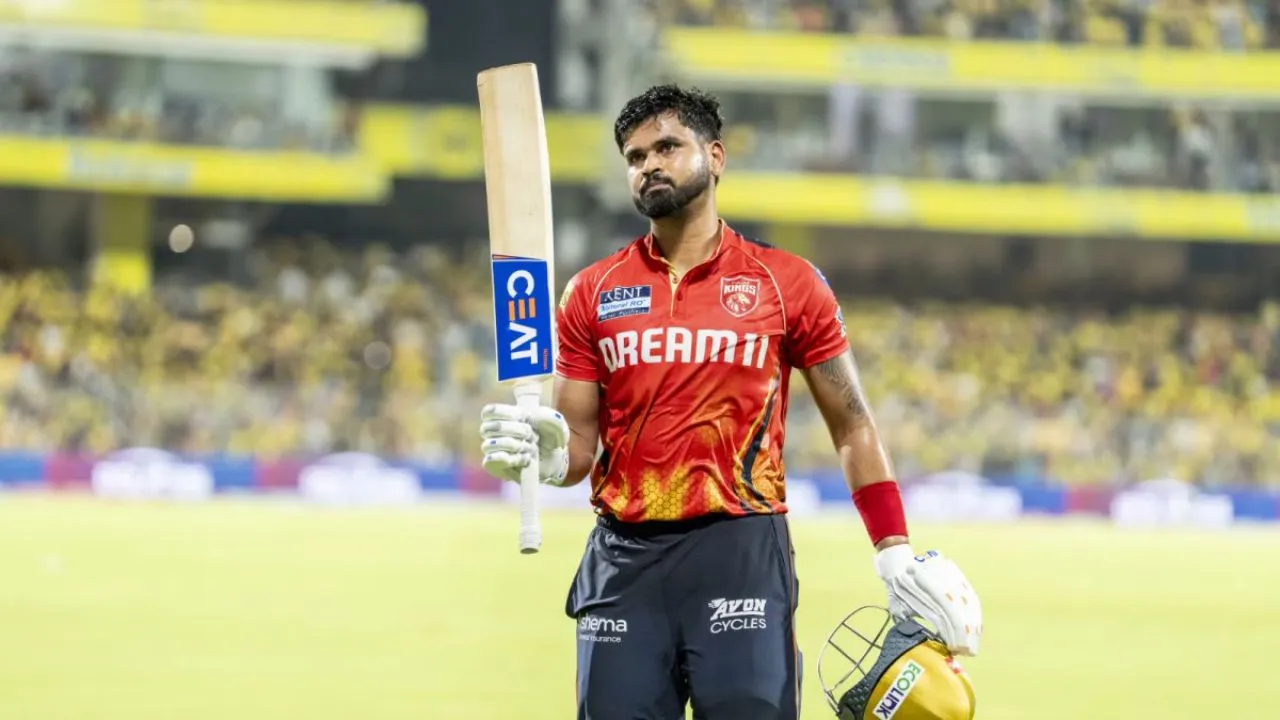
Punjab Kings penalised! Shreyas Iyer punished after win vs Gujarat Titans in IPL 2026
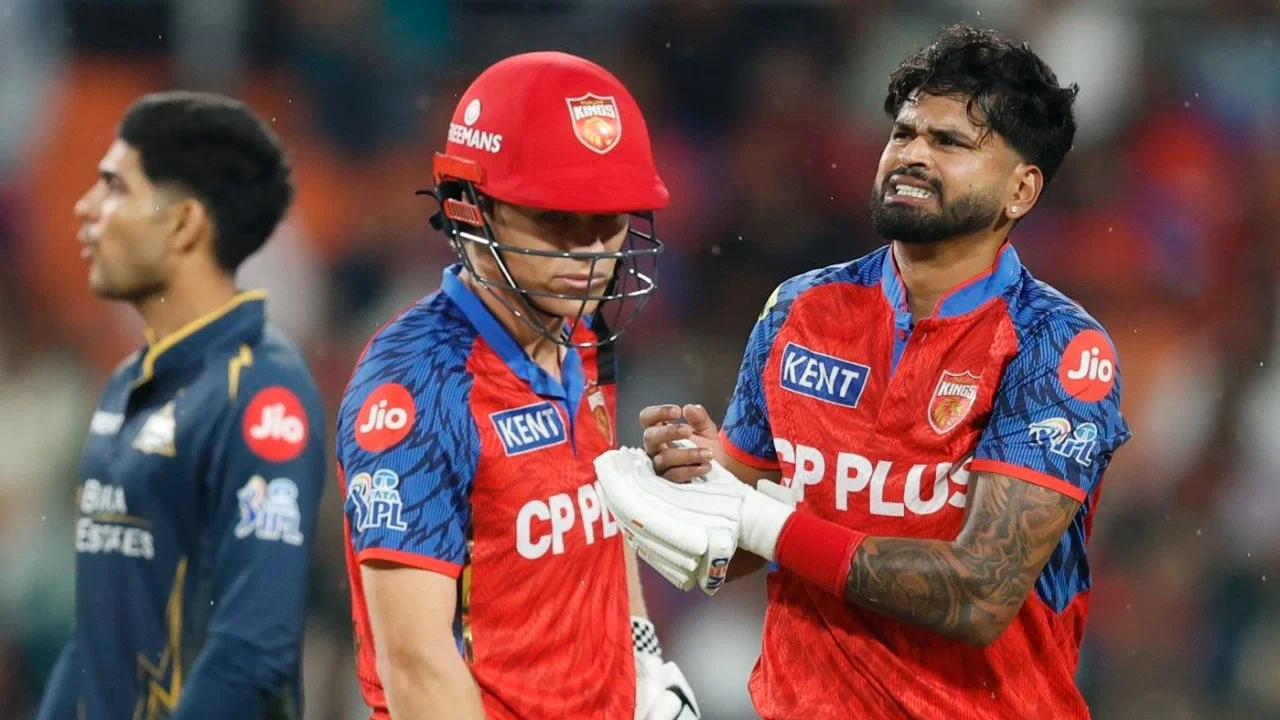
Shreyas Iyer injury update: Punjab Kings captain ruled out of IPL 2026?
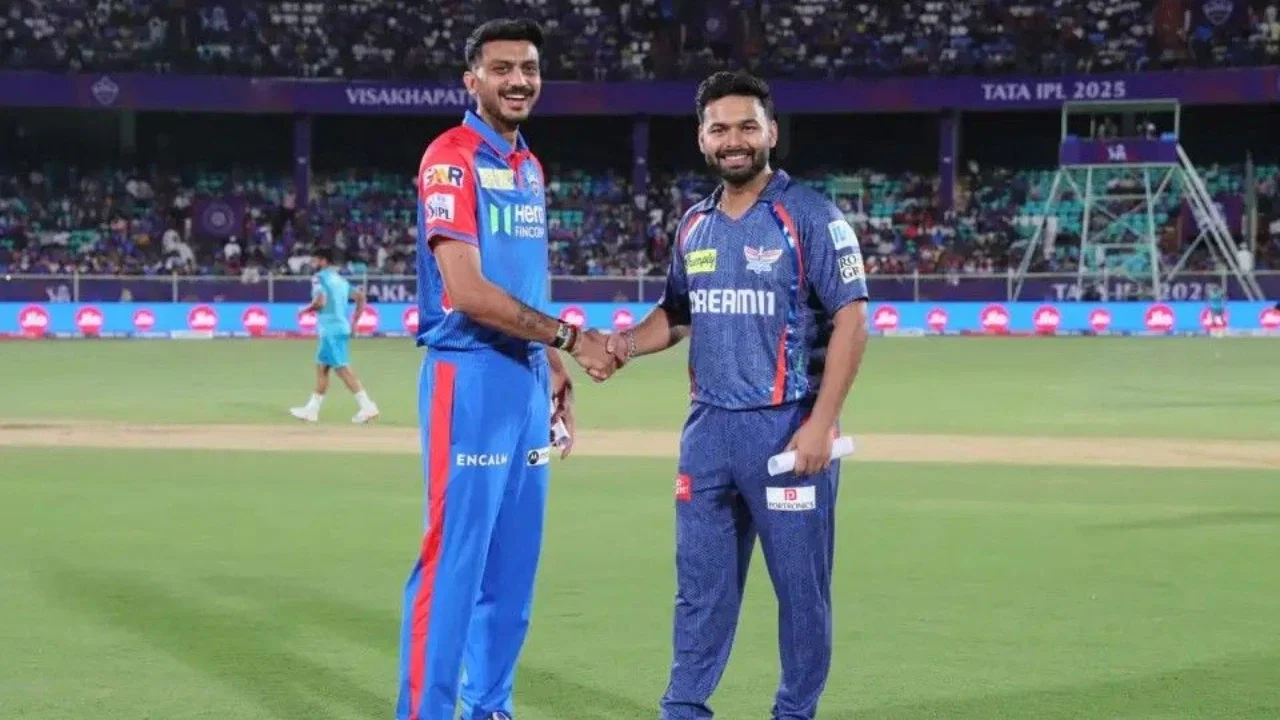
LSG vs DC Match No. 5 Preview: Free Live Streaming, Pitch & Weather Report, Head-to-Head | IPL 2026

LSG vs DC Match Prediction – Who Will Win Match No.5? | IPL 2026
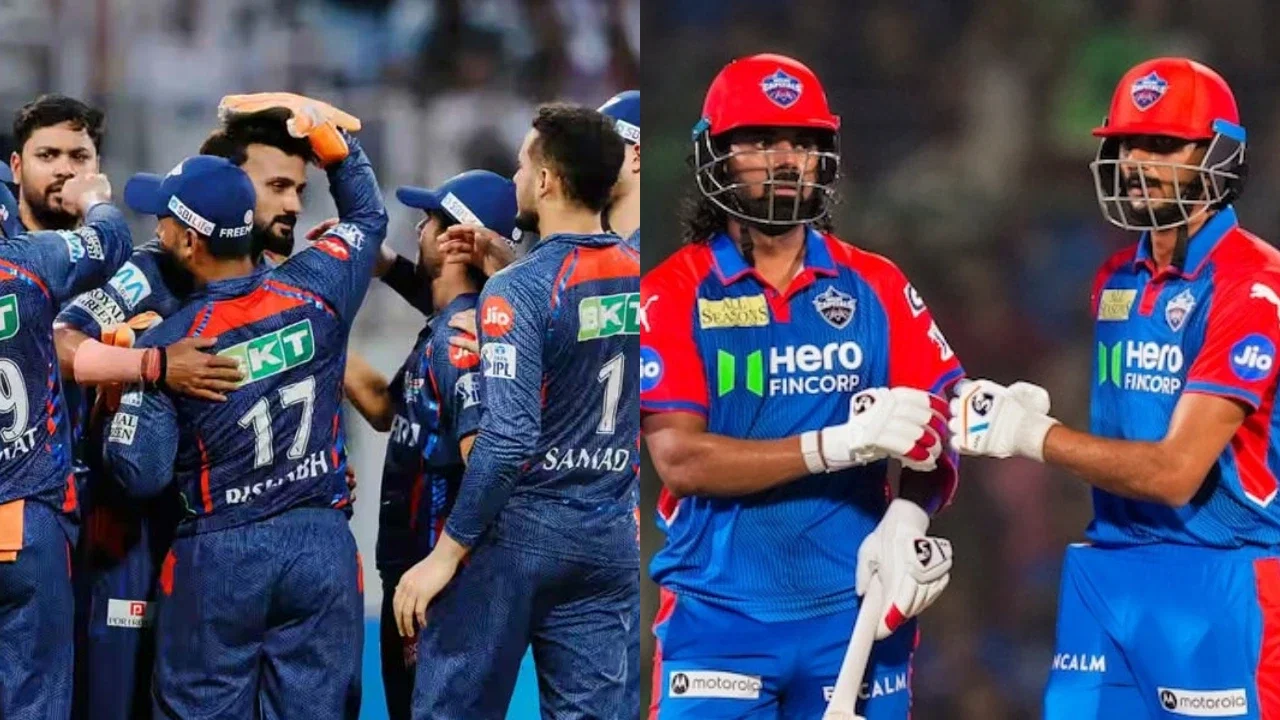
LSG Playing XI vs DC Playing XI – Match No. 5 | IPL 2026
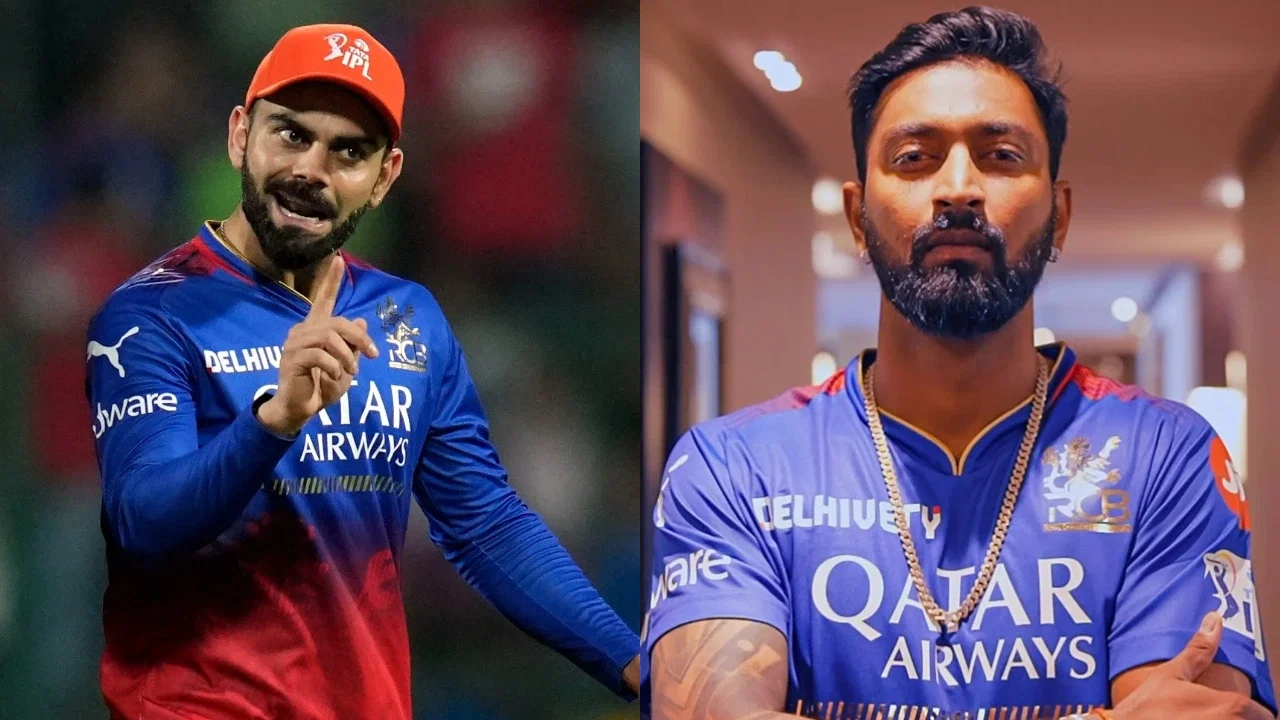
Krunal Pandya breaks silence on India snub, opens up on Virat Kohli
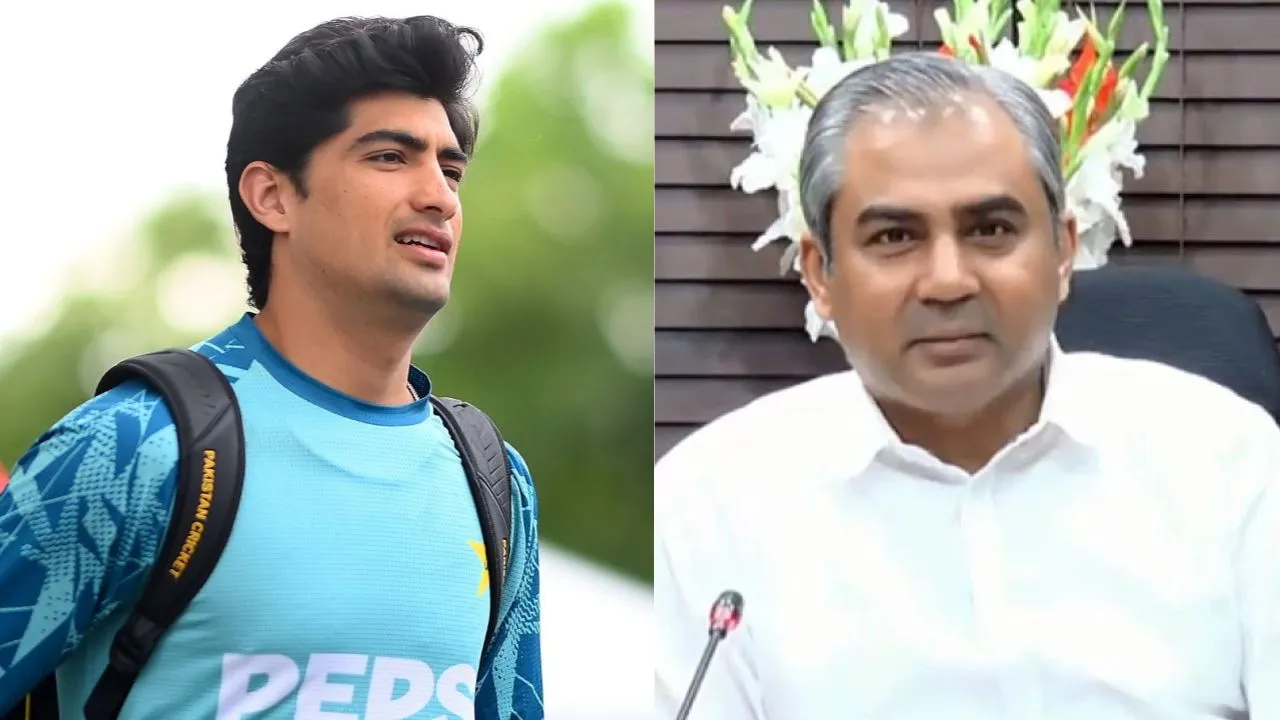
Mohsin Naqvi enforces new social media rules for Pakistan players following Naseem Shah incident
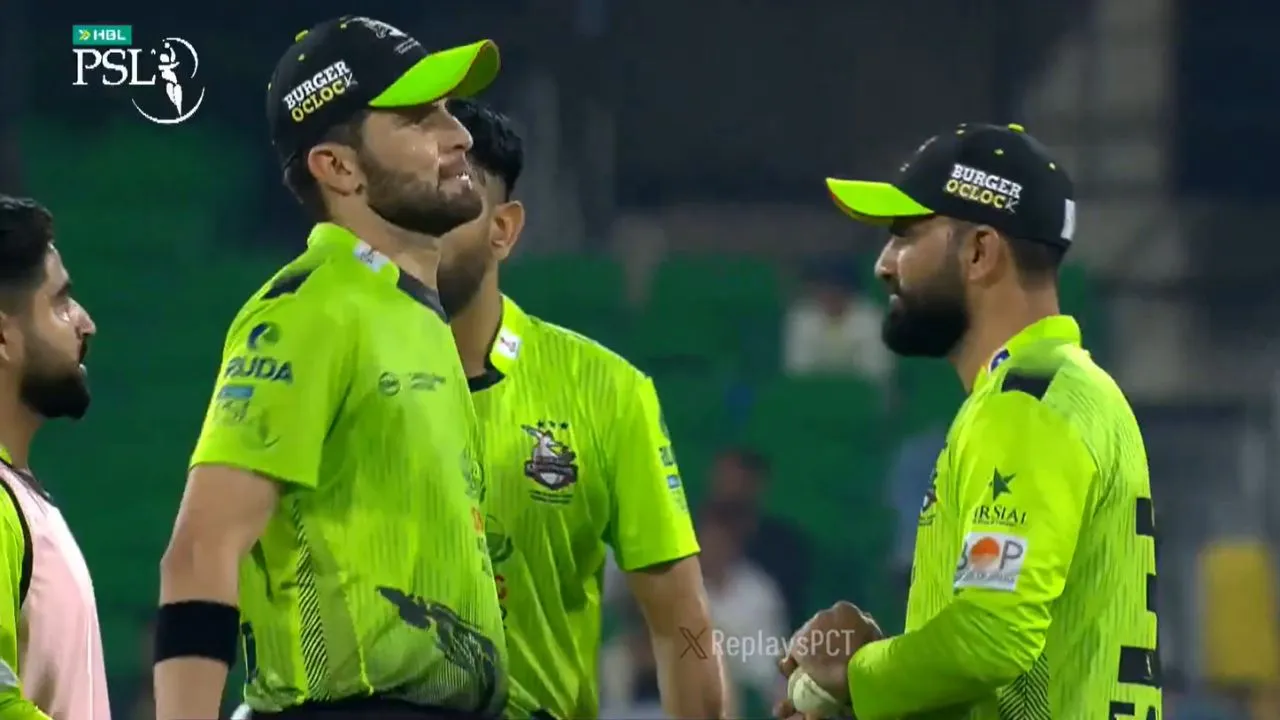
Fakhar Zaman officially handed cricket ban after PSL 2026 ball-tampering controversy
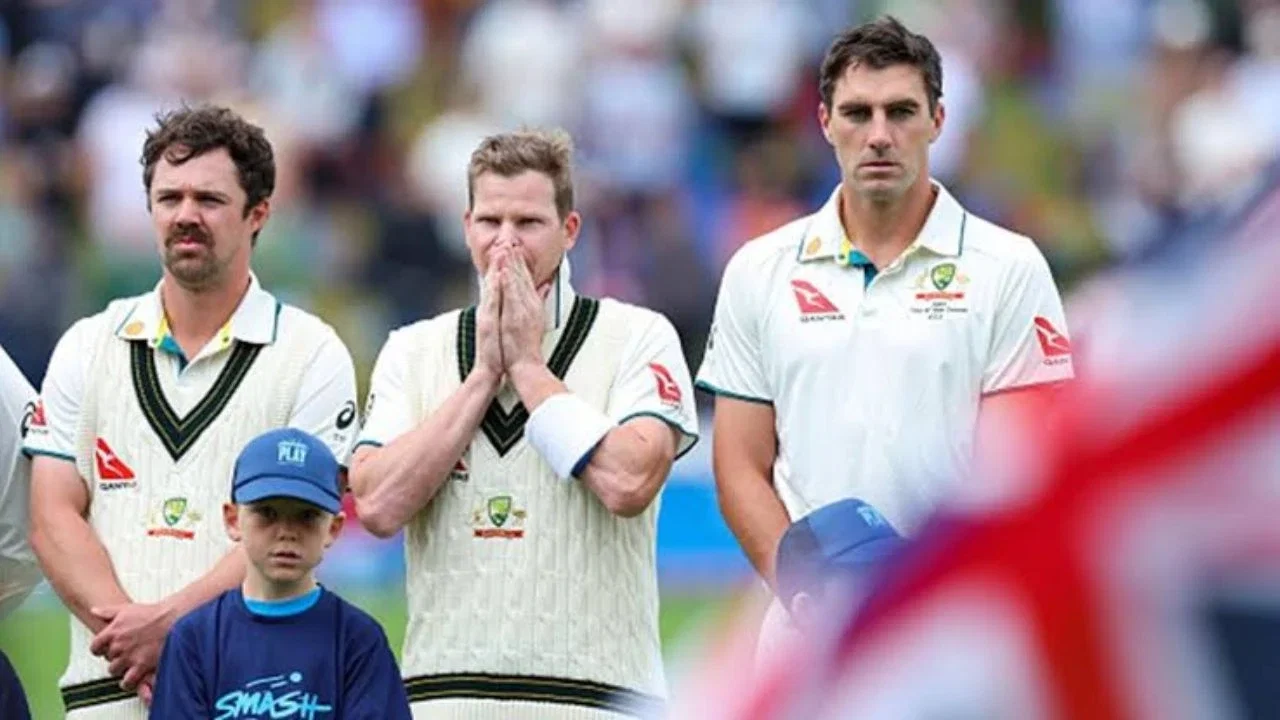
Pat Cummins forces Cricket Australia to slash central contracts list to secure premium deal
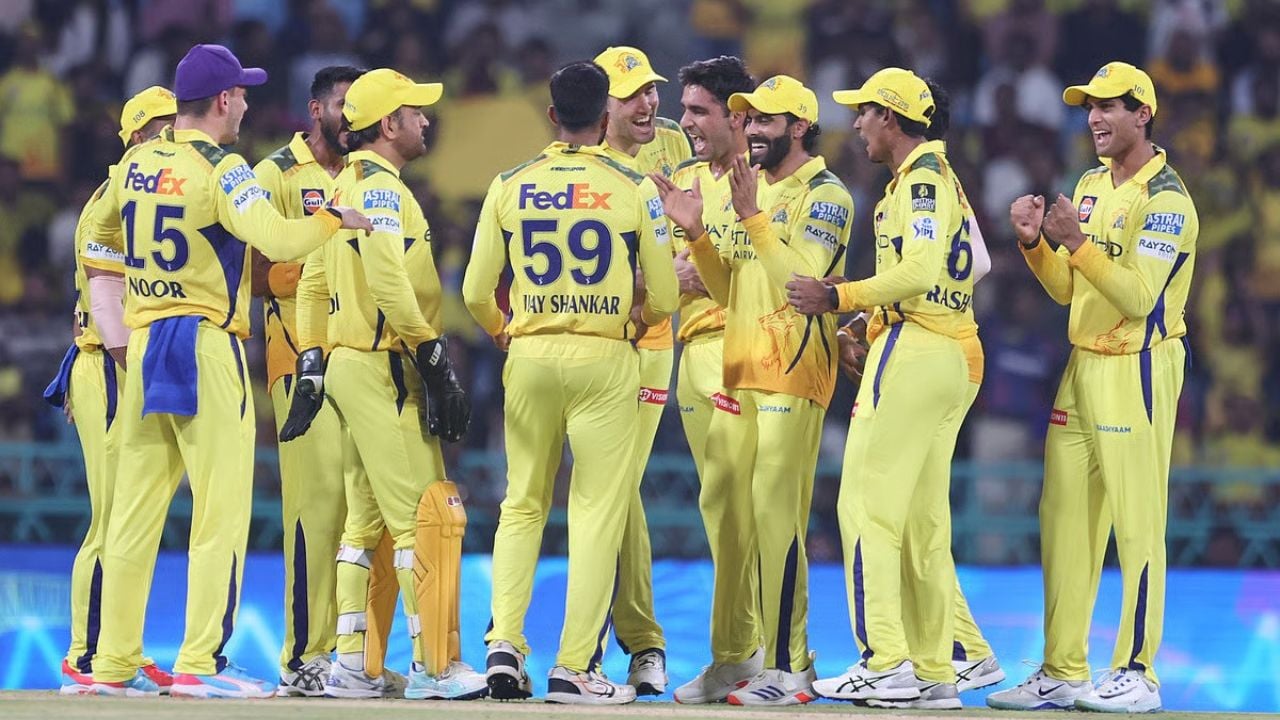
CSK’s big promise to players revealed amid IPL 2026: “Whatever BCCI offers, we’ll double it”
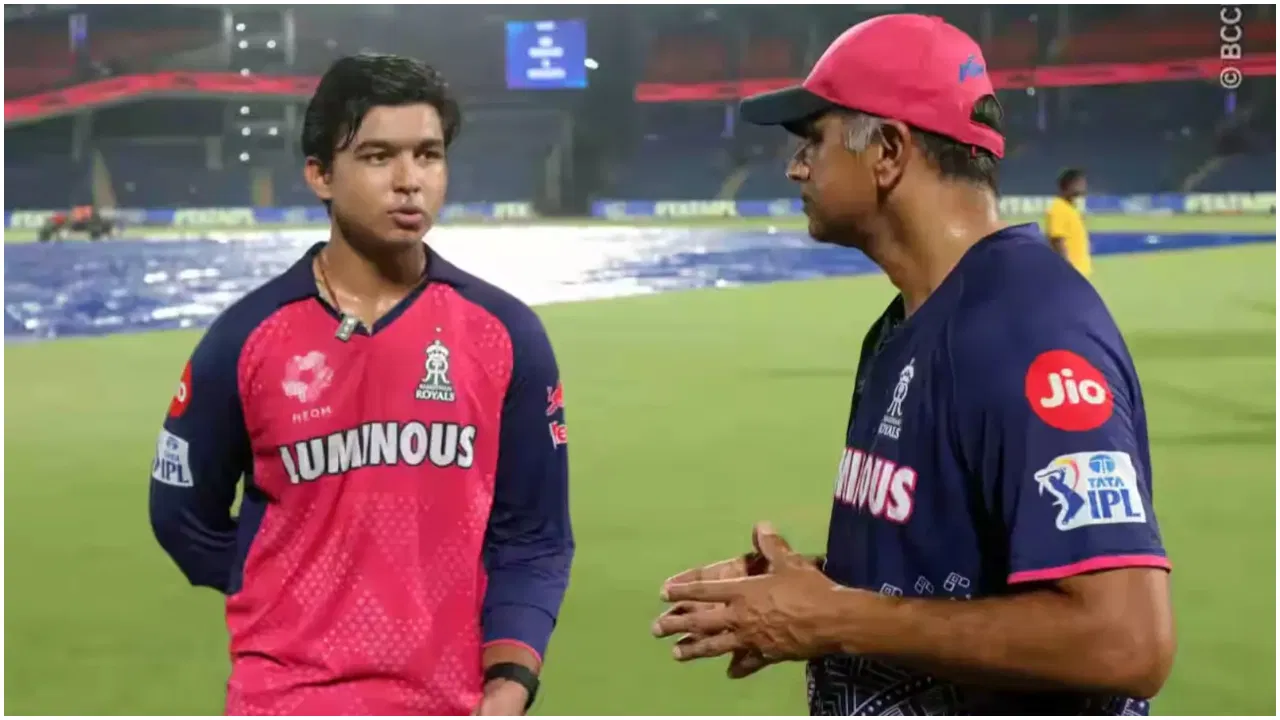
Ravichandran Ashwin rules out Vaibhav Sooryavanshi’s India call-up
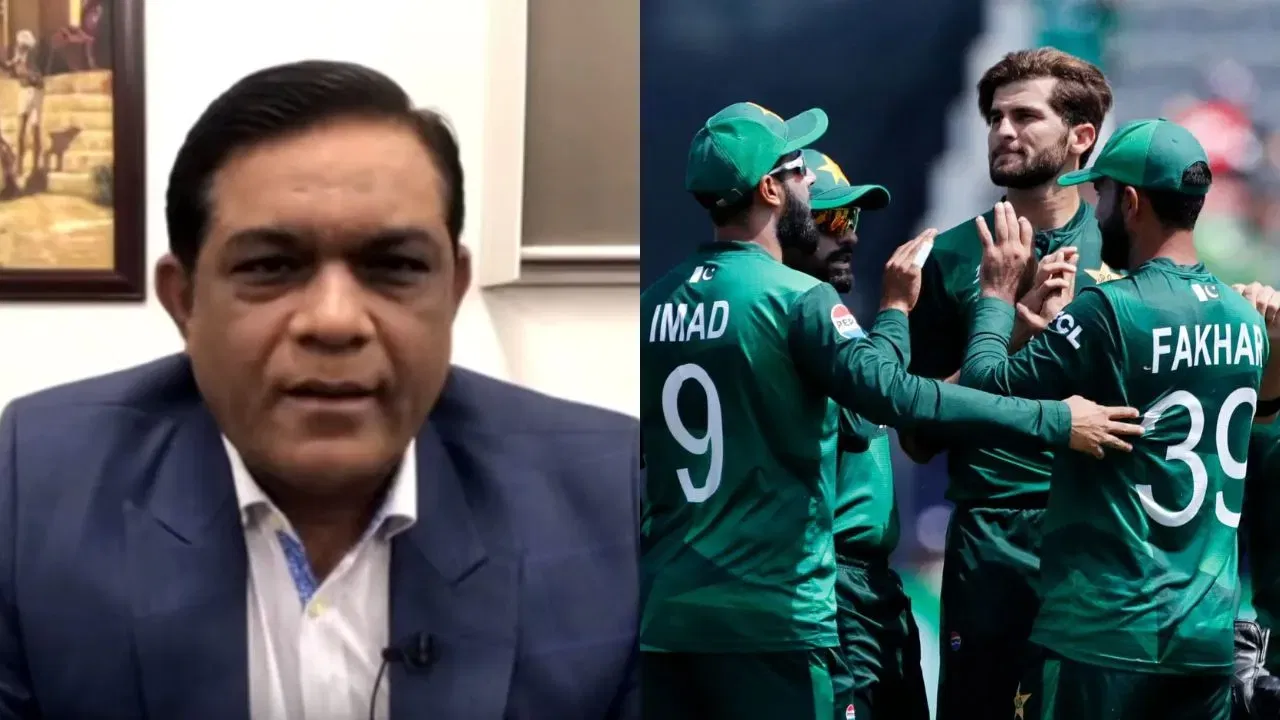
Rashid Latif claims PSL ball-tampering row was deliberately created for attention amid IPL rivalry
Mohammed Shami breaks silence on retirement buzz after India snub; has special message for LSG
Mohammed Shami reveals IPL 2026 Top 4, leaves out five-time champions

