Harbhajan Singh destroys Lalit Modi for making the “slapgate” video public
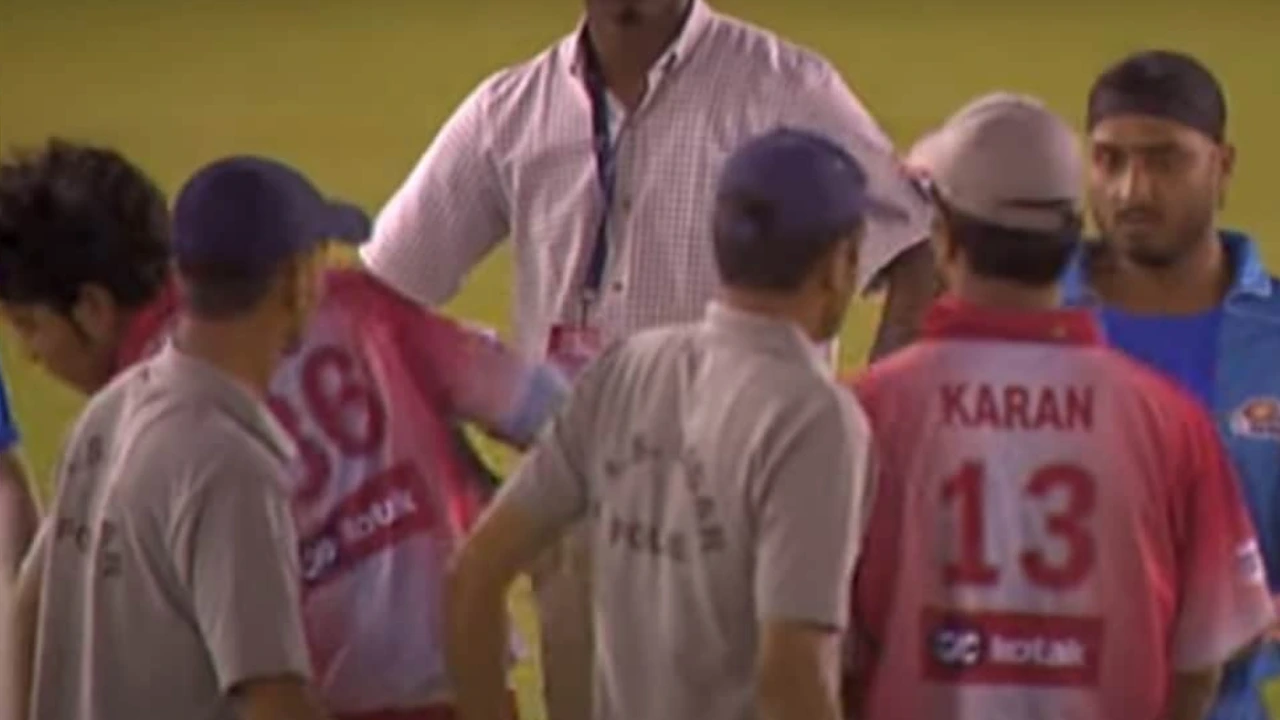
Former India Spinner Condemns Leak of IPL “Slapgate” Video
Former India spinner Harbhajan Singh has criticized IPL founder Lalit Modi for releasing the long-unseen footage of the infamous 2008 IPL “slapgate” incident. Harbhajan expressed his disappointment over the video being made public, suggesting that there might be a selfish motive behind its sudden emergence.
The Resurfacing of the “Slapgate” Incident
The video, which was aired on Michael Clarke’s Beyond23 Cricket Podcast on August 29, showcased the moment when Harbhajan Singh slapped S. Sreesanth during a match between the Mumbai Indians and Kings XI Punjab (now Punjab Kings) in 2008. This incident, which took place during post-match handshakes, led to a ban on Harbhajan for the remaining season.
Harbhajan Singh has publicly apologized for his actions in the past and reiterated his regret over the incident. Speaking on the leak of the video during Ganesh Chaturthi celebrations, he emphasized that the resurfacing of the incident after 18 years was unnecessary and only serves to remind people of a mistake that had long been forgotten.
Criticism from Sreesanth’s Wife
Sreesanth’s wife, Bhuvneshwari, also criticized the release of the video, stating that such incidents from the past should remain in the past. Sreesanth, who represented India in 90 matches and was part of the 2007 T20 World Cup and 2011 ODI World Cup-winning squads, has had a successful cricketing career despite the controversies.
Harbhajan Singh, acknowledging his mistake, reiterated his apology for the incident, emphasizing that humans make mistakes and that he deeply regrets his actions. He mentioned that he has always maintained a cordial relationship with Sreesanth over the years, despite the on-field altercation.
Reflecting on the Incident
During a podcast, Harbhajan Singh expressed that if given a chance to go back in time, he would not have resorted to slapping Sreesanth. He acknowledged that players often make mistakes in the heat of the moment but emphasized the importance of learning from those mistakes and moving forward.
As the “slapgate” video continues to circulate online, it serves as a reminder of the controversies that have surrounded the IPL over the years. While the incident may have been a dark chapter in both players’ careers, it also highlights the need for sportsmanship and mutual respect on and off the field.
Overall, the resurfacing of the video has sparked conversations about forgiveness, learning from mistakes, and the impact of past actions on one’s reputation. As the cricketing world reflects on this incident, it serves as a lesson for players and fans alike on the importance of sportsmanship and integrity in the game.
The Impact of Predictions on Cricket Controversies
Cricket, like any other sport, is full of unpredictable moments and controversies that often make headlines. While fans and experts often make predictions about match outcomes, player performances, and team dynamics, it is impossible to foresee every twist and turn that the game may take. The “slapgate” incident involving Harbhajan Singh and S. Sreesanth is a prime example of how a moment of heated emotions can quickly escalate into a controversy that lingers for years to come.
When looking back at the incident that occurred in the inaugural season of the IPL, many may wonder if such altercations could have been predicted or prevented. Predictions in sports are not just limited to match results; they also extend to the behavior of players on and off the field. While it is impossible to predict individual actions with certainty, there is a growing emphasis on sports psychology and mental conditioning to help athletes navigate high-pressure situations and maintain composure in challenging circumstances.
The Role of Forgiveness and Redemption in Cricket
As Harbhajan Singh and Sreesanth reflect on the “slapgate” incident years later, the themes of forgiveness and redemption come to the forefront. While the release of the video may have reignited discussions about the altercation, it also presents an opportunity for both players to showcase growth and maturity since that fateful moment. In the world of professional sports, where athletes are constantly under scrutiny, the ability to acknowledge past mistakes, seek forgiveness, and demonstrate personal growth is essential in maintaining a positive public image.
Cricket fans are often forgiving and understanding of the complexities of human behavior, especially when it comes to the emotions and tensions that can arise during competitive matches. While controversies like “slapgate” may leave a mark on a player’s career, the ability to learn from such incidents and move forward with dignity can ultimately shape a player’s legacy in the sport.
Lessons Learned and Moving Forward
As the cricketing community engages in conversations surrounding the “slapgate” incident once again, it is crucial to extract valuable lessons from the past and use them to propel the game forward positively. The incident serves as a reminder of the importance of sportsmanship, respect, and empathy both on and off the field. While predictions may attempt to anticipate the outcomes of matches, it is ultimately the actions and behaviors of individuals that define the spirit of the game.
Cricket, like life, is a series of unpredictable events that shape the narrative of the sport. While controversies may arise, it is how individuals respond to them and grow from the experience that truly defines their character. As Harbhajan Singh and Sreesanth continue their respective journeys in cricket and beyond, the “slapgate” incident stands as a poignant reminder of the power of forgiveness, redemption, and personal growth in the face of adversity.
In conclusion, while controversies may continue to surface in the cricketing world, it is the ability of players and fans to reflect, learn, and move forward that ultimately shapes the future of the sport. As predictions swirl and narratives unfold, the enduring lessons of forgiveness, integrity, and resilience will continue to guide the cricketing community towards a brighter and more inclusive future.
Latest News
MS vs HYDK Match Prediction, Pitch & Weather Report, Playing XIs, Head-to-Head, Free Live Streaming – PSL 2026 Match 8
ISU vs PSZ Match Prediction, Pitch & Weather Report, Playing XIs, Head-to-Head, Free Live Streaming – PSL 2026 Match 7
Ravindra Jadeja breaks silence on fiery send-off to Shivam Dube in RR vs CSK IPL 2026 clash
Mohsin Naqvi and PCB fines Naseem Shah for criticizing Pakistan’s top politician
IPL Points Table 2026: Updated Standings, Orange Cap, Purple Cap After RR vs CSK Match 3
Lahore Qalandars fines Shaheen Shah Afridi over security concerns
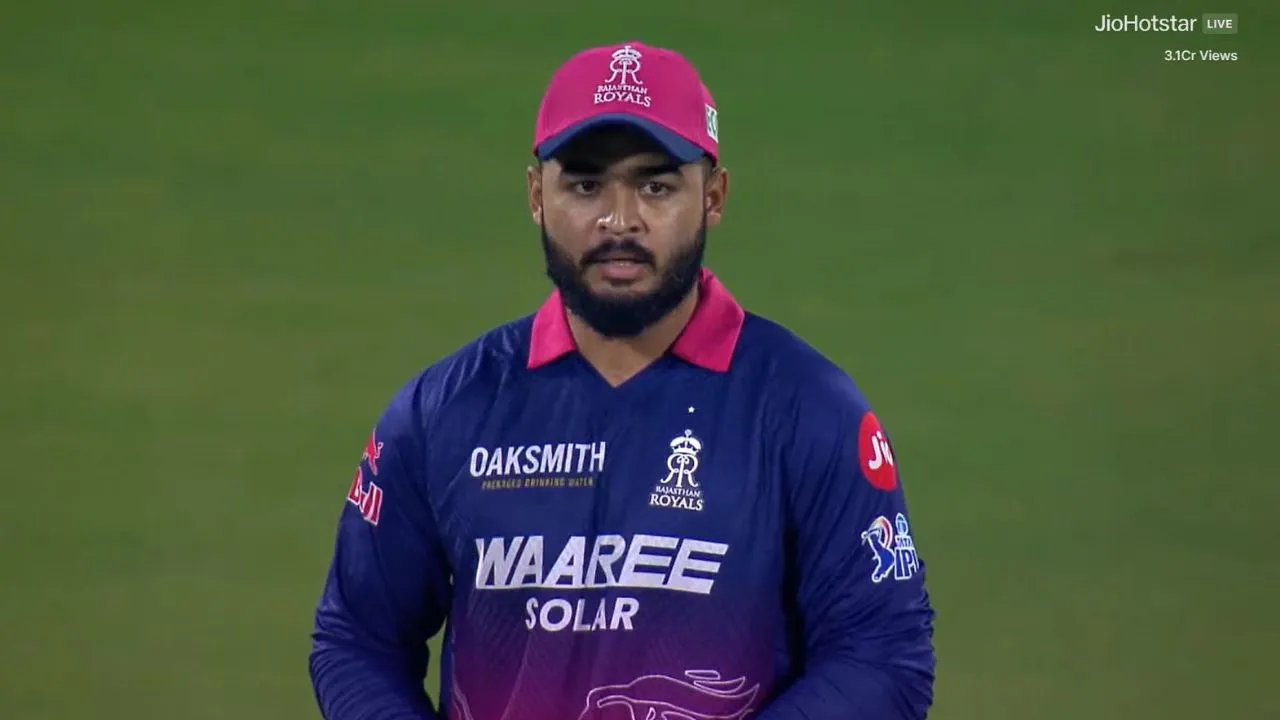
“All bowlers did well”: Riyan Parag praises bowling unit after RR’s dominating win over CSK in IPL 2026
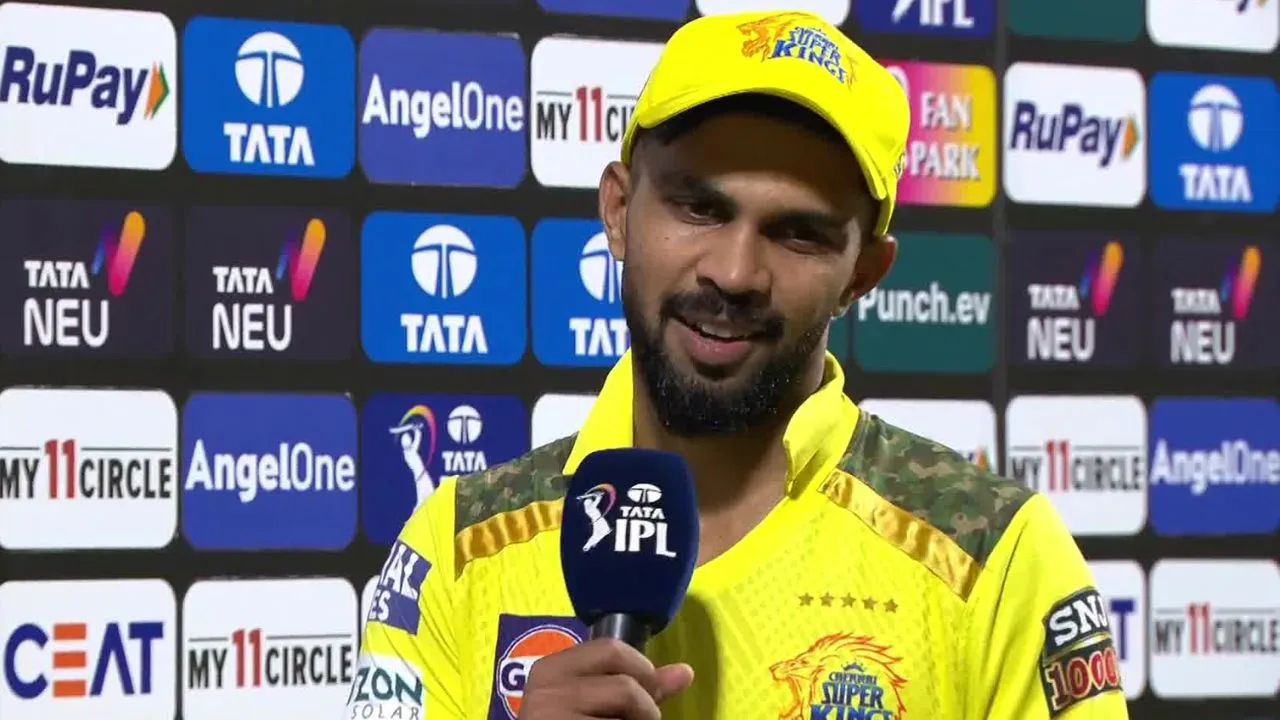
“A lot of mistakes”: Ruturaj Gaikwad points at batting collapse after humilating loss vs RR in IPL 2026
Aakash Chopra hits back at fan with sharp reply on social media
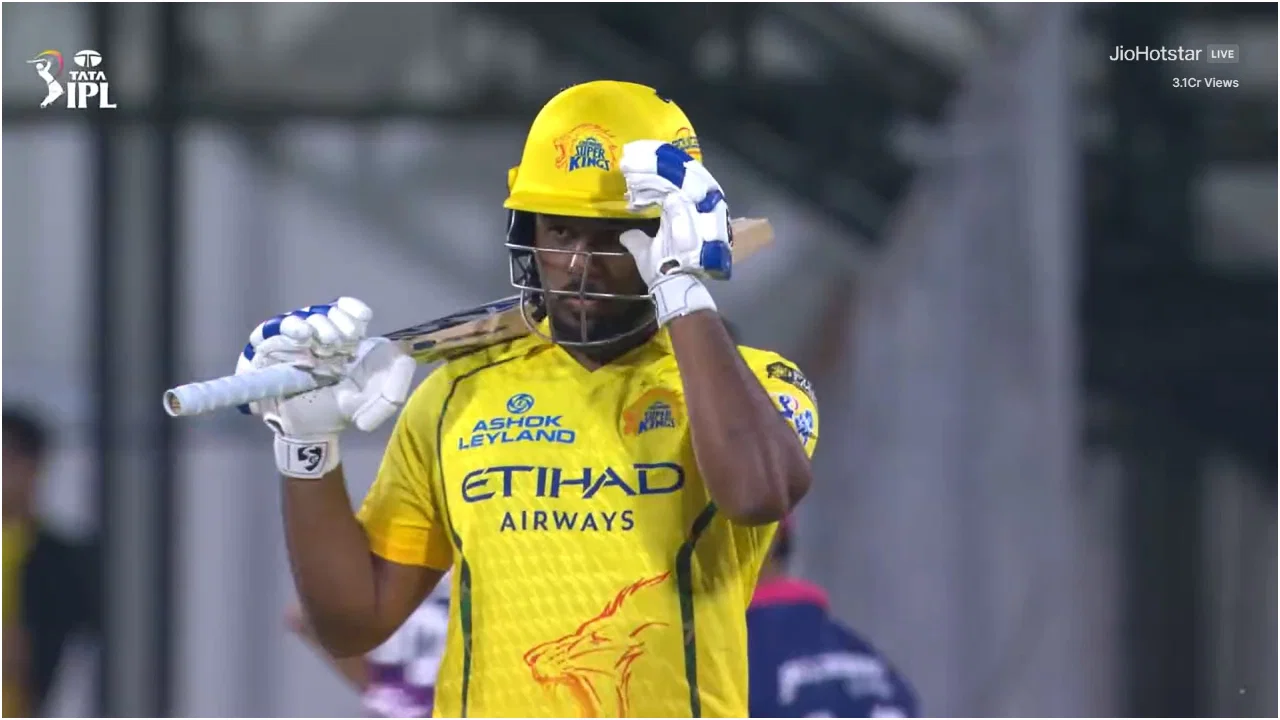
Sanju Samson castled for 6 by Nandre Burger, fails badly on CSK debut in IPL 2026
Jofra Archer strikes gold, sends Ruturaj Gaikwad packing for 6
“Is a big mistake”: Manvinder Bisla urges patience, backs KKR bowlers to bounce back
“Bas bhai ab aur nahi”: Fans trolls CSK after batting collapse vs RR in IPL 2026
‘Rohit Sharma will worry all IPL teams’ – Ex-RCB captain issues warning to CSK and others