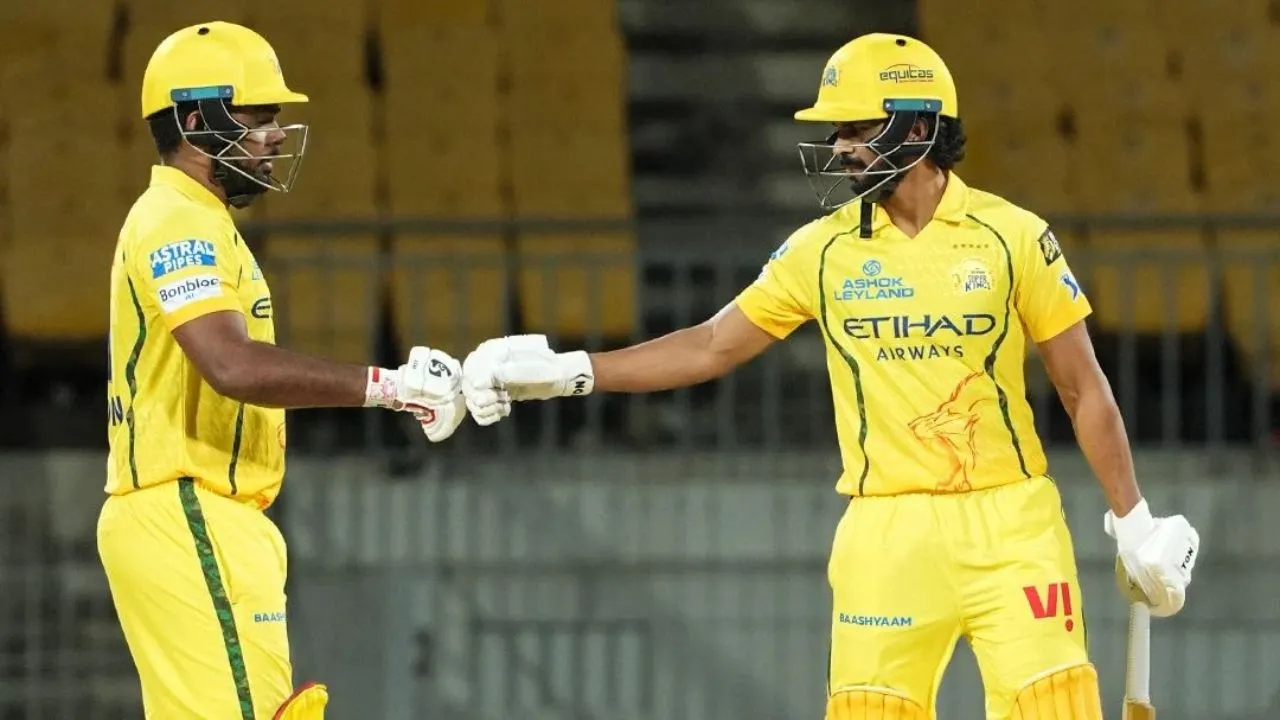
Hardik Pandya FORCED into Vijay Hazare Trophy despite injury fears
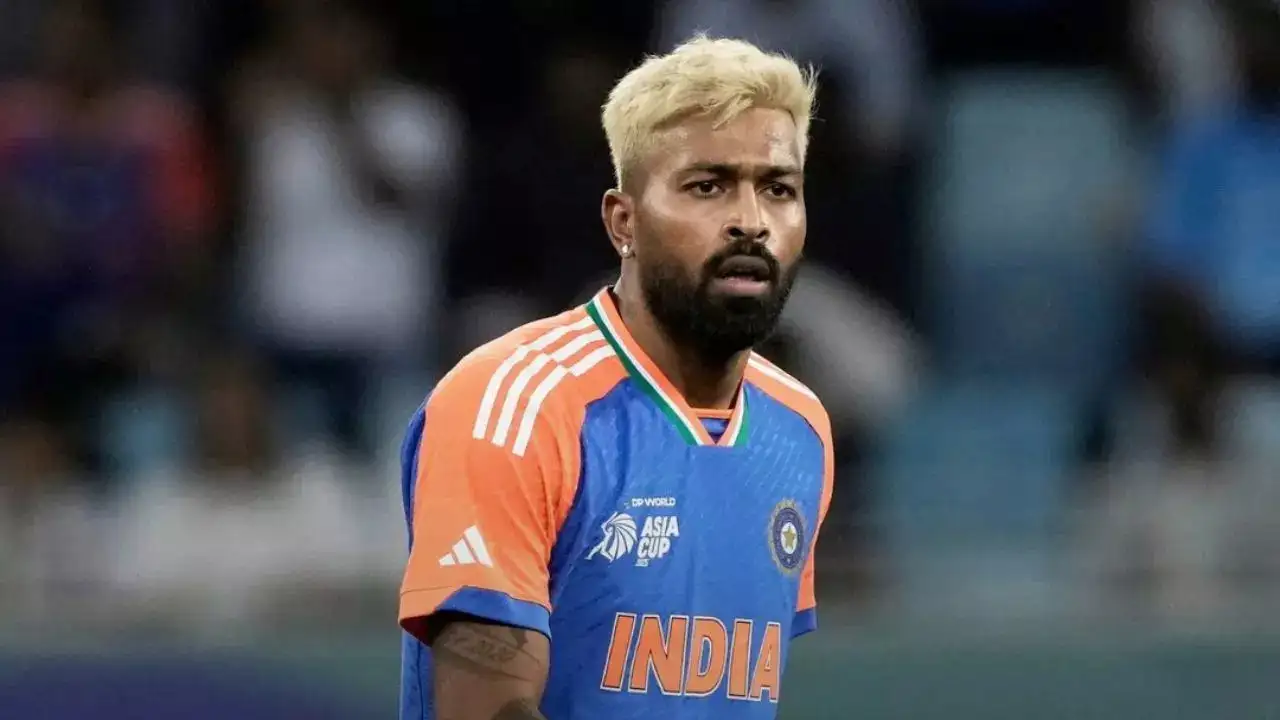
Hardik Pandya likely to be rested for ODIs against New Zealand
Indian all-rounder Hardik Pandya is set to be rested for the upcoming home ODI series against New Zealand, as the team management aims to manage his workload ahead of the ICC T20 World Cup. Pandya has turned to Baroda to make his comeback in the 50-over format by participating in the final three matches of the Vijay Hazare Trophy.
Preparing for the ICC T20 World Cup
With the T20 World Cup on the horizon, the Indian team is looking to optimize their squad and ensure that key players are in peak condition for the tournament. One such player is Hardik Pandya, who recently made his return to competitive cricket during the T20I series against South Africa.
Pandya had been sidelined due to a quadriceps injury, which forced him to miss the Asia Cup 2025 final and the white-ball tour to Australia. After a period of recovery, Pandya showcased his form in the Syed Mushtaq Ali Trophy for Baroda before earning his spot back in the national team.
Confirmed return in Vijay Hazare Trophy
It has been confirmed that Hardik Pandya will feature in two of the last three league stage matches for Baroda in the Vijay Hazare Trophy. He will play against Vidarbha and Chandigarh on January 3 and 8, respectively. However, Pandya will not participate in the game against Jammu & Kashmir on January 6 to manage his workload effectively.
“He’s not there for the clash against Jammu & Kashmir on January 6, as he needs ample break to manage his load in the lead-up to the T20 World Cup,” a source revealed.
Rest advised by BCCI selectors
The BCCI selectors have advised Hardik Pandya to rest from the New Zealand ODI series to ensure his fitness and readiness for the T20 World Cup. Pandya last featured in an ODI game back in March 2025 and has not played in the format since then. The selectors believe that his presence in the T20Is and the World Cup is paramount for India’s success.
Meanwhile, with Pandya set to be rested, the question arises about who will fill the all-rounder’s spot in the ODI series against New Zealand. Nitish Kumar Reddy, who stepped in as a replacement during the Australia tour, is now in contention once again. Reddy has been performing well in the Vijay Hazare Trophy, particularly with the ball, making him a strong candidate to replace Pandya.
As India prepares for crucial tournaments ahead, the focus remains on managing player workload and ensuring the best possible squad combinations for success.
Importance of Player Management in Modern Cricket
In the fast-paced world of modern cricket, player workload management has emerged as a crucial factor in ensuring the longevity and peak performance of athletes. With a packed international schedule, players often find themselves juggling between different formats of the game, domestic leagues, and franchise cricket. As a result, injuries and burnout have become common occurrences, prompting teams to adopt a more proactive approach towards managing their players.
By resting Hardik Pandya for the upcoming ODI series against New Zealand, the Indian team management is setting a positive example of prioritizing player welfare over short-term gains. This strategic decision not only allows Pandya to recover fully from his injury but also gives him the necessary time to build up his match fitness gradually. In the long run, this approach can benefit both the player and the team by reducing the risk of further injuries and ensuring that Pandya remains a key asset for India in major tournaments.
Impact on Team Dynamics
While Hardik Pandya’s absence may create a void in the Indian squad for the ODI series against New Zealand, it also presents an opportunity for other players to step up and showcase their skills. In the absence of Pandya, younger all-rounders like Nitish Kumar Reddy have a chance to prove their mettle at the international level and stake a claim for a permanent spot in the team.
This rotation and experimentation with the squad not only provide valuable exposure to emerging talents but also serve as a means to build depth and versatility within the team. As India prepares for major tournaments like the ICC T20 World Cup, having a pool of talented players who can seamlessly slot into different roles can be a game-changer in high-pressure situations.
Striking the Right Balance
Managing a player of Hardik Pandya’s caliber requires a delicate balance between pushing him to perform at his best and ensuring that he remains fit and injury-free. The decision to rest Pandya for the ODI series against New Zealand exemplifies the team management’s commitment to long-term success rather than short-term gains.
By strategically planning his workload and providing adequate rest periods, the team is not only safeguarding Pandya’s physical well-being but also maximizing his impact on crucial tournaments like the T20 World Cup. This proactive approach to player management reflects a shift towards a more holistic and sustainable strategy in modern cricket, where performance and player welfare go hand in hand.
Looking Ahead
As the cricketing landscape continues to evolve, the emphasis on player management and workload optimization is likely to become even more pronounced. Teams around the world are recognizing the importance of keeping their players fresh, motivated, and injury-free throughout the grueling international calendar.
Hardik Pandya’s rest for the ODI series against New Zealand is not just a temporary measure but a strategic move aimed at ensuring his longevity and effectiveness in the Indian team. By prioritizing player welfare and long-term success, teams can build a sustainable foundation for sustained excellence in the ever-changing world of cricket.
With the T20 World Cup on the horizon, the decision to rest Pandya may prove to be a masterstroke in India’s quest for glory on the global stage.
Latest News
Ben Stokes return date revealed after injury layoff, set to miss start of season
Mitchell Starc issues official statement on his IPL 2026 availability
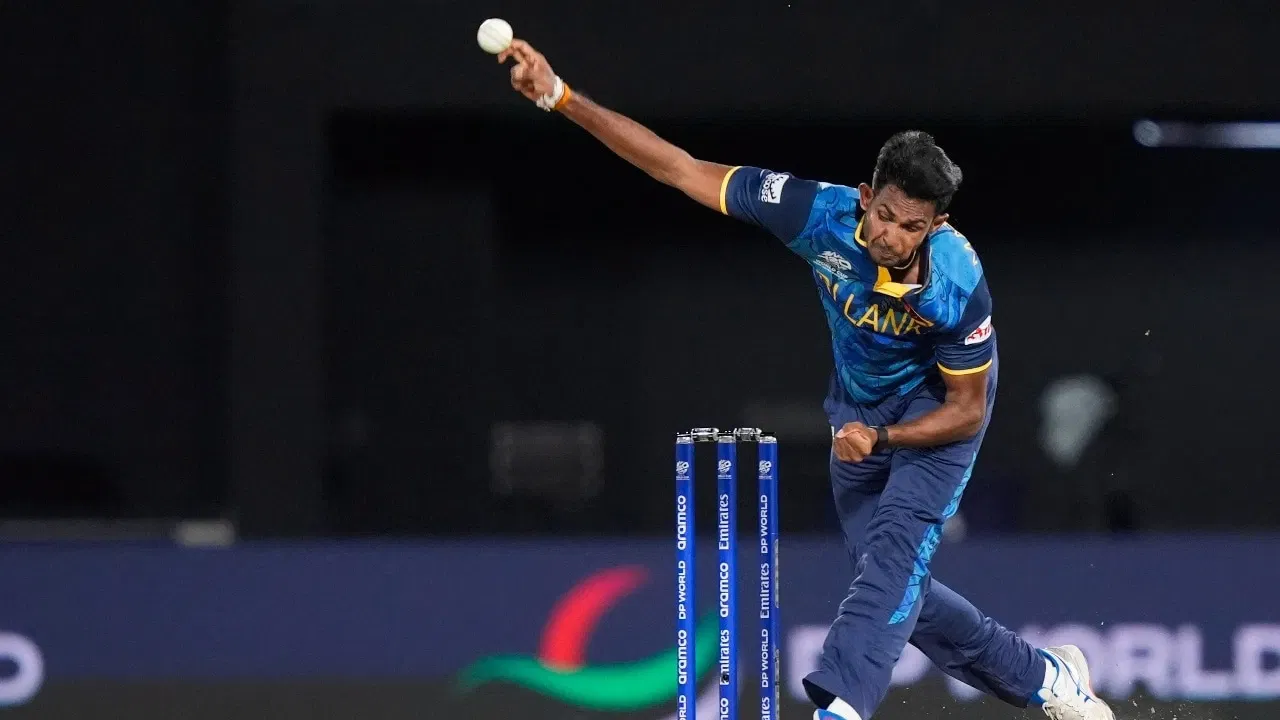
Matheesha Pathirana IPL return date revealed, set to miss two matches

Living Like Prince: Shubman Gill Buys a Massive ₹20.7 Cr Luxury Home in Juhu.
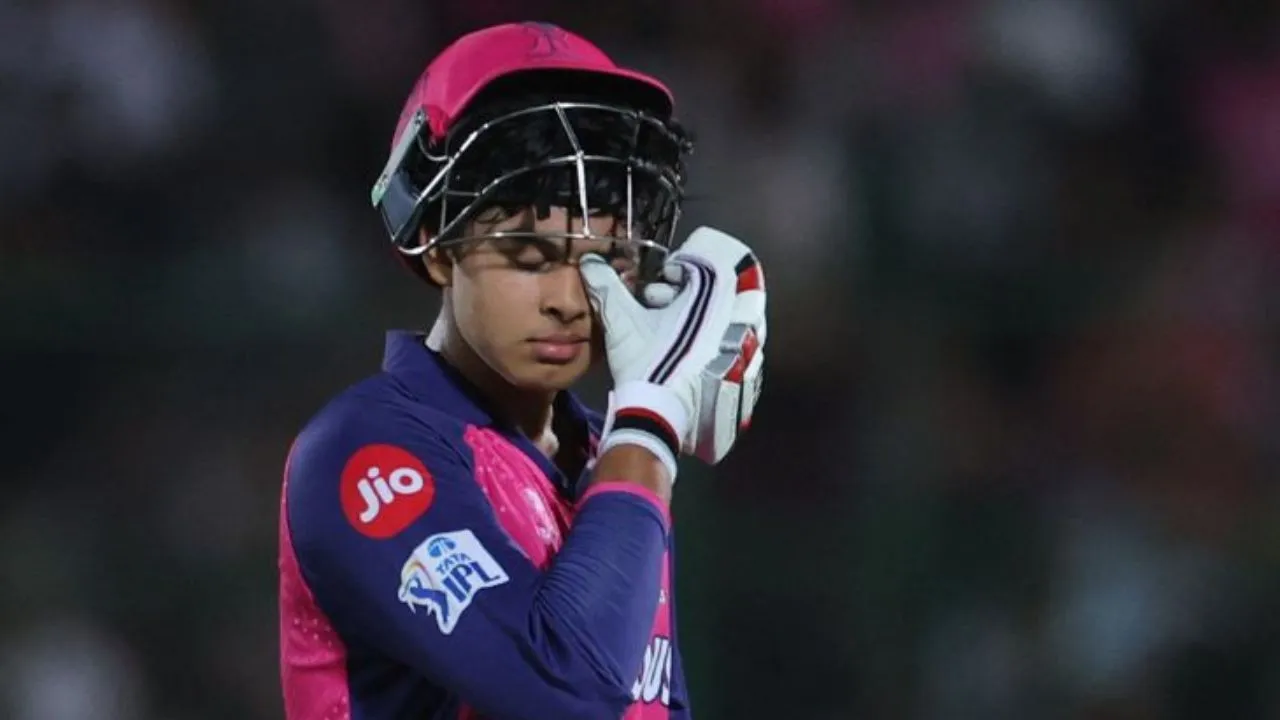
Not Vaibhav Sooryavanshi! Shashank Singh points out the most exciting young batter in IPL 2026
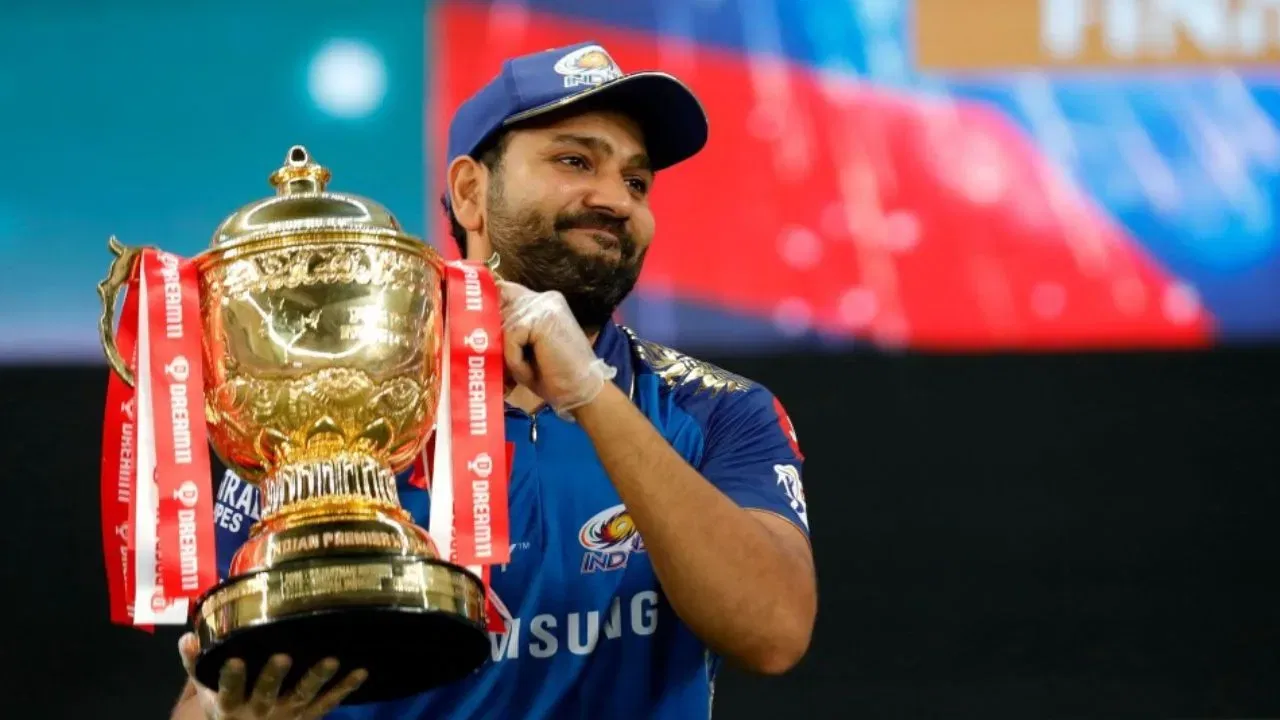
Rohit Sharma will perform better than Virat Kohli in IPL 2026, claims South Africa GOAT
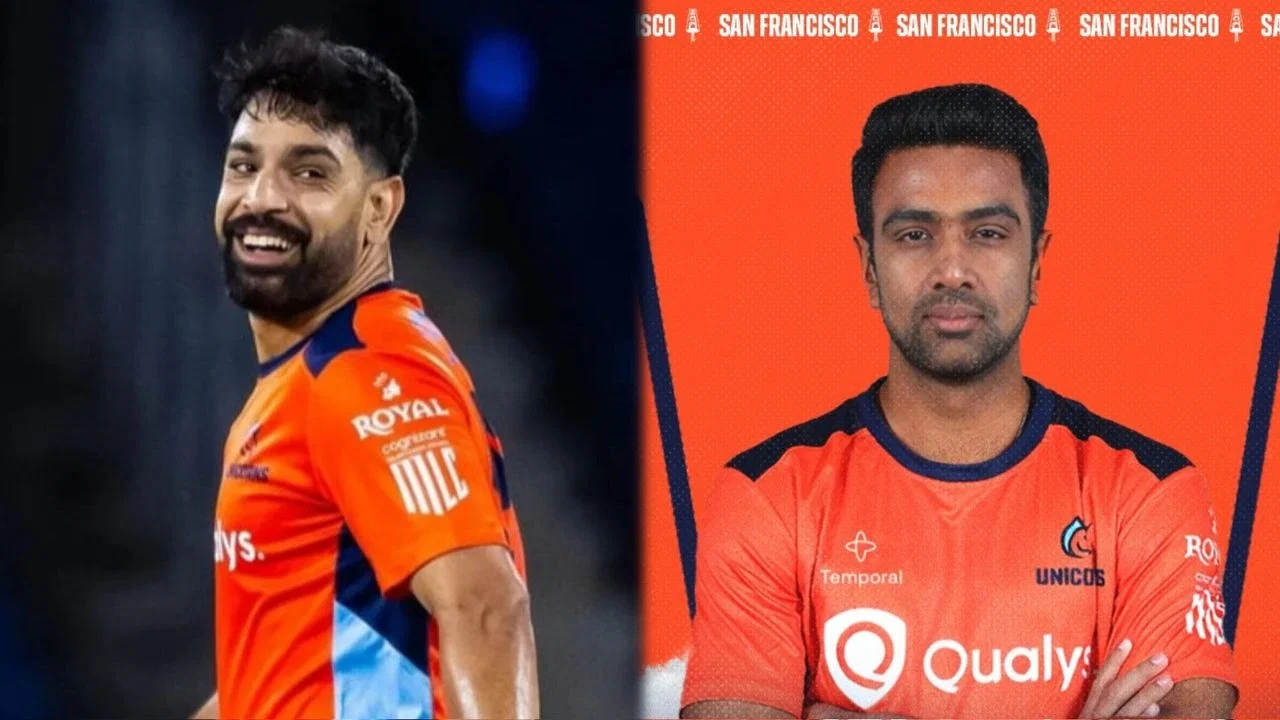
Ravichandran Ashwin set to team up with Haris Rauf for San Francisco Unicorns in MLC
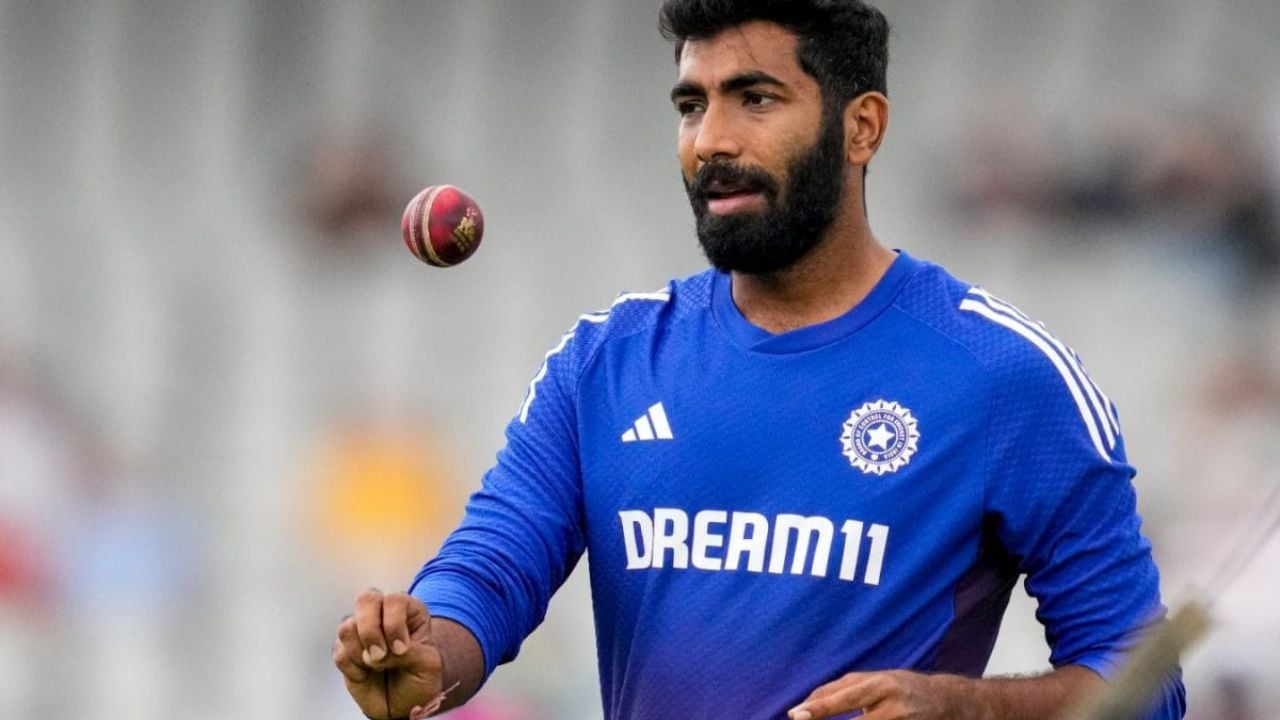
Jasprit Bumrah, Matheesha Pathirana injury updates: MI, KKR coaches issue official medical bulletin
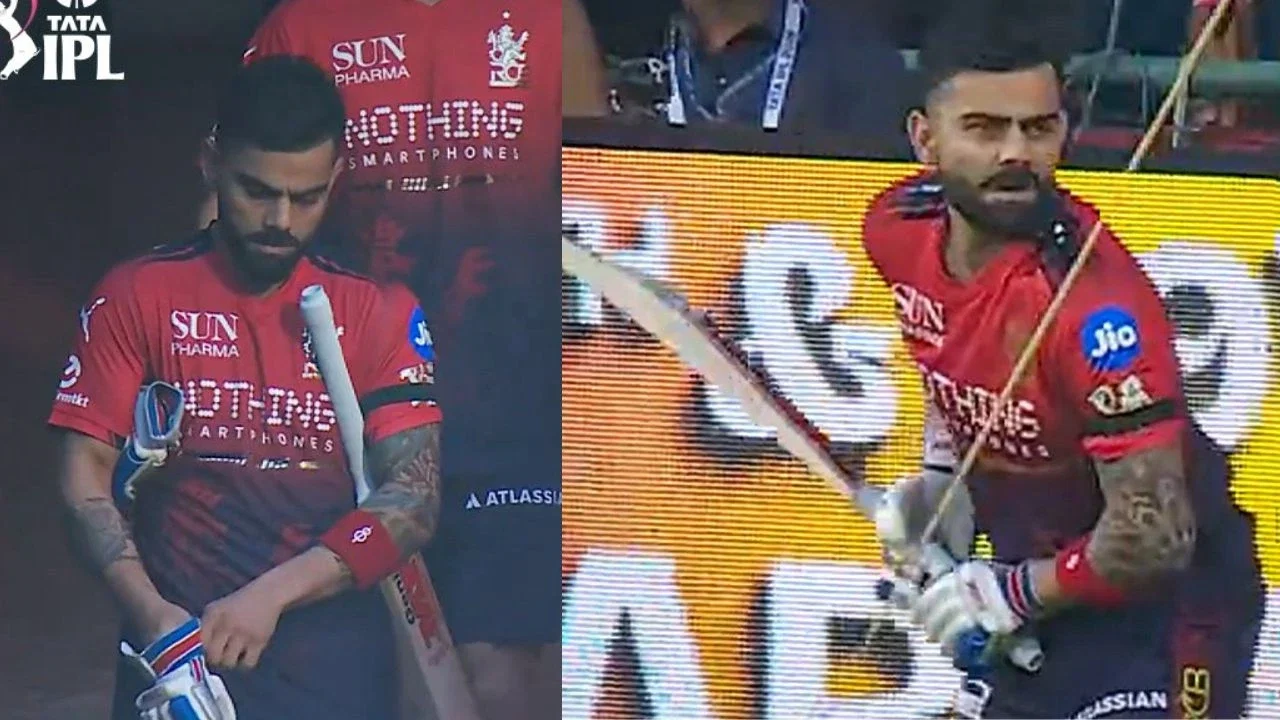
Why are RCB players wearing black armbands today vs SRH in IPL 2026 Match 1?
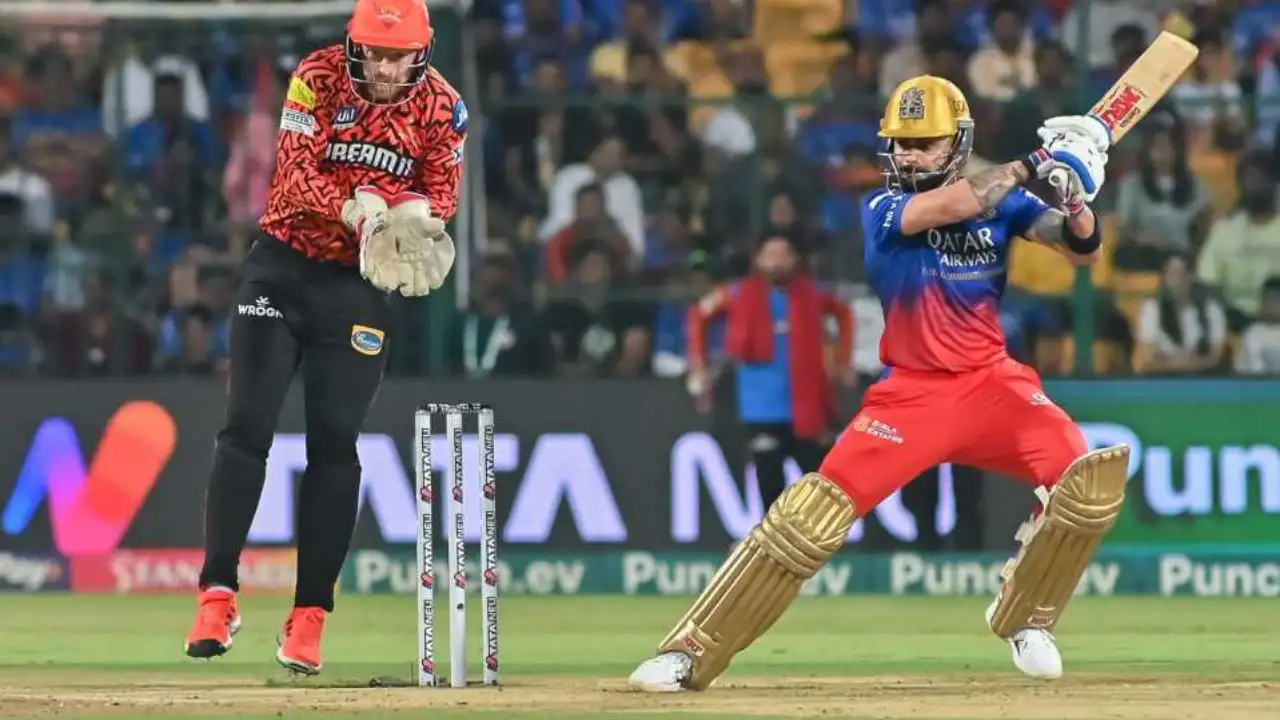
RCB vs SRH Impact Players Today: Toss Report, Playing XIs, Latest Updates IPL 2026 Match 1
Yograj Singh makes blunt remark at Virat Kohli and Rohit Sharma over early retirement calls
Bhuvneshwar Kumar on brink of IPL history, needs two wickets for massive milestone
IPL to be broadcasted? Bangladesh government drops massive update on IPL broadcast ban

SRH fans to boycott IPL? Former India cricketer shares insights on social media drama around Abrar Ahmed