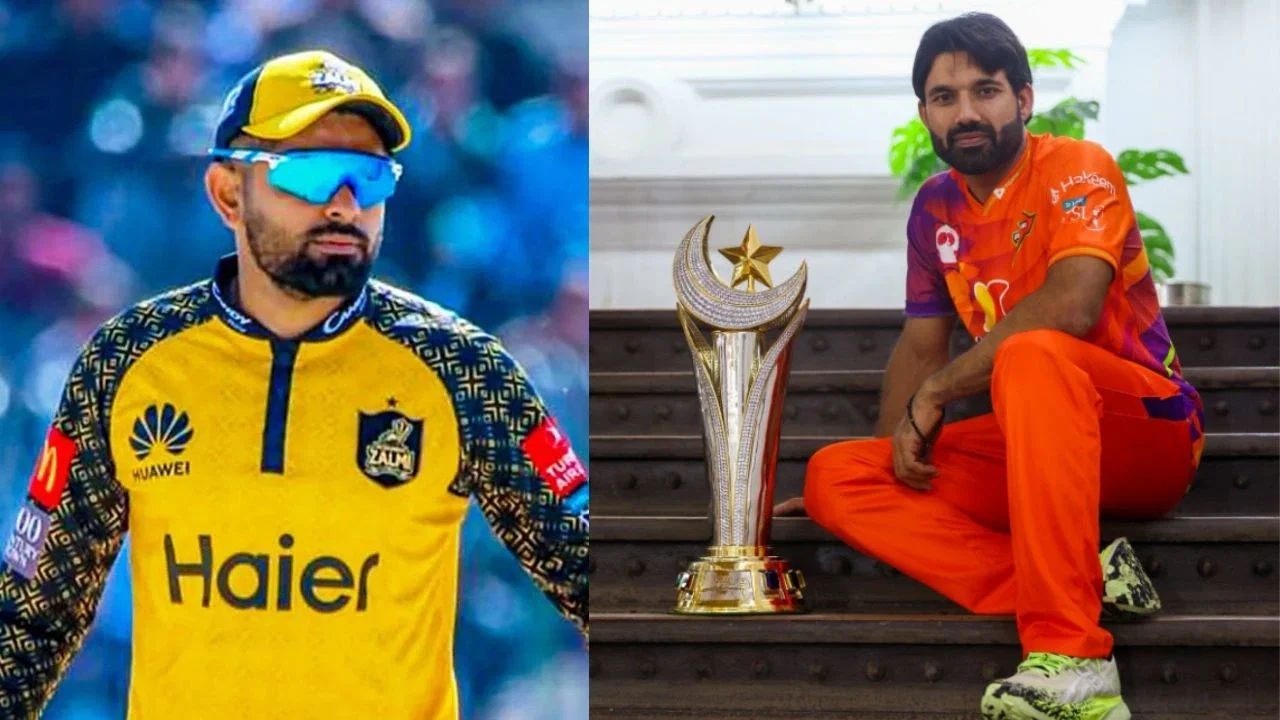
Harry Brook claims he was “Perfectly Fine” with being sacked as England captain after nightclub fight

England White-Ball Captain Harry Brook Retains Position Despite Off-Field Controversy
Harry Brook’s Apology and Pledge to Regain Trust
England’s white-ball skipper, Harry Brook, has managed to hold onto his position as captain of the national side despite facing a serious off-field altercation with a bouncer in New Zealand. Brook has publicly apologized to his teammates and the management for his actions and has pledged to regain their trust moving forward.
Series of Issues Plaguing England Cricket Team
The England cricket team has been facing a series of challenges and controversies in recent times, with several players being involved in off-field incidents that have raised concerns about discipline within the squad. Notable players like Ben Duckett, Jacob Bethell, and Harry Brook have been under scrutiny for their behavior, including incidents of excessive drinking during tours to New Zealand and the Ashes series.
Harry Brook’s Off-Field Altercation and Penalties
Harry Brook found himself in hot water after being involved in an altercation with a bouncer at a nightclub in New Zealand, leading to a fine of £30,000 and a final warning for his off-field conduct. The incident put Brook’s captaincy in jeopardy, but he managed to retain his position after admitting his mistake and showing remorse.
Brook acknowledged his error, stating, “I made a terrible mistake, not only as a player but as a captain. It was unprofessional, and I should be leading from the front. I apologize to my teammates, fans, and the ECB for putting them in a difficult situation, and I am committed to ensuring it never happens again.”
Regaining Trust and Moving Forward
Following the incident, Harry Brook acknowledged the need to rebuild trust with his teammates and has taken the first step by apologizing to them personally. He expressed his gratitude for being allowed to continue as captain and emphasized his dedication to playing for England.
When asked about retaining his position, Brook stated, “If I had been sacked, I’d have held my hands up and said: ‘Look, I’ve made a mistake’ and I’d have been perfectly fine with it, as long as I was still playing cricket for England.” He also dismissed claims of a drinking culture within the team, emphasizing that players have the autonomy to make their own choices regarding alcohol consumption.
Rebuilding Reputation and Moving Forward
Despite the challenges and controversies, Harry Brook remains focused on leading the England white-ball team and redeeming his reputation both on and off the field. As he continues his journey as captain, Brook is determined to learn from his mistakes, regain the trust of his teammates, and uphold the values of professionalism and sportsmanship.
It remains to be seen how Harry Brook’s leadership will evolve in the coming months, but his resilience and determination to overcome adversity have set a positive tone for the future of English cricket.
Impact of Off-Field Controversies on Team Dynamics
The series of off-field incidents involving England players has undoubtedly had an impact on team dynamics and morale. Such controversies can create divisions within the squad, erode trust between players, and distract from the team’s performance on the field. It is essential for the management to address these issues promptly and ensure that discipline and professionalism are upheld within the team.
By retaining Harry Brook as captain, the England cricket board is sending a message that players have the opportunity to learn from their mistakes, take responsibility for their actions, and work towards redemption. This decision also highlights the importance of providing support and guidance to players during challenging times, rather than immediately resorting to punitive measures.
Lessons Learned and Growth Opportunities
Harry Brook’s experience serves as a valuable lesson for young cricketers about the responsibilities that come with leadership roles. By owning up to his mistake, apologizing sincerely, and committing to improving his behavior, Brook is demonstrating maturity and a willingness to grow both as a player and as a person.
The incident has presented Brook with a growth opportunity to reflect on his actions, reassess his priorities, and set a positive example for his teammates. By embracing this challenge and using it as a catalyst for personal development, Brook can emerge as a stronger and more resilient leader for the England white-ball team.
Support Systems and Player Well-Being
It is crucial for cricket boards and team management to prioritize the well-being and mental health of players, especially in high-pressure environments such as international competitions. Providing access to support systems, mentoring, and resources for players facing personal challenges can help prevent off-field incidents and promote a healthier team culture.
By offering Harry Brook a second chance and the opportunity to rebuild trust with his teammates, the England cricket board is demonstrating a commitment to player welfare and rehabilitation. This approach recognizes that everyone makes mistakes and that growth and development can arise from adversity.
Looking Ahead: Resilience and Redemption
As Harry Brook continues his journey as England’s white-ball captain, he will need to demonstrate resilience, integrity, and a steadfast commitment to leading by example. By staying true to his pledge to regain trust, uphold professionalism, and prioritize team unity, Brook has the potential to turn his off-field controversy into a story of redemption and growth.
With the support of his teammates, coaching staff, and fans, Harry Brook can use this challenging experience as a stepping stone towards becoming a stronger leader and a role model for aspiring cricketers. The true test of his character will be how he navigates future obstacles, stays true to his values, and continues to strive for excellence both on and off the cricket field.
Conclusion
Harry Brook’s retention as England’s white-ball captain amidst off-field controversy underscores the complexities of leadership, personal growth, and resilience in professional sports. By acknowledging his mistake, apologizing sincerely, and committing to rebuilding trust, Brook is setting a positive example for his teammates and the broader cricketing community.
As he embarks on the journey of redemption, Harry Brook has the opportunity to emerge from this challenging chapter as a more compassionate, responsible, and empathetic leader. The lessons learned from this experience will undoubtedly shape his future decisions, actions, and interactions with his fellow players, coaches, and fans.
Latest News
Naseem Shah charged with central contract violation during PSL 2026
MS Dhoni out of IPL 2026, has not recovered from calf strain
Jasprit Bumrah set to lead MI attack in blockbuster IPL 2026 clash vs KKR
Mitchell Starc to miss IPL 2026, wife Alyssa Healy drops massive update on injury
Nick Knight rejects PSL to join IPL commentary panel
MS vs ISU Match Prediction, Pitch & Weather Report, Playing XIs, Head-to-Head, Free Live Streaming – PSL 2026 Match 4
“MS Dhoni doesn’t attend team discussions” – Ruturaj Gaikwad makes stunning revelationtaincy Role

Ben Duckett breaks silence on Noosa Clip scandal, calls it ‘Worst’ moment in cricketing career
“IPL players are grossly underpaid”: Ex-CSK star calls out BCCI
Ahmed Shehzad summoned as former Pakistan skipper takes legal action over serious allegations
CSK to feature without their legendary duo MS Dhoni and Suresh Raina for the first time
Ishan Kishan set to create history as SRH captain in IPL 2026 opener against RCB

RCB Playing XI vs SRH Playing XI – Match No. 1 | IPL 2026
Delhi Capitals IPL 2026 Full Schedule: DC Fixtures, Dates, Timings and Venues | Squad and Coaches