Harry Brook drunk, violent & out of control; handed £30,000 fine and almost sacked after nightclub fight
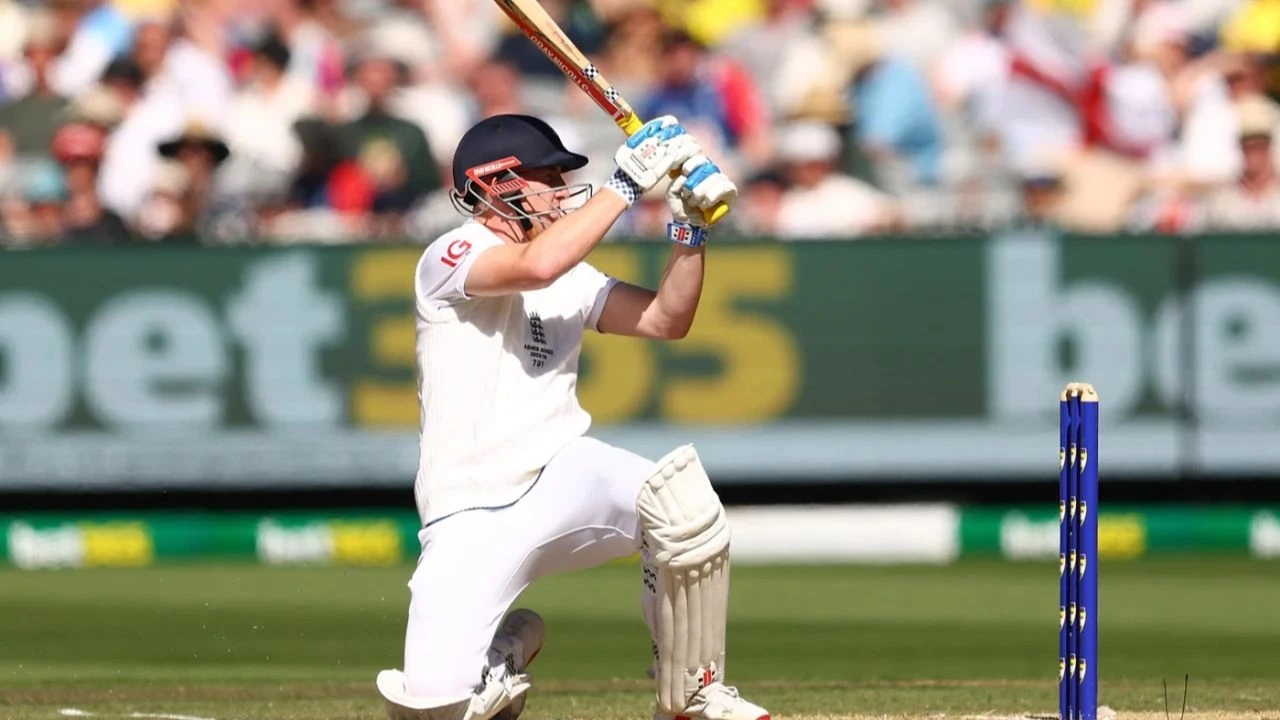
Harry Brook Receives Final Warning Before Ashes Tour
England’s white-ball captain, Harry Brook, has been issued a final warning by team management following a late-night incident with a bouncer prior to the Ashes series. The incident, which took place in Wellington on October 31, almost cost Brook his role as captain of the national team.
According to reports from The Telegraph, Brook was denied entry to a nightclub in Wellington after security suspected he was intoxicated. A confrontation ensued between Brook and the bouncer, resulting in physical contact, although no injuries were reported. Brook himself brought the incident to the attention of team management, avoiding any external complaints.
Discipline and Professionalism in Question
The behaviour of England’s players during the Ashes series against Australia has come under scrutiny. A break in Noosa saw players, including Brook, indulging in drinks. Ben Duckett was also observed in an inebriated state late at night, raising concerns about discipline and professionalism within the team.
Furthermore, the incident involving Brook occurred the night before an ODI match at Sky Stadium. England struggled during the game, with Brook managing only six runs off 11 balls as the team collapsed to 31 for four. The defeat ultimately led to a series sweep by Australia.
Heavy Fine Imposed by ECB
The England and Wales Cricket Board (ECB) imposed a hefty fine of £30,000 on Harry Brook for his involvement in the nightclub controversy, the highest penalty allowable under ECB regulations. This fine equates to four percent of Brook’s central contract retainer.
An ECB spokesperson commented on the incident, stating, “We are aware of this incident and it has been dealt with through a formal and confidential ECB disciplinary process. The player involved has apologised and acknowledged their conduct fell below expectations on this occasion.”
Brook’s Apology and Reflection
In a statement to Telegraph Sport, Harry Brook expressed regret for his actions and issued an apology. Recognizing the privilege of playing for England, Brook admitted to disappointing his teammates, coaches, and supporters. He emphasized his commitment to learning from the mistake and rebuilding trust through his future conduct, both on and off the field.
“Representing England is the greatest honor of all, which I take seriously and I am deeply sorry for letting down my team-mates, coaches, and supporters. I have reflected on the lessons it has taught me about responsibility, professionalism, and the standards expected of those representing your country,” Brook said.
Despite being ranked as the world’s No. 2 Test batter, Harry Brook’s performance on the Ashes tour was lackluster following the disciplinary warning. With only two half-centuries across ten innings, Brook failed to make a significant impact on the series.
It remains to be seen how Brook will bounce back from this setback and prove his worth on the international stage.
Implications for Team Dynamics
Brook’s incident and subsequent warning have undoubtedly impacted the team dynamics within the England cricket squad. The importance of discipline and professionalism in a high-pressure environment like the Ashes series cannot be overstated. The actions of individual players reflect not only on themselves but on the entire team, influencing morale and cohesion.
Teammates may have mixed feelings about Brook’s behavior, with some potentially feeling let down or questioning his commitment to the team. Trust is essential in any successful team, and incidents like these can erode the trust that teammates have in each other. Rebuilding this trust will be crucial for Brook to regain his standing within the squad.
Lessons for Young Cricketers
Harry Brook’s experience serves as a cautionary tale for young cricketers aspiring to reach the highest levels of the sport. The spotlight on professional athletes is unforgiving, and off-field actions can have serious consequences for their careers. The importance of maintaining a professional image both on and off the field cannot be underestimated.
Young cricketers looking up to role models like Brook must understand the responsibilities that come with representing their country. The lessons learned from Brook’s mistake can serve as a valuable reminder of the standards expected of elite athletes and the consequences of falling short of those expectations.
Rehabilitation and Redemption
While the incident has undoubtedly tarnished Harry Brook’s reputation, it also presents an opportunity for redemption. How Brook responds to this setback will be critical in determining his future in the national team. Taking ownership of his mistakes, showing genuine remorse, and demonstrating a commitment to personal growth and improvement can win back the trust of teammates, coaches, and fans.
Rehabilitation in the public eye is never easy, but it is possible with the right attitude and actions. Brook’s journey back to redemption will require perseverance, humility, and a strong work ethic. By consistently demonstrating the values of discipline, professionalism, and respect, Brook can gradually rebuild his reputation and prove that he has learned from his past missteps.
Conclusion
Harry Brook’s final warning before the Ashes tour serves as a stark reminder of the high expectations placed on professional athletes and the consequences of failing to meet those standards. The incident highlights the importance of discipline, professionalism, and accountability in the world of elite sports.
As Brook seeks to move past this incident and regain the trust of his teammates and supporters, his journey serves as a valuable lesson for young cricketers and fans alike. By acknowledging his mistakes, learning from them, and demonstrating a commitment to personal growth, Brook has the opportunity to write a new chapter in his career and showcase his resilience in the face of adversity.
Only time will tell if Harry Brook can rise above this setback, prove his worth on the international stage, and emerge as a stronger, more mature athlete as a result of this experience.
Latest News
Ahmed Shehzad summoned as former Pakistan skipper takes legal action over serious allegations
CSK to feature without their legendary duo MS Dhoni and Suresh Raina for the first time
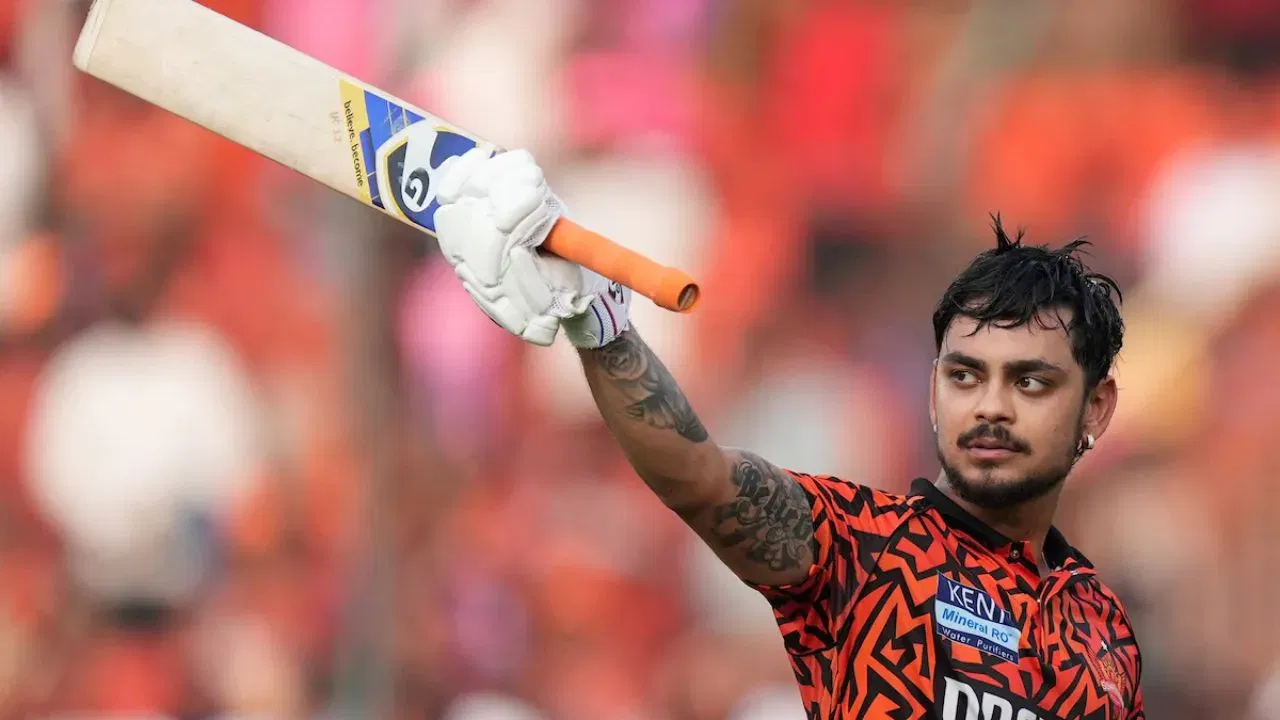
Ishan Kishan set to create history as SRH captain in IPL 2026 opener against RCB

RCB Playing XI vs SRH Playing XI – Match No. 1 | IPL 2026
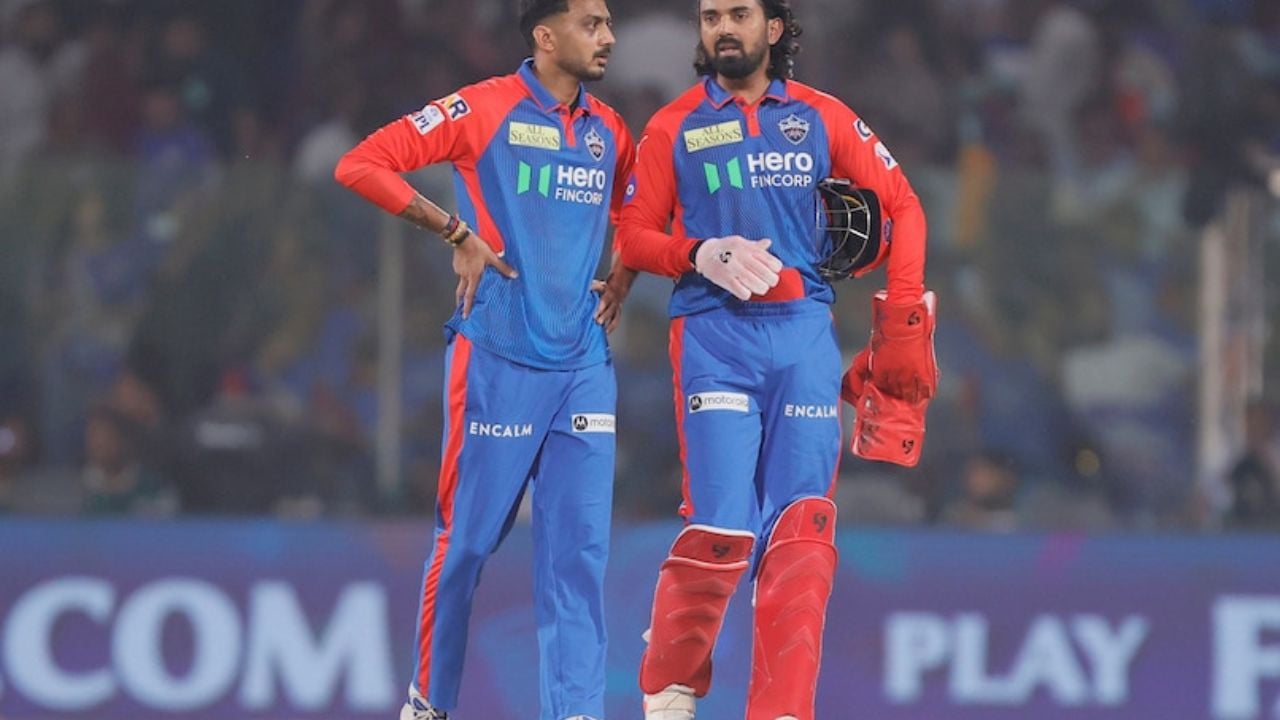
Delhi Capitals IPL 2026 Full Schedule: DC Fixtures, Dates, Timings and Venues | Squad and Coaches
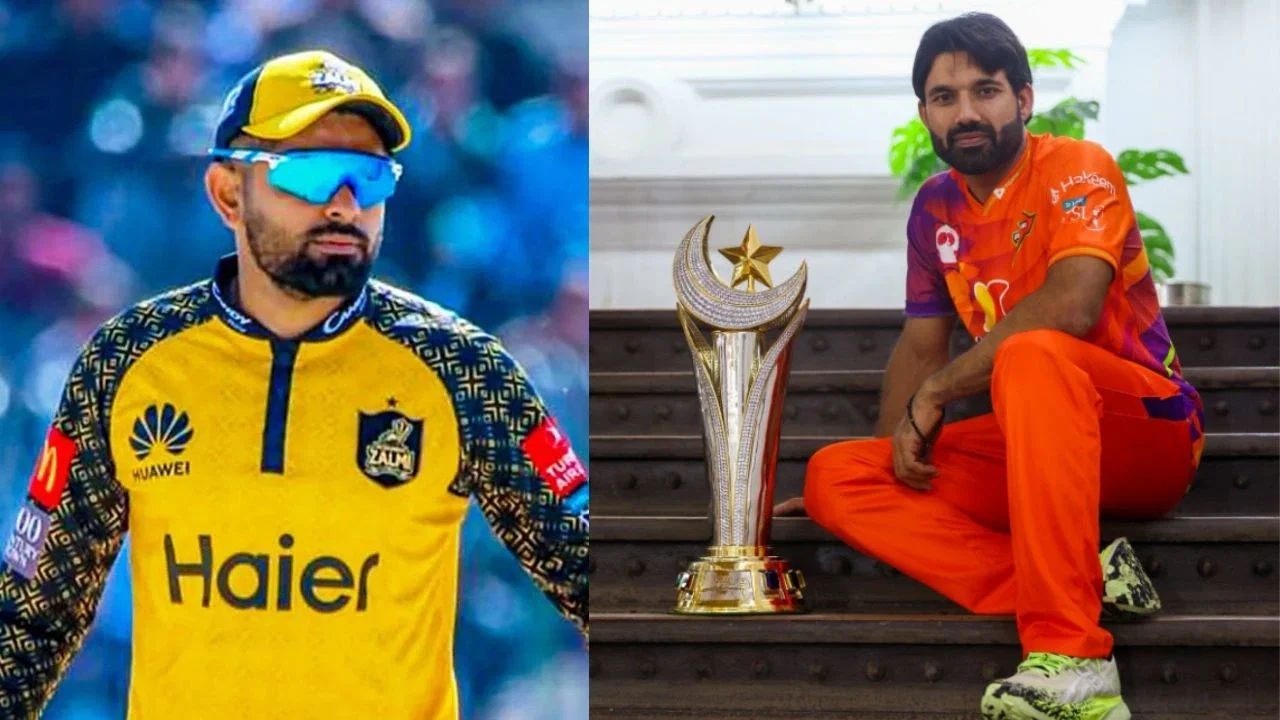
PSZ vs RWP Match Prediction, Pitch & Weather Report, Playing XIs, Head-to-Head, Free Live Streaming – PSL 2026 Match 3
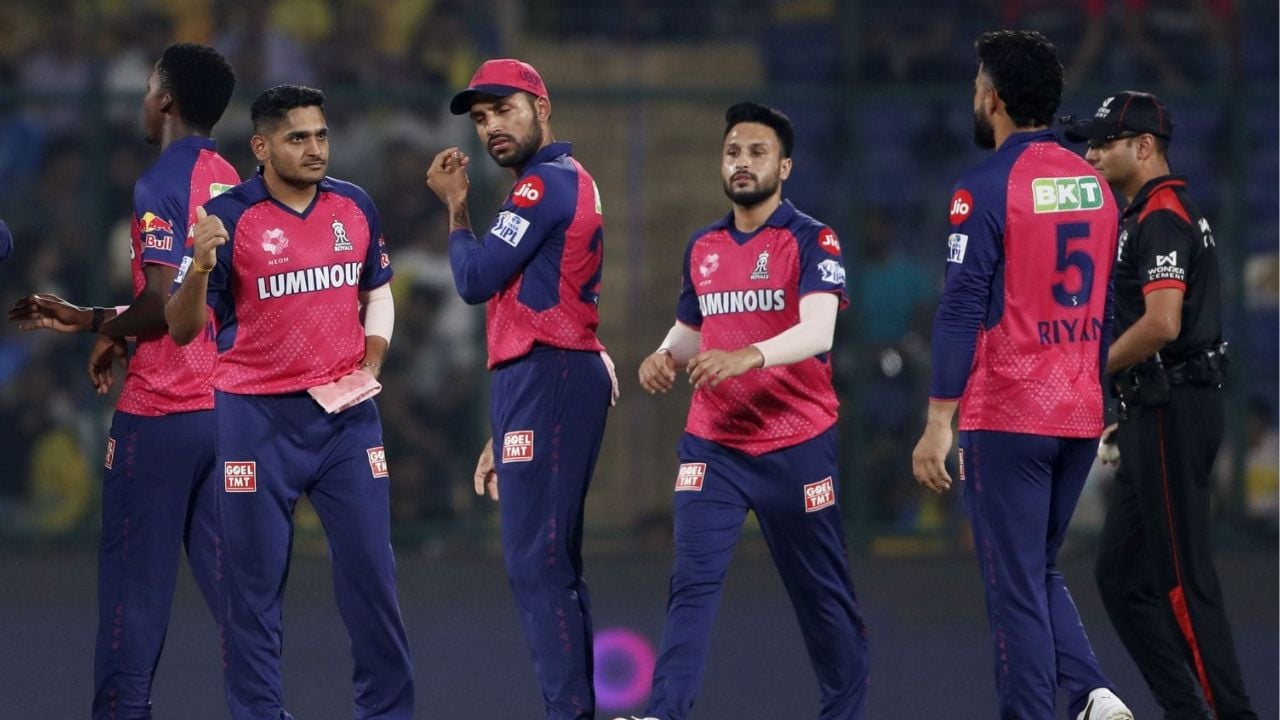
Rajasthan Royals IPL 2026 Full Schedule: RR Fixtures, Dates, Timings and Venues | Squad and Coaches
Mumbai Indians add Akash Madhwal for IPL 2026 amid suspense over Jasprit Bumrah’s availability
Kolkata Knight Riders IPL 2026 Full Schedule: KKR Fixtures, Dates, Timings and Venues | Squad and Coaches
Sunrisers Hyderabad IPL 2026 Full Schedule: SRH Fixtures, Dates, Timings and Venues | Squad and Coaches
RCB vs SRH Match Prediction – Who Will Win Match No.1? | IPL 2026
KL Rahul will win the Orange Cap in IPL 2026 if…: Ravichandran Ashwin makes bold claim
RCB coach rules Josh Hazlewood out of IPL 2026 opener, Pat Cummins update arrives
Kamran Akmal trolls Pakistan Super League after Hyderabad Kingsmen jersey turns ball pink