Harry Brook in trouble! Australia World Cup-winning captain demands severe punishment over nightclub fight

Former Australia Captain Michael Clarke Criticizes Harry Brook’s Treatment After Altercation
Former Australia captain Michael Clarke has voiced his concerns over how English cricketer Harry Brook was handled following an incident with a nightclub bouncer in New Zealand. Clarke believes that if a similar situation had involved an Australian captain, the repercussions would have been more severe than just a fine.
The Incident:
Harry Brook found himself in hot water after a reported clash with a nightclub bouncer in Wellington, just a day before England’s third ODI against New Zealand. The bouncer allegedly prevented Brook from entering the establishment due to suspicions of intoxication. Brook later acknowledged the incident to team officials and offered an apology for his actions.
The Consequences:
In response to the altercation, the board imposed a £30,000 fine on Brook and issued a warning, allowing him to escape further punishment. Despite the incident, Brook continued to play a significant role in the team, even leading them in a subsequent match and serving as vice-captain during the Ashes 2025-26 series.
Clarke’s Criticism:
Speaking on ESPNCricinfo, Michael Clarke expressed his surprise that the altercation between Harry Brook and the bouncer had been kept under wraps for so long. Clarke speculated that if the incident had involved an Australian cricket player, particularly a captain or vice-captain, the repercussions would have been far more severe. He highlighted the secrecy within the Australian team, noting that other teams might not have been able to keep such a situation out of the media.
Clarke remarked, “I can’t imagine what would have happened if that had been the Australian captain or the Australian vice-captain. I think I would have been hit with a lot more than an expensive fine, that’s for sure.”
Callum Ferguson’s Concerns:
In the same discussion, Callum Ferguson raised concerns about England’s overconfidence leading up to the Ashes series. He pointed out that going out the night before a match, especially as captain, indicated a sense of complacency within the team. Ferguson believed that this mindset ultimately led to their struggles during the Ashes in Australia.
Ferguson emphasized the importance of discipline and preparation, suggesting that England’s behavior during their ODI tour in New Zealand was not a good sign for the upcoming series. He highlighted the need for meticulous attention to detail and focus, especially when preparing for a significant event like the Ashes.
Conclusion:
In conclusion, Michael Clarke and Callum Ferguson’s comments shed light on the importance of accountability, discipline, and preparation in professional cricket. The discussion surrounding Harry Brook’s altercation with a nightclub bouncer and England’s approach to the Ashes series serves as a reminder of the challenges and expectations faced by international cricket teams.
Brook’s Response:
Following the incident and the subsequent fine, Harry Brook issued a public apology, expressing regret for his actions and acknowledging that his behavior was unacceptable. He emphasized his commitment to learning from the mistake and improving his conduct both on and off the field. Brook’s willingness to take responsibility for his actions and show remorse played a significant role in how the situation was resolved.
Player Expectations and Media Scrutiny:
Michael Clarke’s comments also bring attention to the different expectations placed on players based on their nationality and position within the team. The scrutiny faced by cricket players, especially captains and vice-captains, is often magnified due to their leadership roles and status as representatives of their respective countries. This level of accountability highlights the need for players to uphold high standards of behavior both on and off the field.
Additionally, the role of the media in covering such incidents cannot be overlooked. While some teams may have the means to keep controversies under wraps, others may face greater exposure and public scrutiny. The handling of sensitive situations like Brook’s altercation underscores the delicate balance between transparency and protecting a player’s reputation.
Lessons Learned for Team England:
Callum Ferguson’s concerns about England’s mindset leading up to the Ashes series serve as a valuable lesson for the team’s future preparations. By highlighting the importance of discipline, focus, and respect for the game, Ferguson underscores the need for a strong team culture built on professionalism and commitment. Learning from past missteps, such as the incident involving Brook, can help Team England strengthen their resolve and approach future challenges with a renewed sense of purpose.
Ultimately, the discussions sparked by Michael Clarke and Callum Ferguson’s comments serve as a reminder of the complexities and expectations that come with representing a national cricket team. As players navigate the demands of international competition, they must remain vigilant in upholding the values of the sport and setting a positive example for fans and aspiring cricketers alike.
Building a Strong Team Culture:
Creating a strong team culture that prioritizes accountability, respect, and unity is essential for sustained success in international cricket. By fostering an environment where players feel supported, challenged, and motivated to excel, teams can overcome obstacles and achieve their goals. Encouraging open communication, addressing issues promptly, and promoting a sense of shared responsibility can help cultivate a cohesive and resilient team dynamic.
Looking Ahead:
As Team England and other international cricket squads prepare for future competitions, the lessons learned from incidents like Harry Brook’s altercation can serve as valuable guideposts. By embracing a culture of continuous improvement, self-reflection, and mutual respect, players can elevate their performance on the field and uphold the integrity of the sport. The journey towards excellence in cricket requires not only skill and strategy but also a foundation of strong values and a commitment to personal growth.
By acknowledging the challenges and complexities inherent in professional cricket, players can navigate the pressures of competition with grace, humility, and a steadfast dedication to representing their country with pride and honor.
Latest News
Not Sanju Samson! EX-CSK star picks Ruturaj Gaikward as orange cap winner in IPL 2026
IPL doesn’t need MS Dhoni in 2026, claims ex-KKR star
NOT CSK and MI! EX-PBKS coach picks franchise to 300 runs in IPL 2026
NOT CSK and MI! EX-PBKS coach picks franchise to 300 runs in IPL 2026
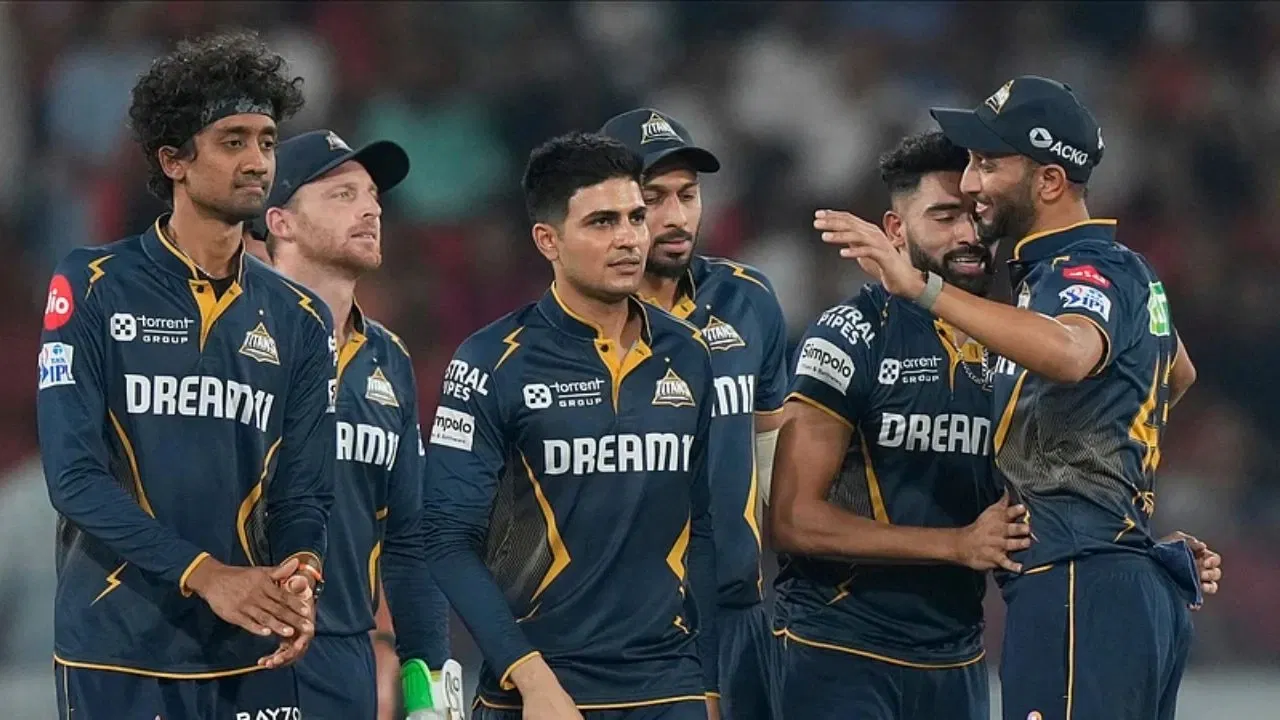
Shubman Gill takes cheeky dig at journalist, names opening partner for IPL 2026
Shubman Gill takes cheeky dig at journalist, names opening partner for IPL 2026
Shubman Gill takes cheeky dig at journalist, names opening partner for IPL 2026

Josh Hazlewood lands in India before IPL 2026
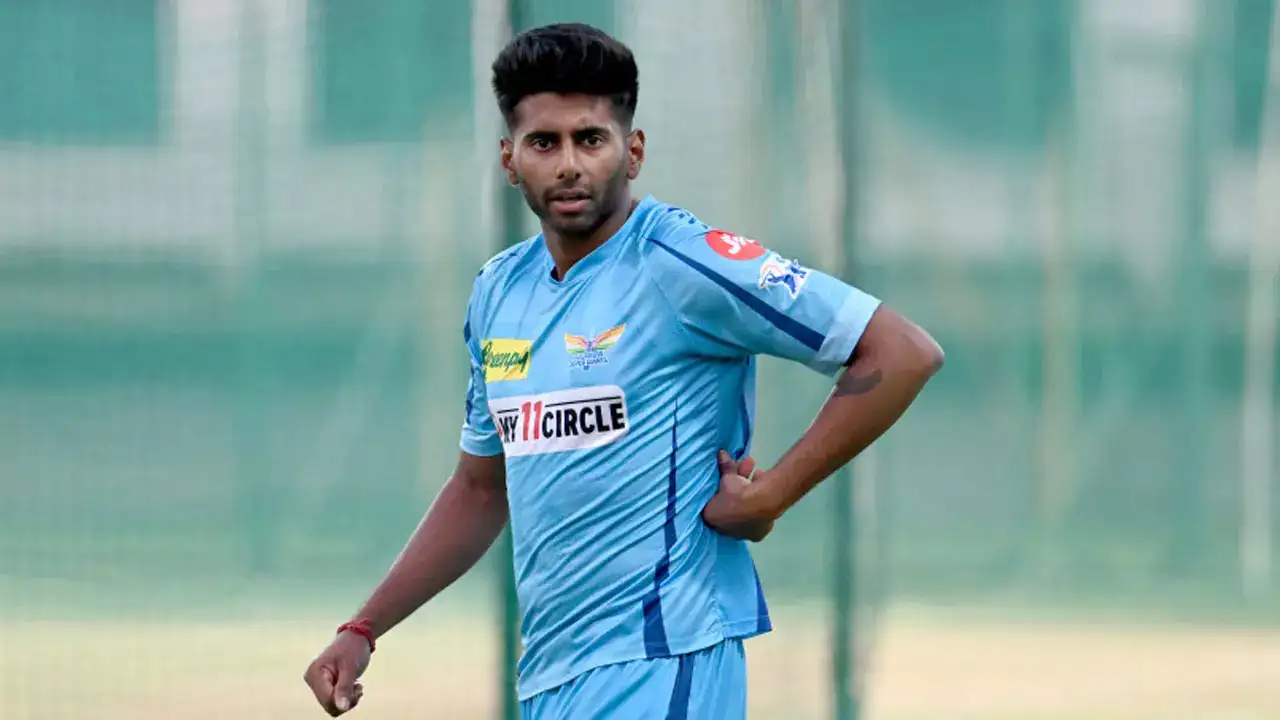
“Franchises run out of patience”: Irfan Pathan issues strict warning to Mayank Yadav
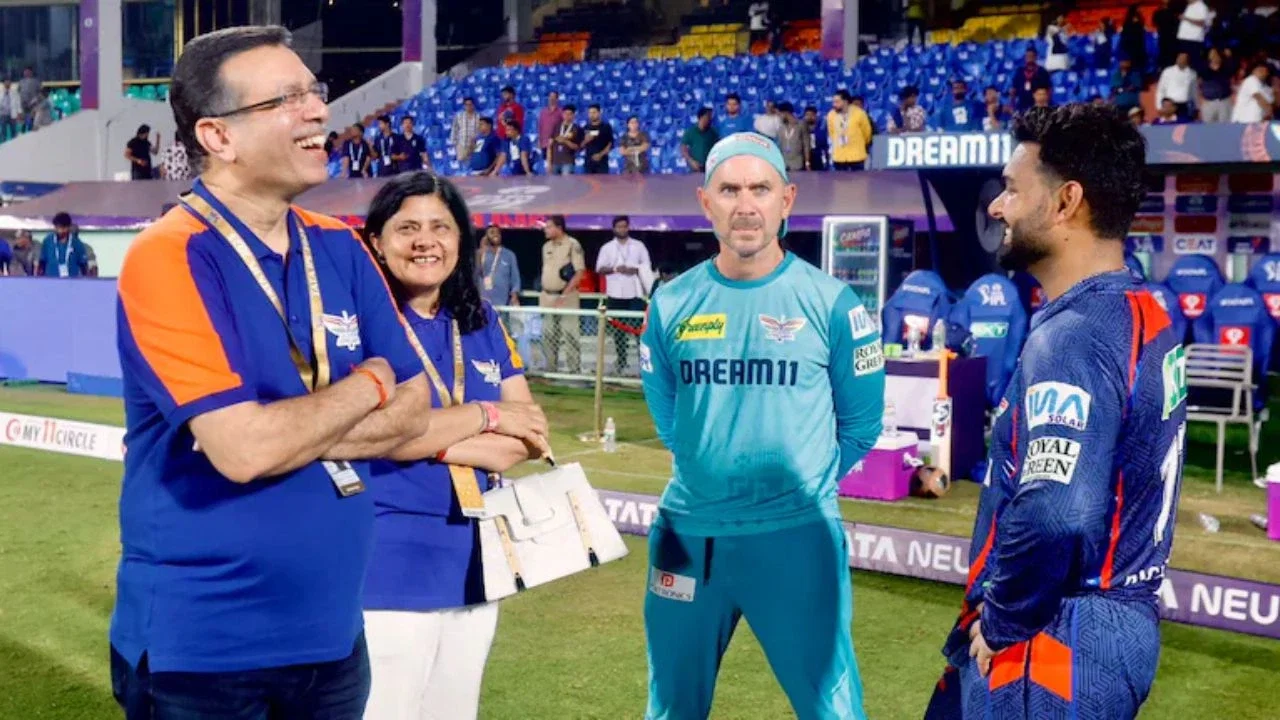
Sanjiv Goenka breaks silence on Rishabh Pant’s rumoured sacking as LSG captain

Revealed: Why BCCI didn’t give BGT matches to Wankhede and Eden Gardens?

Not Virat Kohli! Rajat Patidar reveals Jitesh Sharma helped him most in RCB captaincy
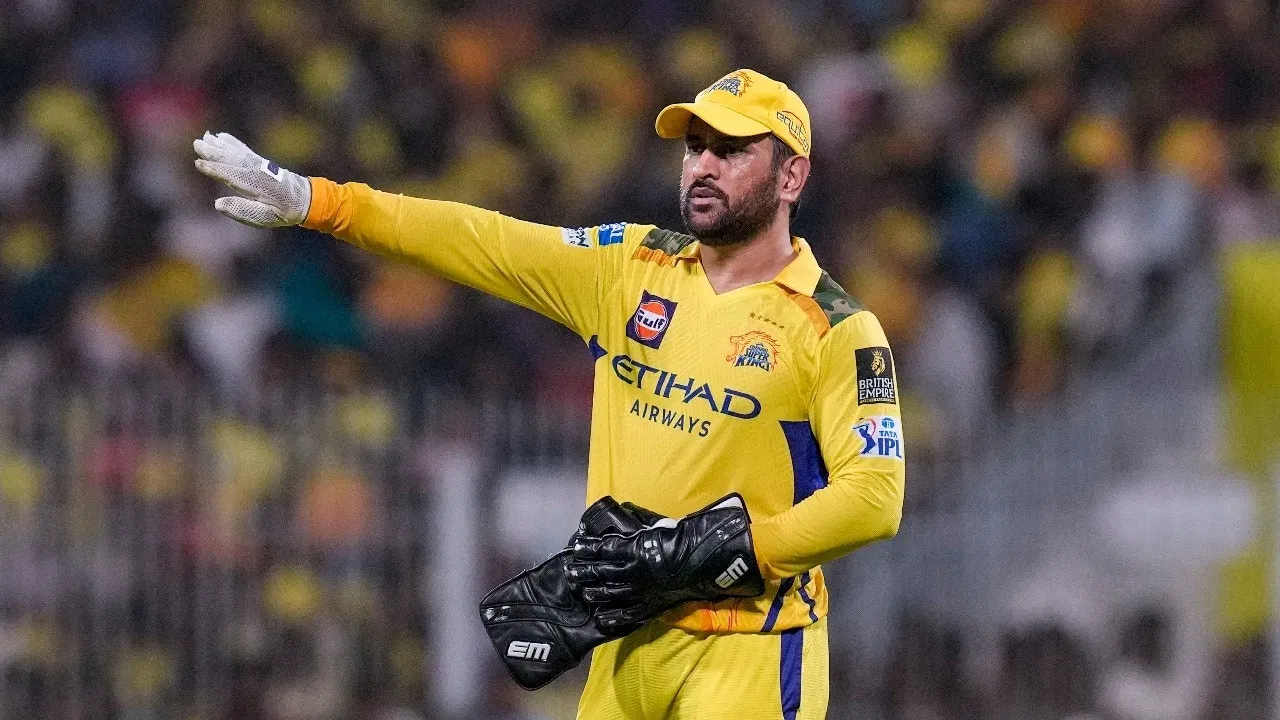
“Does MS Dhoni still have the ability to…” – Ex-CSK star raises serious questions

NOT Virat Kohli! Sourav Ganguly picks greatest ever Indian captain