How Games Help Manage Workload in Cricket

## The Importance of Workload Management in Cricket: Lessons from India’s 2024 Test Season
Cricket is known as a game of endurance, strategy, and precision. In 2024, India’s Test season proved to be a grueling challenge for the players, with a packed schedule leaving little room for rest. The key to success in such a demanding environment lies in effective workload management, a crucial aspect that can determine the fate of a player’s career.
### **The Physical Toll of Test Cricket**
Test cricket is a true test of physical stamina, with matches lasting up to five days of intense competition. Bowlers endure the strain of repetitive movements, while batters stand for hours under the scorching sun. Fielders cover vast distances on the field, putting immense pressure on their legs and bodies.
The 2024 Test season for India was particularly demanding, with 10 matches scheduled back-to-back. From facing Bangladesh in September to a grueling five-Test series in Australia, the players had little time to recuperate. To prevent burnout and injuries, teams employ strategies such as rotating players to give them much-needed rest.
### **Mental Fatigue: The Silent Enemy**
While physical fatigue is often discussed, mental fatigue is equally detrimental to a player’s performance. The intense focus required in cricket can drain a player’s mental reserves over extended periods. Mistakes, loss of concentration, and poor decision-making can all be attributed to mental exhaustion.
India’s 2024 lineup faced high-pressure matches against formidable opponents like Australia and England. To combat mental fatigue, teams engage in activities such as counseling sessions, relaxation techniques, and spending quality time with loved ones. Rest and relaxation play a crucial role in keeping players mentally sharp and focused.
### **Strategies for Effective Workload Management**
Professional athletes rely on a combination of technology and intuition to manage their workload efficiently. Tracking devices monitor players’ physical exertion, heart rates, and overall strain to make data-driven decisions. Coaches use this information to adjust training loads and playing time accordingly.
Rotation of players is another common practice to prevent overuse injuries and maintain peak performance. By strategically resting key players during less critical matches, teams can ensure they are fresh and ready for important fixtures. Recovery techniques such as ice baths, adequate sleep, and relaxation activities are also crucial in maintaining physical and mental well-being.
### **Lessons from Past Seasons and Looking Ahead**
Drawing from past experiences, teams like India have learned valuable lessons in workload management. The successful 2021 tour of Australia, despite facing injuries, highlighted the importance of strategic player rotation and utilizing substitutes effectively. By pacing themselves and prioritizing rest, players can avoid burnout and prolong their careers.
As India looks ahead to future challenges, advancements in technology offer promising solutions for optimizing workload management. Artificial intelligence may soon play a role in predicting and preventing player fatigue, ensuring that teams are operating at peak performance levels.
### **Final Thoughts**
In conclusion, effective workload management is essential for success in cricket. By balancing physical and mental demands, utilizing technology, and learning from past experiences, teams can achieve optimal performance and longevity in their careers. As India continues to navigate the challenges of the sport, strategies like player rotation, recovery techniques, and embracing technological advancements will be key in maintaining a competitive edge.
### **The Role of Nutrition and Fitness in Workload Management**
In addition to rotation and recovery techniques, nutrition and fitness play a significant role in workload management for cricketers. A well-balanced diet rich in carbohydrates, proteins, and essential nutrients is crucial for fueling players’ bodies during long matches and intense training sessions. Adequate hydration is also vital to prevent cramping and fatigue on the field.
Fitness training tailored to the demands of cricket helps players build stamina, strength, and agility. Strength and conditioning programs focus on improving muscle endurance and flexibility to reduce the risk of injuries. Yoga and stretching routines aid in maintaining suppleness and preventing stiffness after hours of play.
### **The Psychological Aspect of Workload Management**
Apart from physical and mental fatigue, the psychological aspect of workload management cannot be overlooked. Cricket is a mental game that requires players to stay focused, confident, and resilient under pressure. Sports psychologists work with teams to strengthen players’ mental fortitude, build self-belief, and manage stress effectively.
Visualizations, positive affirmations, and mindfulness techniques are used to enhance mental resilience and performance on the field. By cultivating a strong mindset and coping mechanisms, players can navigate the highs and lows of cricket with composure and clarity. Mental well-being is just as crucial as physical fitness in sustaining peak performance throughout a grueling Test season.
### **Adapting to Changing Conditions and Formats**
In the dynamic world of cricket, players must adapt to different playing conditions and formats to excel consistently. From the slow, turning pitches of the Indian subcontinent to the fast, bouncy tracks of Australia, cricketers must adjust their game strategies and techniques accordingly. Training sessions focus on honing specific skills based on upcoming match conditions.
The transition between Test cricket, One Day Internationals, and T20 matches requires players to switch gears quickly and adapt to the pace of the game. Workload management strategies must be flexible to accommodate the varying demands of each format. Balancing rest and recovery with skill development and tactical training is essential for maintaining peak performance across different cricket formats.
### **Collaboration and Communication in Team Management**
Effective workload management in cricket relies on open communication and collaboration within the team management structure. Coaches, physiotherapists, fitness trainers, and psychologists work together to monitor players’ physical and mental well-being, identify areas of improvement, and tailor training programs accordingly. Regular communication helps in addressing any concerns or issues promptly.
Team meetings, feedback sessions, and individual player assessments facilitate a holistic approach to workload management. By fostering a supportive and transparent team culture, players feel valued, understood, and motivated to perform at their best. Collaboration among all stakeholders ensures that each player receives personalized attention and support throughout the grueling Test season.
### **Embracing Innovation and Continuous Improvement**
As cricket evolves and new challenges emerge, teams must embrace innovation and continuous improvement in workload management practices. Analyzing performance data, embracing sports science advancements, and incorporating cutting-edge technologies enable teams to stay ahead of the competition and optimize player development.
Virtual reality training, bio-mechanical analysis, and personalized training apps are revolutionizing the way cricketers prepare for matches and recover from injuries. By investing in research and development, teams can unlock new insights into player performance, injury prevention, and strategic decision-making. Embracing innovation is key to staying at the forefront of the ever-evolving world of cricket.
### **Conclusion**
In conclusion, effective workload management in cricket requires a multifaceted approach that encompasses physical, mental, nutritional, and psychological aspects. By implementing strategies such as player rotation, recovery techniques, fitness training, and collaboration within the team, players can navigate the rigors of a demanding Test season with resilience and efficiency. Embracing innovation, adapting to changing conditions, and prioritizing player well-being are essential for long-term success in the sport. As the landscape of cricket continues to evolve, teams must remain agile, proactive, and committed to optimizing workload management strategies for sustained performance excellence.
Latest News

Virat Kohli’s explosive threat during coach’s conspiracy revealed: “Will beat the living hell out of…”

Dinesh Karthik can become head coach of India, England or Australia: Jitesh Sharma makes bold claim

Virat Kohli turns Abhishek Sharma with explosive batting for RCB ahead of IPL 2026

Not Tim Seifert! KKR eye 21-year-old Indian as wicketkeeper for IPL 2026

“Itna dete nahi importance inko”: Jitesh Sharma trolls Pakistan, reveals unheard story

‘I liked young MS Dhoni more than the mature one’: Sourav Ganguly drops huge statement

RCB suffer huge blow! SLC blocks Nuwan Thushara’s IPL 2026 participation

Border-Gavaskar Trophy 2027 schedule announced; Ahmedabad among five venues selected

BCCI announces India’s 2026-27 international home season schedule; series vs AUS, WI, SL, ZIM finalized
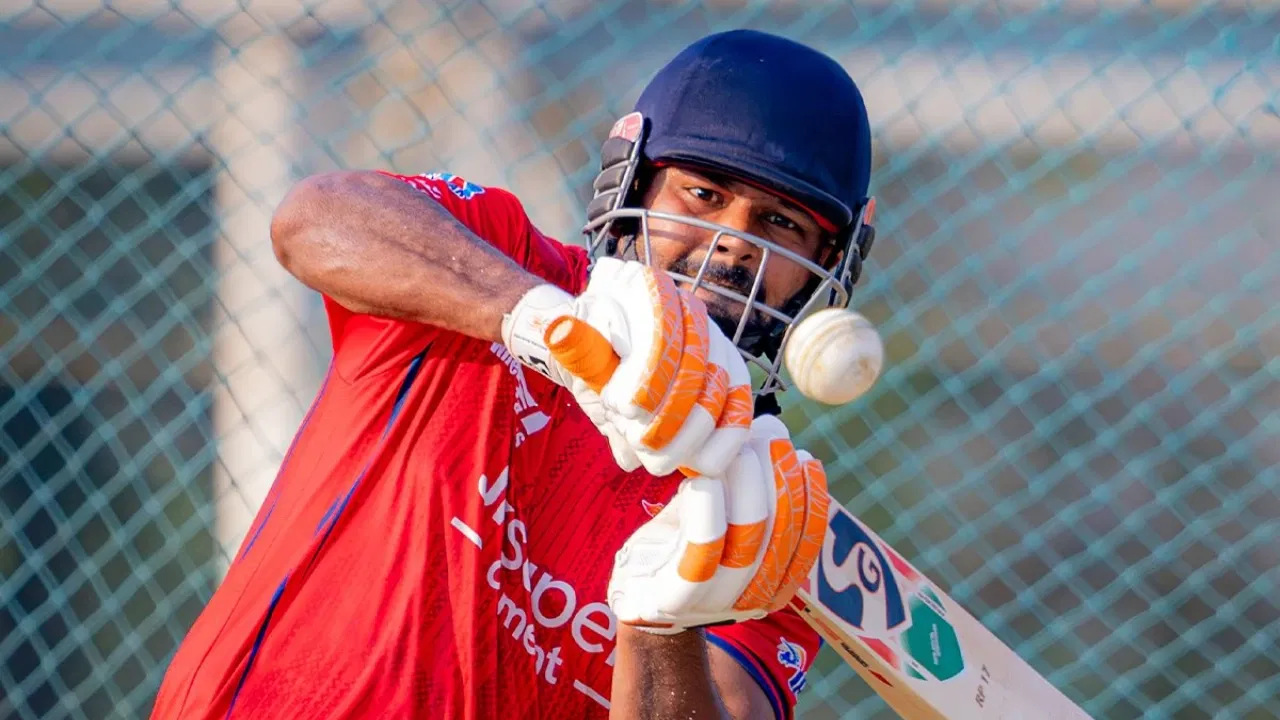
Irfan Pathan reveals Yuvraj Singh’s secret method to train Rishabh Pant ahead of IPL 2026
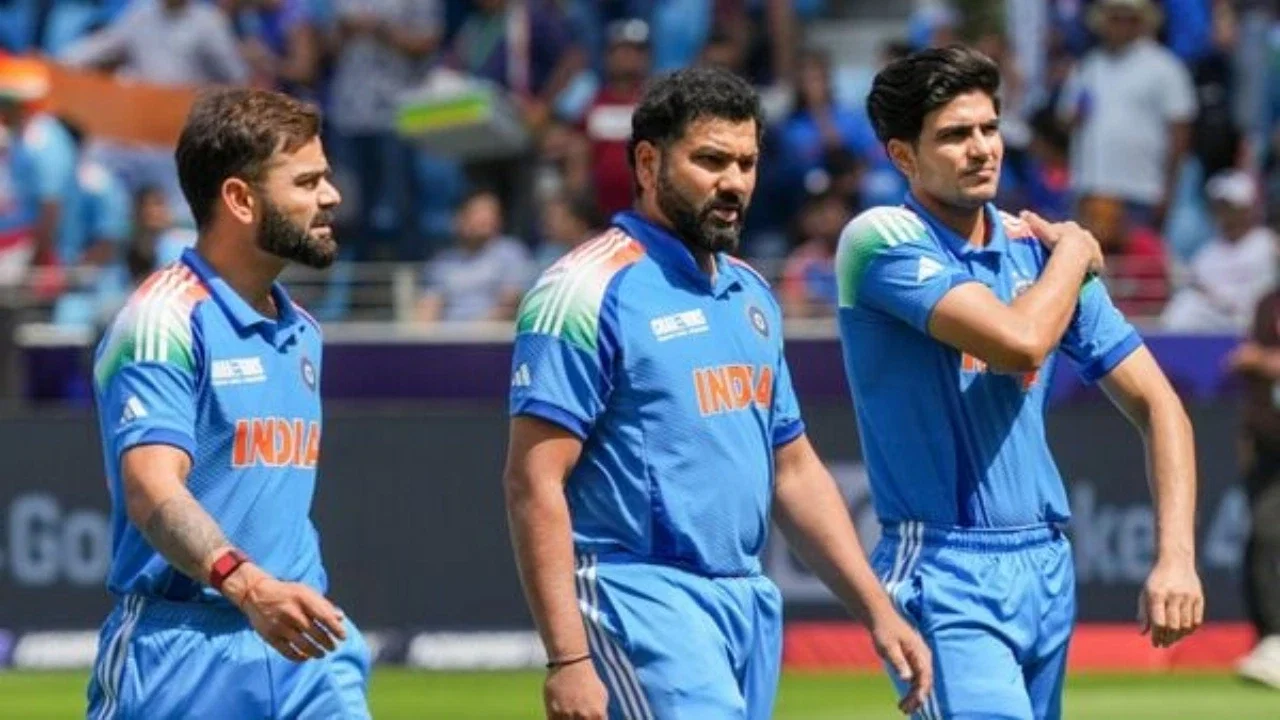
Virat Kohli, Rohit Sharma ODI schedule: Full list of matches they will play in India’s 2026-27 home season

Days before RCB vs SRH IPL 2026 match, M. Chinnaswamy Stadium looks like a ‘construction side’

IPL 2026 second-half schedule announcement date revealed by BCCI secretary

LHQ vs HYDK Match Prediction, Pitch & Weather Report, Playing XIs, Head-to-Head, Free Live Streaming – PSL 2026 Match 1