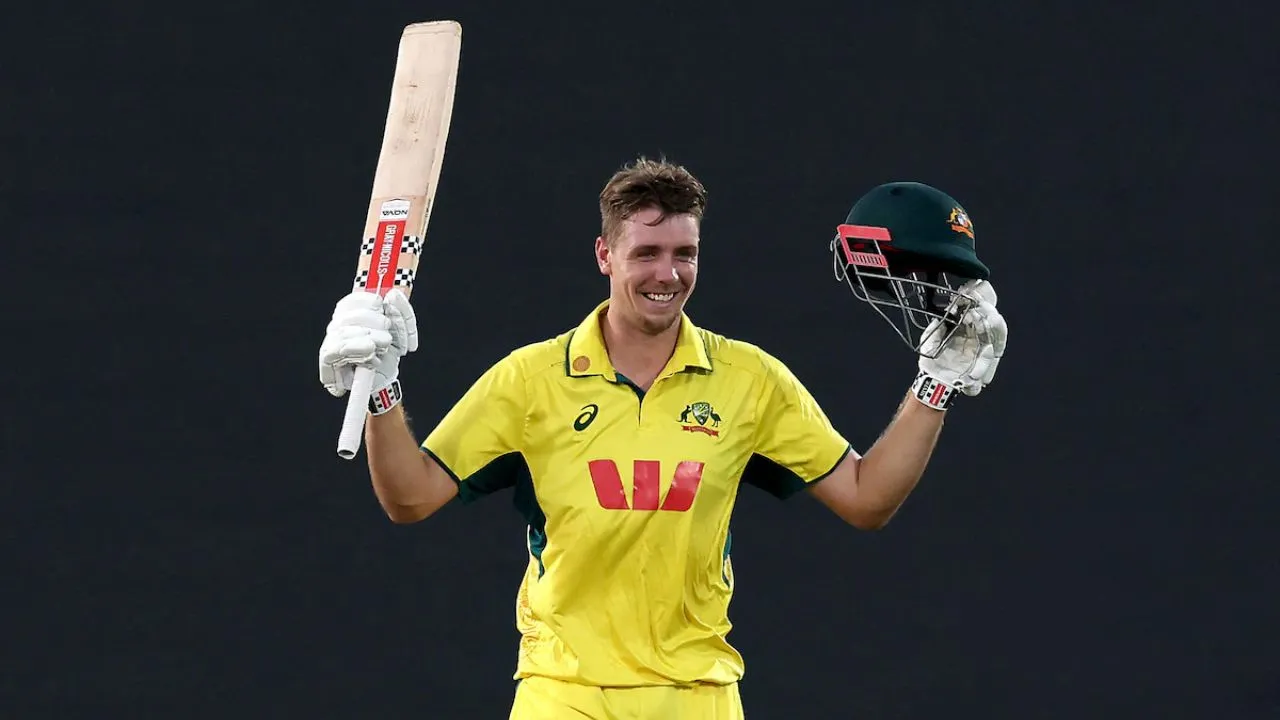
“I am not making any…”: Sunil Gavaskar breaks silence for making appearance on Pakistani TV during CT 25
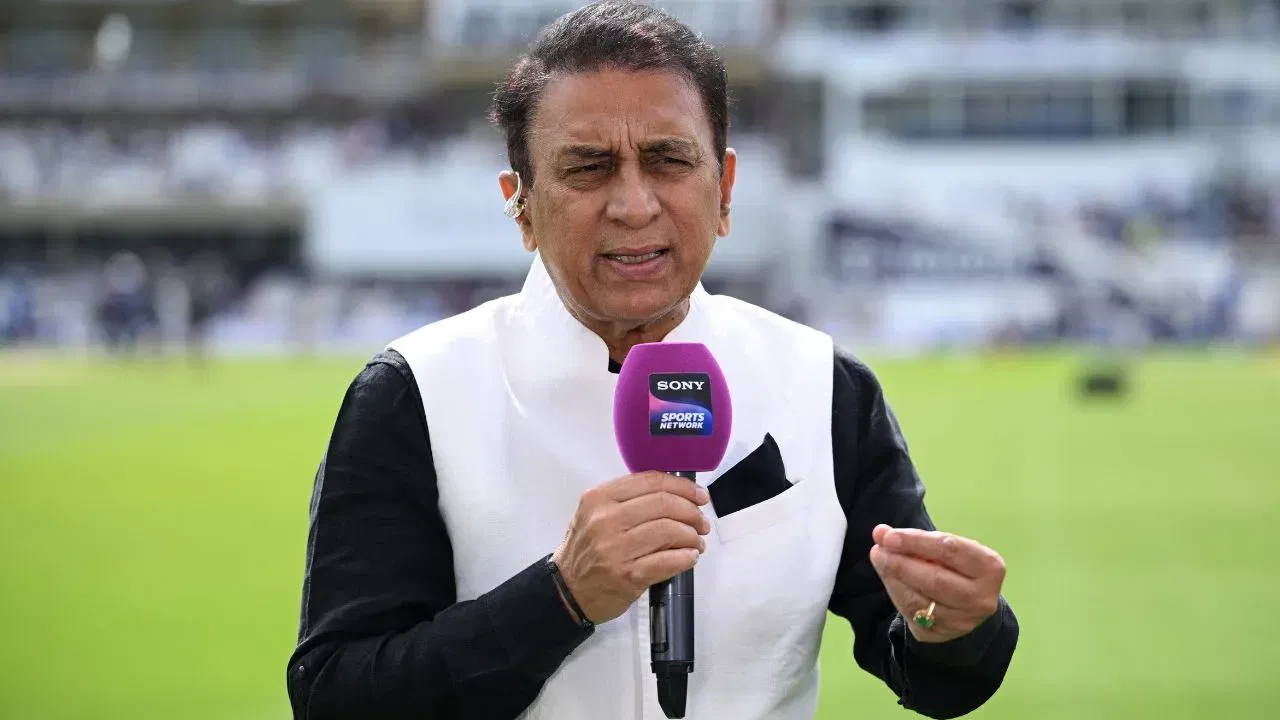
Former Indian Cricketer Sunil Gavaskar Faces Backlash for Hypocrisy in Player Investment
Former Indian cricket legend Sunil Gavaskar recently found himself embroiled in a controversy after being labeled a hypocrite for his stance on Indian-owned teams investing in players of Pakistani origin in various franchise T20 leagues. Gavaskar, known for his outspoken opinions, had previously voiced his disapproval of Pakistani players being signed by Indian-owned franchises in the 2026 auction of The Men’s Hundred.
Gavaskar’s Controversial Remarks
Reflecting on a recent incident where the Sunrisers Leeds franchise bought Pakistani spinner Abrar Ahmed, Gavaskar faced criticism for sitting on a panel alongside Pakistani cricketers but condemning Indian owners for investing in Pakistani players. The former Indian batter’s comments sparked a heated debate among fans and pundits alike, questioning his consistency and principles.
Gavaskar, who was seen on a guest panel of a Pakistani cricket show during the 2025 Champions Trophy, defended himself against accusations of hypocrisy. He clarified that he did not receive any payment for his appearance on the show and emphasized that his participation was not motivated by financial gain.
Gavaskar’s Call to Indian Owners
Despite his controversial remarks, Gavaskar continued to stand by his stance, urging Indian owners to release Pakistani players from their teams in various franchise leagues. He expressed his belief that investing in players of Pakistani origin could indirectly contribute to funding activities detrimental to India’s interests.
While acknowledging that he does not follow leagues like the Caribbean Premier League or Major League Cricket, Gavaskar maintained that if Indian owners are paying Pakistani players, they should reconsider their decisions. He emphasized the need for Indian owners to prioritize national interests and refrain from supporting players from rival nations.
Gavaskar’s History of Controversial Statements
This is not the first time Gavaskar has found himself at the center of a controversy due to his outspoken opinions. In the past, he had criticized Indian owners for investing in Pakistani players, labeling them as anti-nationalists for indirectly supporting activities that could harm the country.
Gavaskar’s remarks highlight the complex dynamics of sports diplomacy and the intersection of politics and cricket in the Indian subcontinent. As a respected figure in the cricketing world, his statements have sparked debates on the ethical implications of player investments and the broader implications for international sporting relations.
As the cricketing community continues to grapple with these issues, Gavaskar’s comments serve as a reminder of the challenges of navigating the complexities of national identity and sportsmanship in a globalized sporting landscape.
Overall, Sunil Gavaskar’s recent controversy sheds light on the delicate balance between sporting allegiances and national interests, raising important questions about the responsibilities of players, owners, and fans in the ever-evolving world of cricket.
The Impact of Gavaskar’s Statements on Cricket Diplomacy
Sunil Gavaskar’s controversial remarks have not only stirred debates within the cricketing world but have also brought attention to the broader implications of player investments on diplomatic relations between India and Pakistan. The history of cricket between the two nations has been fraught with political tensions, and Gavaskar’s comments have reignited discussions on the role of sports in fostering or hindering diplomatic efforts.
With cricket being a unifying force in the Indian subcontinent, the presence of Pakistani players in Indian-owned teams has often been seen as a bridge for cultural exchange and people-to-people diplomacy. However, Gavaskar’s insistence on prioritizing national interests over sporting collaborations raises questions about the boundaries between sportsmanship and patriotism.
The Ethical Dilemma of Player Investments
Gavaskar’s stance on Indian owners releasing Pakistani players also brings to the forefront the ethical dilemma faced by teams and franchises when it comes to player acquisitions. While sports is often viewed as a platform for transcending political differences, the financial investments made by team owners can inadvertently support or undermine geopolitical relationships.
As cricket becomes increasingly commercialized, the decisions made by franchise owners carry significant weight, not only in terms of sporting success but also in shaping perceptions of national identity and loyalty. Gavaskar’s call for Indian owners to reconsider their investments underscores the complexities inherent in the intersection of sports, politics, and business.
The Role of Former Players in Shaping Sporting Narratives
Former players like Sunil Gavaskar wield considerable influence in the cricketing community, shaping narratives and opinions through their public statements. While their experiences and insights are valuable, their words can also have far-reaching consequences, especially when it comes to sensitive issues like national identity and cross-border relations.
Gavaskar’s history of controversial statements highlights the responsibility that comes with being a public figure in the sports world. As a role model for aspiring cricketers and a representative of Indian cricketing heritage, Gavaskar’s words carry weight beyond the boundaries of the field, influencing perceptions and attitudes towards broader social and political issues.
Navigating the Complexities of Sports Diplomacy
As cricket continues to serve as a cultural touchstone in the Indian subcontinent, the complexities of sports diplomacy come to the forefront, requiring careful navigation by players, officials, and stakeholders. The interplay between national interests, sporting allegiances, and personal beliefs creates a delicate balance that often requires nuanced understanding and diplomacy.
Gavaskar’s recent controversy serves as a reminder of the intricate web of relationships that exist within the world of cricket, transcending boundaries of nationality and ideology. The debates sparked by his statements offer an opportunity for introspection and dialogue on how sports can be used as a tool for reconciliation, understanding, and unity in a region marked by historical tensions.
In Conclusion
As the cricketing community reflects on Sunil Gavaskar’s controversial remarks, it is essential to consider the broader implications of player investments on diplomatic relations, ethical responsibilities in sports management, and the influence of former players in shaping sporting narratives. The intersection of sports, politics, and national identity continues to present challenges and opportunities for fostering dialogue and understanding in the ever-evolving landscape of international cricket.
Latest News
‘Rohit Sharma is good enough to be part of Indian T20I team’: MS Dhoni’s ex-teammate’s big remark
3 RCB players who could struggle in IPL 2026 – ft Venkatesh Iyer
3 RCB players who could struggle in IPL 2026 – ft Venkatesh Iyer
3 MI players who could struggle in IPL 2026 – ft Rohit Sharma
3 CSK players who could struggle in IPL 2026 – ft MS Dhoni
3 KKR players who could struggle in IPL 2026 – ft Ajinkya Rahane
3 SRH players who could struggle in IPL 2026 – ft Liam Livingstone

3 DC players who could struggle in IPL 2026 – ft Mitchell Starc
3 RR players who could struggle in IPL 2026 – ft Jofra Archer
IPL suffers big setback! Media rights value expected to plateau despite huge popularity
‘Most of ECB hierarchy should be sacked’: England legend blasts decision to retain Brendon McCullum
Yash Dayal remains under RCB contract but won’t play IPL 2026 amid legal case
SRH officially announce replacement for injured Australian ahead of IPL 2026
India Women’s squad for South Africa T20Is announced; Anushka Sharma called up