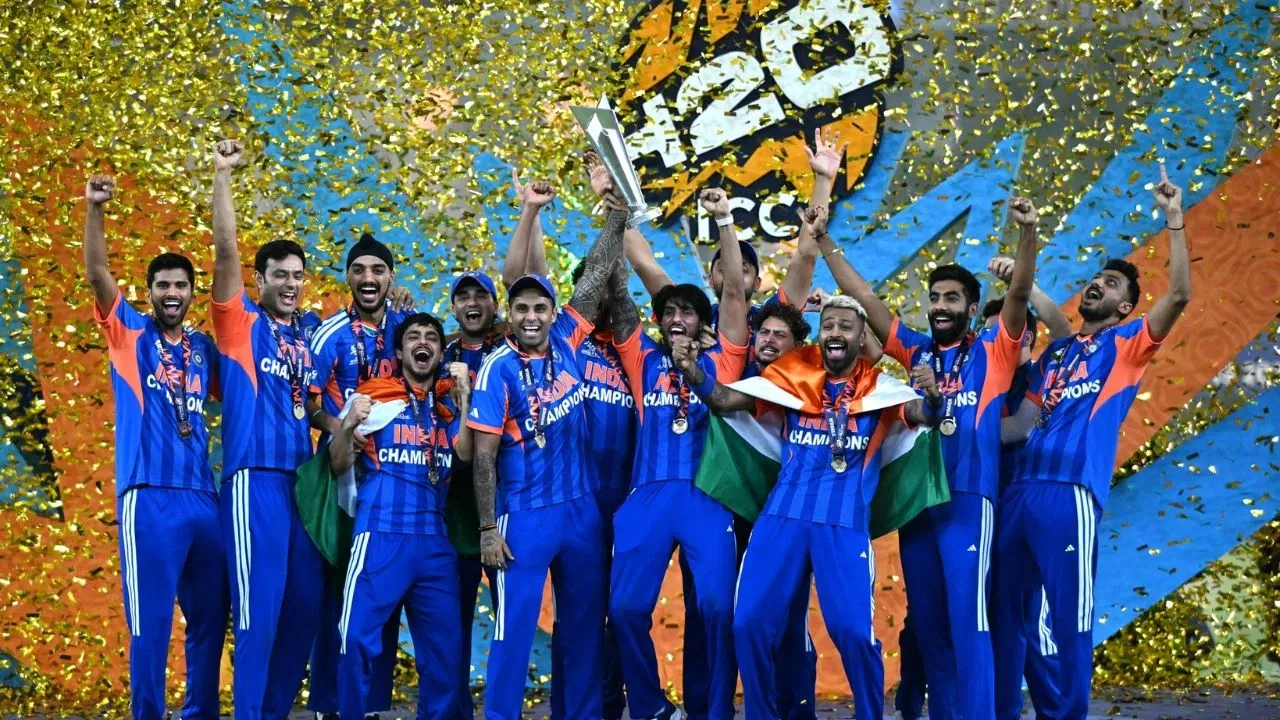
I heard a loud slap: Abdul Razaq reveals shocking fight incident involving Mohammad Amir
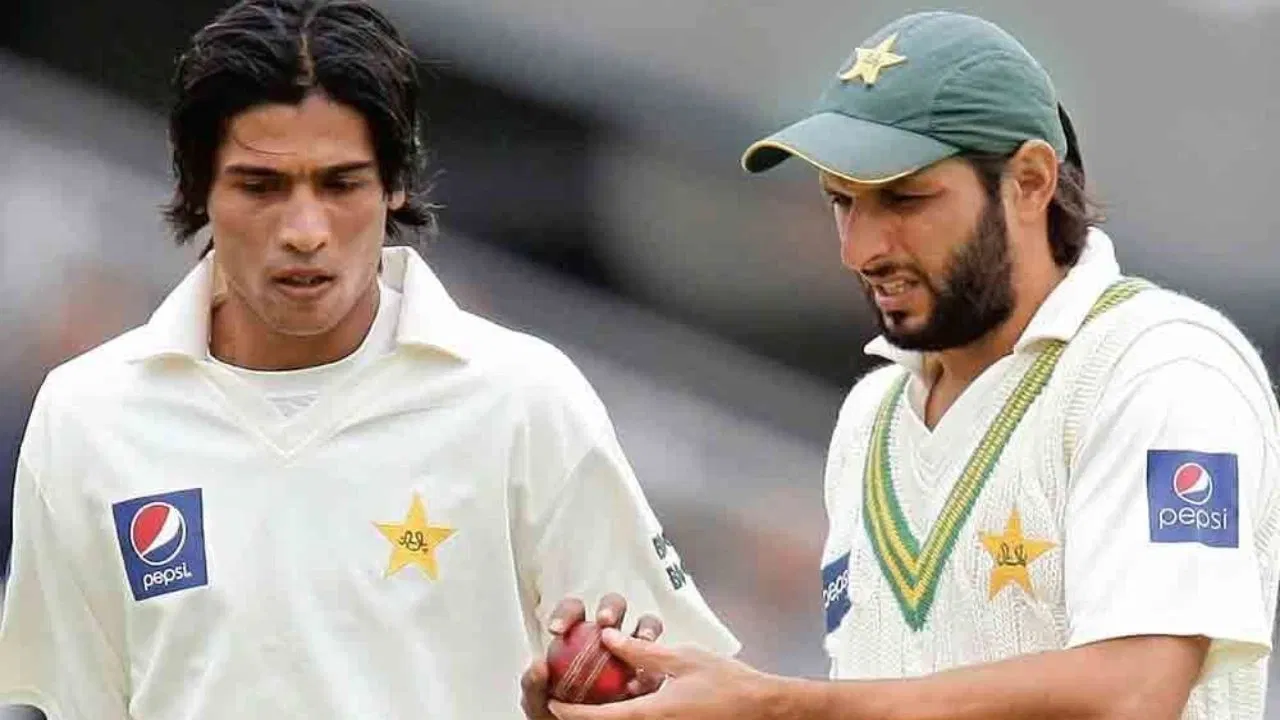
Former Pakistan Cricketer Abdul Razzaq Reveals Shocking Details of 2010 Match-Fixing Scandal
Abdul Razzaq Exposes Confrontation Between Shahid Afridi and Mohammad Amir
In a recent revelation, former Pakistan all-rounder Abdul Razzaq shared disturbing details of a confrontation between former captain Shahid Afridi and young pacer Mohammad Amir following serious spot-fixing allegations during a Test match against England at Lord’s in 2010.
During the late 2000s, Mohammad Amir emerged as a rising star in Pakistan’s cricket scene. Alongside Mohammad Asif, another talented speedster, Amir was viewed as a future pace bowling sensation for the country. However, their careers took a dark turn when they were embroiled in a massive match-fixing scandal that tarnished their names.
Abdul Razzaq, who played alongside Amir and Afridi, revealed that Afridi had physically confronted the then 18-year-old Amir upon learning about his involvement in the spot-fixing scandal that unfolded during the Test match against England at Lord’s.
2010 Match-Fixing Scandal Rocks Pakistan Cricket
Abdul Razzaq disclosed that it was through a friend in London who repaired phones that he became aware of the scandal. Messages found on a repaired phone belonging to Mazhar Majeed, the bookmaker involved, detailed the nefarious plans of the three players to spot-fix during the match.
Razzaq recounted the intense confrontation between Afridi and Amir, where Afridi demanded the truth from the young cricketer. When Amir initially denied the allegations, Afridi resorted to physical means, resulting in a loud slap that left Amir in tears, admitting to the controversy.
Following the scandal’s exposure by the News of the World through a sting operation, Amir, Asif, and Salman Butt, the then captain, faced severe consequences, including imprisonment and bans from cricket.
PCB’s Inefficiency in Handling the Situation
Razzaq also criticized the Pakistan Cricket Board (PCB) and the team management for their handling of the situation. He revealed that some senior players had advised the team manager to take disciplinary action against the players before the ICC intervened, potentially preventing the scandal’s escalation.
While Asif and Butt never represented Pakistan after the scandal, Mohammad Amir made a return to international cricket in 2016 before retiring from the game in 2024.
Abdul Razzaq’s revelations shed light on one of the darkest chapters in Pakistan cricket history, emphasizing the importance of integrity and accountability in sports to prevent such scandals from tarnishing the game’s spirit.
Impact of the 2010 Match-Fixing Scandal on Pakistani Cricket
The 2010 match-fixing scandal had far-reaching consequences for Pakistani cricket beyond the immediate repercussions for the players involved. The incident shook the foundations of the sport in Pakistan and left a stain on the country’s cricketing reputation. Fans were disillusioned, sponsors were wary, and the credibility of Pakistani cricket was called into question on the global stage.
The scandal highlighted the pervasive issue of corruption in cricket and the challenges faced by governing bodies in maintaining the integrity of the game. It exposed the vulnerability of young and talented players like Mohammad Amir to the influence of illegal bookmakers and the lure of easy money. The incident served as a wake-up call for cricket administrators and players alike, prompting a reevaluation of anti-corruption measures and the need for greater vigilance against match-fixing.
Lessons Learned and Reforms Implemented
In the aftermath of the scandal, the Pakistan Cricket Board (PCB) and other cricketing authorities took steps to strengthen their anti-corruption protocols and educate players about the dangers of match-fixing. The International Cricket Council (ICC) also introduced stricter regulations and monitoring mechanisms to detect and deter corrupt practices in the sport.
Furthermore, the incident prompted a broader conversation within the cricketing community about the need for transparency, accountability, and ethical behavior. It underscored the importance of upholding the values of fair play, honesty, and sportsmanship in cricket and emphasized the need for all stakeholders to uphold these principles to protect the integrity of the game.
Legacy of the Scandal and Rebuilding Trust
While the 2010 match-fixing scandal cast a dark shadow over Pakistani cricket, it also served as a catalyst for change and a renewed commitment to integrity. The incident forced the cricketing fraternity to confront the reality of corruption and its impact on the sport, leading to a collective effort to rebuild trust and restore the credibility of Pakistani cricket.
In the years following the scandal, Pakistani cricket has made significant strides in addressing the issue of corruption and improving governance practices. The emergence of new talents, the success of the national team in international competitions, and the support of passionate fans have all contributed to the gradual restoration of faith in Pakistani cricket.
Looking Ahead: Upholding Integrity in Cricket
As cricket continues to evolve and grow as a global sport, the lessons learned from the 2010 match-fixing scandal remain relevant. It is essential for players, officials, and administrators to remain vigilant against corrupt influences, uphold the highest standards of conduct, and prioritize the integrity of the game above all else.
By learning from past mistakes, implementing robust anti-corruption measures, and fostering a culture of transparency and accountability, cricket can continue to thrive as a sport that embodies the values of fairness, respect, and sportsmanship. The legacy of the 2010 scandal serves as a reminder of the importance of vigilance and commitment to upholding the integrity of cricket for future generations to enjoy.
Latest News
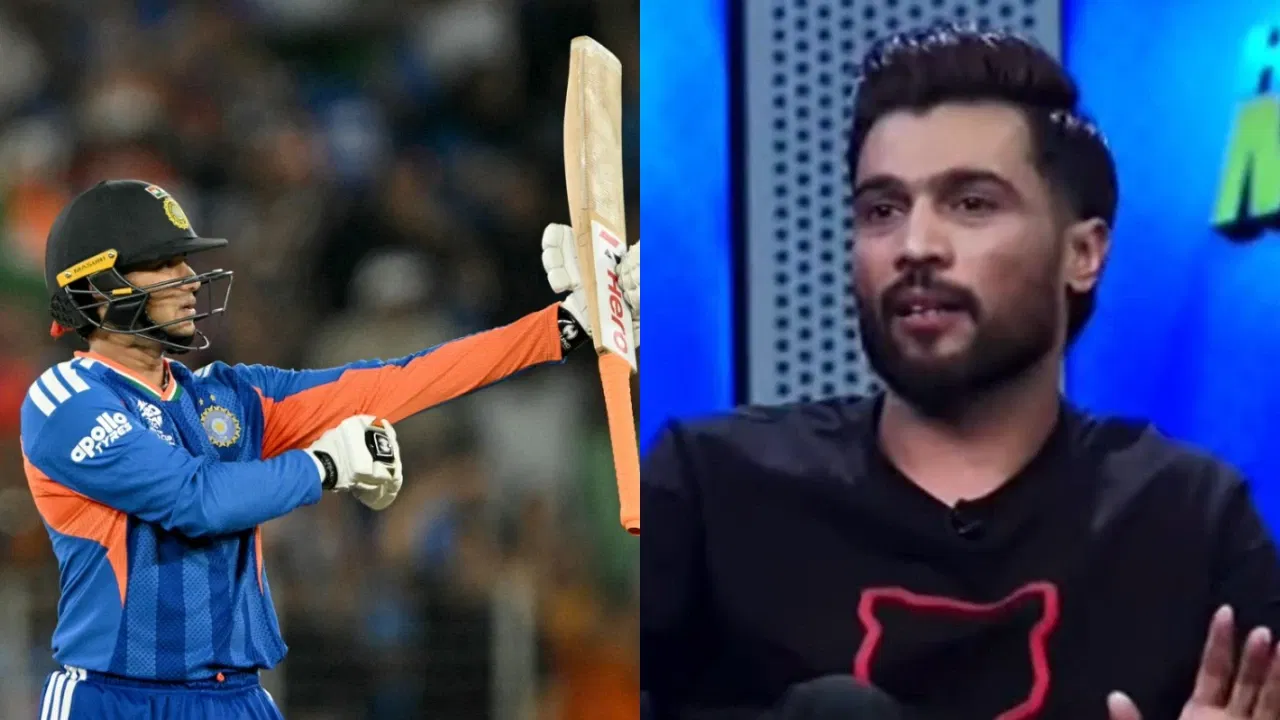
Mohammad Amir breaks silence after Abhishek Sharma slaps him in the face with T20 WC final heroics
24-year-old Pakistan cricketer announces retirement after T20 World Cup 2026 disaster
Yuvraj Singh pressure? Gautam Gambhir reveals why Abhishek Sharma wasn’t dropped despite horrible form
Gautam Gambhir drops big update on India’s 2027 World Cup plans
Abhishek Sharma at No.2: India’s worst performers at T20 World Cup 2026
Mike Hesson’s blunt take on Pakistan stars’ snub for Bangladesh tour
Gautam Gambhir finally reveals Jay Shah’s role in making him India head coach
Gautam Gambhir finally reveals Jay Shah’s role in making him India head coach
We had players like Abhishek Sharma- Ex-Pakistan head coach Hits Back at Mohammad Amir over ‘slogger’ remark
I heard a loud slap: Abdul Razaq reveals shocking fight incident involving Mohammad Amir
Harbhajan Singh destroys ‘Ahmedabad Curse’ myth after India’s T20 World Cup 2026 glory
ICC breaks silence on England’s early departure as West Indies, South Africa remain stranded in India
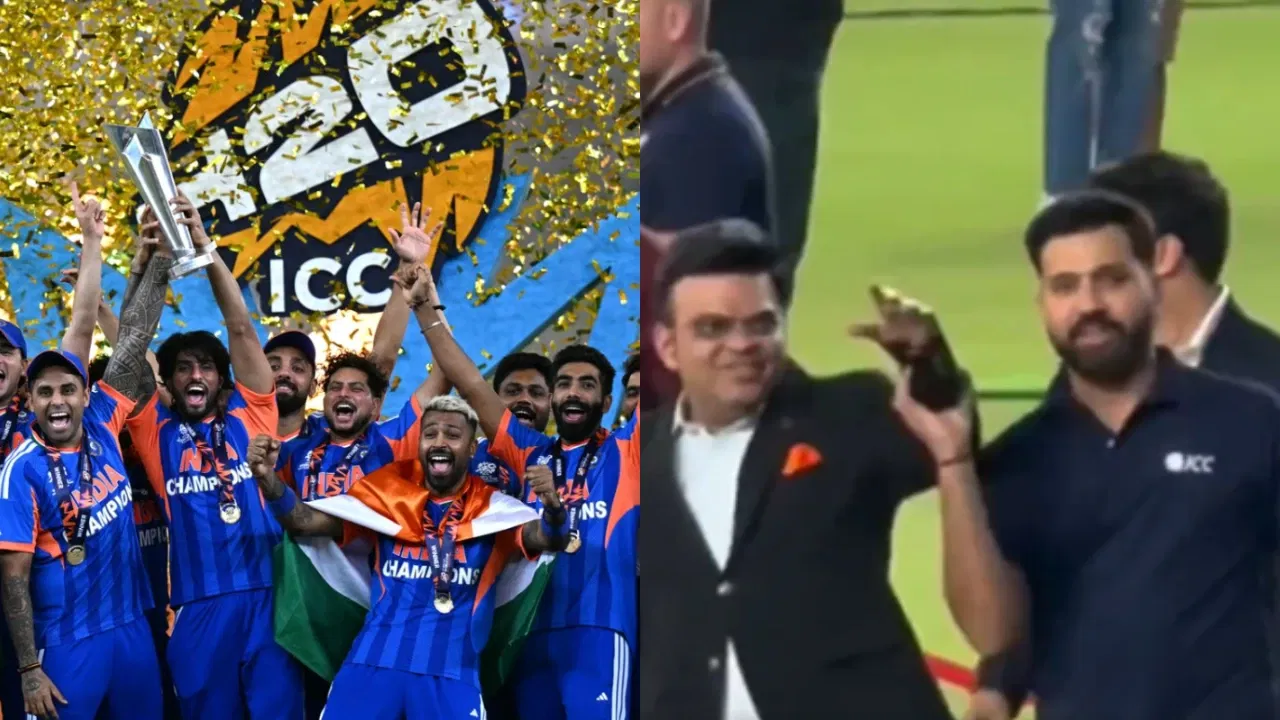
Watch: Rohit Sharma credits ‘script writer’ Jay Shah for India’s T20 World Cup win
Ishan Kishan fires shots at Ajit Agarkar for punishing him after T20 World Cup triumph