ICC accepts technology error, reinstates England review after Alex Carey appeal in Adelaide Test
ICC Reinstates England’s DRS Review After Technology Failure
The International Cricket Council (ICC) recently reinstated England’s Decision Review System (DRS) review after a technical fault occurred during the third Ashes Test in Australia. The incident involved a controversial appeal regarding Alex Carey’s not-out decision, where a technology failure led to the denial of a potential wicket for England.
Controversy Erupts Over Alex Carey’s Not-Out Decision
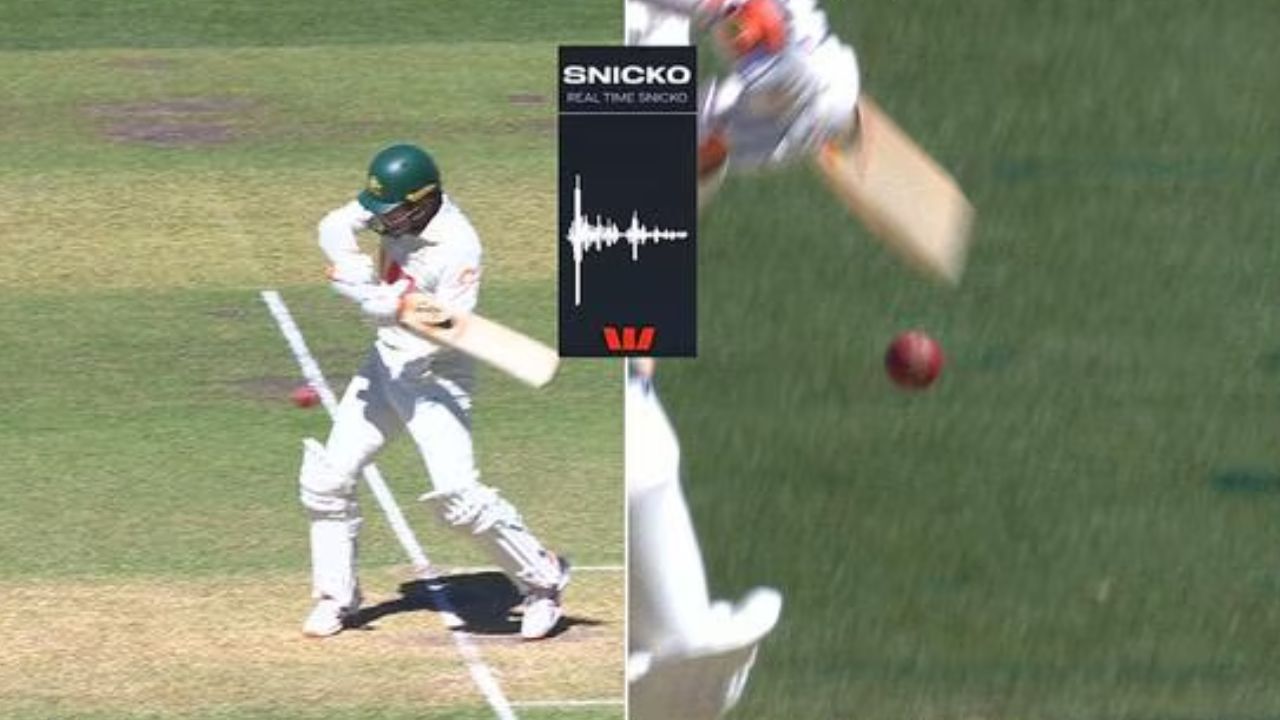
During the third Ashes Test, Alex Carey was batting on 72 when a caught-behind appeal off Josh Tongue was turned down by the on-field umpire. England decided to review the decision after Snicko, a sound-based edge-detection system, failed to function correctly. While audio suggested a noticeable sound, replays indicated that it occurred before the ball reached the bat.
Despite the controversy, the TV umpire upheld the original not-out call, allowing Carey to continue his innings and eventually score a century. Following the incident, England’s team management, including head coach Brendon McCullum and team manager Wayne Bentley, raised their concerns with match referee Jeff Crowe.
ICC Rules Allow Review Reinstatement After Technology Failure
According to ESPNCricinfo, the ICC’s playing conditions permit a team to have a lost review reinstated if a technology failure impedes proper decision-making. This rule has been applied in the past, including during England’s tour of India in 2021.
Match referee Jeff Crowe decided to reinstate England’s lost review, providing them with two reviews when play resumed on the second day in Adelaide. The incident also shed light on the differences between sound-based edge-detection systems approved by the ICC, with Australia using the RTS system and other countries utilizing UltraEdge.
Ricky Ponting Questions Technology Reliability
Former Australia captain Ricky Ponting expressed skepticism regarding the reliability of the RTS system. He highlighted the challenges faced by match officials in trusting the technology, emphasizing the importance of accurate decision-making in cricket. Ponting argued that umpires should not have to rely on instinct when reviewing incidents.
Ponting’s comments underscored the significance of technological advancements in cricket and the need for consistent and reliable systems across all formats of the game. The incident during the Ashes Test serves as a reminder of the ongoing debate surrounding the use of technology in cricket and its impact on the sport’s integrity.
The Importance of Technology in Modern Cricket
Technology has become an integral part of modern cricket, with innovations like the Decision Review System (DRS) playing a crucial role in ensuring fair play. The use of ball-tracking, edge-detection, and ultra-motion cameras has revolutionized the way decisions are made on the field, reducing human errors and enhancing the overall accuracy of umpiring.
While the implementation of technology has significantly improved the game, incidents like the one during the Ashes Test highlight the challenges that come with relying on these systems. Technical failures, calibration issues, and discrepancies between different technologies can lead to controversies and impact the outcome of matches.
The Evolution of DRS in Cricket
The Decision Review System has come a long way since its introduction in international cricket. Initially met with skepticism and resistance from players and officials, DRS has now become a standard practice in most matches, providing teams with a limited number of reviews to challenge on-field decisions.
Over the years, the ICC has continued to refine and update the technology used in DRS, aiming to make it more accurate and reliable. However, as seen in the case of the Alex Carey incident, there are still areas that require improvement to ensure consistent and fair decision-making.
The Role of Match Officials in Utilizing Technology
Match officials play a crucial role in utilizing technology effectively and making informed decisions on the field. While advancements like ball-tracking and edge-detection systems provide valuable insights, it is ultimately up to the umpires and the third umpire to interpret the data and reach a fair verdict.
Training and education for match officials on how to best utilize technology and handle situations where technical failures occur are essential to maintain the integrity of the game. Clear communication between the on-field umpires and the third umpire is also vital in ensuring that the right decisions are made, especially in high-stakes matches like the Ashes series.
The Future of Technology in Cricket
As technology continues to advance, the future of cricket is likely to see even more sophisticated systems being integrated into the game. From virtual reality simulations for training umpires to artificial intelligence-assisted decision-making, the possibilities are endless in enhancing the accuracy and efficiency of officiating in cricket.
However, with these advancements come new challenges and ethical considerations. Maintaining a balance between human judgment and technological assistance will be crucial to preserving the spirit of the game and upholding its traditions while embracing progress.
Conclusion
The incident involving England’s lost review during the Ashes Test serves as a reminder of the complexities and debates surrounding the use of technology in cricket. While DRS has undoubtedly improved the accuracy of decision-making, there are still areas that require attention to ensure fair play and uphold the integrity of the sport. As cricket continues to evolve, finding the right balance between technology and human judgment will be key to advancing the game while preserving its rich heritage.
Latest News

Mumbai Indians suffer blow! Mitchell Santner, Will Jacks ruled out of IPL 2026 games
MI vs KKR Match Prediction – Who Will Win Match No.2? | IPL 2026
Mumbai Indians Playing XI vs Kolkata Knight Riders Playing XI- Match No. 2 | IPL 2026
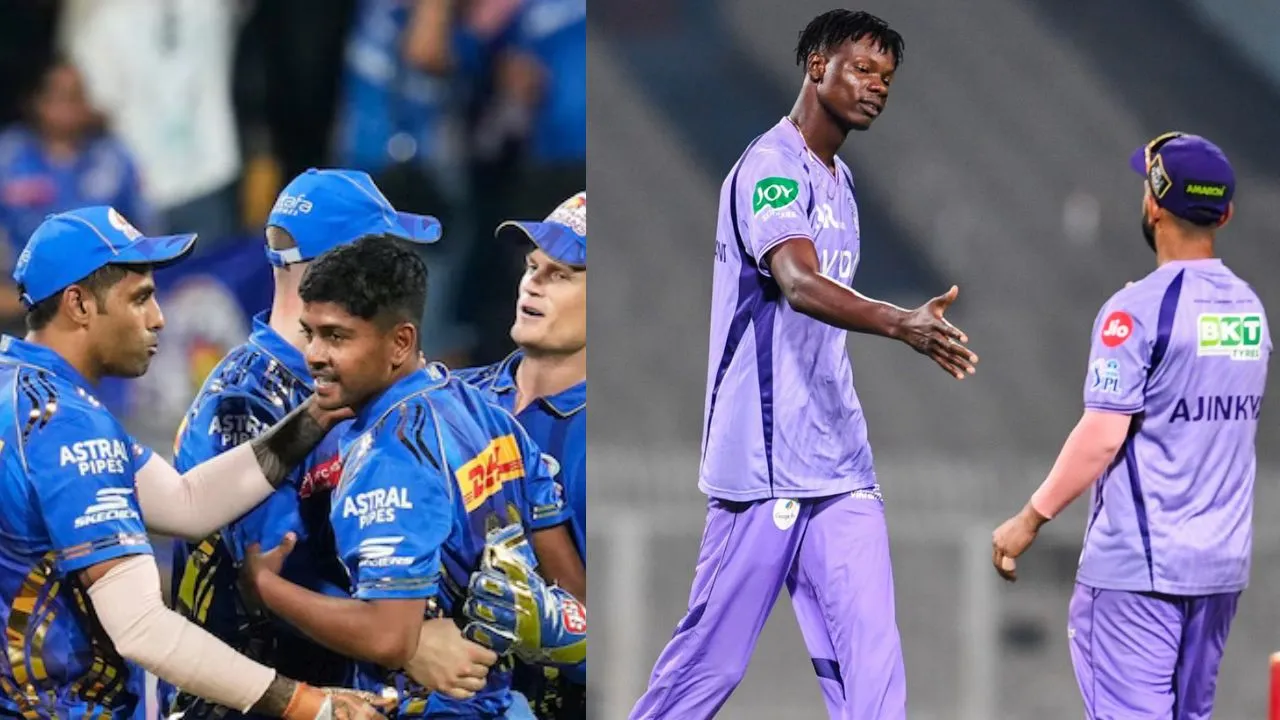
MI vs KKR Match 2 Preview: Free Live Streaming, Pitch & Weather Report, Head-to-Head | IPL 2026
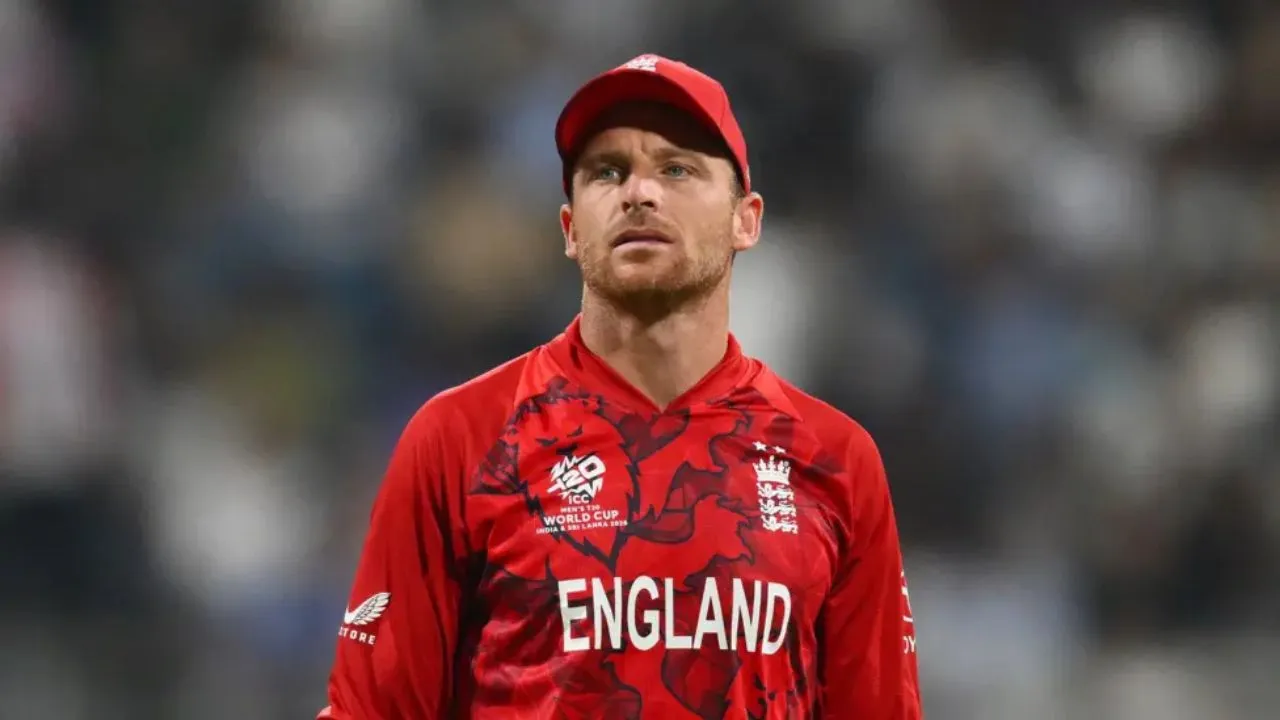
Not English cricket! Jos Buttler credits IPL for his success as a cricketer
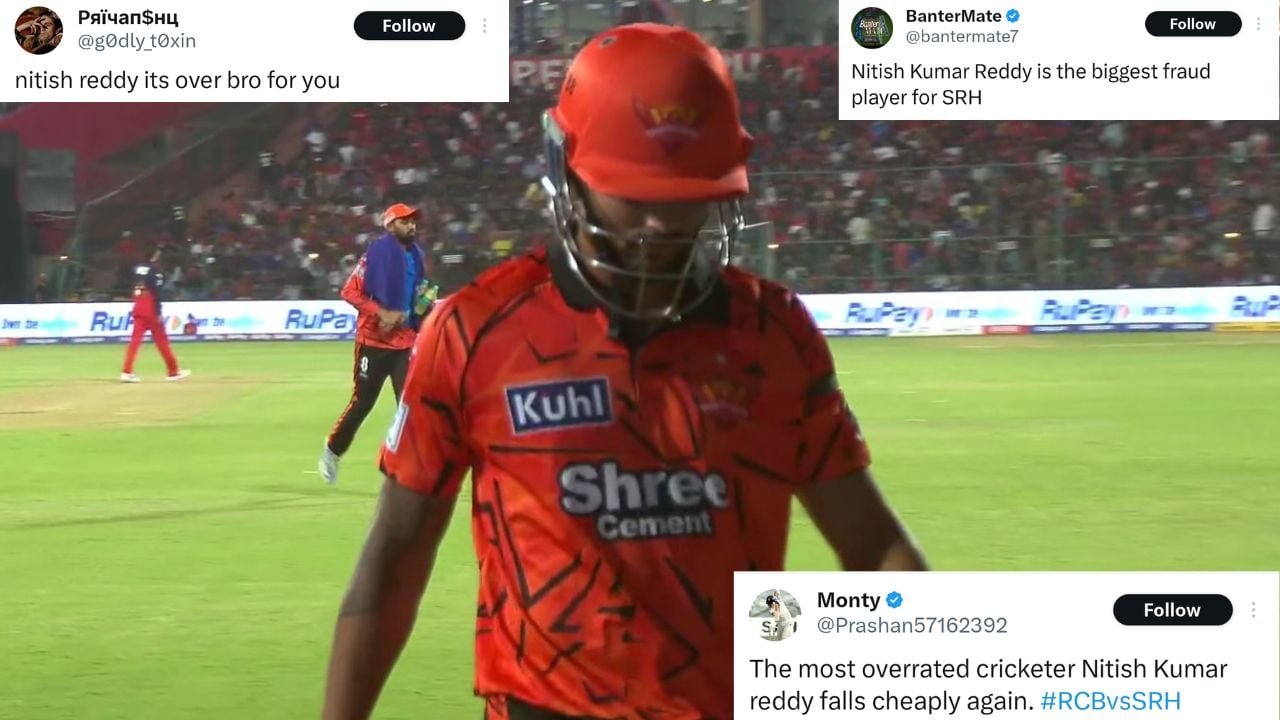
“Nitish Kumar Reddy is biggest fraud”: Fans fume as SRH star fails vs RCB in IPL 2026 opener
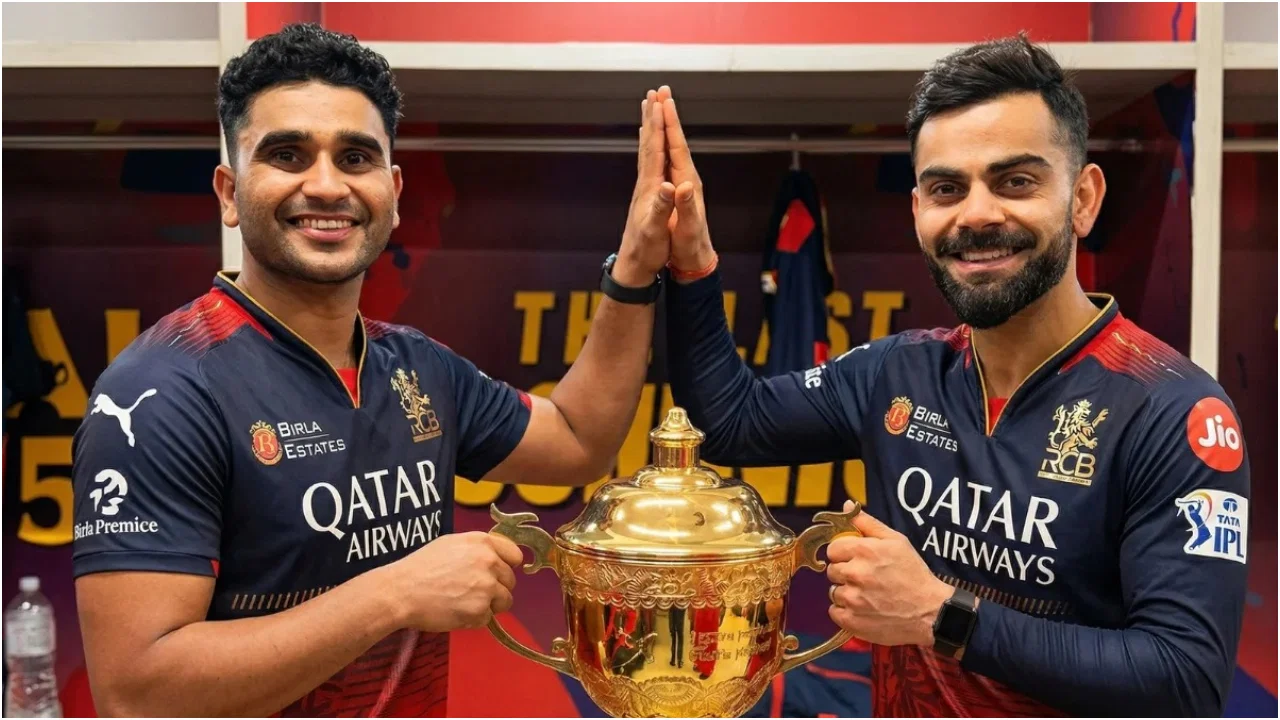
Who is Abhinandan Singh? The Virat Kohli troublemaker who made his IPL debut for RCB vs SRH
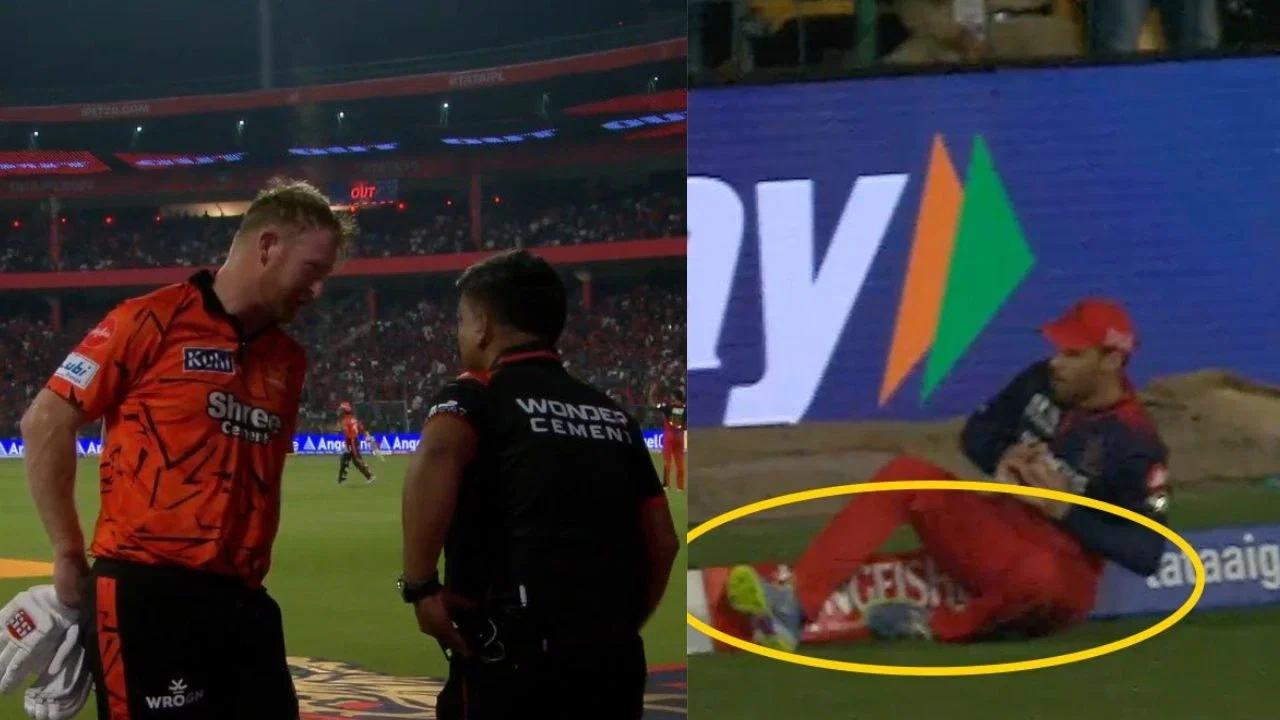
Heinrich Klaasen engages in heated chat with 4th umpire after Phil Salt’s controversial catch in IPL 2026
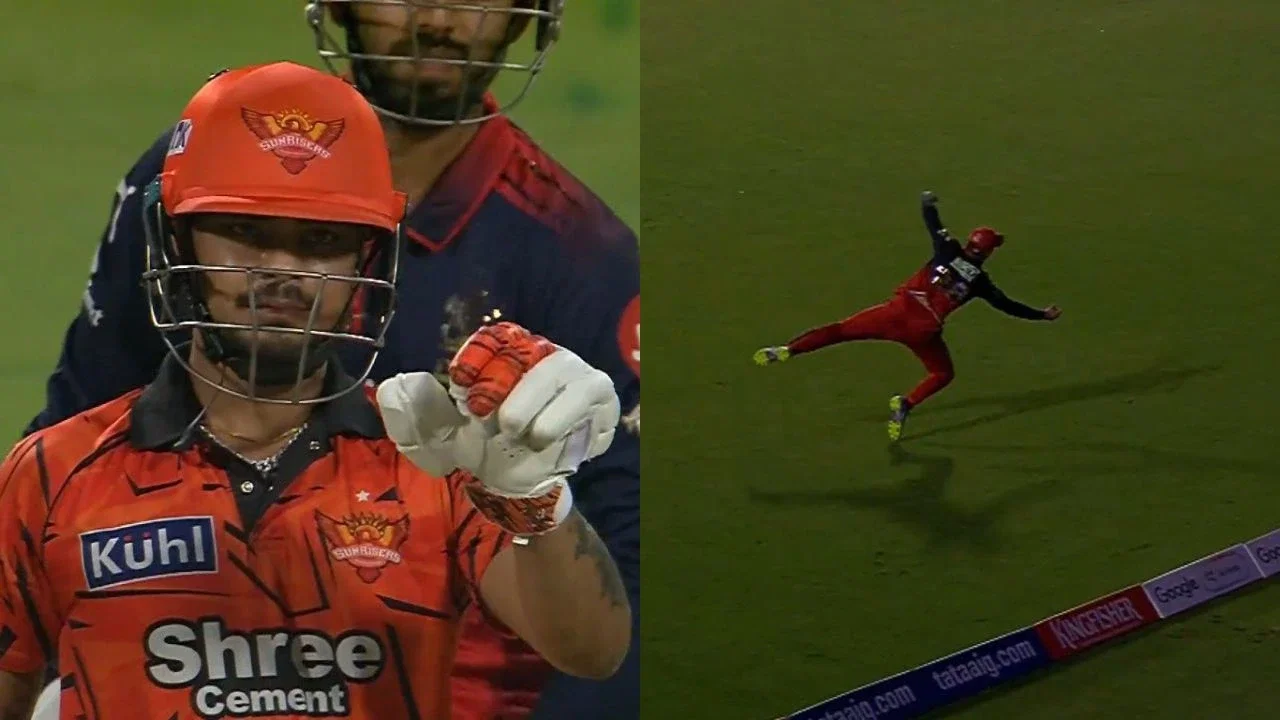
Phil Salt grabs one of the greatest catches in IPL history to dismiss Ishan Kishan
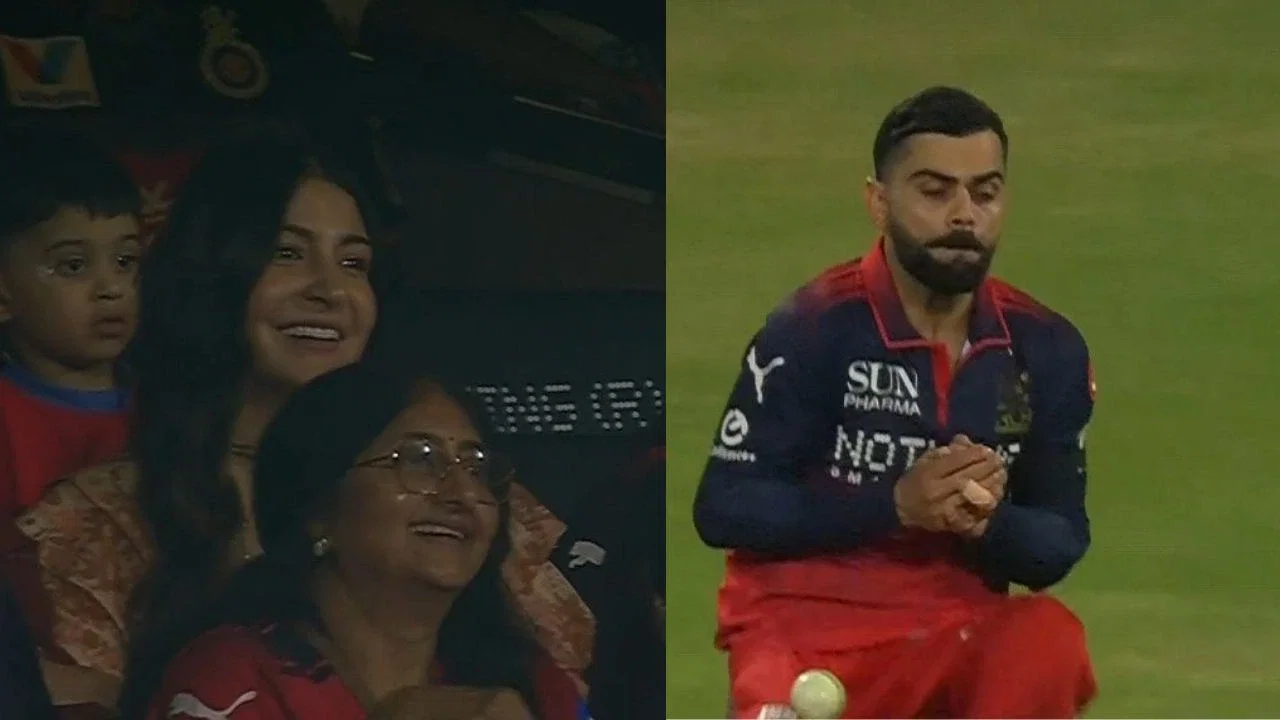
Anushka Sharma laughs as Virat Kohli drops a sitter in RCB vs SRH clash (Watch Video)
Anushka Sharma laughs as Virat Kohli drops a sitter in RCB vs SRH clash (Watch Video)
Anushka Sharma laughs as Virat Kohli drops a sitter in RCB vs SRH clash (Watch Video)
Anushka Sharma laughs as Virat Kohli drops a sitter in RCB vs SRH clash (Watch Video)
Anushka Sharma laughs as Virat Kohli drops a sitter in RCB vs SRH clash (Watch Video)