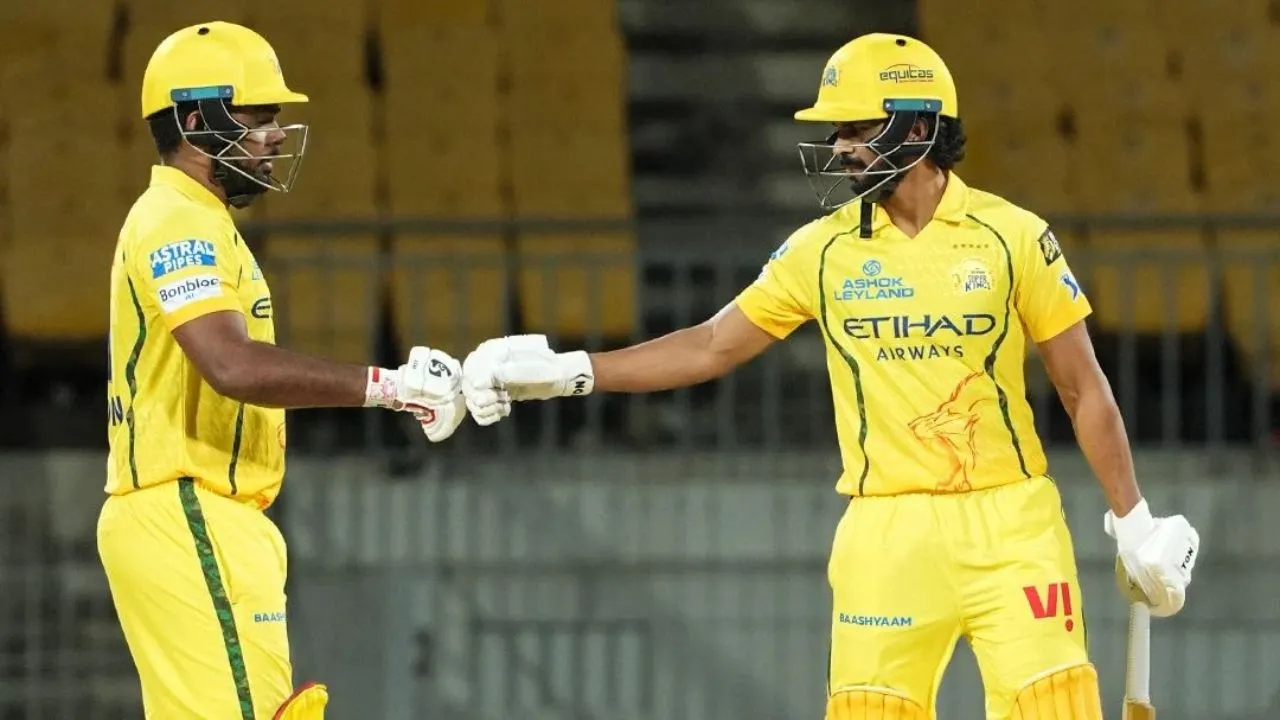
ICC announces shocking pitch ratings for India vs South Africa Tests in Kolkata, Guwahati
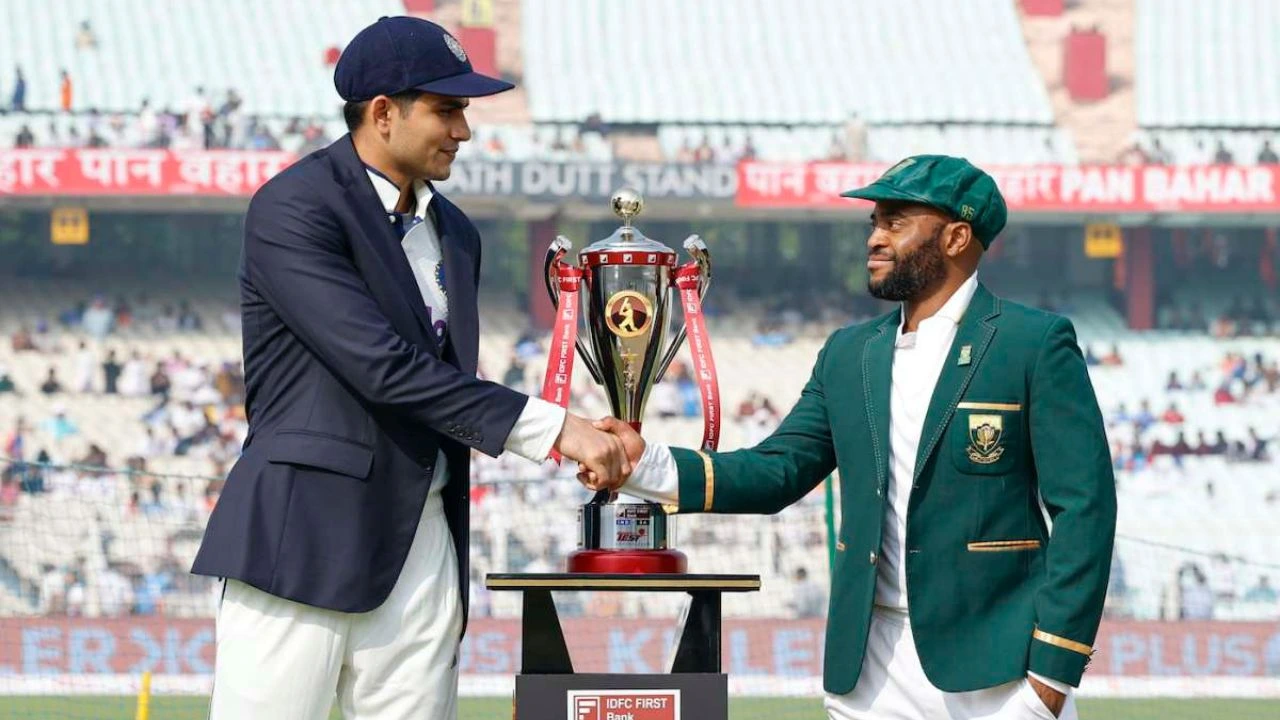
ICC Verdict on Recent Test Match Pitches
The International Cricket Council (ICC) has released its verdict on some of the most controversial pitches in recent Test matches, sparking intense debates among fans and experts. The matches under scrutiny include the India-South Africa Test series and the Boxing Day Test between England and Australia at the Melbourne Cricket Ground (MCG).
Eden Gardens Pitch in Kolkata Receives “Satisfactory” Rating
Despite facing heavy criticism, the turning track at Eden Gardens in Kolkata during the first Test between India and South Africa has been deemed “satisfactory” by ICC match referee Richie Richardson. The match ended within three days last month, with South Africa emerging victorious by 30 runs.
The pitch at Eden Gardens proved to be a challenging battleground, offering sharp turns and uneven bounce that kept both teams on their toes throughout the match. South Africa captain Temba Bavuma’s gritty knock of 55 off 136 balls was one of the few highlights in a low-scoring affair dominated by the bowlers.
ICC Rates Guwahati Pitch “Very Good” Despite India’s Defeat
In contrast, the pitch at the ACA Stadium in Guwahati for the second Test between India and South Africa was rated “very good” by the ICC. Despite the positive rating, India suffered a crushing defeat by 408 runs as South Africa showcased their dominance and clinched the Test series 2-0.
The Guwahati surface provided a balance between pace, bounce, and turn, creating an engaging contest between bat and ball. South Africa’s comprehensive victory marked their first Test series win in India in 25 years, underscoring their prowess on foreign soil.
MCG Pitch Punished by ICC with a Demerit Point
In a surprising turn of events, the MCG pitch used for the Boxing Day Test between Australia and England was not spared from scrutiny. Match referee Jeff Crowe labeled the surface as “unsatisfactory” after the Test concluded in just two days, with a total of 36 wickets falling.
Crowe explained that the MCG pitch heavily favored the bowlers, resulting in a lack of significant scores from the batsmen. As a consequence of this assessment, the MCG has been handed one demerit point by the ICC, highlighting the need for pitches to provide a fair contest between bat and ball.
In conclusion, the recent ICC assessments of Test match pitches have sparked conversations around the role of playing surfaces in shaping the outcome of matches. As teams continue to adapt to varying conditions, the quality of pitches will remain a key factor in determining the balance between bat and ball in international cricket.
Impact of Pitches on Match Outcomes
Test match pitches play a crucial role in determining the outcome of a game, as they can heavily favor either the bowlers or the batsmen. A pitch that offers excessive turn or uneven bounce can make batting extremely challenging, leading to low-scoring matches and quick finishes. On the other hand, pitches that are too flat and devoid of any assistance for the bowlers can result in high-scoring draws, where the contest between bat and ball is diminished.
Teams often strategize based on the nature of the pitch, with spin-heavy attacks being favored on turning tracks, while pace bowlers thrive on bouncy surfaces. Captains must make quick decisions regarding team selection and tactics depending on the conditions presented by the pitch, adding an element of unpredictability to the game.
Evolution of Pitch Preparation
In recent years, there has been a shift in the way pitches are prepared, with curators aiming to create surfaces that offer a balance between bat and ball. The days of extreme pitches that heavily favor either bowlers or batsmen are gradually fading away, as cricketing bodies emphasize the importance of fair play and competitive contests.
Groundsmen now use advanced techniques and technology to prepare pitches that age well over the course of a Test match, providing assistance to bowlers initially before flattening out for batting as the game progresses. This evolution in pitch preparation has been welcomed by players and fans alike, as it ensures that matches are not decided solely by the conditions of the pitch.
Role of ICC in Pitch Assessment
The ICC’s role in assessing and regulating pitches is vital in maintaining the integrity of the game. By providing ratings and demerit points to pitches based on their quality and fairness, the ICC ensures that teams compete on a level playing field. The recent punishments and accolades handed out by the ICC for various Test match pitches reflect their commitment to upholding the spirit of cricket.
Match referees like Richie Richardson and Jeff Crowe play a crucial role in evaluating pitches and providing feedback to curators, helping them understand areas for improvement. This feedback loop between match officials, curators, and cricketing boards is essential for the continuous improvement of pitch quality across different venues.
Future of Test Match Pitches
As the game of cricket evolves, so too will the preparation and assessment of Test match pitches. The focus will continue to be on creating surfaces that offer a fair contest between bat and ball, promoting exciting and competitive cricket. With advancements in pitch technology and greater collaboration between stakeholders, the future looks promising for pitches that challenge and entertain players and fans alike.
Ultimately, the art of pitch preparation remains a delicate balance, where curators must consider various factors such as weather conditions, soil composition, and playing styles to create surfaces that enhance the spectacle of Test cricket. The recent ICC verdicts on Test match pitches serve as a reminder of the importance of pitch quality in shaping the outcomes of matches and ensuring a captivating viewing experience for cricket enthusiasts worldwide.
Latest News

Ben Stokes return date revealed after injury layoff, set to miss start of season

Mitchell Starc issues official statement on his IPL 2026 availability
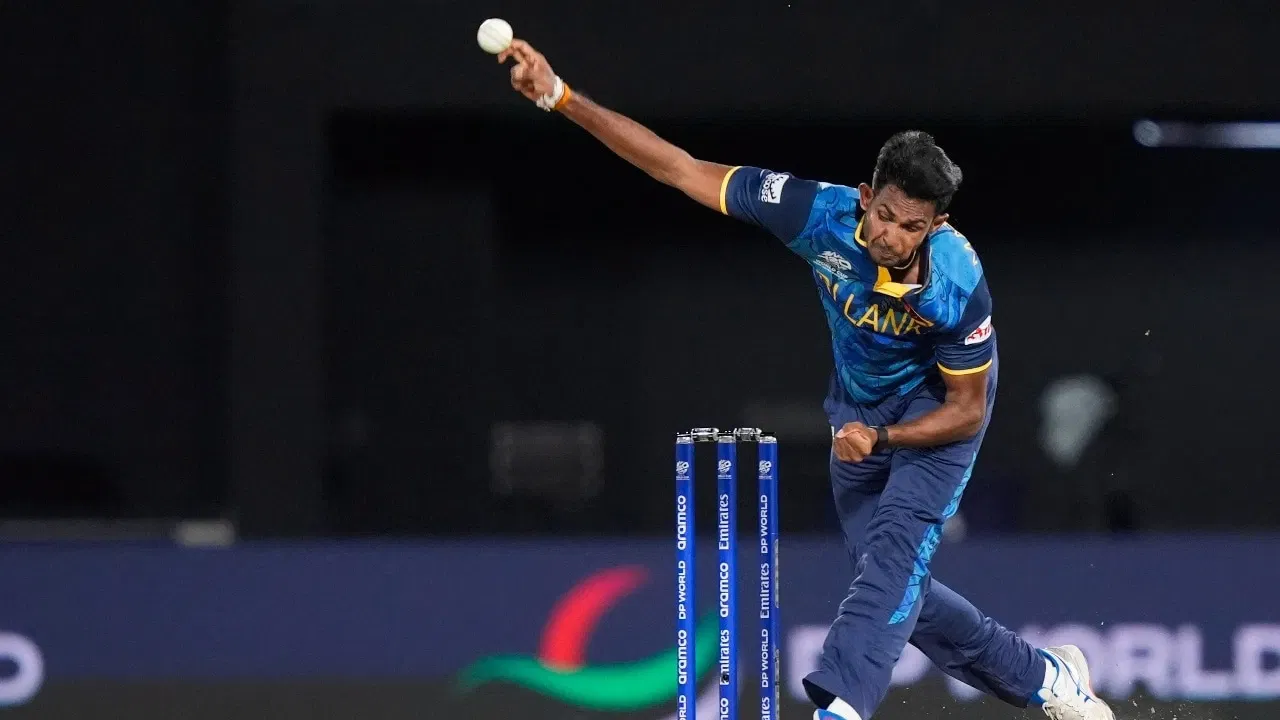
Matheesha Pathirana IPL return date revealed, set to miss two matches

Living Like Prince: Shubman Gill Buys a Massive ₹20.7 Cr Luxury Home in Juhu.
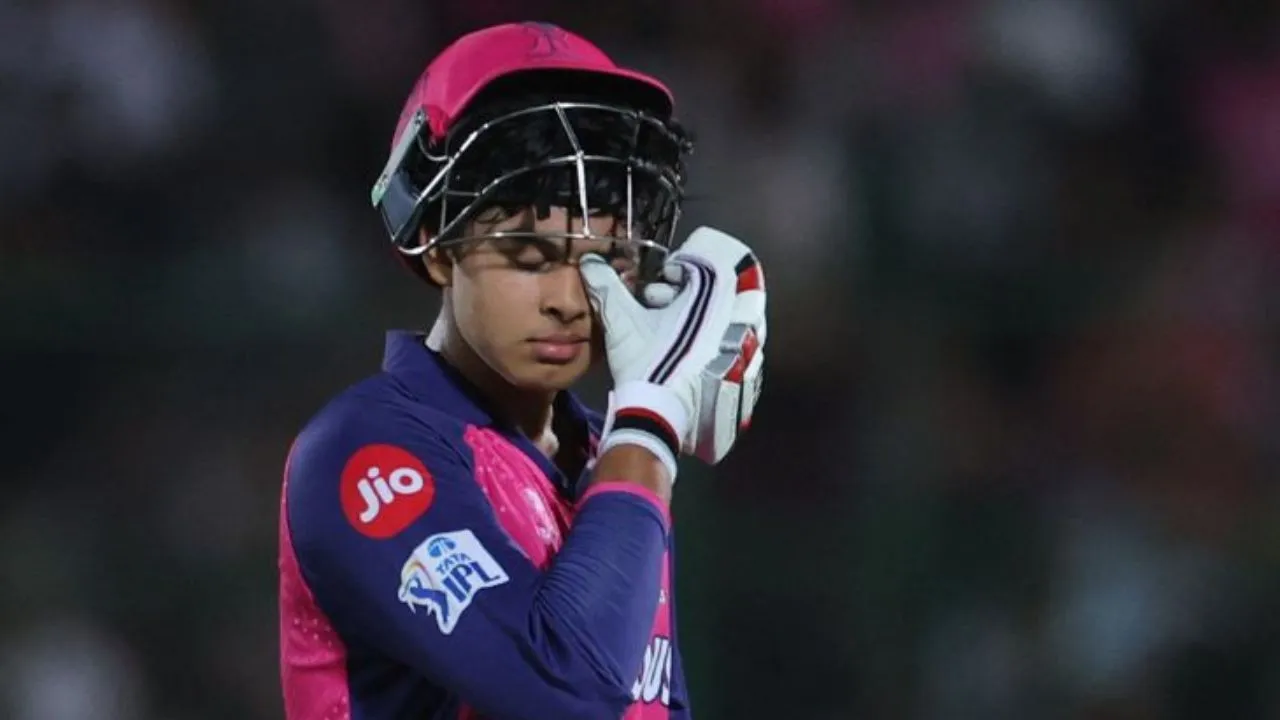
Not Vaibhav Sooryavanshi! Shashank Singh points out the most exciting young batter in IPL 2026
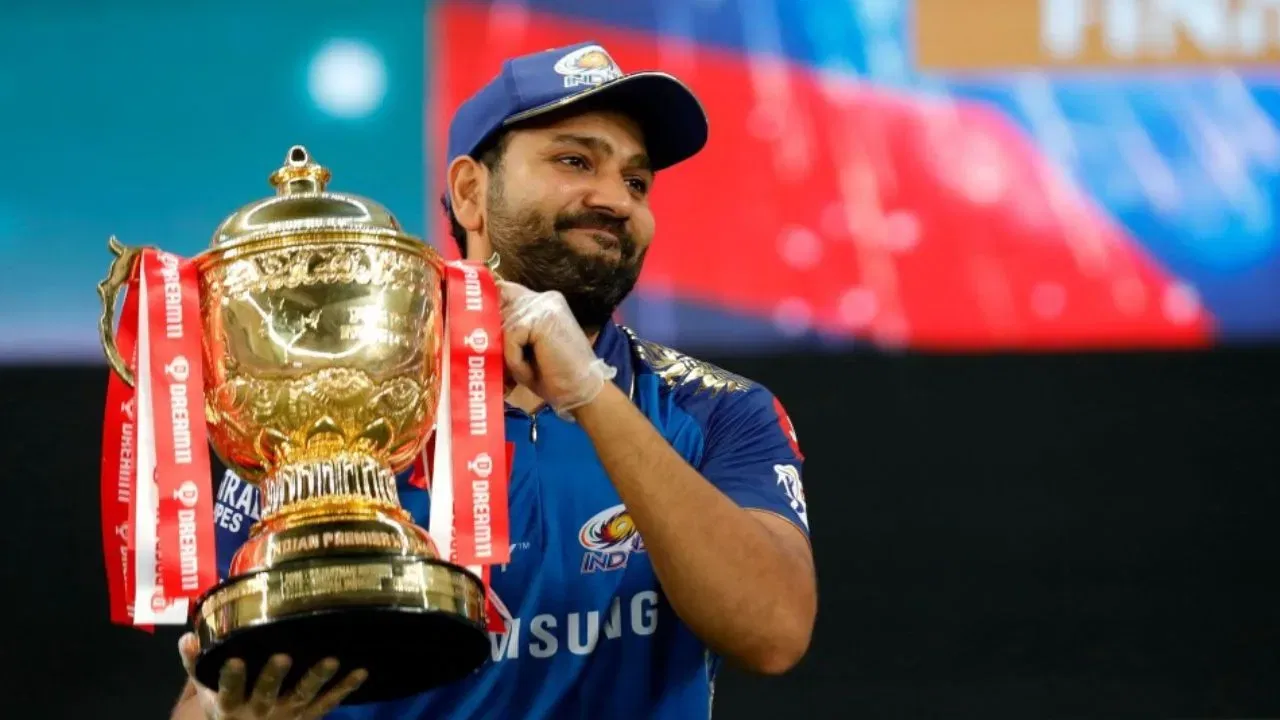
Rohit Sharma will perform better than Virat Kohli in IPL 2026, claims South Africa GOAT

Ravichandran Ashwin set to team up with Haris Rauf for San Francisco Unicorns in MLC
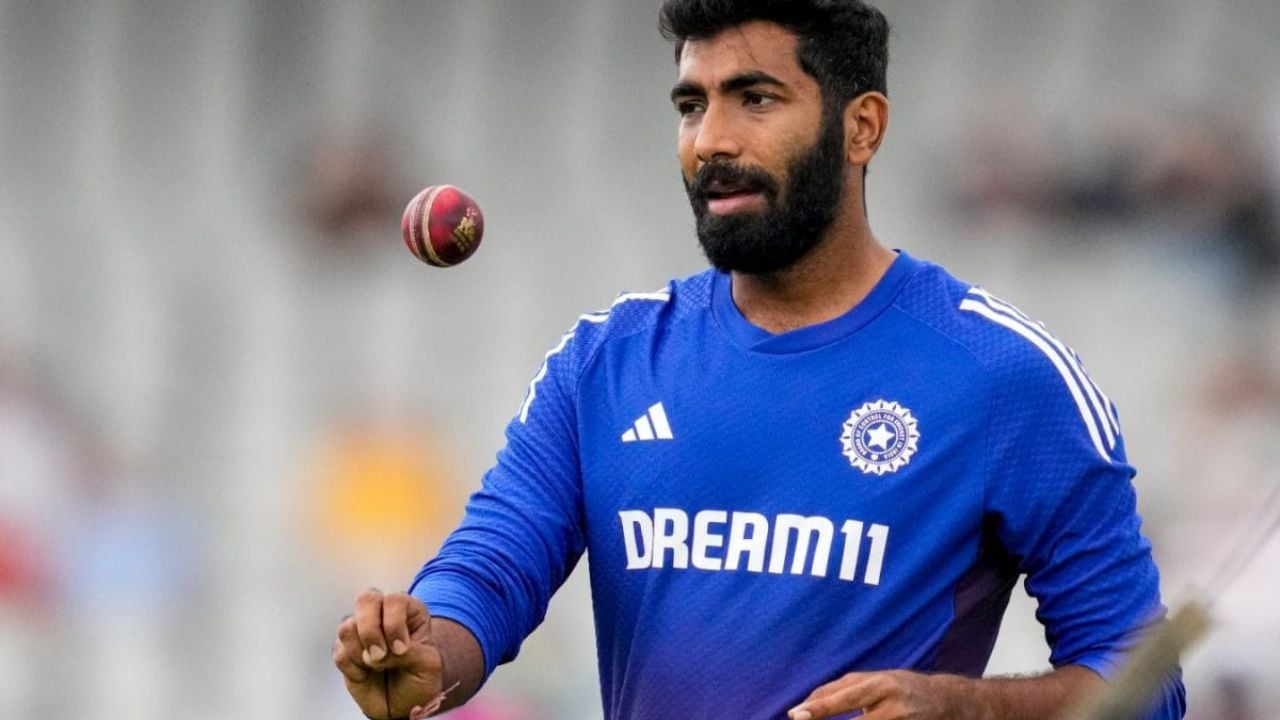
Jasprit Bumrah, Matheesha Pathirana injury updates: MI, KKR coaches issue official medical bulletin
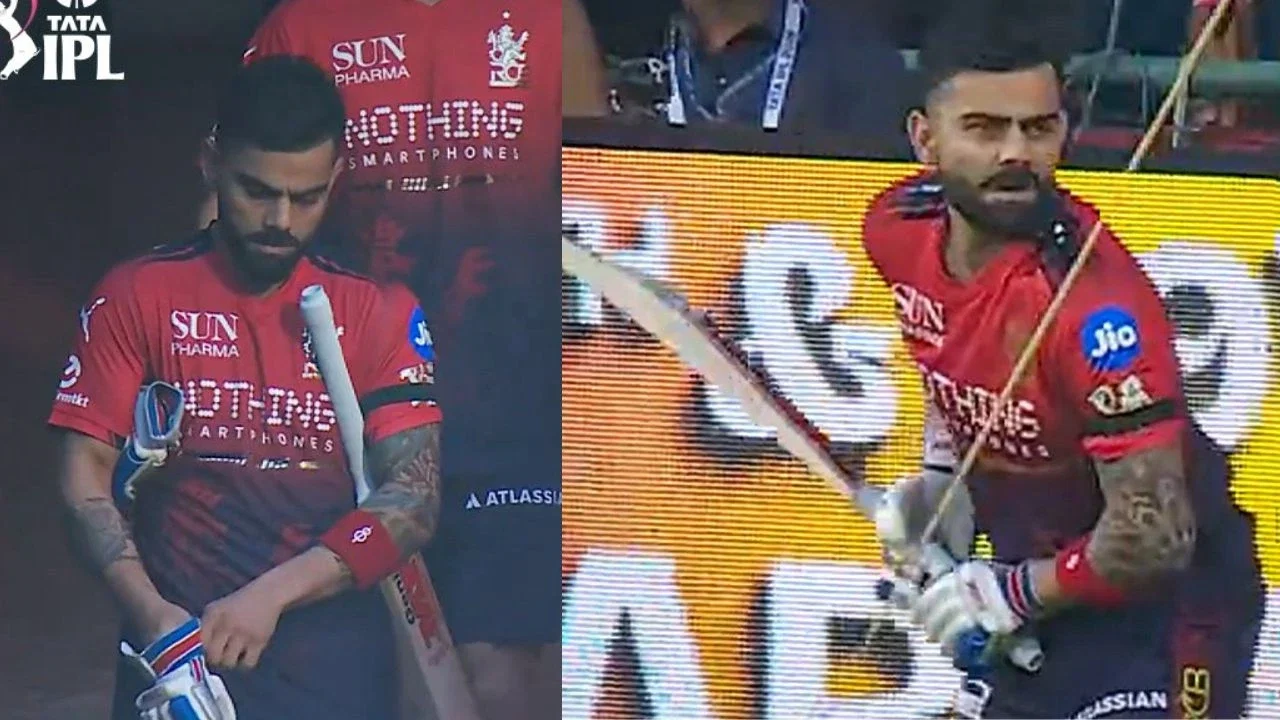
Why are RCB players wearing black armbands today vs SRH in IPL 2026 Match 1?
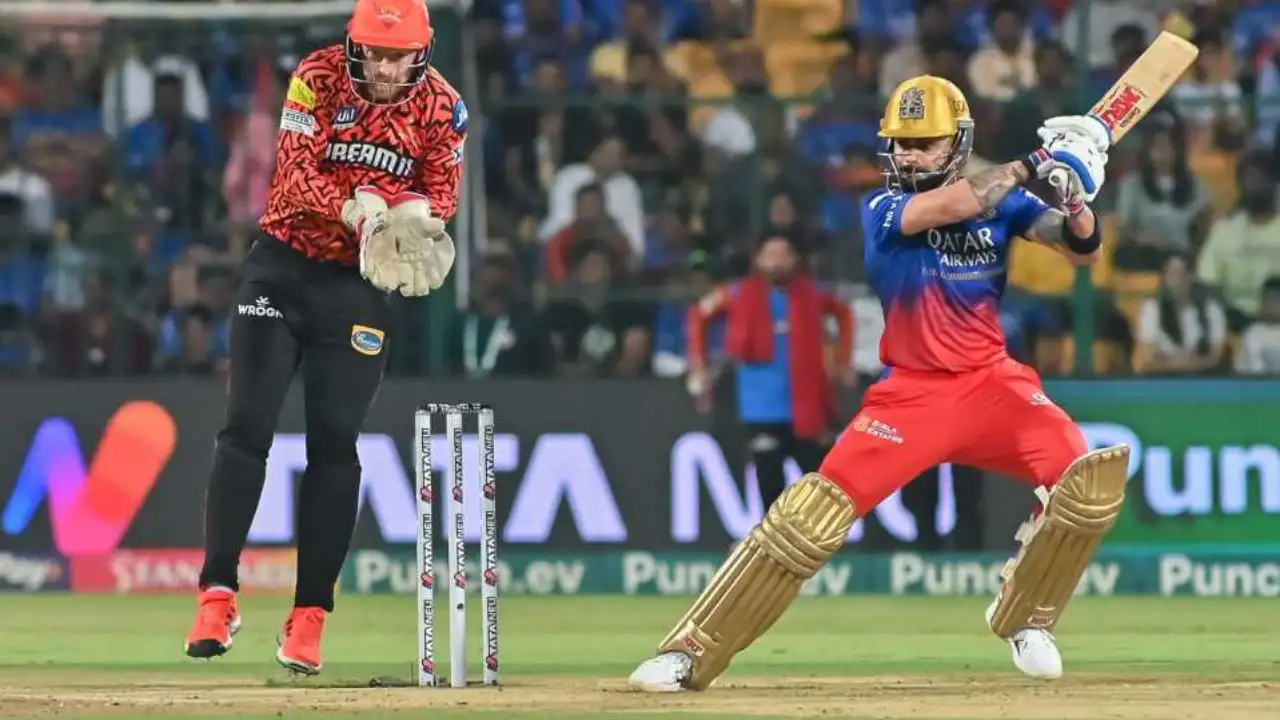
RCB vs SRH Impact Players Today: Toss Report, Playing XIs, Latest Updates IPL 2026 Match 1
Yograj Singh makes blunt remark at Virat Kohli and Rohit Sharma over early retirement calls
Bhuvneshwar Kumar on brink of IPL history, needs two wickets for massive milestone
IPL to be broadcasted? Bangladesh government drops massive update on IPL broadcast ban

SRH fans to boycott IPL? Former India cricketer shares insights on social media drama around Abrar Ahmed