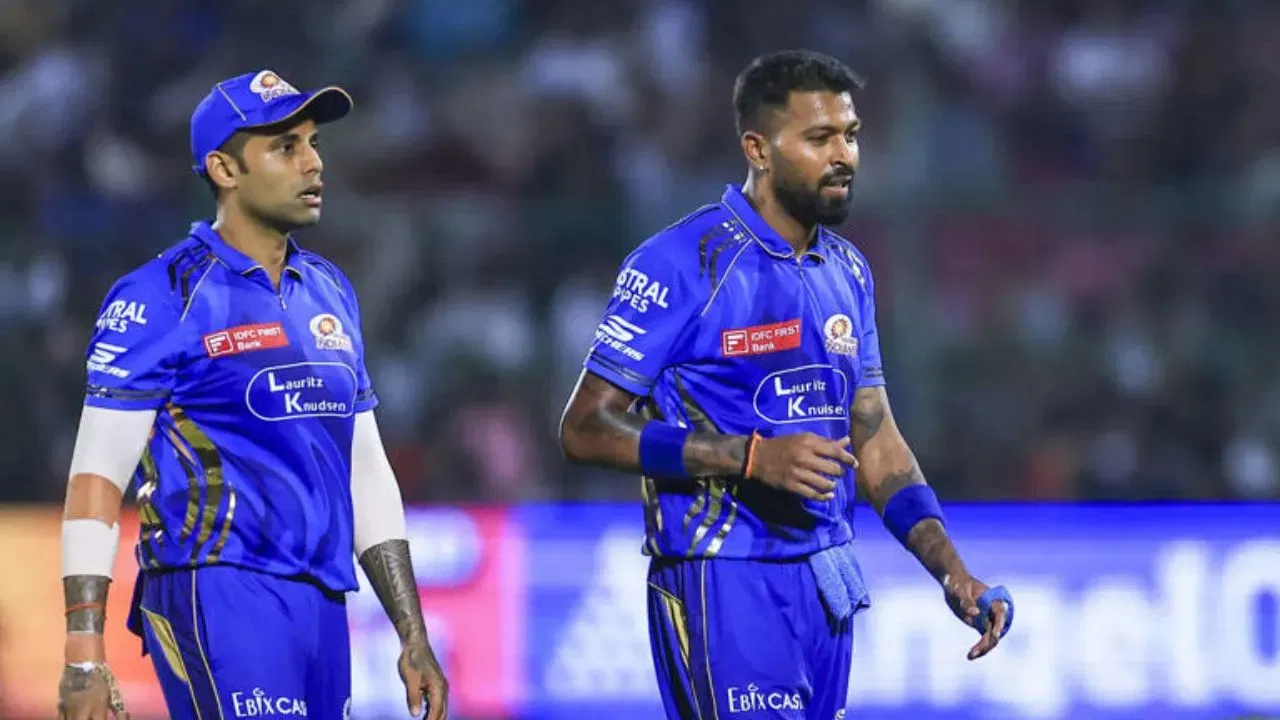
ICC approves major rule changes in ODIs and concussion sub protocols
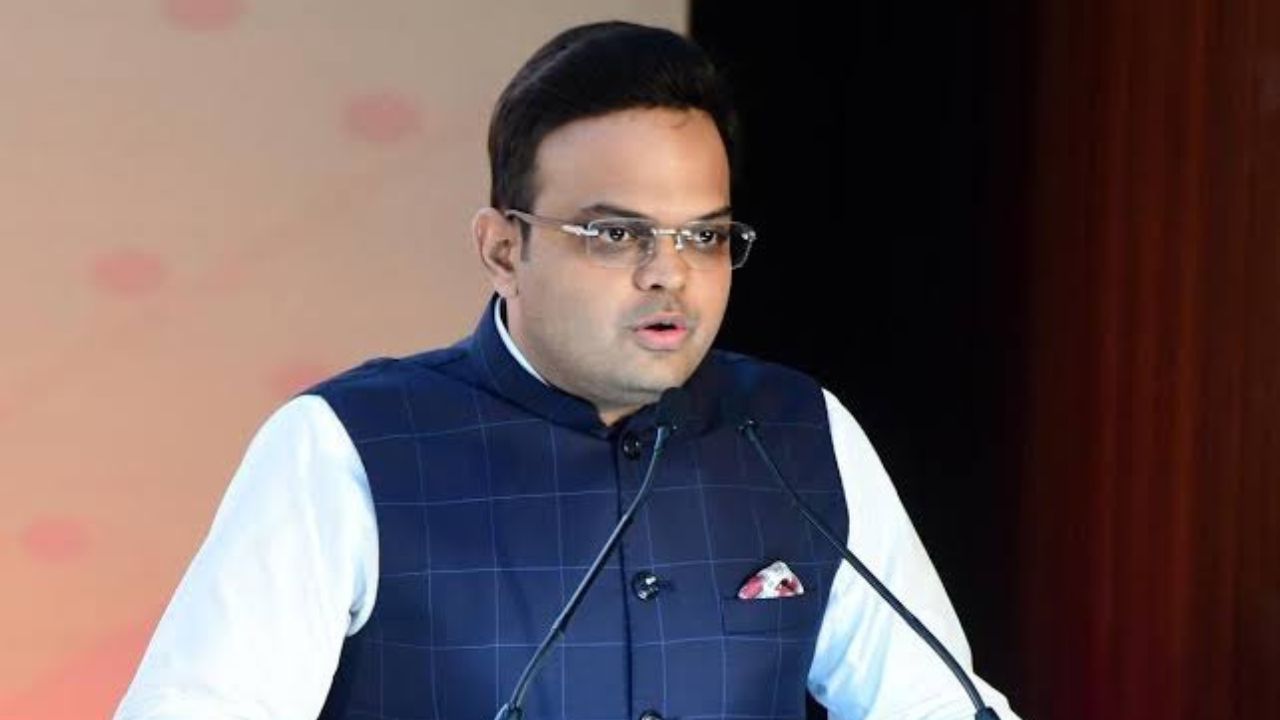
ICC Approves Changes to Playing Conditions in Men’s International Cricket
The International Cricket Council (ICC) has recently announced some significant changes to the playing conditions in men’s international cricket. These changes were suggested by the ICC Men’s Cricket Committee and have been approved by the Chief Executives Committee. The alterations will come into effect on different dates for each format – June 17 for Test matches, July 2 for ODIs, and July 10 for T20Is.
Changes to the Two-Ball Rule in ODIs
One of the major changes approved by the ICC is the modification to the two-ball rule in ODIs. Previously, two new balls were used per inning in men’s ODIs, one from each end. This rule has faced criticism, especially from bowlers, as it tends to favor batters on flat pitches with less ball wear and tear.
Under the new rule, two new balls will still be used at the start of an innings, but with a twist. From the beginning of the innings until the end of the 34th over, two new balls will be in play. However, from the 35th over to the 50th over, the bowling team must choose one ball from the two and use it from both ends. This means there will only be one ball in play from overs 35 to 50.
If an ODI match is reduced to 25 overs or less before the first innings begins, the bowling side will only be given one new ball for the entire innings. This change is aimed at rebalancing the game between bat and ball, allowing the ball to age more and providing assistance to bowlers in the final overs.
Introduction of New Concussion Rules
Another significant change introduced by the ICC is the new concussion protocols. Teams are now required to submit a list of five substitute players to the match referee before the start of the match in all international games. This ensures that if a player suffers a concussion during the game, a like-for-like replacement is readily available to maintain fairness in the game.
These substitute players must cover key roles in the team, including a wicketkeeper, a specialist batter, a fast bowler, a spin bowler, and an all-rounder. If a substitute player also sustains a concussion and needs to be replaced, the match referee can allow a replacement from outside the original five named substitutes, but must apply a like-for-like rule.
ICC Bans Bunny Hop Trick
Earlier this year, India replaced a batting all-rounder with a bowling all-rounder as a concussion substitute during a T20I match against England, sparking controversy. To prevent such situations in the future, teams are now required to name substitute players for specific roles before the match.
Additionally, the ICC has banned the “bunny hop” trick, where a fielder jumps from outside the boundary to complete a clean catch. These changes are aimed at maintaining fairness and simplicity in the game, ensuring a level playing field for all teams.
Overall, these changes are set to bring in a new era of cricket with a focus on enhancing the viewing experience while maintaining the integrity and competitiveness of the sport.
The Impact of Changes on Bowling Strategies
With the modification to the two-ball rule in ODIs, bowlers will now have to adapt their strategies to make the most of the new playing conditions. The shift from using two new balls in tandem to only one in the latter stages of the innings will require bowlers to plan their spells more strategically. They will need to consider factors such as reverse swing, slower deliveries, and variations to make the most of the older ball.
Bowlers who excel in the death overs may find themselves at an advantage with the new rules, as the single ball approach in the final 15 overs could provide opportunities for swing and reverse swing, making it challenging for batters to score freely. Teams may also opt for specialist death bowlers to capitalize on this change and put pressure on the opposition in the closing stages of the innings.
Moreover, the introduction of concussion protocols and the requirement for teams to name substitute players for key roles will impact how teams plan for unforeseen circumstances during a match. Coaches and team management will need to consider their selection of substitute players carefully to ensure they have adequate cover in case of injuries or concussions.
Adapting to the Changing Landscape of International Cricket
As cricket continues to evolve, so do the rules and regulations governing the game. The ICC’s decision to implement these changes reflects a commitment to keeping the sport competitive, fair, and safe for players. By addressing issues such as the two-ball rule in ODIs and concussion protocols, the ICC is proactively working towards enhancing the overall cricketing experience for fans and players alike.
These changes also highlight the importance of staying adaptable and flexible in the face of evolving circumstances. Teams will need to stay abreast of rule changes and be prepared to adjust their strategies accordingly to stay competitive in the international cricketing arena. The ability to adapt to new playing conditions and regulations will be crucial for teams looking to succeed in the ever-changing landscape of the sport.
Looking Ahead: The Future of Men’s International Cricket
With the implementation of these changes, the future of men’s international cricket looks promising. By addressing issues such as the two-ball rule, concussion protocols, and fair play regulations, the ICC is paving the way for a more balanced and competitive playing field. These changes are not only aimed at improving the game for players but also enhancing the viewing experience for fans around the world.
As cricket fans eagerly await the upcoming matches under the new playing conditions, it will be interesting to see how teams adapt their strategies and tactics to leverage the changes to their advantage. The evolving landscape of men’s international cricket promises excitement, innovation, and a renewed focus on the spirit of the game.
Overall, these changes mark a significant step forward in the evolution of men’s international cricket, setting the stage for a new era of competitiveness, fairness, and excitement in the sport.
Latest News

Pat Cummins in awe of Ishan Kishan’s captaincy
Ex-India star accuses teammates of ‘Racism’, blames it for early international exit
“I love watching Shreyas Iyer bat” – PBKS all-rounder Cooper Connolly ahead of IPL 2026

Yograj Singh gives Ravichandran Ashwin belt treatment because of Arjun Tendulkar remarks
CSK legend advises Shubman Gill the best way to bounce back in T20I team

Jasprit Bumrah Injury Scare, reason behind visit to CoE revealed
“Didn’t invite me”: R Ashwin puts Kuldeep Yadav in spotlight over wedding snub
Ireland Cricket announced the full list of central contracts for the 2026-27 season
Gautam Gambhir gets court protection against deep fake allegations

“I’m not coming down” – Jason Gillespie refuses ‘Stupid’ PSL welcome video
Spencer Johnson ditches MS Dhoni’s CSK, set for delayed IPL 2026 arrival

PSL 2026: Full list of players who have withdrawn from the tournament
“He wants Rohit Sharma”: Ex-DC coach drops IPL ‘winning formula’ for MI and Hardik Pandya
“He is a prisoner…”: Ex-KKR cricketer’s massive comment on Rishabh Pant