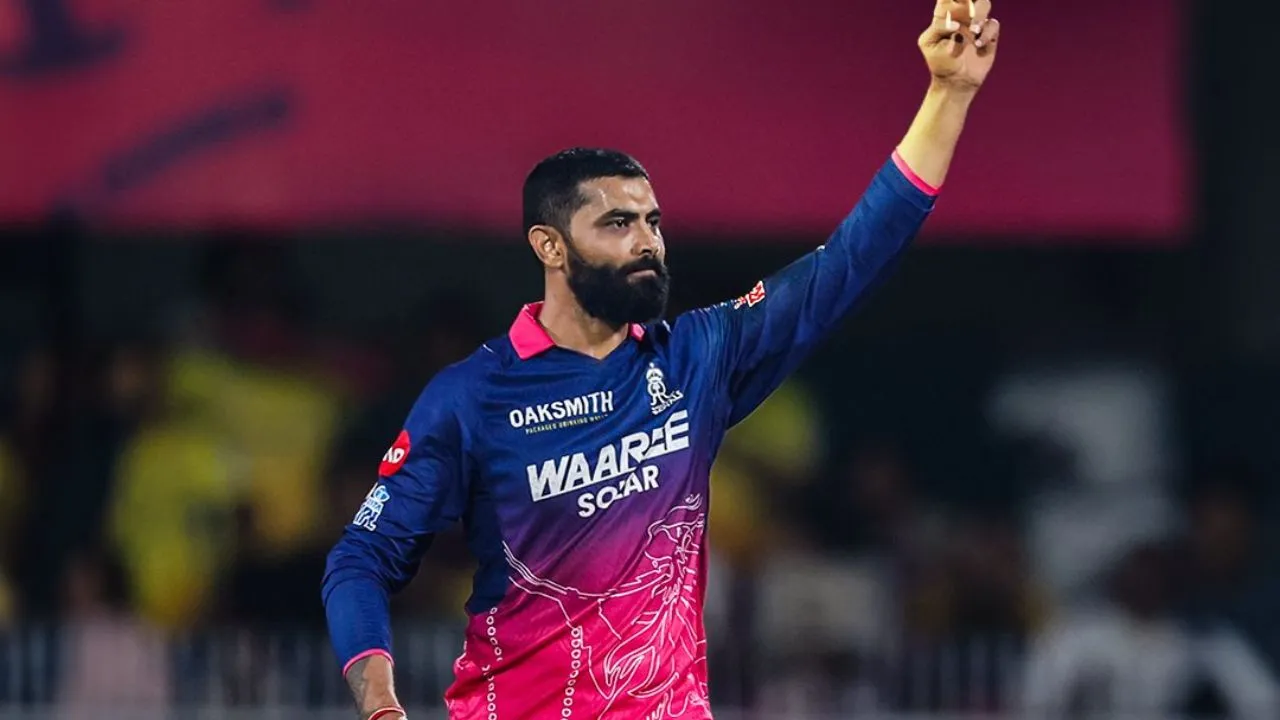
ICC banned from scheduling India vs Pakistan matches after Asia Cup controversy

Former England Captain Michael Atherton Urges ICC to Rethink India-Pakistan Matches
Overview of the Asia Cup 2025 Controversy
In the wake of escalating tensions and on-field controversies during the recent Asia Cup 2025 in the UAE, former England cricket captain Michael Atherton is calling for a reevaluation of scheduling matches between cricketing arch-rivals India and Pakistan. The final of the Asia Cup saw India emerge victorious against Pakistan, but it was marred by several controversial incidents that transcended the boundaries of the sport.
Incidents Leading to Atherton’s Call for Reconsideration
The drama began on September 14 when Indian players refused to shake hands with their Pakistani counterparts. Tensions further flared during the Super 4s match, where Pakistani players engaged in provocative gestures that fueled the controversy. The final match concluded with the winning team declining to accept the trophy from Pakistan’s Interior Minister Mohsin Naqvi, who also heads the Asian Cricket Council (ACC) and the Pakistan Cricket Board (PCB).
Atherton’s Perspective on the India-Pakistan Matches
While acknowledging the economic benefits that India-Pakistan matches bring in terms of broadcast revenues, Atherton argues that the growing political and diplomatic tensions between the nations now render these fixtures high-risk games. He emphasized that the rarity and financial appeal of these clashes cannot justify the escalating hostility between the archrivals.
Calling Out the ICC for Prioritizing Economic Gain
Atherton criticized the International Cricket Council (ICC) for exploiting the India-Pakistan rivalry purely for monetary gains. He noted that what was once considered a means to foster goodwill has now become a platform for propaganda and tension between the two nations. The former England captain stressed that arranging tournament fixtures to suit economic interests, especially when they exacerbate tensions, is unjustifiable.
Suggestions for Future ICC Tournaments
Atherton proposed that future ICC tournament schedules should be more transparent, and India and Pakistan should not be automatically pitted against each other in every event. He emphasized the need for a fairer draw process that reduces the likelihood of the two teams meeting each time. Atherton concluded by advocating for a more diplomatic and less exploitative approach to scheduling matches between the cricketing giants.
Impact Beyond Men’s Cricket
The tensions and controversies surrounding India-Pakistan matches have also spilled over to women’s cricket, as seen in the recent ICC Women’s World Cup 2025 match between the two nations. Players from both teams made gestures that reflected the off-field tensions and drama witnessed during the Asia Cup 2025.
As calls for rethinking the scheduling of India-Pakistan matches grow louder, it remains to be seen how the ICC will address the delicate balance between economic interests and maintaining the spirit of sportsmanship in one of cricket’s most storied rivalries.
Revisiting the History of India-Pakistan Cricket Rivalry
The cricketing rivalry between India and Pakistan dates back to their first Test match in 1952, and it has since become one of the most intense and widely followed rivalries in the world of cricket. Matches between the two nations evoke strong emotions and command the attention of millions of fans across the globe. The historical, cultural, and political context of this rivalry adds layers of complexity to each encounter, making it more than just a sporting event.
The Role of Politics in India-Pakistan Cricket Matches
Political tensions between India and Pakistan have often spilled over into the realm of cricket. Matches between the two nations have been used as a tool for diplomacy, propaganda, and even as a form of protest. The on-field incidents and controversies during these matches are often magnified due to the political backdrop, adding an extra dimension of pressure and scrutiny on the players.
Impact on Players and Fans
For players representing India and Pakistan, these matches carry immense pressure and scrutiny, both on and off the field. The expectations of fans, media attention, and the weight of history all contribute to the intense atmosphere surrounding India-Pakistan encounters. Players are not only expected to perform at their best but also navigate the complex dynamics of representing their respective nations in a high-stakes match.
For fans, India-Pakistan matches are not just about cricket; they are about national pride, regional supremacy, and bragging rights. The emotional investment in these matches runs deep, and the outcomes of these contests can have a lasting impact on the morale of supporters from both sides.
The Economic Impact of India-Pakistan Matches
From a commercial perspective, India-Pakistan matches are highly lucrative for broadcasters, sponsors, and cricket boards. The high viewership, advertising revenue, and sponsorship deals associated with these matches make them a significant source of income for all stakeholders involved. However, as the financial stakes rise, so do the pressures on players and the potential for controversies both on and off the field.
Balancing Tradition with Modern Realities
As cricket continues to evolve as a global sport, the traditional rivalries and contests must navigate the complexities of the modern world. While the India-Pakistan rivalry is deeply rooted in history and tradition, it is essential to reassess how these matches are scheduled, promoted, and managed in light of the changing geopolitical landscape and the impact on players’ mental health and well-being.
Looking Ahead: Finding a Middle Ground
As discussions around the future of India-Pakistan matches continue, finding a middle ground that respects the tradition of the rivalry while prioritizing the well-being of players and the spirit of sportsmanship is crucial. The ICC, cricket boards, and stakeholders must work together to strike a balance between the economic interests of the game and the ethical considerations surrounding high-intensity matches like India-Pakistan encounters.
Ultimately, the debate around the scheduling of India-Pakistan matches goes beyond cricket; it touches upon larger themes of diplomacy, nationalism, and the power dynamics in the world of sports. Finding a sustainable and equitable solution that honors the legacy of this iconic rivalry while promoting a healthy and respectful sporting environment will be key to navigating the future of India-Pakistan cricket matches.
Latest News
Krunal Pandya breaks silence on India snub, opens up on Virat Kohli
Mohsin Naqvi enforces new social media rules for Pakistan players following Naseem Shah incident
Fakhar Zaman officially handed cricket ban after PSL 2026 ball-tampering controversy
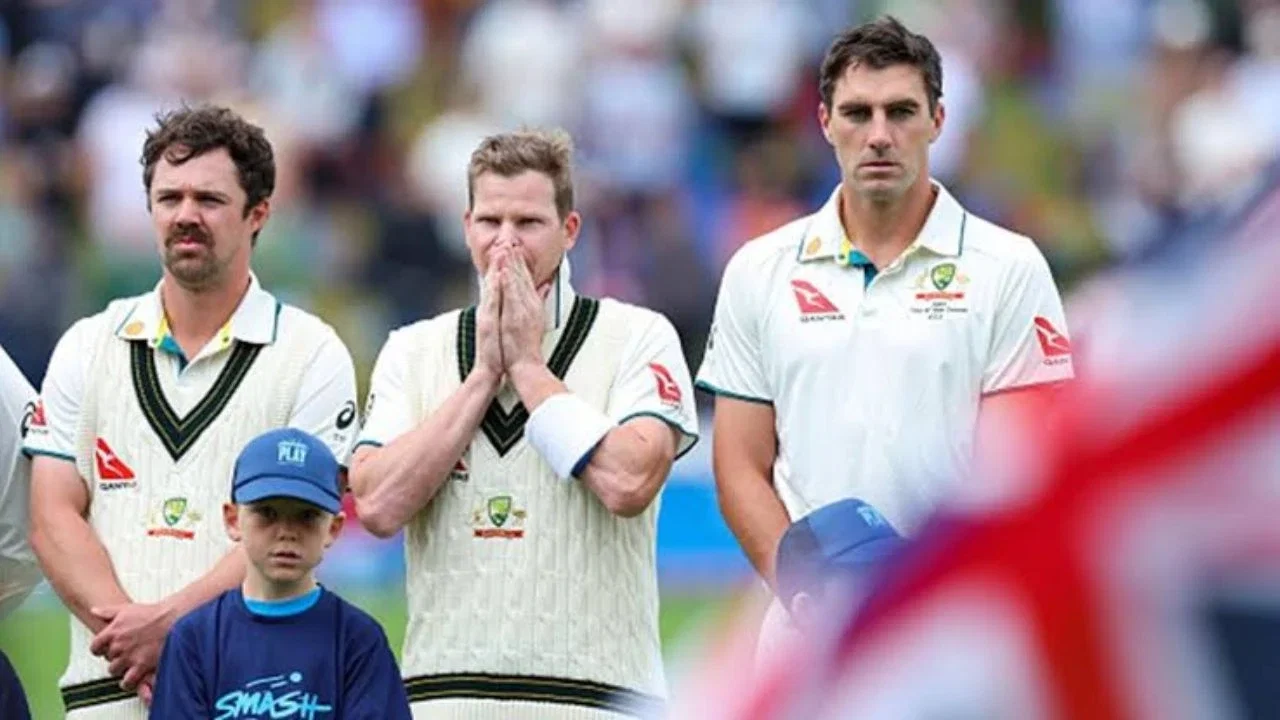
Pat Cummins forces Cricket Australia to slash central contracts list to secure premium deal
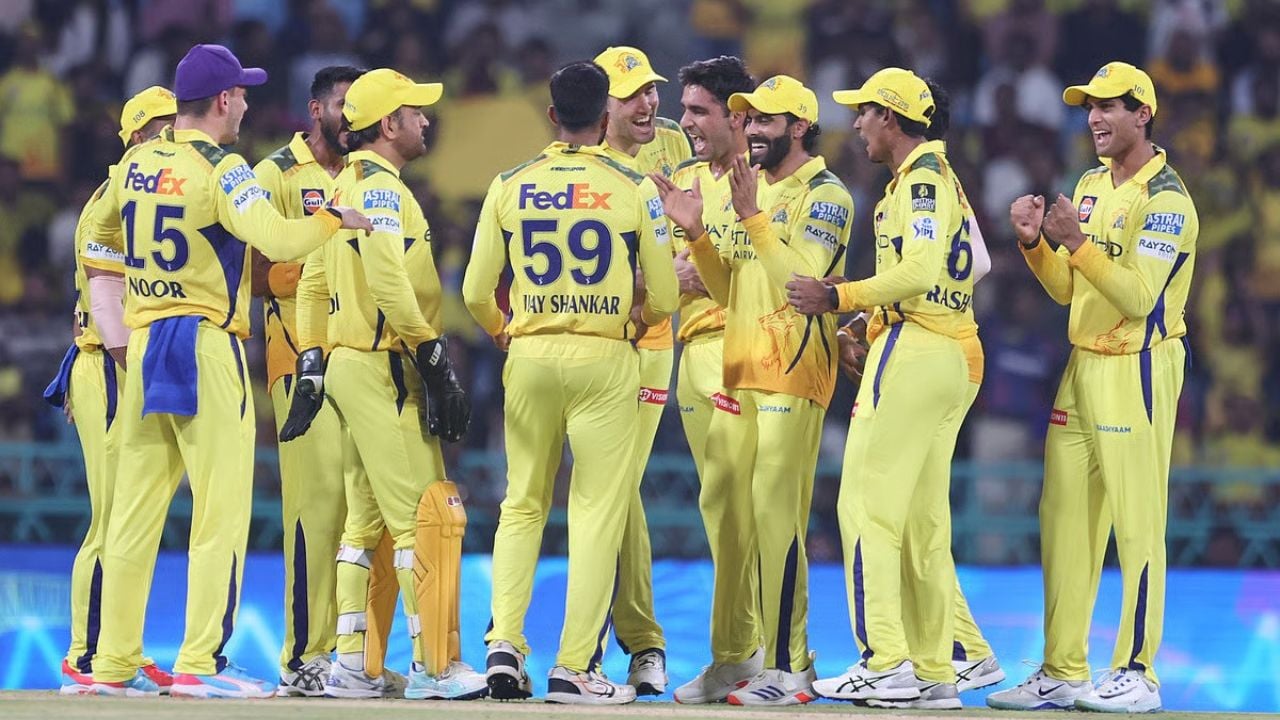
CSK’s big promise to players revealed amid IPL 2026: “Whatever BCCI offers, we’ll double it”
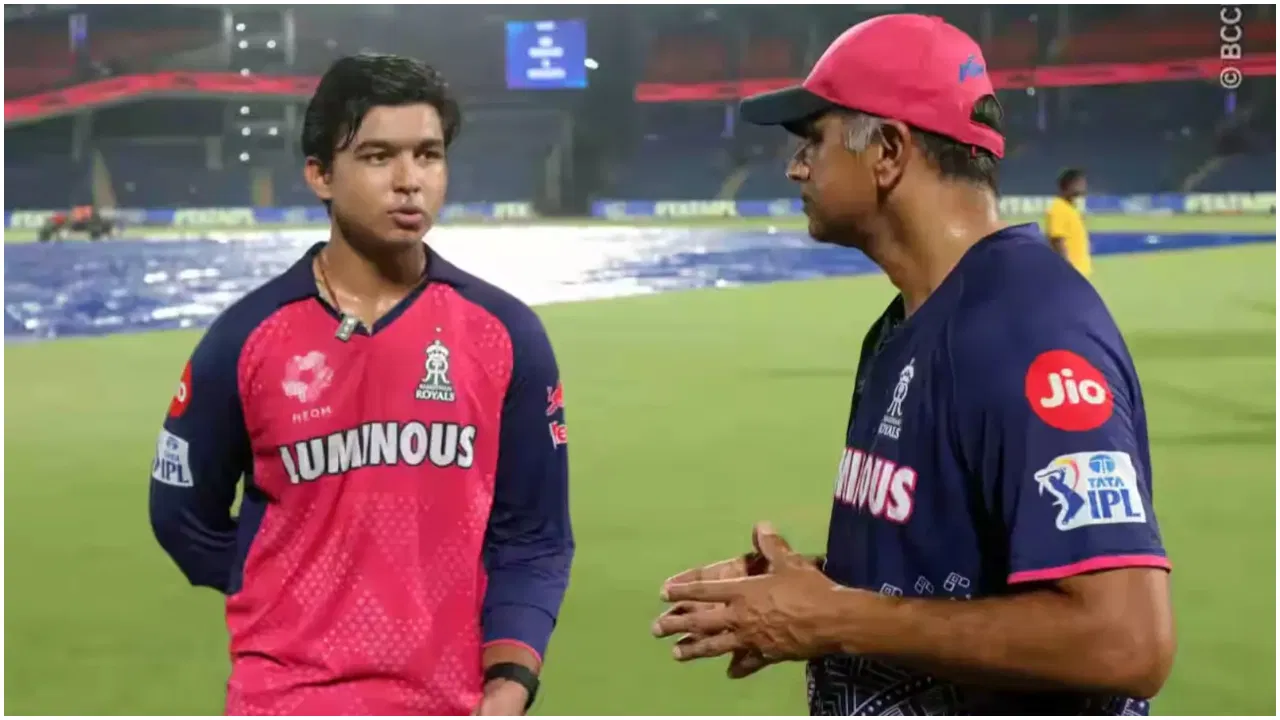
Ravichandran Ashwin rules out Vaibhav Sooryavanshi’s India call-up
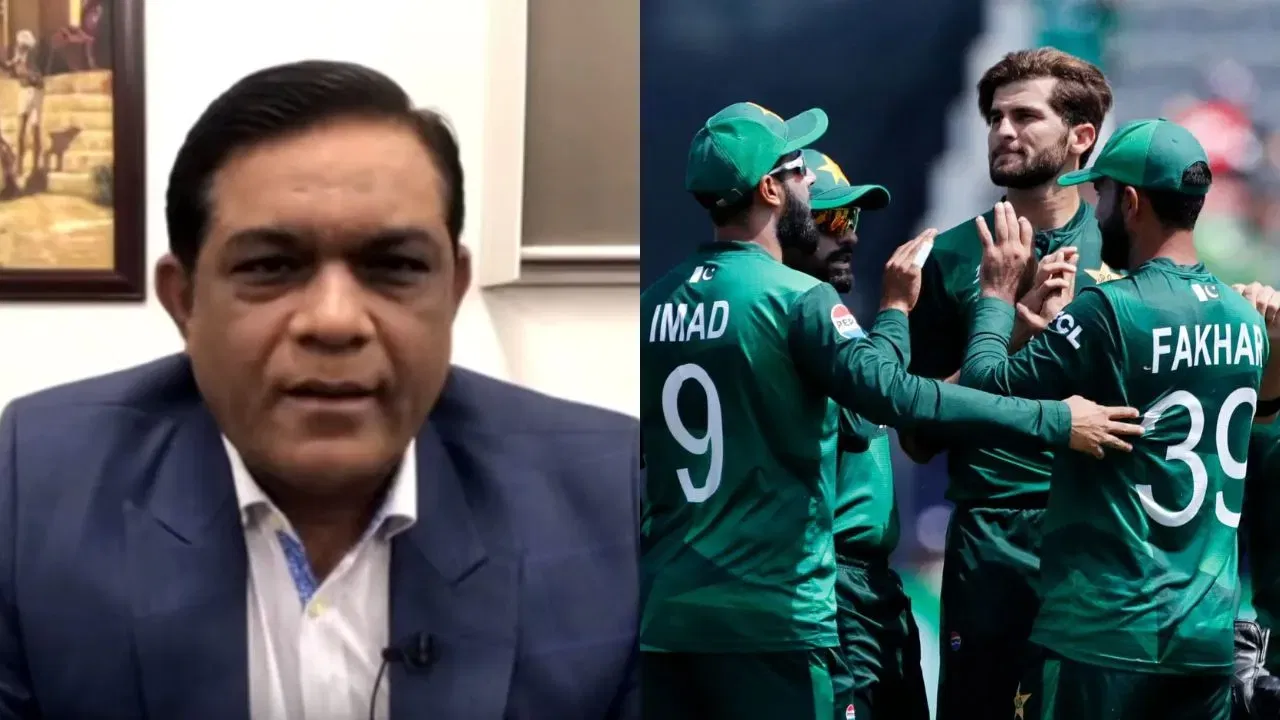
Rashid Latif claims PSL ball-tampering row was deliberately created for attention amid IPL rivalry
Mohammed Shami breaks silence on retirement buzz after India snub; has special message for LSG

Mohammed Shami reveals IPL 2026 Top 4, leaves out five-time champions
Mohammed Shami hits back at Ravichandran Ashwin over LSG’s poor IPL 2026 prediction
Riyan Parag mocked Sanju Samson? Batter’s muscle-flex celebration after sensational 6 vs CSK goes viral
IPL 2026 hit by tragedy! British broadcast engineer dies in Mumbai hotel room
Brad Haddin reveals reality of Shreyas Iyer as captain

Jos Buttler set to dominate IPL 2026, thanks to Ashish Nehra