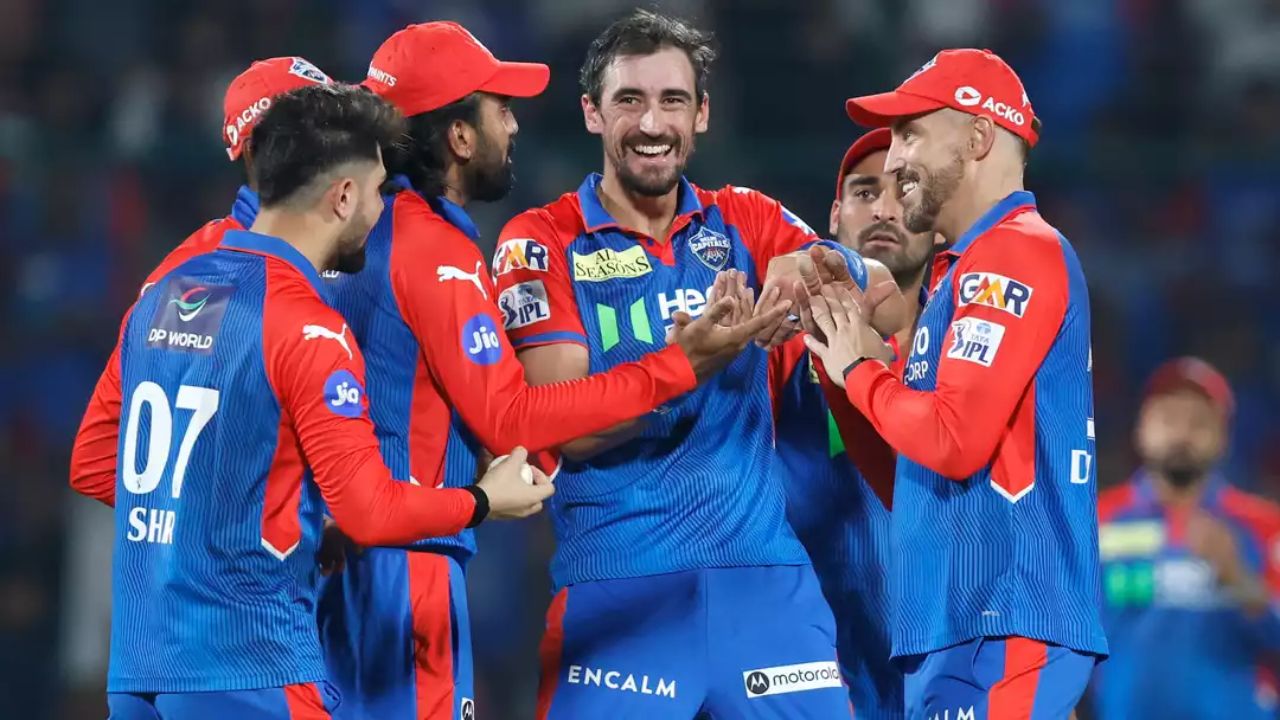
ICC bends T20 World Cup 2026 rules for Pakistan, Sri Lanka; chaos erupts over semi-finals venues

The International Cricket Council Faces Venue Dilemma for 2026 T20 World Cup Semi-finals
The International Cricket Council (ICC) is currently facing a dilemma regarding the venues for the Semi-finals of the highly anticipated 2026 T20 World Cup. The uncertainty arises due to the possible participation of Sri Lanka and Pakistan in the Semi-finals, which has yet to be finalized.
Uncertainty Surrounding Venue Selection
According to recent reports, the ICC will decide on the Semi-final venues once Sri Lanka and Pakistan’s fate in the Super 8 phase is confirmed. If both teams qualify for the Semi-finals, there is a possibility that the venues could be shifted to accommodate their participation. This decision is crucial as Pakistan has expressed reluctance to travel to India due to ongoing geopolitical tensions.
If Sri Lanka, one of the co-hosts of the T20 World Cup 2026, secures a spot in the Semi-finals, they may be allowed to play on their home soil. However, if India qualifies and faces Pakistan, the venue selection could change once again. These decisions are subject to various factors such as logistics and the teams involved.
Venue Contingencies Based on Team Qualification
The ICC has outlined several scenarios for the Semi-final venues depending on team qualifications:
1. Kolkata or Colombo for Semi-final 1: The agreement for the first semi-final could be in either Kolkata or Colombo.
2. Pakistan Qualification: If Pakistan qualifies, they will play in Semi-final 1 in Colombo on 4th March.
3. Sri Lanka Qualification: If Sri Lanka qualifies and faces a team other than India, Semi-final 1 will be in Colombo.
Should neither India, Pakistan, nor Sri Lanka make it to the Semi-finals, Kolkata and Mumbai will be the venues for the two matches. If India secures a spot and faces a team other than Pakistan, their Semi-final match will be held in Mumbai.
Outcome if Top Teams Fail to Qualify
If none of the top teams qualify for the Semi-finals, the team finishing first in Group 1 of the Super Eight will face the second-placed team from Group 2 in Kolkata, while the Group 2 winner will play the Group 1 runners-up in Mumbai. These arrangements ensure that the tournament’s schedule remains flexible and adaptable to various scenarios.
In conclusion, the uncertainty surrounding the venue selection for the 2026 T20 World Cup Semi-finals highlights the logistical challenges faced by the ICC in ensuring a smooth and successful tournament. Fans and teams alike will eagerly await the final decisions that will determine where the crucial matches will take place.
Factors Influencing Venue Selection
Aside from the teams’ qualification and potential match-ups, the ICC also considers various other factors when deciding on the Semi-final venues. One crucial aspect is the capacity and infrastructure of the stadiums in question. The ICC aims to select venues that can accommodate large crowds and provide a world-class experience for both players and spectators.
Furthermore, the logistical aspects of organizing the matches play a significant role in venue selection. Factors such as transportation, security, and accommodation for players and officials are carefully taken into account to ensure smooth operations during the tournament.
Political Considerations and Geopolitical Tensions
The political climate and geopolitical tensions in the region also play a role in determining the venues for international cricket matches. In the case of India and Pakistan, long-standing political disputes and security concerns have led to challenges in hosting matches between the two nations. The ICC must navigate these sensitive issues to ensure the safety and security of all participants.
Additionally, the relationship between India and Sri Lanka, as well as Pakistan and Sri Lanka, may influence the decisions regarding venue selection. Diplomatic relations and historical tensions can impact the logistics and feasibility of hosting matches involving these teams in specific locations.
Fan Engagement and Commercial Considerations
Another important aspect that the ICC considers when selecting venues for major cricket matches is fan engagement and commercial opportunities. The governing body aims to choose locations that will attract a large number of fans and generate significant revenue through ticket sales, broadcasting rights, and sponsorship deals.
By selecting venues that have a strong cricketing culture and fan base, the ICC can ensure a vibrant and exciting atmosphere for the matches, enhancing the overall appeal of the tournament. Commercial considerations also play a role in determining the economic impact and success of the event.
Final Thoughts on Venue Selection for the 2026 T20 World Cup Semi-finals
In conclusion, the venue selection for the 2026 T20 World Cup Semi-finals is a complex process that involves multiple factors and considerations. From team qualifications and match-ups to logistical challenges, political considerations, fan engagement, and commercial opportunities, the ICC must carefully weigh various factors to make informed decisions.
As cricket fans around the world eagerly anticipate the outcome of the Semi-final venue selection, the decisions made by the ICC will shape the overall experience of the tournament and contribute to its success. By balancing competing interests and considerations, the ICC aims to create a memorable and thrilling cricketing event for players, fans, and stakeholders alike.
Latest News
Yograj Singh makes blunt remark at Virat Kohli and Rohit Sharma over early retirement calls
Bhuvneshwar Kumar on brink of IPL history, needs two wickets for massive milestone
IPL to be broadcasted? Bangladesh government drops massive update on IPL broadcast ban

SRH fans to boycott IPL? Former India cricketer shares insights on social media drama around Abrar Ahmed
“Explore this opportunity”: Ruturaj Gaikwad shares inside story of convincing Sanju Samson to join CSK
KKR pacer snubs Rohit Sharma, Virat Kohli, picks MI star as most difficult batter he’s bowled to
PSL drama erupts! Pakistan great blasted for “lack of manners” after embarrassing ex-England star
“2024 mein woh underrated the” – Vaibhav Arora on Shreyas Iyer not getting credit for KKR title win
Devon Conway settles IPL vs PSL debate once and for all
Ex-CSK star’s shocking claim on RCB vs SRH match ahead of IPL 2026
Misbah-ul-Haq takes legal action against Ahmed Shehzad over defamation claims
Naseem Shah charged with central contract violation during PSL 2026
MS Dhoni out of IPL 2026, has not recovered from calf strain
Jasprit Bumrah set to lead MI attack in blockbuster IPL 2026 clash vs KKR